






Entsteht hier ein neuer Graphtie player - 500 Beiträge pro Seite
eröffnet am 08.02.12 19:19:35 von
neuester Beitrag 27.11.17 09:33:08 von
neuester Beitrag 27.11.17 09:33:08 von
Beiträge: 398
ID: 1.172.282
ID: 1.172.282
Aufrufe heute: 0
Gesamt: 30.083
Gesamt: 30.083
Aktive User: 0
ISIN: CA17040B1013 · WKN: A2JSLQ · Symbol: CHOOF
0,0000
USD
0,00 %
0,0000 USD
Letzter Kurs 02:10:00 Nasdaq OTC
Werte aus der Branche Pharmaindustrie
| Wertpapier | Kurs | Perf. % |
|---|---|---|
| 384,00 | +20,00 | |
| 0,5800 | +19,34 | |
| 5,9050 | +17,86 | |
| 111,15 | +16,77 | |
| 1,7000 | +13,33 |
| Wertpapier | Kurs | Perf. % |
|---|---|---|
| 14,510 | -32,32 | |
| 71,33 | -33,92 | |
| 3,6400 | -38,62 | |
| 1.160,00 | -42,00 | |
| 0,7000 | -61,85 |

 Feedback
Seit kurzen neu an der TSX gelistet. Vormals Orcanresources
Stelle mal die neue Hompage sowie die Presentation ein.
http://www.standardgraphite.com/s/home.asp
http://www.standardgraphite.com/i/pdf/SGH_CorporatePresentation.pdf
Montekaolino
Stelle mal die neue Hompage sowie die Presentation ein.
http://www.standardgraphite.com/s/home.asp
http://www.standardgraphite.com/i/pdf/SGH_CorporatePresentation.pdf
Montekaolino
Antwort auf Beitrag Nr.: 42.721.577 von Montekaolino am 08.02.12 19:19:35Share Structure
http://www.standardgraphite.com/s/share_structure.asp
Issued & Outstanding 21,168,000
Options 1,031,000
Warrants* 8,000,000
Fully Diluted 31,199,000
* Strike price $0.40
Cash: As of February 1, 2012 > $1.5 Million
lt. Präsenation: http://www.standardgraphite.com/i/pdf/SGH_CorporatePresentat…
http://www.standardgraphite.com/s/share_structure.asp
Issued & Outstanding 21,168,000
Options 1,031,000
Warrants* 8,000,000
Fully Diluted 31,199,000
* Strike price $0.40
Cash: As of February 1, 2012 > $1.5 Million
lt. Präsenation: http://www.standardgraphite.com/i/pdf/SGH_CorporatePresentat…
Mal sehen wir sich Standard Graphite entwickeln wird wir sind erst am anfang
und SGH ist ein reiner graphite explorer.
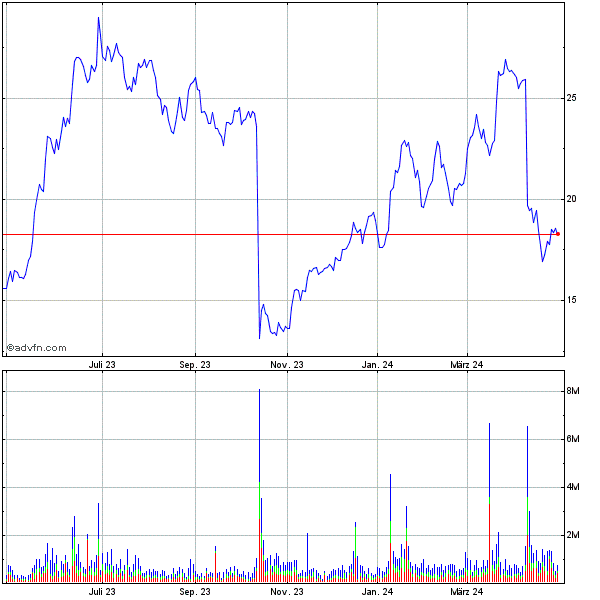
und SGH ist ein reiner graphite explorer.

Da wird eine menge graphit benötigt.
Zur Info.
Aus Rohstoffraketen.
Haben sie den letzten 5-Jahresplan der Kommunistischen Partei Chinas gelesen?
Nein? Genau das sollten Sie aber tun. Zumindest wenn es nach Mining-Legende Robert
Friedland geht. Denn auf eben diese Frage von ihm hob sich gestern keine einzige Hand
auf seinem Vortrag auf der Mining INDABA in Kapstadt. Dabei steht laut Friedland darin
alles, was man als Investor wissen muss. Unter anderem, dass man in den nächsten 3 Jahren
1,5 Millionen Elektroautos auf den Straßen haben will. Damit soll die hohe (und weiter steigende)
Ölabhängigkeit eingedämmt werden. Circa 60% der Ölimporte Chinas werden als
Kraftstoff in Automobilen und LKWs verbrannt. Dass jedes Elektroauto mehr Kupfer und
mehr kritische Rohstoffe benötigt als herkömmliche Fahrzeuge, brauchen wir treuen Lesern
nicht erzählen.
Zur Info.
Aus Rohstoffraketen.
Haben sie den letzten 5-Jahresplan der Kommunistischen Partei Chinas gelesen?
Nein? Genau das sollten Sie aber tun. Zumindest wenn es nach Mining-Legende Robert
Friedland geht. Denn auf eben diese Frage von ihm hob sich gestern keine einzige Hand
auf seinem Vortrag auf der Mining INDABA in Kapstadt. Dabei steht laut Friedland darin
alles, was man als Investor wissen muss. Unter anderem, dass man in den nächsten 3 Jahren
1,5 Millionen Elektroautos auf den Straßen haben will. Damit soll die hohe (und weiter steigende)
Ölabhängigkeit eingedämmt werden. Circa 60% der Ölimporte Chinas werden als
Kraftstoff in Automobilen und LKWs verbrannt. Dass jedes Elektroauto mehr Kupfer und
mehr kritische Rohstoffe benötigt als herkömmliche Fahrzeuge, brauchen wir treuen Lesern
nicht erzählen.
Trading Spotlight
Wollen uns nicht geklagen mit kleinen plus geschlossen.
Schritt für schritt.
Schritt für schritt.
Habe die Aktie ebenfalls auf meiner Watch. Bei Lomiko bin ich bereits dabei. Ich denke eine kleine Anfangsposi könnte nicht schaden.
MK ist noch gering.
Mal sehen...
MK ist noch gering.
Mal sehen...
Antwort auf Beitrag Nr.: 42.736.370 von Rohstoffinvestor am 11.02.12 10:49:41
Bei Lomiko bin ich ausgestiegen gestern der Insider verkauf gefällt mir gar nicht.
http://www.stockhouse.com/Bullboards/MessageDetail.aspx?p=0&…
Bei Lomiko bin ich ausgestiegen gestern der Insider verkauf gefällt mir gar nicht.
http://www.stockhouse.com/Bullboards/MessageDetail.aspx?p=0&…
Antwort auf Beitrag Nr.: 42.736.875 von Montekaolino am 11.02.12 14:07:09Das ist der allseits bekannte und beliebte Sheldon Iwentash. 
Wenn der bald raus ist umso besser.
Der hat schon finanziert bevor die Graphit-Story begann.
300 % werden ihm genug sein...

Wenn der bald raus ist umso besser.
Der hat schon finanziert bevor die Graphit-Story begann.
300 % werden ihm genug sein...
Servus!
Ein interessanter Wert,sehr gut gelaufen letztes Jahr,die Story gefällt mir,
auf den ersten Blick sog i past scho
Danke Monte!
S.E
Ein interessanter Wert,sehr gut gelaufen letztes Jahr,die Story gefällt mir,
auf den ersten Blick sog i past scho
Danke Monte!
S.E

Antwort auf Beitrag Nr.: 42.738.069 von SEPP_EIXLBERGER am 12.02.12 09:12:16
Hallo Sepp,
ja mal darf aber auch nicht vergessen das es ca 22 Mio Aktien gibt.
Aber es wird noch manche überraschung dieses jahr geben.
Hallo Sepp,
ja mal darf aber auch nicht vergessen das es ca 22 Mio Aktien gibt.
Aber es wird noch manche überraschung dieses jahr geben.
http://www.stockhouse.com/Bullboards/MessageDetail.aspx?p=0&…
The Critical Metals Report Interview with Ryan Fletcher (1/24/12) "One company that I quite like is Standard Graphite Corp., which has acquired a portfolio of projects in Ontario and Québec. But more importantly, the company added Antoine Fournier to the team. A geologist, he was part of the field team that discovered the project that Focus is advancing, Lac Knife. Standard Graphite. . .has a market cap of about $5M, in comparison to the $30-60M for some of the bigger players. There's a lot of leverage for investors and a lot of opportunity when you take something that has a bit of information with the right team and make a new discovery. You can create a lot of value under those circumstances. Standard Graphite will be working to do just that."
http://www.theaureport.com/pub/co/4041
The Critical Metals Report Interview with Ryan Fletcher (1/24/12) "One company that I quite like is Standard Graphite Corp., which has acquired a portfolio of projects in Ontario and Québec. But more importantly, the company added Antoine Fournier to the team. A geologist, he was part of the field team that discovered the project that Focus is advancing, Lac Knife. Standard Graphite. . .has a market cap of about $5M, in comparison to the $30-60M for some of the bigger players. There's a lot of leverage for investors and a lot of opportunity when you take something that has a bit of information with the right team and make a new discovery. You can create a lot of value under those circumstances. Standard Graphite will be working to do just that."
http://www.theaureport.com/pub/co/4041
Antwort auf Beitrag Nr.: 42.738.076 von Montekaolino am 12.02.12 09:16:31Monte,
schau dir mal die BE der AXE an!
Was sagst du dazu?Bin kein Graphite Experte!
http://www.asx.com.au/asx/research/companyInfo.do?by=asxCode…
schau dir mal die BE der AXE an!
Was sagst du dazu?Bin kein Graphite Experte!

http://www.asx.com.au/asx/research/companyInfo.do?by=asxCode…
Antwort auf Beitrag Nr.: 42.738.108 von SEPP_EIXLBERGER am 12.02.12 09:43:45
Ich hatte archer AXE und strategic SER auch mal in meinen depot bin aber dann wieder ausgestiegen die kamen einfach nicht aus den puschen ich wollte einfach einen reinen graphite explorer die beiden anderen wurschteln über all rum es es kam einfach nichts dabei raus. Jetzt machen sie einen nauen anlauf.
Sollte jeden selber entscheiden wo man einsteigt.
Montekaolino
Ich hatte archer AXE und strategic SER auch mal in meinen depot bin aber dann wieder ausgestiegen die kamen einfach nicht aus den puschen ich wollte einfach einen reinen graphite explorer die beiden anderen wurschteln über all rum es es kam einfach nichts dabei raus. Jetzt machen sie einen nauen anlauf.
Sollte jeden selber entscheiden wo man einsteigt.
Montekaolino
Heute ein schöner start. Es geht gen norden.
Suche startet
Graphit - Der unerkannte Rohstoff
Geschrieben von Redaktion • 26. Januar 2012
Graphit kennen die meisten Anleger aus dem Bleistift, dem Tennisschläger oder vom Golfschläger. Viel mehr Anwendungsmöglichkeiten fallen zunächst nicht ein. Doch die Einsatzmöglichkeiten von Graphit haben sich weiter entwickelt, die Vielfalt tritt immer deutlicher zu Tage.

Sehr reines Graphit - Quelle: Wikipedia
Der Rohstoff leitet Hitze und Elektrizität, er ist korrosions- und hitzebeständig. Damit ist er für die Stahl- und Autoindustrie besonders wertvoll. Dies sind bisher die Hauptkonsumenten von Graphit. Doch neue Anwendungsbereiche kommen hinzu. In neuartigen Batterien ist Graphit ein unverzichtbarer Bestandteil.
Bei einer Lithium-Ionen-Batterie besteht die Kathode aus Lithium, die Anode wird aus Graphit gefertigt. Diese Tatsache ist zumeist unbekannt, kann jedoch in Zukunft für einen Wachstumsschub sorgen. In verschiedenen Elektroautos von Chevrolet, Nissan und Tesla kommen diese Batterien ebenfalls zum Einsatz. Dies deutet an, wie groß die Wachstumsphantasien sein können.
Derzeit werden weltweit etwa 1,2 Millionen Tonnen Graphit benötigt. Für die kommenden Jahre sagen Experten einen Nachfrageboom voraus. Bis 2020 kann sich die nachgefragte Menge auf ein Mehrfaches erhöhen. Schätzungen gehen davon aus, dass allein für Lithium-Ionen Batterien am Ende der Dekade jährlich bis zu 1,6 Millionen Tonnen Graphit benötigt werden. Dies zeigt die Dimensionen des Wachstums. Der Preis folgt diesem Wachstumsschub nur langsam. Jahrelang dümpelte er vor sich hin, erst in den vergangenen Jahren hat er sich verdreifacht. Der Trend geht weiter nach oben.
Der Großteil der Graphitproduktion stammt bisher aus China. Etwa 70 Prozent der Lieferungen kommen aus dem asiatischen Land. Weitere große Förderer sind Indien, Kanada und Brasilien. Da aber China, wie auch bei anderen Rohstoffen, zuletzt höhere Steuern und Lizenzgebühren auf die Ausfuhr von Graphit gelegt hat, suchen Unternehmen verstärkt nach neuen Fundorten und alternativen Lieferanten.
Fündig werden kann man in Gebieten, die bestimmte geologische Voraussetzungen erfüllen. In Kanada finden sich solche Regionen in Ontario und Quebec, aber auch in Brasilien und Indien wird die Suche nach neuen Lagerstätten verstärkt. Der steigende Preis für Graphit kann Investoren dazu bringen, die Explorationstätigkeiten zu verstärken.
http://www.goldinvest.de/index.php/graphit-der-unerkannte-ro…
Graphit - Der unerkannte Rohstoff
Geschrieben von Redaktion • 26. Januar 2012
Graphit kennen die meisten Anleger aus dem Bleistift, dem Tennisschläger oder vom Golfschläger. Viel mehr Anwendungsmöglichkeiten fallen zunächst nicht ein. Doch die Einsatzmöglichkeiten von Graphit haben sich weiter entwickelt, die Vielfalt tritt immer deutlicher zu Tage.
Sehr reines Graphit - Quelle: Wikipedia
Der Rohstoff leitet Hitze und Elektrizität, er ist korrosions- und hitzebeständig. Damit ist er für die Stahl- und Autoindustrie besonders wertvoll. Dies sind bisher die Hauptkonsumenten von Graphit. Doch neue Anwendungsbereiche kommen hinzu. In neuartigen Batterien ist Graphit ein unverzichtbarer Bestandteil.
Bei einer Lithium-Ionen-Batterie besteht die Kathode aus Lithium, die Anode wird aus Graphit gefertigt. Diese Tatsache ist zumeist unbekannt, kann jedoch in Zukunft für einen Wachstumsschub sorgen. In verschiedenen Elektroautos von Chevrolet, Nissan und Tesla kommen diese Batterien ebenfalls zum Einsatz. Dies deutet an, wie groß die Wachstumsphantasien sein können.
Derzeit werden weltweit etwa 1,2 Millionen Tonnen Graphit benötigt. Für die kommenden Jahre sagen Experten einen Nachfrageboom voraus. Bis 2020 kann sich die nachgefragte Menge auf ein Mehrfaches erhöhen. Schätzungen gehen davon aus, dass allein für Lithium-Ionen Batterien am Ende der Dekade jährlich bis zu 1,6 Millionen Tonnen Graphit benötigt werden. Dies zeigt die Dimensionen des Wachstums. Der Preis folgt diesem Wachstumsschub nur langsam. Jahrelang dümpelte er vor sich hin, erst in den vergangenen Jahren hat er sich verdreifacht. Der Trend geht weiter nach oben.
Der Großteil der Graphitproduktion stammt bisher aus China. Etwa 70 Prozent der Lieferungen kommen aus dem asiatischen Land. Weitere große Förderer sind Indien, Kanada und Brasilien. Da aber China, wie auch bei anderen Rohstoffen, zuletzt höhere Steuern und Lizenzgebühren auf die Ausfuhr von Graphit gelegt hat, suchen Unternehmen verstärkt nach neuen Fundorten und alternativen Lieferanten.
Fündig werden kann man in Gebieten, die bestimmte geologische Voraussetzungen erfüllen. In Kanada finden sich solche Regionen in Ontario und Quebec, aber auch in Brasilien und Indien wird die Suche nach neuen Lagerstätten verstärkt. Der steigende Preis für Graphit kann Investoren dazu bringen, die Explorationstätigkeiten zu verstärken.
http://www.goldinvest.de/index.php/graphit-der-unerkannte-ro…
Gestern so gut gestartet bis auf 0,60 cad dann zurück auf 0,50 cad
aber wird sin auf den besten weg.
aber wird sin auf den besten weg.
Was zu graphit. Auszug aus goldseiten.de
Was das mit Graphit zu tun hat? Die Grundausstattung jedes Reaktors dieser Uentrop-Größe würde bis zur Inbetriebnahme ca. 5.000 bis 6.000 Tonnen Graphit benötigen und der Ersatz ermüdeter Kugeln in Tennisballgröße würde pro Reaktor je nach Größe nochmals jährlich so zwischen 500 und 2.000 Tonnen Graphit erfordern.
Das mag Zukunftsmusik sein, aber ich rate Ihnen, halten Sie in dieser Richtung die Augen offen. Sehen Sie nach China und Indien und gewöhnen Sie ich daran, dass dort wohl die Zukunft stattfindet. Bauen Inder und Chinesen die Kugelhaufen-Hochtemperatur-Reaktoren, wird sich schlagartig die Nachfrage nach Graphit erhöhen.
Wichtiger und zeitnäher sind aber die folgenden neuen Einsatzgebiete von Graphit. Da ist einerseits der Einsatz in den Anoden der Batterien, die die Energie für die Hybridfahrzeuge oder für die Voll-Elektrofahrzeuge liefern sollen. Im Gegensatz zu den vielen Meldungen über die enorme Bedeutung des Lithiums und der dann folgenden Flut von neuen Lithium-Explorationsgesellschaften werden zwei Fakten überhaupt nicht beachtet. Lithium gibt es wie den sprichwörtlichen Sand am Meer z.B. in den Salzlaken und Salzseen in Südamerika (ich war kürzlich da) und – und das ist noch wichtiger: Bei der Herstellung der neuen Lithium-Ionen-Batterien braucht man je nach Größe der Batterien für die Anode dieser Batterien zwischen dem Acht- und Zwanzigfachen mehr Graphit als Lithium." target="_blank" rel="nofollow ugc noopener">China hat sich mit der englischen Gesellschaft, die die Entwicklung der HTR auf eigene Rechnung fortgesetzt hat,- so hörte ich - in Verbindung gesetzt, um eine Übernahme der Konzeption für einige der vielen in China geplanten Reaktoren zu prüfen. Gleiche Bestrebungen werden von Indien und Korea gemeldet. Was hätte das für grundsätzliche Folgen? Die Kraftwerksbauer aus den "alten" Industriestaaten würden in die bekannte Röhre schauen müssen. Das wäre an sich noch zu verkraften, weil wir ohnehin nicht mehr an diesem Spiel beteiligt wären. Die in der letzten Zeit so schön für die Zukunft hochgerechneten Nachfragemengen nach Uran müssten revidiert werden, denn sowohl China als auch Indien verfügen nach den vorliegenden Statistiken über ausreichende Thoriumvorräte und -Lagerstätten (Thorium fällt sehr häufig bei der Produktion von Seltenen Erden als sogenanntes By-Product an) und für uns Deutsche würde es heißen, subventioniert haben wir die Entwicklung mit Milliardenbeträgen, aber dank politscher Weitsicht haben wir wieder einmal die Chance vertan, eine technologische Speerspitze zu werden. Dass zudem noch an einer der Kaderschmieden Chinas, an der Tsinghua-Universität intensiv an der Weiterentwicklung der HTR-Technologie geforscht wird, bestätigt meine Vermutungen.
Was das mit Graphit zu tun hat? Die Grundausstattung jedes Reaktors dieser Uentrop-Größe würde bis zur Inbetriebnahme ca. 5.000 bis 6.000 Tonnen Graphit benötigen und der Ersatz ermüdeter Kugeln in Tennisballgröße würde pro Reaktor je nach Größe nochmals jährlich so zwischen 500 und 2.000 Tonnen Graphit erfordern.
Das mag Zukunftsmusik sein, aber ich rate Ihnen, halten Sie in dieser Richtung die Augen offen. Sehen Sie nach China und Indien und gewöhnen Sie ich daran, dass dort wohl die Zukunft stattfindet. Bauen Inder und Chinesen die Kugelhaufen-Hochtemperatur-Reaktoren, wird sich schlagartig die Nachfrage nach Graphit erhöhen.
Wichtiger und zeitnäher sind aber die folgenden neuen Einsatzgebiete von Graphit. Da ist einerseits der Einsatz in den Anoden der Batterien, die die Energie für die Hybridfahrzeuge oder für die Voll-Elektrofahrzeuge liefern sollen. Im Gegensatz zu den vielen Meldungen über die enorme Bedeutung des Lithiums und der dann folgenden Flut von neuen Lithium-Explorationsgesellschaften werden zwei Fakten überhaupt nicht beachtet. Lithium gibt es wie den sprichwörtlichen Sand am Meer z.B. in den Salzlaken und Salzseen in Südamerika (ich war kürzlich da) und – und das ist noch wichtiger: Bei der Herstellung der neuen Lithium-Ionen-Batterien braucht man je nach Größe der Batterien für die Anode dieser Batterien zwischen dem Acht- und Zwanzigfachen mehr Graphit als Lithium.
Bei Interesse hier der link.
http://www.goldseiten.de/artikel/14955--.html?storyid=14955&…
Was das mit Graphit zu tun hat? Die Grundausstattung jedes Reaktors dieser Uentrop-Größe würde bis zur Inbetriebnahme ca. 5.000 bis 6.000 Tonnen Graphit benötigen und der Ersatz ermüdeter Kugeln in Tennisballgröße würde pro Reaktor je nach Größe nochmals jährlich so zwischen 500 und 2.000 Tonnen Graphit erfordern.
Das mag Zukunftsmusik sein, aber ich rate Ihnen, halten Sie in dieser Richtung die Augen offen. Sehen Sie nach China und Indien und gewöhnen Sie ich daran, dass dort wohl die Zukunft stattfindet. Bauen Inder und Chinesen die Kugelhaufen-Hochtemperatur-Reaktoren, wird sich schlagartig die Nachfrage nach Graphit erhöhen.
Wichtiger und zeitnäher sind aber die folgenden neuen Einsatzgebiete von Graphit. Da ist einerseits der Einsatz in den Anoden der Batterien, die die Energie für die Hybridfahrzeuge oder für die Voll-Elektrofahrzeuge liefern sollen. Im Gegensatz zu den vielen Meldungen über die enorme Bedeutung des Lithiums und der dann folgenden Flut von neuen Lithium-Explorationsgesellschaften werden zwei Fakten überhaupt nicht beachtet. Lithium gibt es wie den sprichwörtlichen Sand am Meer z.B. in den Salzlaken und Salzseen in Südamerika (ich war kürzlich da) und – und das ist noch wichtiger: Bei der Herstellung der neuen Lithium-Ionen-Batterien braucht man je nach Größe der Batterien für die Anode dieser Batterien zwischen dem Acht- und Zwanzigfachen mehr Graphit als Lithium." target="_blank" rel="nofollow ugc noopener">China hat sich mit der englischen Gesellschaft, die die Entwicklung der HTR auf eigene Rechnung fortgesetzt hat,- so hörte ich - in Verbindung gesetzt, um eine Übernahme der Konzeption für einige der vielen in China geplanten Reaktoren zu prüfen. Gleiche Bestrebungen werden von Indien und Korea gemeldet. Was hätte das für grundsätzliche Folgen? Die Kraftwerksbauer aus den "alten" Industriestaaten würden in die bekannte Röhre schauen müssen. Das wäre an sich noch zu verkraften, weil wir ohnehin nicht mehr an diesem Spiel beteiligt wären. Die in der letzten Zeit so schön für die Zukunft hochgerechneten Nachfragemengen nach Uran müssten revidiert werden, denn sowohl China als auch Indien verfügen nach den vorliegenden Statistiken über ausreichende Thoriumvorräte und -Lagerstätten (Thorium fällt sehr häufig bei der Produktion von Seltenen Erden als sogenanntes By-Product an) und für uns Deutsche würde es heißen, subventioniert haben wir die Entwicklung mit Milliardenbeträgen, aber dank politscher Weitsicht haben wir wieder einmal die Chance vertan, eine technologische Speerspitze zu werden. Dass zudem noch an einer der Kaderschmieden Chinas, an der Tsinghua-Universität intensiv an der Weiterentwicklung der HTR-Technologie geforscht wird, bestätigt meine Vermutungen.
Was das mit Graphit zu tun hat? Die Grundausstattung jedes Reaktors dieser Uentrop-Größe würde bis zur Inbetriebnahme ca. 5.000 bis 6.000 Tonnen Graphit benötigen und der Ersatz ermüdeter Kugeln in Tennisballgröße würde pro Reaktor je nach Größe nochmals jährlich so zwischen 500 und 2.000 Tonnen Graphit erfordern.
Das mag Zukunftsmusik sein, aber ich rate Ihnen, halten Sie in dieser Richtung die Augen offen. Sehen Sie nach China und Indien und gewöhnen Sie ich daran, dass dort wohl die Zukunft stattfindet. Bauen Inder und Chinesen die Kugelhaufen-Hochtemperatur-Reaktoren, wird sich schlagartig die Nachfrage nach Graphit erhöhen.
Wichtiger und zeitnäher sind aber die folgenden neuen Einsatzgebiete von Graphit. Da ist einerseits der Einsatz in den Anoden der Batterien, die die Energie für die Hybridfahrzeuge oder für die Voll-Elektrofahrzeuge liefern sollen. Im Gegensatz zu den vielen Meldungen über die enorme Bedeutung des Lithiums und der dann folgenden Flut von neuen Lithium-Explorationsgesellschaften werden zwei Fakten überhaupt nicht beachtet. Lithium gibt es wie den sprichwörtlichen Sand am Meer z.B. in den Salzlaken und Salzseen in Südamerika (ich war kürzlich da) und – und das ist noch wichtiger: Bei der Herstellung der neuen Lithium-Ionen-Batterien braucht man je nach Größe der Batterien für die Anode dieser Batterien zwischen dem Acht- und Zwanzigfachen mehr Graphit als Lithium.
Bei Interesse hier der link.
http://www.goldseiten.de/artikel/14955--.html?storyid=14955&…
Standard Graphite Appoints Patrick Downey and Stephen Stanley to Advisory Board
VANCOUVER, BRITISH COLUMBIA--(Marketwire - Feb. 15, 2012) - Standard Graphite Corp (the "Company") (TSX VENTURE:SGH) is pleased to announce the additions of Patrick Downey and Stephen Stanley to its Advisory Board.
Patrick Downey
Mr. Downey is currently President and Chief Executive Officer of Elgin Mining Inc. bringing with over 25 years of international experience in the resource industry. Prior to joining Elgin Mining Inc. Mr. Downey held the position of President, Chief Executive Officer and Director of Aura Minerals Inc. Mr. Downey was President, Chief Executive Officer and Director of Viceroy Exploration Ltd. before its acquisition by Yamana Gold Inc. in 2006 for $600 million. Mr. Downey also served as President of Consolidated Trillion Resources Ltd. and Oliver Gold Corporation, where he negotiated their successful merger to form Canico Resource Corp., which was purchased by CVRD in 2006 for over $800 million. He has held numerous senior engineering positions at several large-scale gold mining operations and has also held operating positions at several mining projects for Anglo American Corporation in South Africa. Mr. Downey holds a Bachelor of Science (Hon.) degree in Engineering from Queen's University in Belfast, Ireland.
Stephen Stanley
Mr. Stanley has over 15 years of experience in the public markets with expertise in financing and developing junior companies, primarily in the resource sector. Mr. Stanley was most recently President & CEO of Hathor Exploration Ltd. from February 2006 until February, 2011. Hathor was recently purchased by Rio Tinto PLC in 2011 for over $650 million.
Chris Bogart, President of Standard Graphite, states, "We are pleased to have Mr. Downey and Mr. Stanley on our Advisory Board. Their credibility and knowledge of the mining industry will be of great value to the Company's management team as we rapidly develop our large portfolio of graphite projects."
http://tmx.quotemedia.com/article.php?newsid=48457680&qm_sym…
VANCOUVER, BRITISH COLUMBIA--(Marketwire - Feb. 15, 2012) - Standard Graphite Corp (the "Company") (TSX VENTURE:SGH) is pleased to announce the additions of Patrick Downey and Stephen Stanley to its Advisory Board.
Patrick Downey
Mr. Downey is currently President and Chief Executive Officer of Elgin Mining Inc. bringing with over 25 years of international experience in the resource industry. Prior to joining Elgin Mining Inc. Mr. Downey held the position of President, Chief Executive Officer and Director of Aura Minerals Inc. Mr. Downey was President, Chief Executive Officer and Director of Viceroy Exploration Ltd. before its acquisition by Yamana Gold Inc. in 2006 for $600 million. Mr. Downey also served as President of Consolidated Trillion Resources Ltd. and Oliver Gold Corporation, where he negotiated their successful merger to form Canico Resource Corp., which was purchased by CVRD in 2006 for over $800 million. He has held numerous senior engineering positions at several large-scale gold mining operations and has also held operating positions at several mining projects for Anglo American Corporation in South Africa. Mr. Downey holds a Bachelor of Science (Hon.) degree in Engineering from Queen's University in Belfast, Ireland.
Stephen Stanley
Mr. Stanley has over 15 years of experience in the public markets with expertise in financing and developing junior companies, primarily in the resource sector. Mr. Stanley was most recently President & CEO of Hathor Exploration Ltd. from February 2006 until February, 2011. Hathor was recently purchased by Rio Tinto PLC in 2011 for over $650 million.
Chris Bogart, President of Standard Graphite, states, "We are pleased to have Mr. Downey and Mr. Stanley on our Advisory Board. Their credibility and knowledge of the mining industry will be of great value to the Company's management team as we rapidly develop our large portfolio of graphite projects."
http://tmx.quotemedia.com/article.php?newsid=48457680&qm_sym…
http://www.stockhouse.com/Community-News/2012/Feb/15/Graphit…
Überstzung man kanns lesen.
Die Investoren müssen tun ihre Due Diligence bei Junior-Rohstoffunternehmen mit oberflächennahen, hochgradigen Ablagerungen große Flocke
Irgendwann zwischen 1500 und 1565 eine große Graphit-Lagerstätte wurde in Cumbria, England entdeckt. Da der Graphit war extrem reinen und festen es könnte leicht in Stöcken gesägt werden. Der Graphit war eigentlich gedacht, um eine Form von Blei und Graphit genannt - lateinisch für Bleierz.
Die Mine wurde bald Ausleihbare befohlen, unter bewaffneter Bewachung von Königin Elisabeth gelegt werden, weil das "Blei" könnte verwendet werden, um die Formen für seine Armeen antreten Kanonenkugeln werden. Aber schwarz-Vermarkter geschafft, schmuggeln die Graphit für die weitere Verwendung in Bleistiften. Künstler aus der ganzen Welt bekannt ist schnell gelernt, die Qualitäten von Cumbria Graphit zu schätzen wissen, aber es war nicht bis 1795, dass Nicholas Conte zu Graphitpulver mit Ton zu mischen und zu feuern sie in einem Ofen gelernt, tatsächlich etwas zu machen mit der äquivalenten Qualität der Borrowables plumbago .
Heute Graphit (benannt nach dem griechischen Wort für "schreiben") wird die Aufmerksamkeit der Investoren, und für ein ebenso guter Grund, wie es einmal angezogen all jene Künstler vor 500 Jahren.
Kohlenstoff
Durch die Masse Kohlenstoff ist das vierthäufigste Element im Universum (nach Wasserstoff, Helium und Sauerstoff) und es ist der 15. häufigste Element in der Erdkruste. Kohlenstoff ist in allen bekannten Lebensformen und ist die zweite (Sauerstoff ist zuerst) am häufigsten vorkommende Element durch Masse - etwa 18,5% - in den menschlichen Körper.
Carbon ist der Stoff des Lebens, es ist das Fundament, die chemische Basis, von jedem Lebewesen auf der Erde, doch wegen seiner durchdringenden Vertrautheit wir alle halten es für selbstverständlich.
Da die Anleger könnten wir möchten, dass zu überdenken.
Allotrope sind bauliche Veränderungen eines Elements - die Kohlenstoffallotrope gehören:
• Diamond - Die Kohlenstoffatome sind zusammen in einem tetraedrischen Gitter Anordnung gebunden
• Fullerene - Die C-Atomen sind in kugelförmigen, rohrförmigen oder ellipsoide Formationen gebunden
• Graphit - Die Kohlenstoffatome sind zusammen in den Blättern von einem hexagonalen Gitter gebunden
• Graphen - Eine flache zweidimensionale Schicht aus Kohlenstoff-Atomen
Graphit
Graphit ist seit langem in der Luftfahrtindustrie verwendet worden, Automobil-, Sport-, Stahl und Kunststoffindustrie, sowie bei der Herstellung von Lager und Schmierstoffe. Graphit ist ein ausgezeichneter Leiter von Wärme und Strom, ist korrosions-und hitzebeständig und ist auch stark und leicht.
Derzeit sind die Automobil-und Stahlindustrie die größten Verbraucher von Graphit und der Nachfrage in beiden Branchen wird auf fünf Prozent pro Jahr steigen.
Die Stahlindustrie verwendet Graphit als Auskleidungen für Pfannen und Tiegeln, verwenden sie es in den Steinen, die Hochöfen und Linie, um den Kohlenstoffgehalt des Stahls zu erhöhen. Graphit hat bereits Asbest in der Automobil-Bremsbeläge und Bremsklötze ersetzt und wird für Dichtungen und Kupplung verwendeten Materialien. Sparks Stecker sind auch gemacht Einarbeitung von Graphit.
Aber die Nachfrage nach Graphitelektroden ist für andere Anwendungen gestiegen als auch, Flexible Graphit Blatt, Lithium-Ionen-und Vanadium-Batterien, Brennstoffzellen, Halbleiter, Kernkraft, Wind-und Solarenergie.
Grafoil
Grafoil ist flexibel Graphitplatten und einer der am schnellsten wachsenden Märkte Graphit. Flexible Graphit ist wünschenswert, Stopfbuchspackung und Dichtungen, deren Fähigkeit zur Abdichtung kommt von Lücken, durch die Flüssigkeit ausfließen.
Flexible Graphit-Produkte verfügen über wertvolle Eigenschaften:
Frei von Kriechen unter Dauerlast
Stabile von kryogenen Temperaturen weit unter Null auf Temperaturen weit über dem Schmelzpunkt der meisten Eisen-und NE-Metallen
Beständig gegen eine Vielzahl von korrosiven Stoffen
Nukleare Strahlung beständig, selbst wenn sie massive Dosen von Strahlung ausgesetzt
Fire-Safe in der Gegenwart von leicht flüchtigen Flüssigkeiten und extrem hohen Temperaturen
Kernkraft
Graphite spielt eine Schlüsselrolle in vielen aktuellen und künftigen, Kernreaktor-Designs. Die nächste Generation Kernreaktor (der INL-geführten Next Generation Nuclear Plant (NGNP) und anderen vorgeschlagenen Hochtemperatur-, Gas-Reaktoren) Temperaturen werden voraussichtlich bis zu 1.000 ° C in ihren Adern zu erreichen - Graphit, mit einem höheren Schmelzpunkt Punkt dann Stahl, nicht bis 3000 Grad Celsius verbrennen. Da Graphit hat eine riesige Kapazität wärmeabsorbierende es auch verwendet, um Kernbrennstoff im sicheren Temperaturbereich bei unerwarteten Ereignissen zu halten - nebenbei Graphit ist auch als Kühlkörper in Computern verwendet.
Chinas Kugelhaufenreaktoren (PBR) sind ein Graphit-moderierter-, Gas-Kernreaktor. Die Basis des PBR-Design ist die sphärischen (Billardkugel-sized) Brennelemente als Kieselsteine. In der PBR werden Tausende von Kieselsteinen angehäuft, um einen Reaktorkern zu schaffen. Die Kieselsteine sind aus pyrolytischen Graphit (eine schützende Beschichtung, die Graphit moderiert das Tempo der Kernreaktionen) gemacht und sie enthalten Tausende von Mikrobrennstoffzellen Teilchen namens TRISO Partikel. Diese TRISO Kraftstoff-Partikel aus einem spaltbaren Material, wie 235 U. Diese Reaktoren werden durch nicht-explosive Gas Helium anstelle von je einem stetigen Quelle von Wasser gekühlt.
Beträchtliche Mengen an Graphit sind erforderlich, um den Reaktor beim Start laden - 3000 Tonnen und einem Anteil der Kugeln müssen jedes Jahr ersetzt werden, da der Brennstoff verbracht erfordern weitere 600 bis 1000 Tonnen Graphit pro Betriebsjahr. China verfügt über ein Betriebssystem Prototyp, baut jetzt zwei Gewerbeeinheiten und plant, 30 Pebble Bed in Betrieb befindliche Reaktoren bis zum Jahr 2020 haben.
Fuel Cells
Die beiden wichtigsten Arten von Brennstoffzellen - die phosphorsaure Brennstoffzelle (PAFC) und das Proton-Elektrolyt-Membran Brennstoffzelle (PEMFC) - derzeit in der Entwicklung stark auf graphitierten Kohlenstoff. PAFC sind für die stationäre Stromerzeugung (Primär-oder Backup-Stromversorgung für Remote-Standorte wie Mobilfunkmasten), während die PEMFC breites Interesse für den Einsatz in Transport-Anwendungen angezogen haben.
Eine Brennstoffzelle ist kein Batterie - ein Akku ist ein Energiespeicher, wird es stoppen Erzeugung von elektrischer Energie, wenn die chemischen Reaktanten verbraucht werden oder es muss wieder aufgeladen werden. Die Brennstoffzelle ist eine Energieumwandlungsvorrichtung, und elektrische Energie, solange dem Brennstoff und das Oxidationsmittel, mit den Elektroden zugeführt wird.
Mehr und mehr Brennstoffzellen-Anwendungen sind in der Entwicklung jedes Jahr und Brennstoffzellen-Technologie verlassen sich stark auf Graphit - die Protonen-Austausch-Brennstoffzelle (PEMFC) erfordert 80-100 Pfund Graphit pro Fahrzeug.
"Groß angelegte Brennstoffzellen-Anwendungen werden entwickelt, das könnte so viel Graphit verbrauchen wie alle anderen Nutzungen kombiniert." US Geological Survey
Thermische Solarkollektoren
Die größte Einschränkung von Solar-oder Photovoltaik (PV)-Panels ist, dass sie nur einen Bruchteil des Sonnenlichts, das auf sie trifft verwenden, schaltet sich der Rest der Sonnenlicht in Wärme um, die eigentlich weh tut die Leistung der Panels.
Eine Alternative, die Nutzung aller von der Sonne, darunter Lichtfrequenzen PVs nicht nutzen kann, machen kann, ist die Solarthermie-Kollektor - sie sammeln Wärme, mit der das Wasser zu kochen, um den Dampf der die Turbine, die den Strom erzeugt treibt machen wird.
Zur weiteren Erhöhung der Effizienz von Sonnenkollektoren, Nanopartikel - Teilchen ein Milliardstel Meter groß - werden in die Wärmeträgeröle sonst in solarthermischen Kraftwerken eingesetzt aufgenommen. In Laborversuchen Nanopartikel erhöht Wärme Sammlung Effizienz um bis zu 10 Prozent. 100 g von Nanopartikeln bietet die gleiche Wärme-sammelnde Fläche als ganzen Fußballplatz.
Graphit-Nanopartikeln sind sehr effizient Wärme Sammler.
Vanadium-Redox-Batterien
Wenn die Sonne nicht scheint und der Wind nicht weht weder Solar-oder Windenergie-Anlagen sind Stromerzeugung, müssen diese beiden grünen Energien Batterien, um die überschüssige Energie, die sie unter optimalen Bedingungen produzieren können gespeichert werden. Die Vanadium Redox Batterie (VRB) könnte die perfekte Antwort, wie sie sein:
Haben unbegrenzte Kapazität einfach durch eine Erhöhung der Größe ihrer Lagertanks
Kann links komplett für längere Zeit werden ohne negative Auswirkungen entladen
Viel geringer Wartungsaufwand
Kann durch einfaches Austauschen der Elektrolyt aufgeladen werden
Haben eine nominale ökologischen Fußabdruck
VRB erfordern auch die fast 300 Tonnen Lamellengraphit pro 1.000 Megawatt Speicherkapazität.
Um den Rest dieses Artikels anzusehen klicken Sie bitte auf den Link:
http://aheadoftheherd.com/Newsletter/2012/Graphite-Pencil-It…
Überstzung man kanns lesen.
Die Investoren müssen tun ihre Due Diligence bei Junior-Rohstoffunternehmen mit oberflächennahen, hochgradigen Ablagerungen große Flocke
Irgendwann zwischen 1500 und 1565 eine große Graphit-Lagerstätte wurde in Cumbria, England entdeckt. Da der Graphit war extrem reinen und festen es könnte leicht in Stöcken gesägt werden. Der Graphit war eigentlich gedacht, um eine Form von Blei und Graphit genannt - lateinisch für Bleierz.
Die Mine wurde bald Ausleihbare befohlen, unter bewaffneter Bewachung von Königin Elisabeth gelegt werden, weil das "Blei" könnte verwendet werden, um die Formen für seine Armeen antreten Kanonenkugeln werden. Aber schwarz-Vermarkter geschafft, schmuggeln die Graphit für die weitere Verwendung in Bleistiften. Künstler aus der ganzen Welt bekannt ist schnell gelernt, die Qualitäten von Cumbria Graphit zu schätzen wissen, aber es war nicht bis 1795, dass Nicholas Conte zu Graphitpulver mit Ton zu mischen und zu feuern sie in einem Ofen gelernt, tatsächlich etwas zu machen mit der äquivalenten Qualität der Borrowables plumbago .
Heute Graphit (benannt nach dem griechischen Wort für "schreiben") wird die Aufmerksamkeit der Investoren, und für ein ebenso guter Grund, wie es einmal angezogen all jene Künstler vor 500 Jahren.
Kohlenstoff
Durch die Masse Kohlenstoff ist das vierthäufigste Element im Universum (nach Wasserstoff, Helium und Sauerstoff) und es ist der 15. häufigste Element in der Erdkruste. Kohlenstoff ist in allen bekannten Lebensformen und ist die zweite (Sauerstoff ist zuerst) am häufigsten vorkommende Element durch Masse - etwa 18,5% - in den menschlichen Körper.
Carbon ist der Stoff des Lebens, es ist das Fundament, die chemische Basis, von jedem Lebewesen auf der Erde, doch wegen seiner durchdringenden Vertrautheit wir alle halten es für selbstverständlich.
Da die Anleger könnten wir möchten, dass zu überdenken.
Allotrope sind bauliche Veränderungen eines Elements - die Kohlenstoffallotrope gehören:
• Diamond - Die Kohlenstoffatome sind zusammen in einem tetraedrischen Gitter Anordnung gebunden
• Fullerene - Die C-Atomen sind in kugelförmigen, rohrförmigen oder ellipsoide Formationen gebunden
• Graphit - Die Kohlenstoffatome sind zusammen in den Blättern von einem hexagonalen Gitter gebunden
• Graphen - Eine flache zweidimensionale Schicht aus Kohlenstoff-Atomen
Graphit
Graphit ist seit langem in der Luftfahrtindustrie verwendet worden, Automobil-, Sport-, Stahl und Kunststoffindustrie, sowie bei der Herstellung von Lager und Schmierstoffe. Graphit ist ein ausgezeichneter Leiter von Wärme und Strom, ist korrosions-und hitzebeständig und ist auch stark und leicht.
Derzeit sind die Automobil-und Stahlindustrie die größten Verbraucher von Graphit und der Nachfrage in beiden Branchen wird auf fünf Prozent pro Jahr steigen.
Die Stahlindustrie verwendet Graphit als Auskleidungen für Pfannen und Tiegeln, verwenden sie es in den Steinen, die Hochöfen und Linie, um den Kohlenstoffgehalt des Stahls zu erhöhen. Graphit hat bereits Asbest in der Automobil-Bremsbeläge und Bremsklötze ersetzt und wird für Dichtungen und Kupplung verwendeten Materialien. Sparks Stecker sind auch gemacht Einarbeitung von Graphit.
Aber die Nachfrage nach Graphitelektroden ist für andere Anwendungen gestiegen als auch, Flexible Graphit Blatt, Lithium-Ionen-und Vanadium-Batterien, Brennstoffzellen, Halbleiter, Kernkraft, Wind-und Solarenergie.
Grafoil
Grafoil ist flexibel Graphitplatten und einer der am schnellsten wachsenden Märkte Graphit. Flexible Graphit ist wünschenswert, Stopfbuchspackung und Dichtungen, deren Fähigkeit zur Abdichtung kommt von Lücken, durch die Flüssigkeit ausfließen.
Flexible Graphit-Produkte verfügen über wertvolle Eigenschaften:
Frei von Kriechen unter Dauerlast
Stabile von kryogenen Temperaturen weit unter Null auf Temperaturen weit über dem Schmelzpunkt der meisten Eisen-und NE-Metallen
Beständig gegen eine Vielzahl von korrosiven Stoffen
Nukleare Strahlung beständig, selbst wenn sie massive Dosen von Strahlung ausgesetzt
Fire-Safe in der Gegenwart von leicht flüchtigen Flüssigkeiten und extrem hohen Temperaturen
Kernkraft
Graphite spielt eine Schlüsselrolle in vielen aktuellen und künftigen, Kernreaktor-Designs. Die nächste Generation Kernreaktor (der INL-geführten Next Generation Nuclear Plant (NGNP) und anderen vorgeschlagenen Hochtemperatur-, Gas-Reaktoren) Temperaturen werden voraussichtlich bis zu 1.000 ° C in ihren Adern zu erreichen - Graphit, mit einem höheren Schmelzpunkt Punkt dann Stahl, nicht bis 3000 Grad Celsius verbrennen. Da Graphit hat eine riesige Kapazität wärmeabsorbierende es auch verwendet, um Kernbrennstoff im sicheren Temperaturbereich bei unerwarteten Ereignissen zu halten - nebenbei Graphit ist auch als Kühlkörper in Computern verwendet.
Chinas Kugelhaufenreaktoren (PBR) sind ein Graphit-moderierter-, Gas-Kernreaktor. Die Basis des PBR-Design ist die sphärischen (Billardkugel-sized) Brennelemente als Kieselsteine. In der PBR werden Tausende von Kieselsteinen angehäuft, um einen Reaktorkern zu schaffen. Die Kieselsteine sind aus pyrolytischen Graphit (eine schützende Beschichtung, die Graphit moderiert das Tempo der Kernreaktionen) gemacht und sie enthalten Tausende von Mikrobrennstoffzellen Teilchen namens TRISO Partikel. Diese TRISO Kraftstoff-Partikel aus einem spaltbaren Material, wie 235 U. Diese Reaktoren werden durch nicht-explosive Gas Helium anstelle von je einem stetigen Quelle von Wasser gekühlt.
Beträchtliche Mengen an Graphit sind erforderlich, um den Reaktor beim Start laden - 3000 Tonnen und einem Anteil der Kugeln müssen jedes Jahr ersetzt werden, da der Brennstoff verbracht erfordern weitere 600 bis 1000 Tonnen Graphit pro Betriebsjahr. China verfügt über ein Betriebssystem Prototyp, baut jetzt zwei Gewerbeeinheiten und plant, 30 Pebble Bed in Betrieb befindliche Reaktoren bis zum Jahr 2020 haben.
Fuel Cells
Die beiden wichtigsten Arten von Brennstoffzellen - die phosphorsaure Brennstoffzelle (PAFC) und das Proton-Elektrolyt-Membran Brennstoffzelle (PEMFC) - derzeit in der Entwicklung stark auf graphitierten Kohlenstoff. PAFC sind für die stationäre Stromerzeugung (Primär-oder Backup-Stromversorgung für Remote-Standorte wie Mobilfunkmasten), während die PEMFC breites Interesse für den Einsatz in Transport-Anwendungen angezogen haben.
Eine Brennstoffzelle ist kein Batterie - ein Akku ist ein Energiespeicher, wird es stoppen Erzeugung von elektrischer Energie, wenn die chemischen Reaktanten verbraucht werden oder es muss wieder aufgeladen werden. Die Brennstoffzelle ist eine Energieumwandlungsvorrichtung, und elektrische Energie, solange dem Brennstoff und das Oxidationsmittel, mit den Elektroden zugeführt wird.
Mehr und mehr Brennstoffzellen-Anwendungen sind in der Entwicklung jedes Jahr und Brennstoffzellen-Technologie verlassen sich stark auf Graphit - die Protonen-Austausch-Brennstoffzelle (PEMFC) erfordert 80-100 Pfund Graphit pro Fahrzeug.
"Groß angelegte Brennstoffzellen-Anwendungen werden entwickelt, das könnte so viel Graphit verbrauchen wie alle anderen Nutzungen kombiniert." US Geological Survey
Thermische Solarkollektoren
Die größte Einschränkung von Solar-oder Photovoltaik (PV)-Panels ist, dass sie nur einen Bruchteil des Sonnenlichts, das auf sie trifft verwenden, schaltet sich der Rest der Sonnenlicht in Wärme um, die eigentlich weh tut die Leistung der Panels.
Eine Alternative, die Nutzung aller von der Sonne, darunter Lichtfrequenzen PVs nicht nutzen kann, machen kann, ist die Solarthermie-Kollektor - sie sammeln Wärme, mit der das Wasser zu kochen, um den Dampf der die Turbine, die den Strom erzeugt treibt machen wird.
Zur weiteren Erhöhung der Effizienz von Sonnenkollektoren, Nanopartikel - Teilchen ein Milliardstel Meter groß - werden in die Wärmeträgeröle sonst in solarthermischen Kraftwerken eingesetzt aufgenommen. In Laborversuchen Nanopartikel erhöht Wärme Sammlung Effizienz um bis zu 10 Prozent. 100 g von Nanopartikeln bietet die gleiche Wärme-sammelnde Fläche als ganzen Fußballplatz.
Graphit-Nanopartikeln sind sehr effizient Wärme Sammler.
Vanadium-Redox-Batterien
Wenn die Sonne nicht scheint und der Wind nicht weht weder Solar-oder Windenergie-Anlagen sind Stromerzeugung, müssen diese beiden grünen Energien Batterien, um die überschüssige Energie, die sie unter optimalen Bedingungen produzieren können gespeichert werden. Die Vanadium Redox Batterie (VRB) könnte die perfekte Antwort, wie sie sein:
Haben unbegrenzte Kapazität einfach durch eine Erhöhung der Größe ihrer Lagertanks
Kann links komplett für längere Zeit werden ohne negative Auswirkungen entladen
Viel geringer Wartungsaufwand
Kann durch einfaches Austauschen der Elektrolyt aufgeladen werden
Haben eine nominale ökologischen Fußabdruck
VRB erfordern auch die fast 300 Tonnen Lamellengraphit pro 1.000 Megawatt Speicherkapazität.
Um den Rest dieses Artikels anzusehen klicken Sie bitte auf den Link:
http://aheadoftheherd.com/Newsletter/2012/Graphite-Pencil-It…
Standard Graphite Completes TDEM Survey on Little Bryan
VANCOUVER, BRITISH COLUMBIA--(Marketwire - Feb. 21, 2012) - Standard Graphite Corp. (the "Company") (TSX VENTURE:SGH) is pleased to announce that it has completed the TDEM Survey of the Little Bryan property. The interpretation of the airborne survey on the Little Bryan project has provided insights on the current mineralised zones and their extensions. The survey also outlined new significant potential graphite targets elsewhere on the project.
President and CEO Chris Bogart states, "Standard is extremely pleased by the EM survey on our Little-Bryan property, the first set of results from our graphite portfolio. Not only has it expanded potential graphite mineralization by several kilometres from the known graphitic trenches but has also outlined a second near-surface conductive trend lying approximately one kilometre to the North. This second conductor appears very continuous and extends for over 5km along strike in association with calc-silicates/marble rocks. We are very pleased with the results and are looking forward to the completion of the airborne survey on our remaining properties both in Ontario and Quebec."
Please click the following link for the EM Map for Little Bryan:
http://www.standardgraphite.com/i/pdf/LBryan.pdf.
The Little-Bryan Property is located some 140km of Ottawa in Renfrew County and consists of 15 claims covering some 2800ha. During the month of January 2012, an airborne TDEM survey conducted by Prospectair Geosurveys and was flown over the three (3) properties located in Ontario to evaluate the extent of the known occurrences and help in the discovery of new mineralization. These results will greatly improve Standard's ability to orient the fieldwork. This survey has been completed and the company is expecting to release the remaining results of the survey shortly.
Standard Graphite is currently preparing a spring exploration programs on its Ontario Projects scheduled to begin on April 1, 2012.
Antoine Fournier, P. Geo., manages Standard's exploration and development programs and is the Qualified Person as defined by National Instrument 43-101. He supervised the preparation of the technical information in this release.
http://tmx.quotemedia.com/article.php?newsid=48614293&qm_sym…
VANCOUVER, BRITISH COLUMBIA--(Marketwire - Feb. 21, 2012) - Standard Graphite Corp. (the "Company") (TSX VENTURE:SGH) is pleased to announce that it has completed the TDEM Survey of the Little Bryan property. The interpretation of the airborne survey on the Little Bryan project has provided insights on the current mineralised zones and their extensions. The survey also outlined new significant potential graphite targets elsewhere on the project.
President and CEO Chris Bogart states, "Standard is extremely pleased by the EM survey on our Little-Bryan property, the first set of results from our graphite portfolio. Not only has it expanded potential graphite mineralization by several kilometres from the known graphitic trenches but has also outlined a second near-surface conductive trend lying approximately one kilometre to the North. This second conductor appears very continuous and extends for over 5km along strike in association with calc-silicates/marble rocks. We are very pleased with the results and are looking forward to the completion of the airborne survey on our remaining properties both in Ontario and Quebec."
Please click the following link for the EM Map for Little Bryan:
http://www.standardgraphite.com/i/pdf/LBryan.pdf.
The Little-Bryan Property is located some 140km of Ottawa in Renfrew County and consists of 15 claims covering some 2800ha. During the month of January 2012, an airborne TDEM survey conducted by Prospectair Geosurveys and was flown over the three (3) properties located in Ontario to evaluate the extent of the known occurrences and help in the discovery of new mineralization. These results will greatly improve Standard's ability to orient the fieldwork. This survey has been completed and the company is expecting to release the remaining results of the survey shortly.
Standard Graphite is currently preparing a spring exploration programs on its Ontario Projects scheduled to begin on April 1, 2012.
Antoine Fournier, P. Geo., manages Standard's exploration and development programs and is the Qualified Person as defined by National Instrument 43-101. He supervised the preparation of the technical information in this release.
http://tmx.quotemedia.com/article.php?newsid=48614293&qm_sym…
Zur Info.
News.
Standard Graphite starts survey over Quebec properties
2012-02-23 08:09 ET - News Release
This item is part of Stockwatch's value added news feed and is only available to Stockwatch subscribers.
Here is a sample of this item:
Mr. Chris Bogart reports
STANDARD GRAPHITE COMMENCES AIRBORNE EM SURVEY IN QUEBEC
Standard Graphite Corp. has commenced exploration on its Carheil, Sandy Lake, Sandy Northeast and River graphite properties. An airborne TDEM survey conducted by Aeroquest International Ltd. is currently being flown over the four properties located in Northern Quebec, and the results from this survey will serve to evaluate the extent of the known occurrences and help in the discovery of new mineralization.
Chris Bogart, president and chief executive officer, states: "We are excited to begin the first phase of exploration on our large portfolio of graphite properties in Quebec. Based on our recent successful EM survey in Ontario (news release dated Feb. 21, 2012), we are eagerly anticipating the results of this survey."
The airborne survey consists of flying some 930 line kilometres at low altitude to measure the bedrock conductivity (TDEM) and magnetic properties. Graphite is a mineral with unique physical properties and is well known for its high conductivity. The survey has been designed to optimize the response from potential conductors and to discriminate between the types of conductors. The TDEM instrument used in the airborne survey is equivalent although more powerful to the one used during the ground test. Results from the airborne survey are expected in March and will form the backbone of the coming prospecting, trenching and drilling programs planned in Quebec for 2012.
Standard Graphite starts survey over Quebec properties
2012-02-23 08:09 ET - News Release
This item is part of Stockwatch's value added news feed and is only available to Stockwatch subscribers.
Here is a sample of this item:
Mr. Chris Bogart reports
STANDARD GRAPHITE COMMENCES AIRBORNE EM SURVEY IN QUEBEC
Standard Graphite Corp. has commenced exploration on its Carheil, Sandy Lake, Sandy Northeast and River graphite properties. An airborne TDEM survey conducted by Aeroquest International Ltd. is currently being flown over the four properties located in Northern Quebec, and the results from this survey will serve to evaluate the extent of the known occurrences and help in the discovery of new mineralization.
Chris Bogart, president and chief executive officer, states: "We are excited to begin the first phase of exploration on our large portfolio of graphite properties in Quebec. Based on our recent successful EM survey in Ontario (news release dated Feb. 21, 2012), we are eagerly anticipating the results of this survey."
The airborne survey consists of flying some 930 line kilometres at low altitude to measure the bedrock conductivity (TDEM) and magnetic properties. Graphite is a mineral with unique physical properties and is well known for its high conductivity. The survey has been designed to optimize the response from potential conductors and to discriminate between the types of conductors. The TDEM instrument used in the airborne survey is equivalent although more powerful to the one used during the ground test. Results from the airborne survey are expected in March and will form the backbone of the coming prospecting, trenching and drilling programs planned in Quebec for 2012.
Aus Stockhouse.
Big crowds were gathered all around the Standard Booth. Many of Vancouvers who's who of mining was there today, and it was standing room only. Yes alot of interest, but still very much under the radar of most investors.
SGH has alot of work to do, but are in the right place, with the right projects at the right time.
Übersetzung.
Große Menschenmengen wurden rund um den Standard-Stand versammelt. Viele von Vancouvers, wer wer ist der Bergbau war es heute, und es gab nur noch Stehplätze. Ja von Interesse viel, aber immer noch sehr unter dem Radar der meisten Investoren.
SGH hat eine Menge Arbeit zu tun, sondern sind an der richtigen Stelle, mit den richtigen Projekte zur richtigen Zeit.
Big crowds were gathered all around the Standard Booth. Many of Vancouvers who's who of mining was there today, and it was standing room only. Yes alot of interest, but still very much under the radar of most investors.
SGH has alot of work to do, but are in the right place, with the right projects at the right time.
Übersetzung.
Große Menschenmengen wurden rund um den Standard-Stand versammelt. Viele von Vancouvers, wer wer ist der Bergbau war es heute, und es gab nur noch Stehplätze. Ja von Interesse viel, aber immer noch sehr unter dem Radar der meisten Investoren.
SGH hat eine Menge Arbeit zu tun, sondern sind an der richtigen Stelle, mit den richtigen Projekte zur richtigen Zeit.
Zur Info.
I was there also, it was great Focu Metals had there speech which was mostly about there Lac Knife deposit which has the highest grades of graphite in the world..then Chris Bogart the President of Standard Graphite came up and let the crowd know that Antoine Fournier Standard's Geo actually found the Lac Knife property for Focus Metals.
People need to understand, Standard has the best Geo hands down between all the graphite companies currently out there.
I was there also, it was great Focu Metals had there speech which was mostly about there Lac Knife deposit which has the highest grades of graphite in the world..then Chris Bogart the President of Standard Graphite came up and let the crowd know that Antoine Fournier Standard's Geo actually found the Lac Knife property for Focus Metals.
People need to understand, Standard has the best Geo hands down between all the graphite companies currently out there.
The Great Graphite Rush of 2012
Graphite prices have yet to go critical in 2012 remaining stable since late last year, but the same can’t be said for the mining stocks as Graphite Fever has gripped the mining community. New acquisitions are announced on a weekly basis and share prices of almost all the companies in this sector are taking off. If price action is any indication that there is growing interest in this sector, one only has to look as far as the share prices of the companies in the sector doubling, tripling and quadrupling in 6 weeks. The Graphite theme has started the year with a bang and will continue to gain traction and momentum as all the household names in the sector are moving at a torrid pace and will continue to do so for the next 18 months and most likely continue out on a 5 year cycle.
Opportunities like a rebirth of a sector don’t come around every day and to be in on the ground floor of this BOOM is something special and you should consider yourself lucky for you early adopters. The last sector that saw this type of excitement and share price appreciation was uranium. Although even uranium didn’t get off to the bang that graphite has in the last 6 weeks. One reason for this is that developing a graphite mine, no easy task in itself is so much easier than uranium or even lithium where many companies put a lot of it back in the ground because the real market could not support all the companies with plans to produce. Not so in the Graphite industry that is both 10 times larger than lithium and uranium markets with unprecedented growth expected not seen in either. If the graphite market doubles, that is a factor of 10 to the lithium market doubling or the uranium market doubling. Meaning all things constant, 10 times the mines will be needed when compared to either lithium or uranium. This long neglected sector that hasn’t seen any investment since Ballard in the early 2000’s has a long way to come back. You can’t even really call this mining sector with not one Canadian public company actually mining graphite.
Gentlemen start your engines, pick your favorite stocks or a basket of them and outperform all your friends who still haven’t heard of graphite or the BOOM that is happening in this sector. A year ago 1 in 20 had heard about graphite, now maybe 4 in 20 have heard about. There is still a lot of people to tell this story too. If you got graphite in your portfolio, it is going to outperform anything else this year as it is clear there is need for mines in this sector.
Further evidence is the amount of companies in the sector. Last summer there were 2… now there are at least 14 and counting.
Trading summer of 2011
1. Northern Graphite NGC-V
2. Focus Metals FMS-V
Acquired projects and actively exploring
3. Strike Graphite SRK-V
4. Standard Graphite (formerly Orocan) SGH-V
5. Lomiko Metals LMR-V
6. Solace Resources SOR-V
7. Cedar Mountain CED-V
8. Energizer Resources EGZ-T
9. Soldi Ventures SOV-V
10. GeoMega GMA-V
11. Greenlight Resources GR-V
Companies currently not trading or listed…
12. Mega Graphite (IPO March)
13. Tasex Capital (Flinders) TAX.p-V
14. High North (Canada Graphite) HN.p-V (IPO April)
There are companies that I have missed, but you can’t keep track of them all. NGC and FMS will remain the industry leaders while Standard Graphite, Lomiko, Cedar Mountain, Energizer, Solace and Strike are my early favorites in the next group down which is 2/3 of them. At this point in time it is hard to differentiate one from the other as it is early and all the projects now are similar to each other and are the best of the bunch and on par or close to as companies like Focus and Northern Graphite. People keep asking me which graphite stock is better? They are all good and any one of these companies in this list will be at least 100% high by next year, even the companies that are still not trading.
Graphite prices have yet to go critical in 2012 remaining stable since late last year, but the same can’t be said for the mining stocks as Graphite Fever has gripped the mining community. New acquisitions are announced on a weekly basis and share prices of almost all the companies in this sector are taking off. If price action is any indication that there is growing interest in this sector, one only has to look as far as the share prices of the companies in the sector doubling, tripling and quadrupling in 6 weeks. The Graphite theme has started the year with a bang and will continue to gain traction and momentum as all the household names in the sector are moving at a torrid pace and will continue to do so for the next 18 months and most likely continue out on a 5 year cycle.
Opportunities like a rebirth of a sector don’t come around every day and to be in on the ground floor of this BOOM is something special and you should consider yourself lucky for you early adopters. The last sector that saw this type of excitement and share price appreciation was uranium. Although even uranium didn’t get off to the bang that graphite has in the last 6 weeks. One reason for this is that developing a graphite mine, no easy task in itself is so much easier than uranium or even lithium where many companies put a lot of it back in the ground because the real market could not support all the companies with plans to produce. Not so in the Graphite industry that is both 10 times larger than lithium and uranium markets with unprecedented growth expected not seen in either. If the graphite market doubles, that is a factor of 10 to the lithium market doubling or the uranium market doubling. Meaning all things constant, 10 times the mines will be needed when compared to either lithium or uranium. This long neglected sector that hasn’t seen any investment since Ballard in the early 2000’s has a long way to come back. You can’t even really call this mining sector with not one Canadian public company actually mining graphite.
Gentlemen start your engines, pick your favorite stocks or a basket of them and outperform all your friends who still haven’t heard of graphite or the BOOM that is happening in this sector. A year ago 1 in 20 had heard about graphite, now maybe 4 in 20 have heard about. There is still a lot of people to tell this story too. If you got graphite in your portfolio, it is going to outperform anything else this year as it is clear there is need for mines in this sector.
Further evidence is the amount of companies in the sector. Last summer there were 2… now there are at least 14 and counting.
Trading summer of 2011
1. Northern Graphite NGC-V
2. Focus Metals FMS-V
Acquired projects and actively exploring
3. Strike Graphite SRK-V
4. Standard Graphite (formerly Orocan) SGH-V
5. Lomiko Metals LMR-V
6. Solace Resources SOR-V
7. Cedar Mountain CED-V
8. Energizer Resources EGZ-T
9. Soldi Ventures SOV-V
10. GeoMega GMA-V
11. Greenlight Resources GR-V
Companies currently not trading or listed…
12. Mega Graphite (IPO March)
13. Tasex Capital (Flinders) TAX.p-V
14. High North (Canada Graphite) HN.p-V (IPO April)
There are companies that I have missed, but you can’t keep track of them all. NGC and FMS will remain the industry leaders while Standard Graphite, Lomiko, Cedar Mountain, Energizer, Solace and Strike are my early favorites in the next group down which is 2/3 of them. At this point in time it is hard to differentiate one from the other as it is early and all the projects now are similar to each other and are the best of the bunch and on par or close to as companies like Focus and Northern Graphite. People keep asking me which graphite stock is better? They are all good and any one of these companies in this list will be at least 100% high by next year, even the companies that are still not trading.
Aus dem TimLuca forum von rolleg geschrieben.
Was zu Standard Graphite und Strike Graphite:
14:12 | 22.02.2012
Standard Graphite: Topstart in 2012
http://www.financial.de/kolumnen/standard-graphite-topstart-…
Neue Trends entstehen oft im Umfeld von Messen. Und auf der Cambridge House Conference Ende Januar in Vancouver tauchte ein Rohstoff in zahlreichen Gesprächen immer wieder auf: Graphit.
Dieser High-Tech Rohstoff bietet viele Chancen – vor allem auch bei hochwertigen Anwendungen wie Lithium-Ionen-Akkus, Brennstoffzellen oder auch im weiten Feld der alternativen Energien wie Windkrafträdern oder Solarzellen.
In den vergangenen Jahren ist der Preis für eine Tonne hochwertiges Graphit von 500 Dollar auf rund 2.500 Dollar gestiegen. Interessant ist dabei vor allem: Der Preis ist trotz der Turbulenzen an den internationalen Finanzmärkten weiterhin hoch geblieben. Das zeigt die stabile Nachfrage und belegt auch das angespannte Angebot.
Da aber China große Teile der Produktion kontrolliert, kommt neuen Vorkommen außerhalb Chinas eine große Bedeutung zu. Das ist eine offensichtliche Parallele zu den Seltenen Erden.
Standard Graphite: Neuer Name – Neuer Trend
Eine neue Aktie in dem noch kleinen Sektor ist Standard Graphite (WKN: A1JTSS). Der kanadische Explorer startet jetzt mit insgesamt 12 Graphit-Projekten in Quebec und Ontario. Spannend ist: Diese Vorkommen befinden sich in Gegenden, in denen das großflockige und damit teure Graphit zu finden ist. Doch neben den Projekten hat Standard Graphite noch ein Ass im Ärmel: Das ist Antoine Fournier, der Chefgeologe des Unternehmens.
Ich habe Fournier schon vor einigen Wochen im Büro von Standard Graphite in Vancouver getroffen. Schon da erklärte er mir die nächsten Schritte des Explorationsprogramms für das erste Halbjahr 2012. Zunächst steht die weitere Entwicklung der Black Donald Liegenschaft auf dem Programm.
Fournier gehörte zu den Verantwortlichen bei der Entdeckung des Lac Knife Graphit Vorkommens, dass derzeit noch ein ganz entscheidender Teil des Portfolios von Focus Metals (WKN: A1C7E4) ist.
Doch dieses Unternehmen wird derzeit rund auf dem achtfachen Niveau von Standard Graphite gehandelt. Standard Graphite ist mit nur 22 Millionen Aktien und einer Marktkapitalisierung von rund 11 Mio. CAD eben noch am Anfang. Doch das kann alles sehr schnell gehen, denn bei Graphit geht die Entwicklung von Vorkommen sehr viel schneller als bei vielen anderen Rohstoffen. Mehr dazu schon bald an dieser Stelle.
16:46 | 23.02.2012
Standard Graphite: Jetzt läuft das Explorationsprogramm
Nun hat Standard Graphite (WKN: A1JTSS) den Beginn des detaillierten Geophysikprogramms bekannt gegeben. Das Programm enthält Flugvermessungen und EM-Gutachten und bezieht sich vorerst auf das Little Bryan Projekt.
Das ist eines der 12 Projekte im Portfolio von Standard Graphite. An diesem Projekt hält das Unternehmen 100% der Eigentumsrechte. Das ist ein relevanter Faktor, da so keine Lizenzabgaben und auch keine Nutzungsgebühren fällig sind. Das Little Bryan Projekt hat eine Größe von über 2.800 ha und liegt im Osten von Ontario, ca. 130 km von Ottawa (nordöstlich) entfernt; Little Bryan liegt ca. 130 km südwestlich von Northern Graphite’s Flaggschiff-Projekt Bisset Creek. Dabei handelt es sich um das am weitesten fortgeschrittene Projekt von allen aktiven Graphite Projekten derzeit in Ontario.
Das Little Bryan Projekt ist zwar generell als early stage einzustufen, doch hat es schon Ende der 1980er Jahre dort erste Explorationsarbeiten gegeben.
Die jetzt begonnenen detaillierten Geophysikprogramme (inkl. Flugvermessungen, EM-Begutachten) wurden im Rahmen der pre drilling works (Bohrvorbereitungsprogramme) durchgeführt und sollen neue potentielle Graphit-Mineralisierungen entdecken bzw. bereits vermutete erweitern.
Erste erfolgreiche Ergebnisse der Flugvermessungen
Dabei hat Standard Graphite nun erfolgreiche Ergebnisse der Flugvermessungen vermeldet, die auf dem gesamten Little Bryan Projekt durchgeführt wurden – das sind die ersten Vermessungsergebnisse von Standard Graphite von den Ontario-Projekten und diese unterstreichen sofort signifikantes Explorationspotential.
Standard Graphite hatte bereits vor der aktuellen Pressemitteilung einen mineralisierten Korridor im Süden des Little Bryan Projekts indiziert und dieser wurde durch die aktuellen Vermessungen jetzt bestätigt.
Die hohen elektromagnetischen Ergebnisse, welche in den zwei Trends gefunden wurden, lassen auf zahlreiche, aussichtsreiche Graphit-Bohrziele schließen. Es ist dabei besonders hervorzuheben, dass die Ergebnisse den Schluss nahelegen, dass Großteile der indizierten Graphit-Mineralisierungen bereits knapp unter der Erdoberfläche starten. Das ist entscheidend, da eine oberflächennahe Ressource generell immense Vorteile mit sich bringt. So ist nicht nur die Exploration deutlich einfacher, sondern auch später der Aufbau der Produktion.
Die Trenching-Programme auf den Ontario-Projekten, inkl. dem Little Bryan Projekt sollen Anfang April gestartet werden; diese Programme sollen auf den Gebieten durchgeführt werden, welche die besten Ergebnisse bei den elektromagnetischen Vermessungsprogrammen erreicht haben. Mit diesen Vorbereitungsprogrammen sollen dann die aussichtsreichsten Bohrziele definiert werden.
Bohrprogramm soll im August starten
Standard Graphite plant – bei erfolgreicher Definition der Bohrziele – das erste Bohrprogramm im August 2012 starten zu können.
Sehr positiv für die Exploration des Little Bryan Projekts ist die vorhandene Infrastruktur, welche die Kosten der Explorationsprogramme senken wird; eine Straße (Hyland Creek Rd) verläuft dabei nicht nur direkt durch die Konzessionen vom Little Bryan Projekt, sondern auch nahe der gefundenen Mineralisierungs-Trends.
Der renommierte Geologe Antoine Fournier leitet die Explorations- und Erschließungsprogramme von Standard Graphite, inkl. der Programme auf dem Little Bryan Projekt. Im Graphit-Business gehört Fournier zu den erfahrensten Geologen, der sich vor allem durch die Entdeckung des Lac-Knife Vorkommens von Focus Metals einen Namen gemacht hat. Das ist bei einem Unternehmen in einer frühen Phase ein ganz wichtiger Erfolgsfaktor, denn selbst im Rohstoffland Kanada gibt es nur wenige Graphitexperten.
52 Wk Hi: 0,68 CAD
52 Wk Low: 0,12 CAD
Market Cap.: 13,12 m
Shares: 22,244,625
Share Structure
Issued & Outstanding 22244625
Options 1426500
Warrants* 8306750
Fully Diluted 31977875
Charts:
Quote for Standard Graphite Corporation (SGH:CA)
$ 0,59 -0,02 (-3.28%) Volume: 208,14 k 15:58 EST 24.02.2012
Was zu Standard Graphite und Strike Graphite:
14:12 | 22.02.2012
Standard Graphite: Topstart in 2012
http://www.financial.de/kolumnen/standard-graphite-topstart-…
Neue Trends entstehen oft im Umfeld von Messen. Und auf der Cambridge House Conference Ende Januar in Vancouver tauchte ein Rohstoff in zahlreichen Gesprächen immer wieder auf: Graphit.
Dieser High-Tech Rohstoff bietet viele Chancen – vor allem auch bei hochwertigen Anwendungen wie Lithium-Ionen-Akkus, Brennstoffzellen oder auch im weiten Feld der alternativen Energien wie Windkrafträdern oder Solarzellen.
In den vergangenen Jahren ist der Preis für eine Tonne hochwertiges Graphit von 500 Dollar auf rund 2.500 Dollar gestiegen. Interessant ist dabei vor allem: Der Preis ist trotz der Turbulenzen an den internationalen Finanzmärkten weiterhin hoch geblieben. Das zeigt die stabile Nachfrage und belegt auch das angespannte Angebot.
Da aber China große Teile der Produktion kontrolliert, kommt neuen Vorkommen außerhalb Chinas eine große Bedeutung zu. Das ist eine offensichtliche Parallele zu den Seltenen Erden.
Standard Graphite: Neuer Name – Neuer Trend
Eine neue Aktie in dem noch kleinen Sektor ist Standard Graphite (WKN: A1JTSS). Der kanadische Explorer startet jetzt mit insgesamt 12 Graphit-Projekten in Quebec und Ontario. Spannend ist: Diese Vorkommen befinden sich in Gegenden, in denen das großflockige und damit teure Graphit zu finden ist. Doch neben den Projekten hat Standard Graphite noch ein Ass im Ärmel: Das ist Antoine Fournier, der Chefgeologe des Unternehmens.
Ich habe Fournier schon vor einigen Wochen im Büro von Standard Graphite in Vancouver getroffen. Schon da erklärte er mir die nächsten Schritte des Explorationsprogramms für das erste Halbjahr 2012. Zunächst steht die weitere Entwicklung der Black Donald Liegenschaft auf dem Programm.
Fournier gehörte zu den Verantwortlichen bei der Entdeckung des Lac Knife Graphit Vorkommens, dass derzeit noch ein ganz entscheidender Teil des Portfolios von Focus Metals (WKN: A1C7E4) ist.
Doch dieses Unternehmen wird derzeit rund auf dem achtfachen Niveau von Standard Graphite gehandelt. Standard Graphite ist mit nur 22 Millionen Aktien und einer Marktkapitalisierung von rund 11 Mio. CAD eben noch am Anfang. Doch das kann alles sehr schnell gehen, denn bei Graphit geht die Entwicklung von Vorkommen sehr viel schneller als bei vielen anderen Rohstoffen. Mehr dazu schon bald an dieser Stelle.
16:46 | 23.02.2012
Standard Graphite: Jetzt läuft das Explorationsprogramm
Nun hat Standard Graphite (WKN: A1JTSS) den Beginn des detaillierten Geophysikprogramms bekannt gegeben. Das Programm enthält Flugvermessungen und EM-Gutachten und bezieht sich vorerst auf das Little Bryan Projekt.
Das ist eines der 12 Projekte im Portfolio von Standard Graphite. An diesem Projekt hält das Unternehmen 100% der Eigentumsrechte. Das ist ein relevanter Faktor, da so keine Lizenzabgaben und auch keine Nutzungsgebühren fällig sind. Das Little Bryan Projekt hat eine Größe von über 2.800 ha und liegt im Osten von Ontario, ca. 130 km von Ottawa (nordöstlich) entfernt; Little Bryan liegt ca. 130 km südwestlich von Northern Graphite’s Flaggschiff-Projekt Bisset Creek. Dabei handelt es sich um das am weitesten fortgeschrittene Projekt von allen aktiven Graphite Projekten derzeit in Ontario.
Das Little Bryan Projekt ist zwar generell als early stage einzustufen, doch hat es schon Ende der 1980er Jahre dort erste Explorationsarbeiten gegeben.
Die jetzt begonnenen detaillierten Geophysikprogramme (inkl. Flugvermessungen, EM-Begutachten) wurden im Rahmen der pre drilling works (Bohrvorbereitungsprogramme) durchgeführt und sollen neue potentielle Graphit-Mineralisierungen entdecken bzw. bereits vermutete erweitern.
Erste erfolgreiche Ergebnisse der Flugvermessungen
Dabei hat Standard Graphite nun erfolgreiche Ergebnisse der Flugvermessungen vermeldet, die auf dem gesamten Little Bryan Projekt durchgeführt wurden – das sind die ersten Vermessungsergebnisse von Standard Graphite von den Ontario-Projekten und diese unterstreichen sofort signifikantes Explorationspotential.
Standard Graphite hatte bereits vor der aktuellen Pressemitteilung einen mineralisierten Korridor im Süden des Little Bryan Projekts indiziert und dieser wurde durch die aktuellen Vermessungen jetzt bestätigt.
Die hohen elektromagnetischen Ergebnisse, welche in den zwei Trends gefunden wurden, lassen auf zahlreiche, aussichtsreiche Graphit-Bohrziele schließen. Es ist dabei besonders hervorzuheben, dass die Ergebnisse den Schluss nahelegen, dass Großteile der indizierten Graphit-Mineralisierungen bereits knapp unter der Erdoberfläche starten. Das ist entscheidend, da eine oberflächennahe Ressource generell immense Vorteile mit sich bringt. So ist nicht nur die Exploration deutlich einfacher, sondern auch später der Aufbau der Produktion.
Die Trenching-Programme auf den Ontario-Projekten, inkl. dem Little Bryan Projekt sollen Anfang April gestartet werden; diese Programme sollen auf den Gebieten durchgeführt werden, welche die besten Ergebnisse bei den elektromagnetischen Vermessungsprogrammen erreicht haben. Mit diesen Vorbereitungsprogrammen sollen dann die aussichtsreichsten Bohrziele definiert werden.
Bohrprogramm soll im August starten
Standard Graphite plant – bei erfolgreicher Definition der Bohrziele – das erste Bohrprogramm im August 2012 starten zu können.
Sehr positiv für die Exploration des Little Bryan Projekts ist die vorhandene Infrastruktur, welche die Kosten der Explorationsprogramme senken wird; eine Straße (Hyland Creek Rd) verläuft dabei nicht nur direkt durch die Konzessionen vom Little Bryan Projekt, sondern auch nahe der gefundenen Mineralisierungs-Trends.
Der renommierte Geologe Antoine Fournier leitet die Explorations- und Erschließungsprogramme von Standard Graphite, inkl. der Programme auf dem Little Bryan Projekt. Im Graphit-Business gehört Fournier zu den erfahrensten Geologen, der sich vor allem durch die Entdeckung des Lac-Knife Vorkommens von Focus Metals einen Namen gemacht hat. Das ist bei einem Unternehmen in einer frühen Phase ein ganz wichtiger Erfolgsfaktor, denn selbst im Rohstoffland Kanada gibt es nur wenige Graphitexperten.
52 Wk Hi: 0,68 CAD
52 Wk Low: 0,12 CAD
Market Cap.: 13,12 m
Shares: 22,244,625
Share Structure
Issued & Outstanding 22244625
Options 1426500
Warrants* 8306750
Fully Diluted 31977875
Charts:
Quote for Standard Graphite Corporation (SGH:CA)
$ 0,59 -0,02 (-3.28%) Volume: 208,14 k 15:58 EST 24.02.2012
und wieviel Cash haben die ? wie sieht es mit der finanzierung aus ?
Antwort auf Beitrag Nr.: 42.809.034 von vania am 26.02.12 17:58:21Lt. Presentation
(http://www.standardgraphite.com/i/pdf/SGH_CorporatePresentat…):
Cash:
As of February 1, 2012 - $1.5 Million CAD
Ist ja noch eine kleine Firma. Bei dem Kursverlauf ist aber in meinen Augen evtl. mit einer Finanzierung zu rechnen - Zeitpunkt ungewiss. Aber Hellseher bin ich nicht!
Weitere Infoos zu Graphite evtl. auch hier: http://www.wallstreet-online.de/diskussion/1172052-1-10/noob…
Gruss
rolleg
(http://www.standardgraphite.com/i/pdf/SGH_CorporatePresentat…):
Cash:
As of February 1, 2012 - $1.5 Million CAD
Ist ja noch eine kleine Firma. Bei dem Kursverlauf ist aber in meinen Augen evtl. mit einer Finanzierung zu rechnen - Zeitpunkt ungewiss. Aber Hellseher bin ich nicht!
Weitere Infoos zu Graphite evtl. auch hier: http://www.wallstreet-online.de/diskussion/1172052-1-10/noob…
Gruss
rolleg
Unter den Graphit-Nachzüglern halte ich Standard Graphite für die interessanteste Aktie.
Meine Hoffnung war, dass wir das GAP schließen würden und ich in diesem Rahmen nochmals günstig hier reinkomme - jetzt ist es zu und ich bin hier nun ebenfalls dabei!
An Monte vielen Dank für die Links und Erläuterungen!
LG, ER
Meine Hoffnung war, dass wir das GAP schließen würden und ich in diesem Rahmen nochmals günstig hier reinkomme - jetzt ist es zu und ich bin hier nun ebenfalls dabei!
An Monte vielen Dank für die Links und Erläuterungen!
LG, ER
Antwort auf Beitrag Nr.: 42.822.221 von extremrelaxer am 28.02.12 22:43:35
Alles klar.
Ich rechne das SGH sich entwickeln wird und was ich gestern gelesen habe
rechnent man bei Northern Graphite mit einen kurs von ca 20,00 CAD das dürfte
auch gut für SGH sein.
Lassen wir uns mal überraschen.
Alles klar.
Ich rechne das SGH sich entwickeln wird und was ich gestern gelesen habe
rechnent man bei Northern Graphite mit einen kurs von ca 20,00 CAD das dürfte
auch gut für SGH sein.
Lassen wir uns mal überraschen.
James West gab gestern eine positive Einschätzung zu Standard Graphite beim BNN Market Call ab: http://watch.bnn.ca/#clip631680 (2 minutes 18 seconds)
Zitat von rolleg: Lt. Presentation
(http://www.standardgraphite.com/i/pdf/SGH_CorporatePresentat…):
Cash:
As of February 1, 2012 - $1.5 Million CAD
Ist ja noch eine kleine Firma. Bei dem Kursverlauf ist aber in meinen Augen evtl. mit einer Finanzierung zu rechnen - Zeitpunkt ungewiss. Aber Hellseher bin ich nicht!
Weitere Infoos zu Graphite evtl. auch hier: http://www.wallstreet-online.de/diskussion/1172052-1-10/noob…
Gruss
rolleg
Für die Bohrprogramme im Sommer/Herbst werden sie auf jeden Fall Geld einsammeln müssen. Evtl. sehen wir die nächste Finanzierung dafür im April oder Mai, damit diese im Frühsommer abgeschlossen werden kann. Nach den letzten financial reports verbrennen sie gerade mehr als 400.000 USD pro Monat. Der Fahrplan steht, und das Management legt wirklich voll los!
Standard hat noch ca. 1,2 working capital zur Verfügung. So kann man sich ausrechnen, dass bis spätestens Mai eine Finanzierung kommen wird. Sie haben gute Chancen die Verwässerung gering zu halten. Spannend wird es, wenn die Haltefrist des letzten Private-Placements ausläuft (20. Mai).
Was meint ihr, zu welchen Kursen sich Standard im Frühjahr/Frühsommer finanzieren kann?
Antwort auf Beitrag Nr.: 42.808.908 von Montekaolino am 26.02.12 17:06:32Hier der Link dazu: http://www.financial.de/kolumnen/standard-graphite-topstart-…
Zitat von Montekaolino: Aus minigmarket über Standard Graphite
http://miningmarketwatch.net/sgh.htm
Top feature!
Standard Graphite Corp. Identified as Ideal for Exposure to Large Flake Graphite Sector
offering insight and opportunity afforded investors. SGH.V has a tight share structure, is guided by some of the most accomplished individuals in the mining sector, and possesses 12 graphite projects in Quebec and Ontario amenable to major discovery with plans underway to drill to resource the top prospect evidencing grade, flake distribution, purity, and tonnage. Additionally, the review provides opinion synopsis of mining expert James West, Portfolio Advisor to the Midas Opportunity Fund, whom has identified SGH.V as its #1 selection in the graphite space..
Link: http://www.marketwatch.com/story/standard-graphite-corp-iden…
Interview mit Standard Graphite - Januar 2012 (Vancouver)
http://www.youtube.com/watch?v=gQZv1chUwNE
http://www.youtube.com/watch?v=gQZv1chUwNE
Hm - hier hat jemand scheinbar "alle" Infos "zusammengetragen":
http://forum.finanzen.net/forum/China_s_Einfluss_auf_die_Gra…
Kommt mir doch teilweise sehr bekannt vor
http://forum.finanzen.net/forum/China_s_Einfluss_auf_die_Gra…
Kommt mir doch teilweise sehr bekannt vor
Graphite Goes Critical: A Look At Noteworthy Canadian Juniors
By Nathan Pearson and Rachel Harrison
By now you’ve heard the buzz: graphite is the next hot resource stock. But why should investors care about this mineral that has gone largely ignored by the stock market since the mid 1980s?
The answer lies in a compelling story of supply and demand, and a future that looks to prove heavily reliant on the new industrial applications and green technologies that graphite is an integral part of. From a skyrocketing demand for lithium-ion batteries to the futuristic promises of graphene, the graphite market is one of the most closely watched in the junior exploration industry.
Graphite: Beyond the Pencil
Carbon — the building blocks of life itself — consists of three distinct types: amorphous (think coal, soot and charcoal), diamonds and graphite. Graphite is then further divided into amorphous, crystalline flake and lump/vein, all occurring in metamorphic as well as igneous rocks, and varying by grade, particle size distribution (mesh) and moisture content. The valuable properties of graphite are numerous: it’s an excellent conductor of heat and electricity, is extremely resistant to strong acids as well as thermal shock, is a phenomenal lubricant, is highly refractive and has the highest natural strength and stiffness of any known material. These properties make graphite the best — if not the only — choice for industrial applications such as steel manufacturing, brake linings, clutches, lubricants, crucibles, reinforcements in plastics and our favourite elementary school writing tool — pencils.
Although the historical applications noted above use all types of graphite, newly emerging technologies and a rising demand for alternative energy are creating a never-before seen need for flake graphite. Major drivers include lithium-ion batteries, fuel cells, solar panels, pebble bed nuclear reactors and Proton Exchange Membrane technology.
Perhaps the most exciting feature in the graphite market of the future is the development of graphene, produced when one-atom-thick sheets of graphite are separated from one another. It is the thinnest and strongest material ever developed, being two hundred times stronger than steel and several times tougher than a diamond. Property-wise, it conducts both electricity and heat better than copper. This important discovery resulted in Professors Konstantin Novoselov and Andrew Geim — the pair to first isolate graphene — winning the 2010 Nobel Prize in physics. Potential future uses of the material are numerous, from playing a major role in the evolution of LCD touch-screen technology to usage in transistors, solar cells and data and energy storage units. Some say that graphene could end up replacing silicon altogether with its ability to enable transistors to operate more than twice the speed of its silicon counterpart.
Limited Supply Meets Increasing Demand
Because of new industrial applications and increased importance of green technologies demand for graphite is rising sharply, while supply falls behind at a startling rate.
The rapid industrialization of developing nations such as India and China has contributed to a steady increase in graphite demand of five percent per year for the last decade. Between 2000 and 2011 total graphite consumed doubled from 600,000 tonnes to 1.2 million tonnes. Byron Capital Markets expects to see this figure increase to 2.6 million tonnes by 2020.
Another factor in rising demand is the insatiable consumer appetite for gadgets such as laptops, cameras, cell phones, mp3 players and even power tools which all require the lithium-ion battery. Betraying its own name, the lithium-ion battery takes twenty to thirty times more graphite than lithium to produce. The only natural graphite suitable for these batteries is flake, which only makes up forty percent of the Earth’s available stores. A Canaccord research report states that, “Annual flake graphite production will have to increase by a factor of six by 2020 to meet incremental lithium carbonate requirements for batteries”. Additionally, we’re seeing a steady rise in electric vehicles which require up to seventy kilograms of graphite per vehicle depending on whether or not it is a hybrid, while fuel cells, according to the US Geological Survey, have the potential to use as much graphite as all other uses combined.
It is clear to see that our future could rely heavily on an increased supply of graphite, but the question is, where will it come from? Currently, China controls over seventy percent of the world’s graphite market, but depleted reserves in older, deeper mines paired with increased consumption within their own steel and automotive industries is keeping them holding on to what they’ve got. The country has imposed a twenty percent export duty combined with a seventeen percent VAT and export licensing system resulting in graphite prices to rise considerably, especially when it comes to flake. As Industrial Minerals Magazine says, “The days of cheap, abundant graphite from China are over.”
The world’s remaining thirty percent of graphite production is carried out in India, Brazil, North Korea, Madagascar, Sri Lanka and Canada. Many new graphite sources will be required to meet the burgeoning demand; it is estimated that up to twenty-five more mines worth of new production could be needed. The British Geological Survey has declared graphite a critical material and the European commission included graphite among the fourteen materials it considers high in economic importance and supply risk. It is for these reasons that graphite prices have been swiftly on the rise.
Prices for graphite are determined by flake size and purity, with premium product being large flake (+80 mesh), high carbon (>94%) graphite. This grade currently commands up to $3000 per tonne—twice the price from 2010 and nearly tripling since 2008.
Exploration Companies to Watch
While scoping out potential exploration companies to invest in, investors will want to take note of properties that have shown near-surface, high-grade, large-flake deposits and are in politically and economically safe areas with a sound infrastructure. Canadian companies are a natural choice and there are several contenders that may offer investors some great value.
...
Standard Graphite
Vancouver-based Standard Graphite (TSX-V:SGH) takes the cake when it comes to sheer number of properties. The company holds one hundred percent interest in twelve graphite properties spanning from Quebec and Ontario.
Standard’s two Ontario properties have proven histories, with one of the properties surrounding the former Black Donald Mine. This mine was previously one of the largest and richest graphite mines in North America with an average grade of 25%-30% Cg during its last ten years in operation. The Little Bryan property, previously explored by Harrington Sound Resources in 1989 has shown average historic samples of 10.94% Cg in large flakes.
The company’s nine Quebec properties have not yet been explored by modern methods though assays have displayed grades of up to 30% Cg and high-grade shist/marble lithologies favourable for in-demand large flake graphite. 2012 will see Standard Graphite completing an aggressive exploration strategy on all twelve of its properties. The airborne EM survey, which has already commenced, will be followed by detailed ground geophysics, metallurgical testing and a five to six target drill program ultimately leading to resource development.
Standard’s management team is lead by President, CEO and Director Chris Bogart, whose extensive experience spans resource finance, business development, strategic planning and corporate restructuring. He is also the President of Metals Mgmt Group and was Co-Founder of Magnum Uranium. Also on the team are Antoine Fournier M.Sc., Chief Geologist—on the geologic team that discovered Standard’s Lac Knife deposit; Michael Philpot MBA, Director; and Alan Hitchborn P.Geo, Director.
Current market cap for Standard Graphite is $12.86 million and shares can be purchased for $0.58.
...
A Booming Resource
As the graphite boom gains momentum investors will want to pay close attention to the value currently offered by Canadian juniors in the industry. And as more and more companies pop up to claim their slice of graphite pie, it would be wise to get in on the action while the supply and demand situation remains critical.
With developing nations in full-swing industrialization and green technologies becoming a global priority graphite has incredible long-term growth potential and should be a very large blip on every investor’s radar screen.
Have you made graphite a part of your resource portfolio yet?
http://www.theminingletter.com/2012/03/13/214/
By Nathan Pearson and Rachel Harrison
By now you’ve heard the buzz: graphite is the next hot resource stock. But why should investors care about this mineral that has gone largely ignored by the stock market since the mid 1980s?
The answer lies in a compelling story of supply and demand, and a future that looks to prove heavily reliant on the new industrial applications and green technologies that graphite is an integral part of. From a skyrocketing demand for lithium-ion batteries to the futuristic promises of graphene, the graphite market is one of the most closely watched in the junior exploration industry.
Graphite: Beyond the Pencil
Carbon — the building blocks of life itself — consists of three distinct types: amorphous (think coal, soot and charcoal), diamonds and graphite. Graphite is then further divided into amorphous, crystalline flake and lump/vein, all occurring in metamorphic as well as igneous rocks, and varying by grade, particle size distribution (mesh) and moisture content. The valuable properties of graphite are numerous: it’s an excellent conductor of heat and electricity, is extremely resistant to strong acids as well as thermal shock, is a phenomenal lubricant, is highly refractive and has the highest natural strength and stiffness of any known material. These properties make graphite the best — if not the only — choice for industrial applications such as steel manufacturing, brake linings, clutches, lubricants, crucibles, reinforcements in plastics and our favourite elementary school writing tool — pencils.
Although the historical applications noted above use all types of graphite, newly emerging technologies and a rising demand for alternative energy are creating a never-before seen need for flake graphite. Major drivers include lithium-ion batteries, fuel cells, solar panels, pebble bed nuclear reactors and Proton Exchange Membrane technology.
Perhaps the most exciting feature in the graphite market of the future is the development of graphene, produced when one-atom-thick sheets of graphite are separated from one another. It is the thinnest and strongest material ever developed, being two hundred times stronger than steel and several times tougher than a diamond. Property-wise, it conducts both electricity and heat better than copper. This important discovery resulted in Professors Konstantin Novoselov and Andrew Geim — the pair to first isolate graphene — winning the 2010 Nobel Prize in physics. Potential future uses of the material are numerous, from playing a major role in the evolution of LCD touch-screen technology to usage in transistors, solar cells and data and energy storage units. Some say that graphene could end up replacing silicon altogether with its ability to enable transistors to operate more than twice the speed of its silicon counterpart.
Limited Supply Meets Increasing Demand
Because of new industrial applications and increased importance of green technologies demand for graphite is rising sharply, while supply falls behind at a startling rate.
The rapid industrialization of developing nations such as India and China has contributed to a steady increase in graphite demand of five percent per year for the last decade. Between 2000 and 2011 total graphite consumed doubled from 600,000 tonnes to 1.2 million tonnes. Byron Capital Markets expects to see this figure increase to 2.6 million tonnes by 2020.
Another factor in rising demand is the insatiable consumer appetite for gadgets such as laptops, cameras, cell phones, mp3 players and even power tools which all require the lithium-ion battery. Betraying its own name, the lithium-ion battery takes twenty to thirty times more graphite than lithium to produce. The only natural graphite suitable for these batteries is flake, which only makes up forty percent of the Earth’s available stores. A Canaccord research report states that, “Annual flake graphite production will have to increase by a factor of six by 2020 to meet incremental lithium carbonate requirements for batteries”. Additionally, we’re seeing a steady rise in electric vehicles which require up to seventy kilograms of graphite per vehicle depending on whether or not it is a hybrid, while fuel cells, according to the US Geological Survey, have the potential to use as much graphite as all other uses combined.
It is clear to see that our future could rely heavily on an increased supply of graphite, but the question is, where will it come from? Currently, China controls over seventy percent of the world’s graphite market, but depleted reserves in older, deeper mines paired with increased consumption within their own steel and automotive industries is keeping them holding on to what they’ve got. The country has imposed a twenty percent export duty combined with a seventeen percent VAT and export licensing system resulting in graphite prices to rise considerably, especially when it comes to flake. As Industrial Minerals Magazine says, “The days of cheap, abundant graphite from China are over.”
The world’s remaining thirty percent of graphite production is carried out in India, Brazil, North Korea, Madagascar, Sri Lanka and Canada. Many new graphite sources will be required to meet the burgeoning demand; it is estimated that up to twenty-five more mines worth of new production could be needed. The British Geological Survey has declared graphite a critical material and the European commission included graphite among the fourteen materials it considers high in economic importance and supply risk. It is for these reasons that graphite prices have been swiftly on the rise.
Prices for graphite are determined by flake size and purity, with premium product being large flake (+80 mesh), high carbon (>94%) graphite. This grade currently commands up to $3000 per tonne—twice the price from 2010 and nearly tripling since 2008.
Exploration Companies to Watch
While scoping out potential exploration companies to invest in, investors will want to take note of properties that have shown near-surface, high-grade, large-flake deposits and are in politically and economically safe areas with a sound infrastructure. Canadian companies are a natural choice and there are several contenders that may offer investors some great value.
...
Standard Graphite
Vancouver-based Standard Graphite (TSX-V:SGH) takes the cake when it comes to sheer number of properties. The company holds one hundred percent interest in twelve graphite properties spanning from Quebec and Ontario.
Standard’s two Ontario properties have proven histories, with one of the properties surrounding the former Black Donald Mine. This mine was previously one of the largest and richest graphite mines in North America with an average grade of 25%-30% Cg during its last ten years in operation. The Little Bryan property, previously explored by Harrington Sound Resources in 1989 has shown average historic samples of 10.94% Cg in large flakes.
The company’s nine Quebec properties have not yet been explored by modern methods though assays have displayed grades of up to 30% Cg and high-grade shist/marble lithologies favourable for in-demand large flake graphite. 2012 will see Standard Graphite completing an aggressive exploration strategy on all twelve of its properties. The airborne EM survey, which has already commenced, will be followed by detailed ground geophysics, metallurgical testing and a five to six target drill program ultimately leading to resource development.
Standard’s management team is lead by President, CEO and Director Chris Bogart, whose extensive experience spans resource finance, business development, strategic planning and corporate restructuring. He is also the President of Metals Mgmt Group and was Co-Founder of Magnum Uranium. Also on the team are Antoine Fournier M.Sc., Chief Geologist—on the geologic team that discovered Standard’s Lac Knife deposit; Michael Philpot MBA, Director; and Alan Hitchborn P.Geo, Director.
Current market cap for Standard Graphite is $12.86 million and shares can be purchased for $0.58.
...
A Booming Resource
As the graphite boom gains momentum investors will want to pay close attention to the value currently offered by Canadian juniors in the industry. And as more and more companies pop up to claim their slice of graphite pie, it would be wise to get in on the action while the supply and demand situation remains critical.
With developing nations in full-swing industrialization and green technologies becoming a global priority graphite has incredible long-term growth potential and should be a very large blip on every investor’s radar screen.
Have you made graphite a part of your resource portfolio yet?
http://www.theminingletter.com/2012/03/13/214/
Standard Graphite engagiert eine IR-Firma für den nordamerikanischen Finanzsektor. Das timing für diesen Schritt (der die Story bekannter machen sollte) finde ich passend, da sie demnächst eine neue Finanzierung benötigen werden. Schaffen sie es, den Aktienkurs zu stabilisieren bzw. sogar noch zu steigern, können sie eine sehr verwässerungsschonende Finanzierung auf hohem Niveau durchführen.
March 15, 2012
Standard Graphite Retains Public Relations Consultant
Vancouver, B.C. - March 15, 2012 - Standard Graphite Corp. (TSXV: SGH) (the "Company") reported that it has entered into a consulting agreement to retain G2 Consultants Corp. of Vancouver, B.C., to provide financial public relations services. G2 Consultants will assist the Company in expanding its profile and conveying the Company's key messages to the investment community beyond the Company's existing investor base.
Under the terms of the agreement, the Company has retained G2 Consultants for a twelve-month period effective March 15, 2012 and expiring March 14, 2013, subject to a 30-day written termination notice. G2 Consultants will be paid up to $8,000 per month plus approved expenses for selected services and will be granted up to 300,000 stock options. An initial 150,000 stock options will be granted at an exercise price of $0.56 per share for a period of five years from today's date, subject to the terms and conditions of the Company's stock option plan. The options vest over a period of one year pursuant to TSX Venture Exchange policies.
G2 Consultants is a full-service consulting firm that assists public companies in achieving their marketplace objectives. G2 Consultants provides its clients with a comprehensive suite of services, including: strategic capital markets guidance, building market awareness, and corporate communications.
G2 Consultants Corporation and Strategic Graphite Corp. are at arm's length. The agreement is subject to TSX-V Exchange approval.
ON BEHALF OF THE BOARD
"Chris Bogart"
President & CEO
Link: http://www.standardgraphite.com/s/news.asp?ReportID=512888
March 15, 2012
Standard Graphite Retains Public Relations Consultant
Vancouver, B.C. - March 15, 2012 - Standard Graphite Corp. (TSXV: SGH) (the "Company") reported that it has entered into a consulting agreement to retain G2 Consultants Corp. of Vancouver, B.C., to provide financial public relations services. G2 Consultants will assist the Company in expanding its profile and conveying the Company's key messages to the investment community beyond the Company's existing investor base.
Under the terms of the agreement, the Company has retained G2 Consultants for a twelve-month period effective March 15, 2012 and expiring March 14, 2013, subject to a 30-day written termination notice. G2 Consultants will be paid up to $8,000 per month plus approved expenses for selected services and will be granted up to 300,000 stock options. An initial 150,000 stock options will be granted at an exercise price of $0.56 per share for a period of five years from today's date, subject to the terms and conditions of the Company's stock option plan. The options vest over a period of one year pursuant to TSX Venture Exchange policies.
G2 Consultants is a full-service consulting firm that assists public companies in achieving their marketplace objectives. G2 Consultants provides its clients with a comprehensive suite of services, including: strategic capital markets guidance, building market awareness, and corporate communications.
G2 Consultants Corporation and Strategic Graphite Corp. are at arm's length. The agreement is subject to TSX-V Exchange approval.
ON BEHALF OF THE BOARD
"Chris Bogart"
President & CEO
Link: http://www.standardgraphite.com/s/news.asp?ReportID=512888
Standard Graphite (TSX-V:SGH) - Summary
Aktuelle Unternehmenspräsentation: http://www.standardgraphite.com/i/pdf/SGH_CorporatePresentat…
Aktuelles FactSheet: http://www.standardgraphite.com/i/pdf/SGH-FactSheet.pdf
Homepage: http://www.standardgraphite.com/s/home.asp
Standard Graphite (ehemals Orocan Resources) ist dem Graphitmarkt bereits im Herbst letztes Jahr beigetreten, und damit nicht wie viele Explorer im Hype erst auf diesen Sektor aufgesprungen. Bereits im November 2011 akquirierte man aufgrund exzellenter Beziehungen von einigen Managern einige Graphit-Projekte in Ontario. Das Projektportfolio hat Standard Graphite seither massiv ausgebaut. In Quebec erwarb man ebenfalls einige aussichtsreiche Liegenschaften, alle mit top Infrastruktur und guten historischen Kennziffern/Eigenschaften bzgl. potentieller Lagerstätten und Graphit-Mineralisierungen.
Heute verfügt Standard Graphite in Ontario und Quebec über 12 Graphit-Projekte. U.a. besitzt Standard Graphite auch eine größere Liegenschaft (das Black Donald Projekt), welche die ehemals wertvollste Graphit-Mine von Nord-Amerika (lokalisiert in Ontario) komplett umschließt. In Quebec besitzt Standard auch einige sehr aussichtsreiche Projekte, ein paar davon bsp. auch in der Nähe des Lac Knife Projektes von Focus Metals.
Die Projekte in Ontario:

Die Projekte in Quebec:

Standard Graphite führt auf einigen Projekten gerade Vorbereitungsarbeiten für die geplanten Bohrprogramme durch (Airborne Electronic, EM-Gutachten, Ground EM Survey, mapping, sampling, trenching, drill target definition etc.), die im Sommer starten werden.
Demnächst wird auch eine Kapitalmaßnahme anstehen, um diese Programme zu finanzieren. Gerade hat man noch ca. 800.000 CAD Cash auf der Bank, die monatliche burn rate beträgt aufgrund der zahlreichen Explorationsprogramme satte 400.000 CAD. Schon anhand dieser Ziffern sieht man, dass dort richtig viel Geld in den Boden gesteckt wird, um die besten Bohrziele für die anstehenden Bohrprogramme zu finden. Sie planen 5-6 targets dieses Jahr noch zu bohren.
Der Fahrplan 2012:

Aufgrund der sehr guten Performance während der letzten 6 Monate wird man die Verwässerung relativ gering halten können. Mit nur ca. 22 Millionen ausstehenden Aktien kann Standard Graphite auch eine besonders gute Aktienstruktur vorweisen. So wenige Aktien haben nur ganz wenige Explorer in diesem Segment gegenwärtig am Markt. Dies wird auch die Performancepotentiale und den Hebel bei guten news in Zukunft fördern. Nach Schätzungen der Verantwortlichen befinden sich ca. 70% der ausstehenden Aktien in festen Händen (insider, pro group, family & friends etc)
Standard Graphite hat etliche kompetente Leute für die Exploration der zahlreichen Graphit-Projekte an Bord geholt. Der CEO Chris Bogart hat schon einige Male ein sehr gutes Händchen für angesagte Trends im Rohstoffsektor bewiesen. So war bsp. einer der ersten die vom Boom im Uranium-Sektor vor einigen Jahren (2006/2007) profitieren konnten. Er war damals Chef und Gründer von Magnum Uranium, die von Energy Fuels dann übernommen wurden.
Anderen Manager (Directors) wie Michael Philpot (ehemals bei First Quantum Minerals) und Alan Hitchborn (ehemals bei Placer Dome) können ebenfalls einen sehr starken Track Record im Rohstoffsektor vorweisen, und verfügen über ein exzellentes Kontaktnetzwerk im Minensektor.
Einen weiteren Coup landete der CEO mit der Ernennung von zwei top Managern in das Beratungsgremium von Standard Graphite. Mit Patrick Downey arbeitet der CEO Chris Bogart bsp. schon seit langer Zeit bei Corex Gold zusammen. Demnach ein eingespieltes Team. Mr. Downey ist u.a. der CEO von Elgin Mining, die sich gerade mit einem europäischen Gold-Produzenten zusammenschließen. Der zweite Mann im Beratungsgremium ist ebenfalls eine richtige Hausnummer. Stephen Stanley war der Chef von Hathor Exploration, die in einem spannenden Bieterstreit (zwischen Cameco und Rio Tinto) von Rio Tinto für satte 650 Millionen US Dollar letztes Jahr übernommen wurde.
Von Beginn an konnten sie auch bsp. den versierten Geologen Antoine Fournier für die Story und die Projekte begeistern. Antoine Fournier gehört zu den ganz wenigen Spezialisten und Geologen im Graphit-Sektor, der bereits auch große Erfolge in den Büchern stehen hat. Mr. Fournier war einer der Hauptverantwortlichen bei der Entdeckung des hochgradigsten Graphit-Vorkommen der Welt: Das Lac Knife Projekt von Focus Metals in Quebec. Mr. Fournier ist für die Planung und Durchführung von allen Explorationsprogrammen bei Standard verantwortlich. Das Engagement von diesem kompetenten Mann ist ein großes Privileg für Standard Graphite, da es wirklich nur ganz wenige auf Graphit spezialisierte Geologen im Rohstoffsektor gegenwärtig gibt.
Standard Graphite war ebenfalls auf der 1. Graphit-Konferenz in Vancouver vertreten, die im Februar im Fairmont Hotel durchgeführt wurde. Etliche Experten aus dem Sektor waren vertreten, u.a. auch Ryan Fletcher und Chris Berry. Standard’s CEO präsentierte die Story und konnte sich über großes Interesse erfreuen. Die stars auf dieser Konferenz waren die fortgeschrittenen Graphit-Unternehmen Northern Graphite und Focus Metals, die beide bereits nächstes Jahr in Produktion gehen wollen.
Hier der link zum Vortrag von Chris Bogart auf der Konferenz:
http://www.youtube.com/watch?feature=player_detailpage&v=FYz…
Konferenz-Handout: http://resourceclips.com/wp-content/remote/resource-express/…
Konferenz-Präsentation: http://resourceclips.com/wp-content/remote/resource-express/…
Sobald die Bohrprogramme starten, wird es erst richtig spannend werden. Standard Graphite hat sich das Ziel gesetzt, ökonomische Lagerstätten mit dem hochwertigsten Graphit (Large Flake, Carbon-Content: 94-97%, Graphit-Size: >177µm, Preis: 2.500-3.000 USD) zu entdecken. Die Chancen für die nächste relevante Entdeckung im kanadischen Graphit-Sektor sind aufgrund der oben genannten Voraussetzungen ausgesprochen gut. Lassen wir uns mal überraschen, welche Fortschritte sie dieses Jahr noch erzielen werden.
6-Monatschart:

Folgend noch ein paar Hintergrundinformationen
Die wichtigsten Graphit-Produkte: Eigenschaften & Preiskategorien

Die Situation im Graphit-Markt:

Graphit-Markt: Prognostizierte Entwicklung der Nachfrage + catalysts


Aktuelle Unternehmenspräsentation: http://www.standardgraphite.com/i/pdf/SGH_CorporatePresentat…
Aktuelles FactSheet: http://www.standardgraphite.com/i/pdf/SGH-FactSheet.pdf
Homepage: http://www.standardgraphite.com/s/home.asp
Standard Graphite (ehemals Orocan Resources) ist dem Graphitmarkt bereits im Herbst letztes Jahr beigetreten, und damit nicht wie viele Explorer im Hype erst auf diesen Sektor aufgesprungen. Bereits im November 2011 akquirierte man aufgrund exzellenter Beziehungen von einigen Managern einige Graphit-Projekte in Ontario. Das Projektportfolio hat Standard Graphite seither massiv ausgebaut. In Quebec erwarb man ebenfalls einige aussichtsreiche Liegenschaften, alle mit top Infrastruktur und guten historischen Kennziffern/Eigenschaften bzgl. potentieller Lagerstätten und Graphit-Mineralisierungen.
Heute verfügt Standard Graphite in Ontario und Quebec über 12 Graphit-Projekte. U.a. besitzt Standard Graphite auch eine größere Liegenschaft (das Black Donald Projekt), welche die ehemals wertvollste Graphit-Mine von Nord-Amerika (lokalisiert in Ontario) komplett umschließt. In Quebec besitzt Standard auch einige sehr aussichtsreiche Projekte, ein paar davon bsp. auch in der Nähe des Lac Knife Projektes von Focus Metals.
Die Projekte in Ontario:
Die Projekte in Quebec:
Standard Graphite führt auf einigen Projekten gerade Vorbereitungsarbeiten für die geplanten Bohrprogramme durch (Airborne Electronic, EM-Gutachten, Ground EM Survey, mapping, sampling, trenching, drill target definition etc.), die im Sommer starten werden.
Demnächst wird auch eine Kapitalmaßnahme anstehen, um diese Programme zu finanzieren. Gerade hat man noch ca. 800.000 CAD Cash auf der Bank, die monatliche burn rate beträgt aufgrund der zahlreichen Explorationsprogramme satte 400.000 CAD. Schon anhand dieser Ziffern sieht man, dass dort richtig viel Geld in den Boden gesteckt wird, um die besten Bohrziele für die anstehenden Bohrprogramme zu finden. Sie planen 5-6 targets dieses Jahr noch zu bohren.
Der Fahrplan 2012:
Aufgrund der sehr guten Performance während der letzten 6 Monate wird man die Verwässerung relativ gering halten können. Mit nur ca. 22 Millionen ausstehenden Aktien kann Standard Graphite auch eine besonders gute Aktienstruktur vorweisen. So wenige Aktien haben nur ganz wenige Explorer in diesem Segment gegenwärtig am Markt. Dies wird auch die Performancepotentiale und den Hebel bei guten news in Zukunft fördern. Nach Schätzungen der Verantwortlichen befinden sich ca. 70% der ausstehenden Aktien in festen Händen (insider, pro group, family & friends etc)
Standard Graphite hat etliche kompetente Leute für die Exploration der zahlreichen Graphit-Projekte an Bord geholt. Der CEO Chris Bogart hat schon einige Male ein sehr gutes Händchen für angesagte Trends im Rohstoffsektor bewiesen. So war bsp. einer der ersten die vom Boom im Uranium-Sektor vor einigen Jahren (2006/2007) profitieren konnten. Er war damals Chef und Gründer von Magnum Uranium, die von Energy Fuels dann übernommen wurden.
Anderen Manager (Directors) wie Michael Philpot (ehemals bei First Quantum Minerals) und Alan Hitchborn (ehemals bei Placer Dome) können ebenfalls einen sehr starken Track Record im Rohstoffsektor vorweisen, und verfügen über ein exzellentes Kontaktnetzwerk im Minensektor.
Einen weiteren Coup landete der CEO mit der Ernennung von zwei top Managern in das Beratungsgremium von Standard Graphite. Mit Patrick Downey arbeitet der CEO Chris Bogart bsp. schon seit langer Zeit bei Corex Gold zusammen. Demnach ein eingespieltes Team. Mr. Downey ist u.a. der CEO von Elgin Mining, die sich gerade mit einem europäischen Gold-Produzenten zusammenschließen. Der zweite Mann im Beratungsgremium ist ebenfalls eine richtige Hausnummer. Stephen Stanley war der Chef von Hathor Exploration, die in einem spannenden Bieterstreit (zwischen Cameco und Rio Tinto) von Rio Tinto für satte 650 Millionen US Dollar letztes Jahr übernommen wurde.
Von Beginn an konnten sie auch bsp. den versierten Geologen Antoine Fournier für die Story und die Projekte begeistern. Antoine Fournier gehört zu den ganz wenigen Spezialisten und Geologen im Graphit-Sektor, der bereits auch große Erfolge in den Büchern stehen hat. Mr. Fournier war einer der Hauptverantwortlichen bei der Entdeckung des hochgradigsten Graphit-Vorkommen der Welt: Das Lac Knife Projekt von Focus Metals in Quebec. Mr. Fournier ist für die Planung und Durchführung von allen Explorationsprogrammen bei Standard verantwortlich. Das Engagement von diesem kompetenten Mann ist ein großes Privileg für Standard Graphite, da es wirklich nur ganz wenige auf Graphit spezialisierte Geologen im Rohstoffsektor gegenwärtig gibt.
Standard Graphite war ebenfalls auf der 1. Graphit-Konferenz in Vancouver vertreten, die im Februar im Fairmont Hotel durchgeführt wurde. Etliche Experten aus dem Sektor waren vertreten, u.a. auch Ryan Fletcher und Chris Berry. Standard’s CEO präsentierte die Story und konnte sich über großes Interesse erfreuen. Die stars auf dieser Konferenz waren die fortgeschrittenen Graphit-Unternehmen Northern Graphite und Focus Metals, die beide bereits nächstes Jahr in Produktion gehen wollen.
Hier der link zum Vortrag von Chris Bogart auf der Konferenz:
http://www.youtube.com/watch?feature=player_detailpage&v=FYz…
Konferenz-Handout: http://resourceclips.com/wp-content/remote/resource-express/…
Konferenz-Präsentation: http://resourceclips.com/wp-content/remote/resource-express/…
Sobald die Bohrprogramme starten, wird es erst richtig spannend werden. Standard Graphite hat sich das Ziel gesetzt, ökonomische Lagerstätten mit dem hochwertigsten Graphit (Large Flake, Carbon-Content: 94-97%, Graphit-Size: >177µm, Preis: 2.500-3.000 USD) zu entdecken. Die Chancen für die nächste relevante Entdeckung im kanadischen Graphit-Sektor sind aufgrund der oben genannten Voraussetzungen ausgesprochen gut. Lassen wir uns mal überraschen, welche Fortschritte sie dieses Jahr noch erzielen werden.
6-Monatschart:
Folgend noch ein paar Hintergrundinformationen
Die wichtigsten Graphit-Produkte: Eigenschaften & Preiskategorien
Die Situation im Graphit-Markt:
Graphit-Markt: Prognostizierte Entwicklung der Nachfrage + catalysts
Graphite-Express Newsletter - March 2012
Themen in dieser Ausgabe:
01. Welcome to the Graphite Express Newsletter!
02. Graphene: The Next Green Technology?
03. Two Strategic Minerals
04. Graphite Red Alert
Link: http://resourceclips.com/wp-content/newsletter/graphite/grap…
Themen in dieser Ausgabe:
01. Welcome to the Graphite Express Newsletter!
02. Graphene: The Next Green Technology?
03. Two Strategic Minerals
04. Graphite Red Alert
Link: http://resourceclips.com/wp-content/newsletter/graphite/grap…
Aus dem Tim-Luca Thread bzw. von miningscout.de:
Evtl. für den einen oder anderen User von Interesse
Treffen Sie spannende Rohstoff-Firmen vor Ort in Deutschland
Der direkte Kontakt zu Rohstoff-Firmen ist oft schwierig: Die meisten Unternehmen stammen aus Nordamerika und sind nur sehr selten direkt in Deutschland vor Ort. Doch von Zeit zu Zeit gibt es immer mal wieder die Chance, das Management direkt in Deutschland zu treffen. Das hat für deutsche Investoren gleich verschiedene Vorteile: Man kann das Management persönlich treffen und offene Fragen im direkten Gespräch klären. In der kommenden Woche haben interessierte Anleger die Chance, gleich zwei aussichtsreiche Unternehmen in Deutschland zu treffen. Im Einzelnen sind das Standard Graphite und Great Panther Silver.
Standard Graphite: Aussichtsreiche Aktie im neuen Graphitsektor Eine neue Aktie im noch kleinen Graphitsektor ist Standard Graphite (WKN: A1JTSS). Der kanadische Explorer startet jetzt mit insgesamt 12 Graphit-Projekten in Quebec und Ontario. Spannend ist: Diese Vorkommen befinden sich in Gegenden, in denen das großflockige und damit teure Graphit zu finden ist. Doch neben den Projekten hat Standard Graphite noch ein Ass im Ärmel: Das ist Antoine Fournier, der Chefgeologe des Unternehmens. Fournier gehörte zu den Verantwortlichen bei der Entdeckung des Lac Knife Graphit Vorkommens, dass derzeit noch ein ganz entscheidender Teil des Portfolios von Focus Metals (WKN: A1C7E4) ist.
Doch dieses Unternehmen wird derzeit rund auf dem neunfachen Niveau von Standard Graphite gehandelt. Standard Graphite ist mit nur 22 Millionen Aktie und einer Marktkapitalisierung von rund 11 Mio. CAD eben noch am Anfang.
Doch das kann alles sehr schnell gehen, denn bei Graphit geht die Entwicklung von Vorkommen sehr viel schneller als bei vielen anderen Rohstoffen. Standard Graphite CEO Chris Bogart ist in der kommenden Woche in Europa auf einer Road Show unterwegs. Am Mittwoch den 28. März ist Chris Bogart dann um 12 Uhr beim Finanzdienstleister CM Equity AG&Co KG Financial Services in der Kaufinger Str. 20, 80331 München zu Gast und wird sein Unternehmen und die Perspektiven des aufstrebenden Graphitsektors interessierten Investoren präsentieren.
Zu Beginn der Veranstaltung wird Dr. Dietmar Siebholz einen Einleitungsvortrag über den weltweiten Graphitmarkt halten. Darin wird er ebenso auf die aktuellen Marktteilnehmern wie auch auf die fundamentalen Schätzungen der künftigen Nachfrage eingehen.
..
Anmeldungen zu den beiden Veranstaltungen in München sind unter info@cm-equity.de möglich.
Link: http://miningscout.de/Kolumnen/Treffen_Sie_spannende_Rohstof…
Evtl. für den einen oder anderen User von Interesse
Treffen Sie spannende Rohstoff-Firmen vor Ort in Deutschland
Der direkte Kontakt zu Rohstoff-Firmen ist oft schwierig: Die meisten Unternehmen stammen aus Nordamerika und sind nur sehr selten direkt in Deutschland vor Ort. Doch von Zeit zu Zeit gibt es immer mal wieder die Chance, das Management direkt in Deutschland zu treffen. Das hat für deutsche Investoren gleich verschiedene Vorteile: Man kann das Management persönlich treffen und offene Fragen im direkten Gespräch klären. In der kommenden Woche haben interessierte Anleger die Chance, gleich zwei aussichtsreiche Unternehmen in Deutschland zu treffen. Im Einzelnen sind das Standard Graphite und Great Panther Silver.
Standard Graphite: Aussichtsreiche Aktie im neuen Graphitsektor Eine neue Aktie im noch kleinen Graphitsektor ist Standard Graphite (WKN: A1JTSS). Der kanadische Explorer startet jetzt mit insgesamt 12 Graphit-Projekten in Quebec und Ontario. Spannend ist: Diese Vorkommen befinden sich in Gegenden, in denen das großflockige und damit teure Graphit zu finden ist. Doch neben den Projekten hat Standard Graphite noch ein Ass im Ärmel: Das ist Antoine Fournier, der Chefgeologe des Unternehmens. Fournier gehörte zu den Verantwortlichen bei der Entdeckung des Lac Knife Graphit Vorkommens, dass derzeit noch ein ganz entscheidender Teil des Portfolios von Focus Metals (WKN: A1C7E4) ist.
Doch dieses Unternehmen wird derzeit rund auf dem neunfachen Niveau von Standard Graphite gehandelt. Standard Graphite ist mit nur 22 Millionen Aktie und einer Marktkapitalisierung von rund 11 Mio. CAD eben noch am Anfang.
Doch das kann alles sehr schnell gehen, denn bei Graphit geht die Entwicklung von Vorkommen sehr viel schneller als bei vielen anderen Rohstoffen. Standard Graphite CEO Chris Bogart ist in der kommenden Woche in Europa auf einer Road Show unterwegs. Am Mittwoch den 28. März ist Chris Bogart dann um 12 Uhr beim Finanzdienstleister CM Equity AG&Co KG Financial Services in der Kaufinger Str. 20, 80331 München zu Gast und wird sein Unternehmen und die Perspektiven des aufstrebenden Graphitsektors interessierten Investoren präsentieren.
Zu Beginn der Veranstaltung wird Dr. Dietmar Siebholz einen Einleitungsvortrag über den weltweiten Graphitmarkt halten. Darin wird er ebenso auf die aktuellen Marktteilnehmern wie auch auf die fundamentalen Schätzungen der künftigen Nachfrage eingehen.
..
Anmeldungen zu den beiden Veranstaltungen in München sind unter info@cm-equity.de möglich.
Link: http://miningscout.de/Kolumnen/Treffen_Sie_spannende_Rohstof…
Zitat von combatiente: ..
Doch das kann alles sehr schnell gehen, denn bei Graphit geht die Entwicklung von Vorkommen sehr viel schneller als bei vielen anderen Rohstoffen. Standard Graphite CEO Chris Bogart ist in der kommenden Woche in Europa auf einer Road Show unterwegs. Am Mittwoch den 28. März ist Chris Bogart dann um 12 Uhr beim Finanzdienstleister CM Equity AG&Co KG Financial Services in der Kaufinger Str. 20, 80331 München zu Gast und wird sein Unternehmen und die Perspektiven des aufstrebenden Graphitsektors interessierten Investoren präsentieren...
Link: http://miningscout.de/Kolumnen/Treffen_Sie_spannende_Rohstof…
"Standard Graphite CEO Chris Bogart ist in der kommenden Woche in Europa auf einer Road Show unterwegs."
Das könnte für ordentlich Bewegung die nächsten Tage sorgen!
Starke Ergebnisse von den elektromagnetischen Gutachten (Vermessungsflüge) bei Standard Graphite!
Reminder: Das Black Donald Projekt umschließt die ehemals wertvollste und größte Graphit-Mine in Nordamerika. Der Trend des Mineralsystems der Black Donald Mine scheint auf den Liegenschaften von Standard Graphite im Norden weiterzulaufen (siehe Map unten).
Standard Graphite Completes Successful EM Survey at Black Donald and Secures Strategic Claims
VANCOUVER, BRITISH COLUMBIA--(Marketwire - March 26, 2012) - Standard Graphite Corp. (TSX VENTURE:SGH) (the "Company") is pleased to report that it has identified two very large conductors through its recently completed EM Survey performed in January over its Black Donald Property, located some 140 km due east of Ottawa, Ontario. Additionally, the company has acquired additional claims in the Black Donald area following the interpretation of the airborne TDEM survey to secure the important claims that were associated with these newly identified conductors.
The survey highlighted two very long parallel and well-defined conductors lying North of Black Donald Lake; these appear to replicate the trend of the former Black Donald Mine. Some historical graphite occurrences are associated with these conductors that confirm the significance of this discovery. The trend is discontinuous and bends northward at its eastern edge, terminating in the Coronation Resources occurrence. Drilling in 1982 had produced very encouraging results of up to 5.80% Cg over widths up to 32ft (Storey, C.C. and Vos M.A., Industrial Minerals from the Pembroke - Renfrew Area, Part 2, Ontario Geological Survey, Mineral Deposits Circular 22, 1981).
Please click the following link for the EM Map for Black Donald:
http://www.standardgraphite.com/i/pdf/BDonald.pdf
These results prompted the company to extend the claim blocks by acquiring adjacent properties totaling ~ 500 ha. with the following terms:
Upon signing a Binding Agreement, C$5,000 and 15,000 common shares; 12 months from TSX approval, $10,000 and 20,000 common shares; 24 months from TSX approval, $15,000 and 25,000 common shares; 36 months from TSX approval, $50,000.
Chris Bogart, President and CEO, states: "Standard is excited about this new acquisition and our excellent EM results. The project is now consolidated and the company is confident that this survey has greatly improved our ability to prioritize targets. We can now start the implementation of the next phase of work, a field reconnaissance program scheduled for April, 2012."
The Black Donald Property surrounds the now flooded Black Donald Mine that produced high purity graphite between 1895 and 1950, and that was reputedly one of the richest graphite deposits in the world. This property is the largest of the three (3) claim blocks optioned by Standard Graphite for the acquisition of a 100% interest (see press release November 21 2011). It covers approximately 9500 ha. and is underlain by Grenvillian gneisses, favorable host rocks for graphite. During the month of January 2012, an airborne TDEM survey, consisting of 1492 line kilometres, was conducted by Prospectair Geosurveys over the properties located in Ontario to evaluate the extent of the known occurrences and help in the discovery of new mineralization.
Antoine Fournier, P. Geo., manages Standard's exploration and development programs and is the Qualified Person as defined by National Instrument 43-101. He supervised the preparation of the technical information in this release.
Black Donald Projekt, EM Map - Update:

Quelle: http://www.marketwire.com/press-release/standard-graphite-co…
Reminder: Das Black Donald Projekt umschließt die ehemals wertvollste und größte Graphit-Mine in Nordamerika. Der Trend des Mineralsystems der Black Donald Mine scheint auf den Liegenschaften von Standard Graphite im Norden weiterzulaufen (siehe Map unten).
Standard Graphite Completes Successful EM Survey at Black Donald and Secures Strategic Claims
VANCOUVER, BRITISH COLUMBIA--(Marketwire - March 26, 2012) - Standard Graphite Corp. (TSX VENTURE:SGH) (the "Company") is pleased to report that it has identified two very large conductors through its recently completed EM Survey performed in January over its Black Donald Property, located some 140 km due east of Ottawa, Ontario. Additionally, the company has acquired additional claims in the Black Donald area following the interpretation of the airborne TDEM survey to secure the important claims that were associated with these newly identified conductors.
The survey highlighted two very long parallel and well-defined conductors lying North of Black Donald Lake; these appear to replicate the trend of the former Black Donald Mine. Some historical graphite occurrences are associated with these conductors that confirm the significance of this discovery. The trend is discontinuous and bends northward at its eastern edge, terminating in the Coronation Resources occurrence. Drilling in 1982 had produced very encouraging results of up to 5.80% Cg over widths up to 32ft (Storey, C.C. and Vos M.A., Industrial Minerals from the Pembroke - Renfrew Area, Part 2, Ontario Geological Survey, Mineral Deposits Circular 22, 1981).
Please click the following link for the EM Map for Black Donald:
http://www.standardgraphite.com/i/pdf/BDonald.pdf
These results prompted the company to extend the claim blocks by acquiring adjacent properties totaling ~ 500 ha. with the following terms:
Upon signing a Binding Agreement, C$5,000 and 15,000 common shares; 12 months from TSX approval, $10,000 and 20,000 common shares; 24 months from TSX approval, $15,000 and 25,000 common shares; 36 months from TSX approval, $50,000.
Chris Bogart, President and CEO, states: "Standard is excited about this new acquisition and our excellent EM results. The project is now consolidated and the company is confident that this survey has greatly improved our ability to prioritize targets. We can now start the implementation of the next phase of work, a field reconnaissance program scheduled for April, 2012."
The Black Donald Property surrounds the now flooded Black Donald Mine that produced high purity graphite between 1895 and 1950, and that was reputedly one of the richest graphite deposits in the world. This property is the largest of the three (3) claim blocks optioned by Standard Graphite for the acquisition of a 100% interest (see press release November 21 2011). It covers approximately 9500 ha. and is underlain by Grenvillian gneisses, favorable host rocks for graphite. During the month of January 2012, an airborne TDEM survey, consisting of 1492 line kilometres, was conducted by Prospectair Geosurveys over the properties located in Ontario to evaluate the extent of the known occurrences and help in the discovery of new mineralization.
Antoine Fournier, P. Geo., manages Standard's exploration and development programs and is the Qualified Person as defined by National Instrument 43-101. He supervised the preparation of the technical information in this release.
Black Donald Projekt, EM Map - Update:
Quelle: http://www.marketwire.com/press-release/standard-graphite-co…
Standard Graphite: Zwei große Graphitadern beim Black Donald Projekt
Standard Graphite hat durch detaillierte Geophysikprogramme (inkl. Flugvermessungen, EM-Begutachten) zwei große mineralisierte Adern ausfindig gemacht und damit die Bohrvorbereitungsprogramme und die EM-Gutachten auf dem Black Donald Projekt erfolgreich abgeschlossen. Die gefundenen Adern weisen in den EM-Gutachten besonders hohe Werte aus, welche auf signifikante Graphit-Mineralisierungen schließen lassen.
Standard Graphite hält ein 100%tiges Eigentumsrecht an dem Black Donald Projekt, das in kanadischen Provinz Ontario liegt und eine Fläche von 9.000 Hektar umfasst. Spannend ist dabei die zentrale Lage mit einer Entfernung von nur 140km zur kanadischen Metropole Ottawa. Heute hat das Unternehmen neue Daten zum Projekt veröffentlicht, die das große Potenzial bei diesem traditionellen Graphitprojekt untermauern.
Black Donald Projekt: Früher die größte Graphit-Mine Nordamerikas Die Liegenschaften des Black Donald Projekts umschließen die ehemals größte und wertvollste Graphit-Mine in Nordamerika: Die gleichnamige Black Donald Mine wies historische Graphit-Werte in den Erzköpern bis 80% Graphit pro Tonne auf.
In den letzten 10 Jahren der Produktion betrug der durchschnittliche Graphit-Anteil 25-30%. Dabei produzierte die Black Donald Mine 94% der gesamten Graphit-Produktion in Ontario (von 1895-1950) und war damit auch für einen hohen Anteil an der gesamten Produktion in Kanada verantwortlich. Das Projekt verfügt über exzellente Infrastruktur-Anbindungen, u.a. gut ausgebaute Straßen und einen direkten Zugang zum Stromnetz mit einer Überlandleitung, die durch den südlichen Projektteil durchläuft.
Die abgeschlossen EM-Gutachten sollten primär neue potentielle Graphite-Mineralisierungen entdecken bzw. bereits vermutete erweitern. Vor dem ersten Bohrprogramm sollen so die besten und lukrativsten Bohrziele lokalisiert werden. Dabei steht die Qualität bzgl. den Graphit-Mineralisierungen im Fokus. Neben den höchsten Grades spielt auch die mögliche Größe des Vorkommens eines Rolle. Dabei gilt: Möglichst lange und breite Graphit-Mineralisierungen deuten auf signifikante Vorkommen hin.
Standard Graphite vergrößert die Projektflächen um 500 Hektar Standard Graphite hat sich aufgrund der vielversprechenden Ergebnisse der EM-Gutachten (inkl. TDEM-Gutachten = Vermessungsflüge mit einer Streckenlänge von 1492 km) und deren Interpretation weitere claims mit einer Fläche von 500 Hektar gesichert, die an das Black Donald Projekt angrenzen.
Vor allem im nördlichen Teil des Black Donald Projektes hat Standard Graphite besonders gute Ergebnisse durch die Gutachten erzielt (hier auch der Verlauf der 2 Adern; sie entdecken durch diese Programme einen mineralisierten Korridor, der fast 10km lang ist; 5km davon sind durchgehend mineralisiert (in diesem Abschnitt wurden auch die meisten Graphit-Indikationen festgestellt. Dazu gibt es auch eine neue Karte auf der Webseite des Unternehmens:
http://www.standardgraphite.com/i/pdf/BDonald.pdf
Der CEO Chris Bogart ist mit den Ergebnissen natürlich sehr zufrieden; er zeigt sich ebenfalls sehr zufrieden über die Ergebnisse der abgeschlossenen EM-Gutachten und auch über die neuerworbenen Claims.
Standard Graphite liegt voll auf Kurs
Die abgeschlossenen Vorbereitungsprogramme werden wohl maßgeblich dazu beitragen, die aussichtsreichsten Bohrziele für die anstehenden Programme ausfindig zu machen. Derzeit ist die nächste Arbeitsphase auf Black Donald bereits in Vorbereitung: Im April soll ein weiteres Untersuchungsprogramm auf der Liegenschaft starten. Priorität hat dabei das Gebiet, in dem sich die gefundenen Adern befinden. Grundsätzlich Standard Graphit ist voll auf Kurs. Der Fahrplan steht und die geplanten Aktionen werden sehr diszipliniert umgesetzt. Die bisher erzielten Ergebnisse können sich ohne Frage sehen lassen.
Quelle: http://www.miningscout.de/Kolumnen/Standard_Graphite_Zwei_gr…
Standard Graphite hat durch detaillierte Geophysikprogramme (inkl. Flugvermessungen, EM-Begutachten) zwei große mineralisierte Adern ausfindig gemacht und damit die Bohrvorbereitungsprogramme und die EM-Gutachten auf dem Black Donald Projekt erfolgreich abgeschlossen. Die gefundenen Adern weisen in den EM-Gutachten besonders hohe Werte aus, welche auf signifikante Graphit-Mineralisierungen schließen lassen.
Standard Graphite hält ein 100%tiges Eigentumsrecht an dem Black Donald Projekt, das in kanadischen Provinz Ontario liegt und eine Fläche von 9.000 Hektar umfasst. Spannend ist dabei die zentrale Lage mit einer Entfernung von nur 140km zur kanadischen Metropole Ottawa. Heute hat das Unternehmen neue Daten zum Projekt veröffentlicht, die das große Potenzial bei diesem traditionellen Graphitprojekt untermauern.
Black Donald Projekt: Früher die größte Graphit-Mine Nordamerikas Die Liegenschaften des Black Donald Projekts umschließen die ehemals größte und wertvollste Graphit-Mine in Nordamerika: Die gleichnamige Black Donald Mine wies historische Graphit-Werte in den Erzköpern bis 80% Graphit pro Tonne auf.
In den letzten 10 Jahren der Produktion betrug der durchschnittliche Graphit-Anteil 25-30%. Dabei produzierte die Black Donald Mine 94% der gesamten Graphit-Produktion in Ontario (von 1895-1950) und war damit auch für einen hohen Anteil an der gesamten Produktion in Kanada verantwortlich. Das Projekt verfügt über exzellente Infrastruktur-Anbindungen, u.a. gut ausgebaute Straßen und einen direkten Zugang zum Stromnetz mit einer Überlandleitung, die durch den südlichen Projektteil durchläuft.
Die abgeschlossen EM-Gutachten sollten primär neue potentielle Graphite-Mineralisierungen entdecken bzw. bereits vermutete erweitern. Vor dem ersten Bohrprogramm sollen so die besten und lukrativsten Bohrziele lokalisiert werden. Dabei steht die Qualität bzgl. den Graphit-Mineralisierungen im Fokus. Neben den höchsten Grades spielt auch die mögliche Größe des Vorkommens eines Rolle. Dabei gilt: Möglichst lange und breite Graphit-Mineralisierungen deuten auf signifikante Vorkommen hin.
Standard Graphite vergrößert die Projektflächen um 500 Hektar Standard Graphite hat sich aufgrund der vielversprechenden Ergebnisse der EM-Gutachten (inkl. TDEM-Gutachten = Vermessungsflüge mit einer Streckenlänge von 1492 km) und deren Interpretation weitere claims mit einer Fläche von 500 Hektar gesichert, die an das Black Donald Projekt angrenzen.
Vor allem im nördlichen Teil des Black Donald Projektes hat Standard Graphite besonders gute Ergebnisse durch die Gutachten erzielt (hier auch der Verlauf der 2 Adern; sie entdecken durch diese Programme einen mineralisierten Korridor, der fast 10km lang ist; 5km davon sind durchgehend mineralisiert (in diesem Abschnitt wurden auch die meisten Graphit-Indikationen festgestellt. Dazu gibt es auch eine neue Karte auf der Webseite des Unternehmens:
http://www.standardgraphite.com/i/pdf/BDonald.pdf
Der CEO Chris Bogart ist mit den Ergebnissen natürlich sehr zufrieden; er zeigt sich ebenfalls sehr zufrieden über die Ergebnisse der abgeschlossenen EM-Gutachten und auch über die neuerworbenen Claims.
Standard Graphite liegt voll auf Kurs
Die abgeschlossenen Vorbereitungsprogramme werden wohl maßgeblich dazu beitragen, die aussichtsreichsten Bohrziele für die anstehenden Programme ausfindig zu machen. Derzeit ist die nächste Arbeitsphase auf Black Donald bereits in Vorbereitung: Im April soll ein weiteres Untersuchungsprogramm auf der Liegenschaft starten. Priorität hat dabei das Gebiet, in dem sich die gefundenen Adern befinden. Grundsätzlich Standard Graphit ist voll auf Kurs. Der Fahrplan steht und die geplanten Aktionen werden sehr diszipliniert umgesetzt. Die bisher erzielten Ergebnisse können sich ohne Frage sehen lassen.
Quelle: http://www.miningscout.de/Kolumnen/Standard_Graphite_Zwei_gr…
Gestern ist ein neues Interview mit Bob Moriarty auf dem GraphiteStocks/Agoracom Blog erschienen, in dem er u.a. über den Graphit Sektor diskutiert. Bob hatte Standard Graphite ja Ende 2011 als sein Favorit im Graphit-Sektor empfohlen.
Link: http://graphitestocksblog.agoracom.com/2012/03/26/agoracom-i…
As such, when someone like Bob Moriarty speaks, it behooves all of us to listen. So what did we talk about today?
1. Why the explosion of interest, investment and growth in new graphite mine development? Is it for real?
2. Why graphite is an analog of oil.
..
This was a great interview. One of the best we’ve had with a major market commentator, which have included the likes of Eric Sprott, JF Tardif, Barry Ritholtz , Paul Kedrosky and Eric Coffin. What made it one of our better ones? Though I agree with much that Bob had to say, I challenged him by playing Devil’s Advocate and arguing the case as presented by Wall Street and the mass media. Though Bob didn’t budge and argued his case even harder, he was kind of enough to tell me how pleased he was with the interview.
The ultimate judge will be you, so listen in on the first few minutes and see if it carries you through to the fireworks at the end.
On behalf of myself and the entire listening audience, I want to thank Bob for taking time out of his Sunday to speak with us..
Link: http://graphitestocksblog.agoracom.com/2012/03/26/agoracom-i…
As such, when someone like Bob Moriarty speaks, it behooves all of us to listen. So what did we talk about today?
1. Why the explosion of interest, investment and growth in new graphite mine development? Is it for real?
2. Why graphite is an analog of oil.
..
This was a great interview. One of the best we’ve had with a major market commentator, which have included the likes of Eric Sprott, JF Tardif, Barry Ritholtz , Paul Kedrosky and Eric Coffin. What made it one of our better ones? Though I agree with much that Bob had to say, I challenged him by playing Devil’s Advocate and arguing the case as presented by Wall Street and the mass media. Though Bob didn’t budge and argued his case even harder, he was kind of enough to tell me how pleased he was with the interview.
The ultimate judge will be you, so listen in on the first few minutes and see if it carries you through to the fireworks at the end.
On behalf of myself and the entire listening audience, I want to thank Bob for taking time out of his Sunday to speak with us..
Graphit-Werte im Peer Group Vergleich (6 Monats-Performance): Die Spreu trennt sich so langsam vom Weizen..

The Hottest Market is Graphite
GraphiteBlog broke our all-time high yesterday. Probably because this is the hottest sector to watch, so allow me to make a few points about its use and long-term demand. It seems the graphite sector is going the way of the rare earths and as graphite’s application’s become more prevalent it begs questioning about its potential role in national defense and security systems. With the US fully dependent on imports for meeting its own graphite demands and without viable alternatives -- can’t help but wonder about what will happen next in the graphite sector.
China has imposed a 20% export duty, a 17% value added tax (VAT) and an export licensing system in trying to control the graphite market, as it has done with rare earths. Additional tightening of the reins on graphite supply is also expected and this will push prices for graphite and particularly the flake kind even higher.
The European Commission, the British Geological Survey and the US State Department have all declared graphite as critical raw material based on its importance in traditional industries such as steelmaking alongside its importance to new and emerging technologies. A third factor is that China controls a large amount of the graphite industry and currently produces in excess of 70% of the world’s graphite supply -- this includes the majority of the supply for the amorphous and flake graphite markets. Graphite is also produced in India, Brazil, North Korea, Madagascar, Sri Lanka, and Canada.
A press release dated June 17, 2010, on the Europa.eu website, the official website of the EU, titled Report Forecasts Shortages of 14 Critical Mineral Raw Materials states that “For the critical raw materials, their high supply risk is mainly due to the fact that a high share of the worldwide production mainly comes from a handful of countries: China (antimony, fluorspar, gallium, germanium, graphite, indium, magnesium, rare earths, tungsten), Russia (platinum group metals), the Democratic Republic of Congo (cobalt, tantalum) and Brazil (niobium and tantalum). This production concentration, in many cases, is compounded by low substitutability and low recycling rates.”
The graphite market primarily includes three types of graphite: amorphous graphite, flake graphite and lump graphite. Each type occurs in different types of ore deposits. The many traditional and emerging uses of graphite have been detailed in various posts on GrahiteBlog already. However here’s a very brief rundown.
Historical applications include the use of graphite in pencils, steelmaking, brake linings, foundry facings and lubricants. These applications require mostly amorphous and lump graphite and the automotive and steel industries account for the majority of consumption. Graphite is used to augment to carbon content of steel and in turn it increases the strength of the steel and makes it capable of withstanding higher temperatures. It is estimated that the steel industry and the automotive industry grow by 5% per year.
The energy sector also requires graphite for pebble-bed nuclear reactors, lithium-ion batteries, fuel cells and photovoltaic panels. These applications are propelling the increased demand for high-grade, large-flake graphite and as green energy technologies become more economical and more prevalent the demand for graphite will also rise. Graphite is also key component of vanadium redox battery technology that requires 300 tonnes of flake graphite for 1,000 megawatts of storage. Production of the vanadium redox battery is expected to rise with the increase alternative energy such as wind and solar power. The combination of vanadium and graphite enable long-term storage or an unlimited capacity of excess energy and this technology is a solution to interrupted power production often associated with wind and solar energy.
Lithium ion batteries are widely used in consumer electronics like cell phones, laptops and power tools. These batteries are replacing nickel-metal-hydride batteries used in electric vehicles, electric motorcycles and scooters. Interestingly, the lithium-ion battery’s name does not reflect that fact they contain 20-times more graphite than lithium. Future demand for consumer electronics is also forecasted to increase and this will also increase the demand for graphite. It is estimated that the demand for graphite for use in lithium-ion batteries will grow 25% per year meaning that the production of lithium-ion batteries would require more than 1.6 million tonnes of high-grade flake graphite during the next decade. Considering that electric vehicle (EV) production is forecasted to grow to as much as 6 million units and that each EV requires 40 pounds of graphite, 240 million pounds of graphite will be needed to meet that demand.
The quality of flake graphite depends on grade and particle size. These factors also determine its price with most consumers of flake graphite preferring to use high-grade and large-flake in their products. For example amorphous graphite for steelmaking trades for about $850 per tonnes whereas flake graphite depending on the flake size is being sold for $2,000 to $3,000 per tonne.
The supply of graphite is not experiencing the same growth as its demand. A recent report by Canaccord states “Annual flake graphite production will have to increase by a factor of six by 2020 to meet incremental lithium carbonate requirements for batteries.”
Quelle: http://www.graphiteblog.com/2012/03/graphiteblog-broke-our-a…
GraphiteBlog broke our all-time high yesterday. Probably because this is the hottest sector to watch, so allow me to make a few points about its use and long-term demand. It seems the graphite sector is going the way of the rare earths and as graphite’s application’s become more prevalent it begs questioning about its potential role in national defense and security systems. With the US fully dependent on imports for meeting its own graphite demands and without viable alternatives -- can’t help but wonder about what will happen next in the graphite sector.
China has imposed a 20% export duty, a 17% value added tax (VAT) and an export licensing system in trying to control the graphite market, as it has done with rare earths. Additional tightening of the reins on graphite supply is also expected and this will push prices for graphite and particularly the flake kind even higher.
The European Commission, the British Geological Survey and the US State Department have all declared graphite as critical raw material based on its importance in traditional industries such as steelmaking alongside its importance to new and emerging technologies. A third factor is that China controls a large amount of the graphite industry and currently produces in excess of 70% of the world’s graphite supply -- this includes the majority of the supply for the amorphous and flake graphite markets. Graphite is also produced in India, Brazil, North Korea, Madagascar, Sri Lanka, and Canada.
A press release dated June 17, 2010, on the Europa.eu website, the official website of the EU, titled Report Forecasts Shortages of 14 Critical Mineral Raw Materials states that “For the critical raw materials, their high supply risk is mainly due to the fact that a high share of the worldwide production mainly comes from a handful of countries: China (antimony, fluorspar, gallium, germanium, graphite, indium, magnesium, rare earths, tungsten), Russia (platinum group metals), the Democratic Republic of Congo (cobalt, tantalum) and Brazil (niobium and tantalum). This production concentration, in many cases, is compounded by low substitutability and low recycling rates.”
The graphite market primarily includes three types of graphite: amorphous graphite, flake graphite and lump graphite. Each type occurs in different types of ore deposits. The many traditional and emerging uses of graphite have been detailed in various posts on GrahiteBlog already. However here’s a very brief rundown.
Historical applications include the use of graphite in pencils, steelmaking, brake linings, foundry facings and lubricants. These applications require mostly amorphous and lump graphite and the automotive and steel industries account for the majority of consumption. Graphite is used to augment to carbon content of steel and in turn it increases the strength of the steel and makes it capable of withstanding higher temperatures. It is estimated that the steel industry and the automotive industry grow by 5% per year.
The energy sector also requires graphite for pebble-bed nuclear reactors, lithium-ion batteries, fuel cells and photovoltaic panels. These applications are propelling the increased demand for high-grade, large-flake graphite and as green energy technologies become more economical and more prevalent the demand for graphite will also rise. Graphite is also key component of vanadium redox battery technology that requires 300 tonnes of flake graphite for 1,000 megawatts of storage. Production of the vanadium redox battery is expected to rise with the increase alternative energy such as wind and solar power. The combination of vanadium and graphite enable long-term storage or an unlimited capacity of excess energy and this technology is a solution to interrupted power production often associated with wind and solar energy.
Lithium ion batteries are widely used in consumer electronics like cell phones, laptops and power tools. These batteries are replacing nickel-metal-hydride batteries used in electric vehicles, electric motorcycles and scooters. Interestingly, the lithium-ion battery’s name does not reflect that fact they contain 20-times more graphite than lithium. Future demand for consumer electronics is also forecasted to increase and this will also increase the demand for graphite. It is estimated that the demand for graphite for use in lithium-ion batteries will grow 25% per year meaning that the production of lithium-ion batteries would require more than 1.6 million tonnes of high-grade flake graphite during the next decade. Considering that electric vehicle (EV) production is forecasted to grow to as much as 6 million units and that each EV requires 40 pounds of graphite, 240 million pounds of graphite will be needed to meet that demand.
The quality of flake graphite depends on grade and particle size. These factors also determine its price with most consumers of flake graphite preferring to use high-grade and large-flake in their products. For example amorphous graphite for steelmaking trades for about $850 per tonnes whereas flake graphite depending on the flake size is being sold for $2,000 to $3,000 per tonne.
The supply of graphite is not experiencing the same growth as its demand. A recent report by Canaccord states “Annual flake graphite production will have to increase by a factor of six by 2020 to meet incremental lithium carbonate requirements for batteries.”
Quelle: http://www.graphiteblog.com/2012/03/graphiteblog-broke-our-a…
Hervorragende Promo auf MarketWatch/WSJ, neuer Artikel über Standard:
Standard Graphite Corp. Identified as 'Best of Breed' - EM Surveys Affirm Significant Large-Flake Graphite Resource Potential
Mar 30, 2012 (ACCESSWIRE-TNW via COMTEX) -- Standard Graphite Corp. CA:SGH
+8.22% DARDF +7.71% is living up to its 'Best of Breed' designation; the Company was identified in a BNN interview at PDAC earlier this month by James West, Portfolio Advisor to the Midas Opportunity Fund, as his #1 selection in the graphite space. The 'Best of Breed' designation appears warranted as SGH.V has a tight share structure, is guided by some of the most accomplished individuals in the mining sector, and possesses 12 graphite projects in Quebec and Ontario amenable to major discovery with plans underway to drill to resource the top prospect evidencing grade, flake distribution, purity, and tonnage. This week SGH.V released successful airborne electromagnetic (EM) survey results, identifying large conductors, on its Black Donald graphite property which strategically surrounds the past producing Black Donald Graphite Mine in Ontario. Shares of SGH.V, now trading near 72 cents (under CDN$16M market cap), appear to only just be the start of significant upside revaluation in store for the Company as the current market cap appears disproportionately low relative to the immense inherent value of the large-flake graphite projects now being advanced.
The latest updates on Standard Graphite and its properties are profiled in a Mining MarketWatch Journal review available at http://www.miningmarketwatch.net/sgh.htm online.
Standard Graphite Corp. presents one of the strongest opportunities in the market for investors seeking exposure to the large flake graphite sector. SGH.V offers advantages for investors serious about exposure to the sector that others cannot, it stands far above others in its class in terms of key criteria an investor should concern themselves with before being involved with any graphite exploration and development mining company; 1) people, 2) breadth of quality projects amenable to large flake, high purity graphite deposits, and 3) share structure.
SGH.V was founded and is guided by some of the most accomplished individuals in the mining sector and their decision to enter the large flake graphite sector early in 2011 was made ahead of the curve, allowing them to secure some of the most prospective properties in Canada with the aid of an experienced geologist that specializes in graphite (something rare in the business and that few, if any, others in the graphite exploration sector have). SGH.V's geologist was part of the geologic team responsible for the discovery of Focus Metals' Lac Knife graphite deposit. SGH.V's geologist set about selecting properties for geological characteristics amenable to a major graphite discovery in geographic settings amenable to open pit mining. Other companies in the sector typically only have 1 - 3 prospects, SGH.V has 12 graphite projects (all 100% owned) in Quebec and Ontario, all within known graphite districts. SGH.V is employing a tiered exploration process whereby each stage increases in detail to filter the 12 projects down to top candidates from which one will be chosen as a flagship property that it will take to resource. At each stage of exploration a re-rating and re-ranking of the properties will occur, a methodical process that mitigates risk and maximizes the probability of achieving the desired outcome of drilling to resource the top prospect evidencing grade, flake distribution, purity, and tonnage.
The breadth of properties SGH.V has in its portfolio gives it additional derisking as it need not be forced to make one project work, it has choice. SGH.V is only looking at projects that are amenable to large flake graphite, only open pit targets, and they must have the parameters that will be needed for a viable graphite deposit. In Ontario their properties are located in the Ottawa Valley proximal to Northern Graphite's Bisset Creek mine (the best known near term large flake production story) and the Kearney mine of Ontario Graphite. In Quebec SGH.V has properties near Timcal's Lac des Iles (Canada's largest graphite producer) and Focus Metals' LacKnife.
By the end of March 2012 EM surveys will have been completed on a majority of SGH.V's properties, after which the data will be analyzed for a ground sampling and trenching program. The properties will be re-ranked again after the ground work and short listed for exploration. A small drill program on a handful of targets will then set up for the selection of a flagship to take to resource -- exhibiting the best grade, flake distribution, purity, and tonnage.
The full Mining Journal review may be found at http://www.miningmarketwatch.net/sgh.htm online.
Quelle: http://www.marketwatch.com/story/standard-graphite-corp-iden…
Standard Graphite Corp. Identified as 'Best of Breed' - EM Surveys Affirm Significant Large-Flake Graphite Resource Potential
Mar 30, 2012 (ACCESSWIRE-TNW via COMTEX) -- Standard Graphite Corp. CA:SGH
+8.22% DARDF +7.71% is living up to its 'Best of Breed' designation; the Company was identified in a BNN interview at PDAC earlier this month by James West, Portfolio Advisor to the Midas Opportunity Fund, as his #1 selection in the graphite space. The 'Best of Breed' designation appears warranted as SGH.V has a tight share structure, is guided by some of the most accomplished individuals in the mining sector, and possesses 12 graphite projects in Quebec and Ontario amenable to major discovery with plans underway to drill to resource the top prospect evidencing grade, flake distribution, purity, and tonnage. This week SGH.V released successful airborne electromagnetic (EM) survey results, identifying large conductors, on its Black Donald graphite property which strategically surrounds the past producing Black Donald Graphite Mine in Ontario. Shares of SGH.V, now trading near 72 cents (under CDN$16M market cap), appear to only just be the start of significant upside revaluation in store for the Company as the current market cap appears disproportionately low relative to the immense inherent value of the large-flake graphite projects now being advanced.
The latest updates on Standard Graphite and its properties are profiled in a Mining MarketWatch Journal review available at http://www.miningmarketwatch.net/sgh.htm online.
Standard Graphite Corp. presents one of the strongest opportunities in the market for investors seeking exposure to the large flake graphite sector. SGH.V offers advantages for investors serious about exposure to the sector that others cannot, it stands far above others in its class in terms of key criteria an investor should concern themselves with before being involved with any graphite exploration and development mining company; 1) people, 2) breadth of quality projects amenable to large flake, high purity graphite deposits, and 3) share structure.
SGH.V was founded and is guided by some of the most accomplished individuals in the mining sector and their decision to enter the large flake graphite sector early in 2011 was made ahead of the curve, allowing them to secure some of the most prospective properties in Canada with the aid of an experienced geologist that specializes in graphite (something rare in the business and that few, if any, others in the graphite exploration sector have). SGH.V's geologist was part of the geologic team responsible for the discovery of Focus Metals' Lac Knife graphite deposit. SGH.V's geologist set about selecting properties for geological characteristics amenable to a major graphite discovery in geographic settings amenable to open pit mining. Other companies in the sector typically only have 1 - 3 prospects, SGH.V has 12 graphite projects (all 100% owned) in Quebec and Ontario, all within known graphite districts. SGH.V is employing a tiered exploration process whereby each stage increases in detail to filter the 12 projects down to top candidates from which one will be chosen as a flagship property that it will take to resource. At each stage of exploration a re-rating and re-ranking of the properties will occur, a methodical process that mitigates risk and maximizes the probability of achieving the desired outcome of drilling to resource the top prospect evidencing grade, flake distribution, purity, and tonnage.
The breadth of properties SGH.V has in its portfolio gives it additional derisking as it need not be forced to make one project work, it has choice. SGH.V is only looking at projects that are amenable to large flake graphite, only open pit targets, and they must have the parameters that will be needed for a viable graphite deposit. In Ontario their properties are located in the Ottawa Valley proximal to Northern Graphite's Bisset Creek mine (the best known near term large flake production story) and the Kearney mine of Ontario Graphite. In Quebec SGH.V has properties near Timcal's Lac des Iles (Canada's largest graphite producer) and Focus Metals' LacKnife.
By the end of March 2012 EM surveys will have been completed on a majority of SGH.V's properties, after which the data will be analyzed for a ground sampling and trenching program. The properties will be re-ranked again after the ground work and short listed for exploration. A small drill program on a handful of targets will then set up for the selection of a flagship to take to resource -- exhibiting the best grade, flake distribution, purity, and tonnage.
The full Mining Journal review may be found at http://www.miningmarketwatch.net/sgh.htm online.
Quelle: http://www.marketwatch.com/story/standard-graphite-corp-iden…
Graphit week round-up: Standard Graphite wird positiv erwähnt
Graphite News Week in Review: Lomiko, Standard Graphite + SRK, FGR, GXY, ATT, GPH, CED, FDR, EGZ.
It’s been a busy week in the graphite sector and thought it’d be timely to do a quick overview of some of the graphite news highlights that have crossed the wires recently to get a handle on recent industry movements.
Earlier this week Lomiko Metals Inc. (TSXV: LMR | OTC: LMRMF) announced its NI 43-101 Technical Report regarding its Quatre Milles graphite property was accepted by the the TSX Venture Exchange and filed on Sedar. Lomiko recently optioned the Quatre Milles Graphite Property in Quebec to search of large flake, crystallite graphite which is sought after for use in electric cars, fuel cells, pebble-bed nuclear reactors and to create graphene, a newly discovered, chicken-wire shaped formation of carbon which is one-atom thick and has incredible properties that can make it 200 times stronger than steel, a superconductor at room temperature and heat-resistant. Research scientists world-wide are experimenting with new technology that uses graphene and at least 25 new patents have been filed. For more, click here.
Standard Graphite Corp. (TSXV: SGH) reported it had identified two very large conductors through its recently completed electromagnetic (EM) survey performed in January at its Black Donald property, located east of Ottawa. Standard Graphite also reported acquisition of additional claims in the Black Donald area subsequent to the interpretation of airborne time domain electromagnetic (TDEM) survey. The survey highlighted two very long parallel and well-defined conductors lying North of Black Donald Lake and these appear to replicate the trend of the former Black Donald Mine. Standard Graphite’s Black Donald property surrounds the now flooded Black Donald Mine that produced high purity graphite between 1895 and 1950. For more, click here.
Here are the other news highlights in chronological order:
Strike Graphite Corp. (TSXV: SRK) announced it had received exploration drill permits for their Simon Lake project in northern Saskatchewan. The permit will enable Strike Graphite to begin the ground exploration on the ~25 kilometer long conductive horizon that was recently confirmed with a high-resolution airborne time domain electromagnetic (TDEM) survey. The next stage of the exploration seeks to confirm with drill testing the known graphite occurrences along a 5.5 kilometer conductive trend; drill test new high priority targets along the recently identified 25 km long conductive trend; and process drill-core material for graphite mineralogical characterization and initial metallurgical testing. For more, click here.
First Graphite Corp. (TSXV: FGR) announced it had entered into a mining option agreement with Thomas Lewis pursuant to which he First Graphite has been granted the option to acquire a 100% interest in various claims located in the Slocan Valley region of British Columbia, referred to as the Mt. Heimdahl Property which totals 1,045 hectares. For more, click here.
Galaxy Capital Corp. (TSXV: GXY) reported it had made a non-brokered private placement of up to 12 million units at a price of CDN$0.18 per unit. Galaxy intends to use the funds from this private placement for the exploration and development of its graphite exploration projects in Quebec and for general working capital. For more, click here.
Atocha Resources Inc. (TSXV: ATT) reported that it has engaged Dany Boilard Inc. to conduct work including detailed exploration through geographic information system (GIS) compilation, site visits and mass mailing to the landowners in the property’s vicinity in relation to the newly purchased 25 claim Montpellier block located in Quebec. The area is considered to be highly favorable for mineralization that includes graphite as well as gold, silver, copper, nickel, platinum group elements and rare earth elements. For more, click here.
Graphite One Resources Inc. (TSXV: GPH) announced it has updated its management team and board of directors to reflect the goals and priorities of the company. Charles Chebry announced his resignation as President of Graphite One Resources and Anthony Huston assumes this position. In addition Dean Besserer and Brian Budd have been appointed to the board of directors. For more, click here.
Cedar Mountain Exploration Inc. (TSXV: CED) announced shareholder approval for its name change to Graphite One Resources Inc. They will remain on the TSX Venture Exchange with the new stock symbol of GPH. For more, click here.
Flinders Resources Limited (TSXV: FDR) announced it was proposing to undertake a private placement of up to 8,823,530 million units at a price of CDN$1.70 per unit for gross proceeds of up to CDN$15 million. Net proceeds of this private placement will enable Flinders to substantially advance its Kringel graphite mine in Sweden toward production. For more, click here.
Energizer Resources Inc. (TSXV: EGZ | OTCBB ENZR) announced it received positive initial metallurgical test results from its Green Giant Project in Madagascar. It was also reported that DRA Mineral Projects has made an equity investment into Energizer Resources. Graphite ore samples indicated graphite concentrates at purities of +90%. Both samples were subjected to beneficiation that included crushing, grinding, and various flotation schemes. A +50-mesh grind was utilized for the majority of the testing to achieve a high degree of liberation while maintaining a particle size that would be attractive to the marketplace. This testing recovered graphite in the form of oversize products at +50 mesh and flotation concentrates. Further data is forthcoming. For more, click here.
Quelle: http://www.graphiteblog.com/2012/03/graphite-news-week-in-re…
Graphite News Week in Review: Lomiko, Standard Graphite + SRK, FGR, GXY, ATT, GPH, CED, FDR, EGZ.
It’s been a busy week in the graphite sector and thought it’d be timely to do a quick overview of some of the graphite news highlights that have crossed the wires recently to get a handle on recent industry movements.
Earlier this week Lomiko Metals Inc. (TSXV: LMR | OTC: LMRMF) announced its NI 43-101 Technical Report regarding its Quatre Milles graphite property was accepted by the the TSX Venture Exchange and filed on Sedar. Lomiko recently optioned the Quatre Milles Graphite Property in Quebec to search of large flake, crystallite graphite which is sought after for use in electric cars, fuel cells, pebble-bed nuclear reactors and to create graphene, a newly discovered, chicken-wire shaped formation of carbon which is one-atom thick and has incredible properties that can make it 200 times stronger than steel, a superconductor at room temperature and heat-resistant. Research scientists world-wide are experimenting with new technology that uses graphene and at least 25 new patents have been filed. For more, click here.
Standard Graphite Corp. (TSXV: SGH) reported it had identified two very large conductors through its recently completed electromagnetic (EM) survey performed in January at its Black Donald property, located east of Ottawa. Standard Graphite also reported acquisition of additional claims in the Black Donald area subsequent to the interpretation of airborne time domain electromagnetic (TDEM) survey. The survey highlighted two very long parallel and well-defined conductors lying North of Black Donald Lake and these appear to replicate the trend of the former Black Donald Mine. Standard Graphite’s Black Donald property surrounds the now flooded Black Donald Mine that produced high purity graphite between 1895 and 1950. For more, click here.
Here are the other news highlights in chronological order:
Strike Graphite Corp. (TSXV: SRK) announced it had received exploration drill permits for their Simon Lake project in northern Saskatchewan. The permit will enable Strike Graphite to begin the ground exploration on the ~25 kilometer long conductive horizon that was recently confirmed with a high-resolution airborne time domain electromagnetic (TDEM) survey. The next stage of the exploration seeks to confirm with drill testing the known graphite occurrences along a 5.5 kilometer conductive trend; drill test new high priority targets along the recently identified 25 km long conductive trend; and process drill-core material for graphite mineralogical characterization and initial metallurgical testing. For more, click here.
First Graphite Corp. (TSXV: FGR) announced it had entered into a mining option agreement with Thomas Lewis pursuant to which he First Graphite has been granted the option to acquire a 100% interest in various claims located in the Slocan Valley region of British Columbia, referred to as the Mt. Heimdahl Property which totals 1,045 hectares. For more, click here.
Galaxy Capital Corp. (TSXV: GXY) reported it had made a non-brokered private placement of up to 12 million units at a price of CDN$0.18 per unit. Galaxy intends to use the funds from this private placement for the exploration and development of its graphite exploration projects in Quebec and for general working capital. For more, click here.
Atocha Resources Inc. (TSXV: ATT) reported that it has engaged Dany Boilard Inc. to conduct work including detailed exploration through geographic information system (GIS) compilation, site visits and mass mailing to the landowners in the property’s vicinity in relation to the newly purchased 25 claim Montpellier block located in Quebec. The area is considered to be highly favorable for mineralization that includes graphite as well as gold, silver, copper, nickel, platinum group elements and rare earth elements. For more, click here.
Graphite One Resources Inc. (TSXV: GPH) announced it has updated its management team and board of directors to reflect the goals and priorities of the company. Charles Chebry announced his resignation as President of Graphite One Resources and Anthony Huston assumes this position. In addition Dean Besserer and Brian Budd have been appointed to the board of directors. For more, click here.
Cedar Mountain Exploration Inc. (TSXV: CED) announced shareholder approval for its name change to Graphite One Resources Inc. They will remain on the TSX Venture Exchange with the new stock symbol of GPH. For more, click here.
Flinders Resources Limited (TSXV: FDR) announced it was proposing to undertake a private placement of up to 8,823,530 million units at a price of CDN$1.70 per unit for gross proceeds of up to CDN$15 million. Net proceeds of this private placement will enable Flinders to substantially advance its Kringel graphite mine in Sweden toward production. For more, click here.
Energizer Resources Inc. (TSXV: EGZ | OTCBB ENZR) announced it received positive initial metallurgical test results from its Green Giant Project in Madagascar. It was also reported that DRA Mineral Projects has made an equity investment into Energizer Resources. Graphite ore samples indicated graphite concentrates at purities of +90%. Both samples were subjected to beneficiation that included crushing, grinding, and various flotation schemes. A +50-mesh grind was utilized for the majority of the testing to achieve a high degree of liberation while maintaining a particle size that would be attractive to the marketplace. This testing recovered graphite in the form of oversize products at +50 mesh and flotation concentrates. Further data is forthcoming. For more, click here.
Quelle: http://www.graphiteblog.com/2012/03/graphite-news-week-in-re…
Energy Metals Bonanza: Chris Berry
TICKERS: EFR, EUU; TGP, FMS, LI, NGC; NGPHF, RCK; RCKTF; RJIA, SGH, STM; STHJF, TLH, WLC; WLCDF
Source: Brian Sylvester of The Energy Report (3/27/12)
Auszug:
TER: On to graphite.
CB: The share prices of almost all of these graphite juniors in the last couple of months have gone parabolic. Graphite is likely to be the story of 2012 and we're fielding a lot of questions from our subscribers on how to interpret this space and how to invest accordingly. It is exciting, and there's a lot to learn about it and a lot of potential for growth, but there also is apparent excess capacity in China, which we think argues for extreme prudence when choosing where to invest. That's one caveat that I would offer in terms of thinking about investing in this space: the potential that China could ramp up production, including high-purity, large-flake graphite production.
TER: We're also starting to hear about spherical graphite. Does this form have any advantages, for example, through use in specific applications?
CB: The key to manufacturing an efficient lithium-ion battery is to try and achieve the highest energy density for a given surface area. Producers essentially shape flake graphite into a sphere to realize the maximum energy density for the battery in the annode. As this is a highly specialized product, it commands a higher price on world markets. Access to spherical graphite isn't the most important issue. More important is the ability to access the large-flake, high-purity graphite in a stable geopolitical jurisdiction at the lowest cost. Large-flake natural graphite is currently one-third the price of synthetic graphite, which is predominantly what's used in batteries. A real challenge to vehicle electrification is the cost of the car and the bulk of this cost is associated with the battery. If you can lower the cost of the battery either through breakthroughs in electro-chemistry or by using lower-cost raw materials, mass adoption of electric vehicles may be here sooner than we think.
TER: What are some plays that you're following?
CB: Northern Graphite Corporation (NGC: TSX; NGPHF: OTCQX) is a company that we've followed from before its initial public offering and still really like. It has extremely strong management that has experience in graphite mining. The metallurgy of its Bissett Creek property right off of the Trans-Canada Highway is very well understood, thanks to recent findings by the company as well as a great deal of historical work. Northern Graphite is well on its way to producing a bankable feasibility study in Q112 or Q212. It's a highly scalable resource that appears open in multiple directions and is likely to grow the overall tonnage. Bisset Creek demonstrates a low capital expenditure of CAD$70-80M and competitive cash costs of $1,000/t. Finally, Northern Graphite released successful pilot plant test results earlier this year, where results showed that more than 50% of the concentrate produced will be jumbo-size +48 mesh flake, averaging 97.7% graphitic carbon. All of this adds up to what I think will be a very high-margin business.
We also have been following Standard Graphite Corp. (SGH:TSX.V). Again, when we look at these types of companies, the first thing we look for is management. We would characterize this an incubator company and the CEO, Chris Bogart, has experience in the energy metals space. He ran Magnum Uranium Ltd., which was taken out by Energy Fuels Inc. (EFR:TSX). The vice president of exploration for Standard is Antoine Fournier, who was on the team that discovered the Lac Knife deposit, which is now the primary asset of Focus Metals Inc. (FMS:TSX.V). It has 100% ownership of 12 properties in Ontario and Quebec, all of which are early stage. There is no resource estimate on any of these properties, but several of its properties surround Bissett Creek and the Lac Knife deposit, so you can very loosely use what we know about those properties as a proxy for what the Standard Graphite properties might resemble with respect to grades and tonnage. Standard also owns properties near the Lac des Illes graphite mine currently owned by Timcal.
One of Standard's properties is also near a past-producing graphite mine in Ontario called Black Donald. This was a prolific producer of high-grade, large-flake graphite for many years. Having 12 wholly owned properties is a good thing. I view it as de-risking—in other words, you can conduct exploration on these properties and find the best resource(s) and move forward on it as opposed to putting all your chips in one basket and hoping that your single project is a world beater, when it might not be. The company is going to spend $5M this year on an exploration budget. It's conducting electromagnetic (EM) surveys right now on the properties and should have drill targets prioritized by this summer. The stock has moved upwards in tandem with other graphite plays this year, but I think it holds additional potential for upside pending results from its exploration program.
siehe: http://www.theenergyreport.com/pub/na/12928
TICKERS: EFR, EUU; TGP, FMS, LI, NGC; NGPHF, RCK; RCKTF; RJIA, SGH, STM; STHJF, TLH, WLC; WLCDF
Source: Brian Sylvester of The Energy Report (3/27/12)
Auszug:
TER: On to graphite.
CB: The share prices of almost all of these graphite juniors in the last couple of months have gone parabolic. Graphite is likely to be the story of 2012 and we're fielding a lot of questions from our subscribers on how to interpret this space and how to invest accordingly. It is exciting, and there's a lot to learn about it and a lot of potential for growth, but there also is apparent excess capacity in China, which we think argues for extreme prudence when choosing where to invest. That's one caveat that I would offer in terms of thinking about investing in this space: the potential that China could ramp up production, including high-purity, large-flake graphite production.
TER: We're also starting to hear about spherical graphite. Does this form have any advantages, for example, through use in specific applications?
CB: The key to manufacturing an efficient lithium-ion battery is to try and achieve the highest energy density for a given surface area. Producers essentially shape flake graphite into a sphere to realize the maximum energy density for the battery in the annode. As this is a highly specialized product, it commands a higher price on world markets. Access to spherical graphite isn't the most important issue. More important is the ability to access the large-flake, high-purity graphite in a stable geopolitical jurisdiction at the lowest cost. Large-flake natural graphite is currently one-third the price of synthetic graphite, which is predominantly what's used in batteries. A real challenge to vehicle electrification is the cost of the car and the bulk of this cost is associated with the battery. If you can lower the cost of the battery either through breakthroughs in electro-chemistry or by using lower-cost raw materials, mass adoption of electric vehicles may be here sooner than we think.
TER: What are some plays that you're following?
CB: Northern Graphite Corporation (NGC: TSX; NGPHF: OTCQX) is a company that we've followed from before its initial public offering and still really like. It has extremely strong management that has experience in graphite mining. The metallurgy of its Bissett Creek property right off of the Trans-Canada Highway is very well understood, thanks to recent findings by the company as well as a great deal of historical work. Northern Graphite is well on its way to producing a bankable feasibility study in Q112 or Q212. It's a highly scalable resource that appears open in multiple directions and is likely to grow the overall tonnage. Bisset Creek demonstrates a low capital expenditure of CAD$70-80M and competitive cash costs of $1,000/t. Finally, Northern Graphite released successful pilot plant test results earlier this year, where results showed that more than 50% of the concentrate produced will be jumbo-size +48 mesh flake, averaging 97.7% graphitic carbon. All of this adds up to what I think will be a very high-margin business.
We also have been following Standard Graphite Corp. (SGH:TSX.V). Again, when we look at these types of companies, the first thing we look for is management. We would characterize this an incubator company and the CEO, Chris Bogart, has experience in the energy metals space. He ran Magnum Uranium Ltd., which was taken out by Energy Fuels Inc. (EFR:TSX). The vice president of exploration for Standard is Antoine Fournier, who was on the team that discovered the Lac Knife deposit, which is now the primary asset of Focus Metals Inc. (FMS:TSX.V). It has 100% ownership of 12 properties in Ontario and Quebec, all of which are early stage. There is no resource estimate on any of these properties, but several of its properties surround Bissett Creek and the Lac Knife deposit, so you can very loosely use what we know about those properties as a proxy for what the Standard Graphite properties might resemble with respect to grades and tonnage. Standard also owns properties near the Lac des Illes graphite mine currently owned by Timcal.
One of Standard's properties is also near a past-producing graphite mine in Ontario called Black Donald. This was a prolific producer of high-grade, large-flake graphite for many years. Having 12 wholly owned properties is a good thing. I view it as de-risking—in other words, you can conduct exploration on these properties and find the best resource(s) and move forward on it as opposed to putting all your chips in one basket and hoping that your single project is a world beater, when it might not be. The company is going to spend $5M this year on an exploration budget. It's conducting electromagnetic (EM) surveys right now on the properties and should have drill targets prioritized by this summer. The stock has moved upwards in tandem with other graphite plays this year, but I think it holds additional potential for upside pending results from its exploration program.
siehe: http://www.theenergyreport.com/pub/na/12928
Antwort auf Beitrag Nr.: 42.825.170 von Montekaolino am 29.02.12 12:47:36Hallo Montekaolino,
wer rechnet bei NGC mit Kursen von 20 CAD, kannst du mir bitte die Quelle nennen?
SG
Raging
wer rechnet bei NGC mit Kursen von 20 CAD, kannst du mir bitte die Quelle nennen?
SG
Raging
Schon gepostet ?
http://www.pure-ir.de/blog/reader/items/trend-rohstoffe-heis…
http://www.pure-ir.de/blog/reader/items/trend-rohstoffe-heis…
Graphite Stocks - Graphite Market Pulse - April 1, 2012
April 1st, 2012 - Well it's been another couple big weeks folks, and after many of them on the road I'm finally back in Vancouver now, maybe with just enough time to update the state of the graphite markets and our latest comparables, unpack my suitcase and straighten my tie for another big week of action.
This week I'll be talking about the Jim Dines effect, a rising Swedish graphite darling, two stellar market performers, a company that has certainly come right out of meditation but needs to be watched closely, and then serving you up the latest TSX Venture market comparables. And don't worry my friends in OZ, we'll be beefing this site right up in the coming days and weeks so we'll be sure to get you in the comparables real soon.
The Dines Effect
“James Dines, truly a living legend, is one of the most accurate and highly regarded investment analysts today.” ~http://www.dinesletter.com/
Mr. Dines is widely regarded as one of if not the biggest newsletter writer in the game, and on March 26th he announced his interest in the graphite space, with an initial recommendation on Flinders Resources (tsx.v: FDR). He also mentions what we all know now, that there are many entrants into the space but it’s hard to yet make heads or tails of the early plays especially. (Of course that’s why this site is here, so people can make sense of it all. See my comparables to give you a hand, below).
Word of Dines’ commentary spread like wildfire this week, as it has been my understanding that a number of graphite skeptics were still sitting on the sidelines trying to determine if the space is legit. I have said this before, so I will say it again…the opportunities in a cycle like this don’t last forever. There will be a time when interest in graphite will cool off, but that won’t be today. I believe the current fundamentals are sound and we will need to see a number of projects separate themselves from the pack before the window of opportunity for all these emerging companies begins to close. Sometimes these cycles have been short, but others longer. Rare Earths for instance, which Dines also compares this opportunity to, had a thriving opportunity cycle of about 18 months most figure, maybe up to 2 years. I think we’ll need to see some of these projects play out before any of this action slows down, and let’s be honest; a fellow like Dines does need to comment on a space if he doesn’t feel it has legs. And clearly his and the broader market acknowledged that this week, as many players witnessed huge buying this week, including tsx.v: NGC, FDR, FMS, SGH, SRK, ZEN, CJC…and I could go on. For those who are unaware and in the interest of disclosure, CJC is my deal, but have a look at the day we and others had even just this Friday. I am of the opinion this interest and action will continue in the space for some time.
A Swedish Beauty
Having announced and surely well oversubscribed a $15 million financing a few days ago with a syndicate of heavyweights, Flinders Resources (tsx.v: FDR) has been a favorite of mine as you know if you’ve been reading my past entries. It’s special for these modern/tech metals niches that when a supply crisis emerges that there are advanced assets essentially sitting ready to come back on stream, but otherwise dormant. This is one of the best plays out there in my opinion, and Dines agrees, calling it a likely graphite ‘best of breed.’ The stock has been rocking. Pay attention to this one.
On Rockstars and Perforance Standards
Sometimes you just have to take your hats off to groups that are really making magic happen, and this week the kudos need to go to Northern Graphite (tsx.v: NGC) and Standard Graphite (tsx.v: SGH). For those who are unaware, Northern has an advanced flagship asset, and Standard has put together a large portfolio of promising early stage assets. These companies are not directly associated to one another, but I am speaking about their similar market performance here. Northern has done an outstanding job generating market interest and support for their story and really, I have no idea how much farther that’ll go. I do know MGI Securities called for a near term target of $3.50/share and I am sure that’s helping keep it going. Every day they are gaining more and more horsepower to be a veritable leader in the space for the long term.
For Standard Graphite (tsx.v: SGH), they are riding a lot of confidence in the potential of their assets as they are completing and review their recent electromagnetic (EM) surveys, that is for sure. The stock is now pushing a $17 million market cap with a close at $0.80 on Friday. I would anticipate something may be in the works at these levels, as they may look to lock in more capital and keep trucking forward on their large portfolio of assets. We shall see, but moral of the story is way to go. Both these deals are rolling.
A tsx.v: ZEN State of Mind
I wonder if that is indeed the state of mind of Zenyatta’s President as the company has been on a sudden and absolute tear the past few days, with huge gains and massive volumes. Lots of drilling and analysis ongoing from what I understand so here’s hoping for these guys and everyone who’s pilling in that when there is news that it’s as good as the market is suggesting right now.
Comparables Summary
Since my last update on March 18th, we have definitely come to life on all cylinders. Maybe a bit of a PDAC hangover there, but lots of green across the sector since then.
The big boys keep running, and based on the valuations early stage companies like Standard and Strike are realizing, there is definitely a lot of upside potential in the other early stage plays with many of these exploration companies around a $3 to $5 mil market cap. Look for the first next best companies to move soon (clean, with large prospective assets and cash) and then see if those at the very bottom get their stories going in the near term as well. Surely many investors are looking to reload down here for some big quick gains, even if just cycling out of their positions in the bigger plays that have been charging hard.
Still lots of room in the space though, as there haven’t been many large, advanced plays that have come out of the woodwork to spoil the party. Look for the trend of more entrants, acquisitions, financings, and positive gains to continue in my opinion until demand looks like it’ll be fed for the long term. In the meantime, it looks to me like that process is going to take some time..
http://www.graphitestocks.com/graphite-blog-readMore.php?id=…
April 1st, 2012 - Well it's been another couple big weeks folks, and after many of them on the road I'm finally back in Vancouver now, maybe with just enough time to update the state of the graphite markets and our latest comparables, unpack my suitcase and straighten my tie for another big week of action.
This week I'll be talking about the Jim Dines effect, a rising Swedish graphite darling, two stellar market performers, a company that has certainly come right out of meditation but needs to be watched closely, and then serving you up the latest TSX Venture market comparables. And don't worry my friends in OZ, we'll be beefing this site right up in the coming days and weeks so we'll be sure to get you in the comparables real soon.
The Dines Effect
“James Dines, truly a living legend, is one of the most accurate and highly regarded investment analysts today.” ~http://www.dinesletter.com/
Mr. Dines is widely regarded as one of if not the biggest newsletter writer in the game, and on March 26th he announced his interest in the graphite space, with an initial recommendation on Flinders Resources (tsx.v: FDR). He also mentions what we all know now, that there are many entrants into the space but it’s hard to yet make heads or tails of the early plays especially. (Of course that’s why this site is here, so people can make sense of it all. See my comparables to give you a hand, below).
Word of Dines’ commentary spread like wildfire this week, as it has been my understanding that a number of graphite skeptics were still sitting on the sidelines trying to determine if the space is legit. I have said this before, so I will say it again…the opportunities in a cycle like this don’t last forever. There will be a time when interest in graphite will cool off, but that won’t be today. I believe the current fundamentals are sound and we will need to see a number of projects separate themselves from the pack before the window of opportunity for all these emerging companies begins to close. Sometimes these cycles have been short, but others longer. Rare Earths for instance, which Dines also compares this opportunity to, had a thriving opportunity cycle of about 18 months most figure, maybe up to 2 years. I think we’ll need to see some of these projects play out before any of this action slows down, and let’s be honest; a fellow like Dines does need to comment on a space if he doesn’t feel it has legs. And clearly his and the broader market acknowledged that this week, as many players witnessed huge buying this week, including tsx.v: NGC, FDR, FMS, SGH, SRK, ZEN, CJC…and I could go on. For those who are unaware and in the interest of disclosure, CJC is my deal, but have a look at the day we and others had even just this Friday. I am of the opinion this interest and action will continue in the space for some time.
A Swedish Beauty
Having announced and surely well oversubscribed a $15 million financing a few days ago with a syndicate of heavyweights, Flinders Resources (tsx.v: FDR) has been a favorite of mine as you know if you’ve been reading my past entries. It’s special for these modern/tech metals niches that when a supply crisis emerges that there are advanced assets essentially sitting ready to come back on stream, but otherwise dormant. This is one of the best plays out there in my opinion, and Dines agrees, calling it a likely graphite ‘best of breed.’ The stock has been rocking. Pay attention to this one.
On Rockstars and Perforance Standards
Sometimes you just have to take your hats off to groups that are really making magic happen, and this week the kudos need to go to Northern Graphite (tsx.v: NGC) and Standard Graphite (tsx.v: SGH). For those who are unaware, Northern has an advanced flagship asset, and Standard has put together a large portfolio of promising early stage assets. These companies are not directly associated to one another, but I am speaking about their similar market performance here. Northern has done an outstanding job generating market interest and support for their story and really, I have no idea how much farther that’ll go. I do know MGI Securities called for a near term target of $3.50/share and I am sure that’s helping keep it going. Every day they are gaining more and more horsepower to be a veritable leader in the space for the long term.
For Standard Graphite (tsx.v: SGH), they are riding a lot of confidence in the potential of their assets as they are completing and review their recent electromagnetic (EM) surveys, that is for sure. The stock is now pushing a $17 million market cap with a close at $0.80 on Friday. I would anticipate something may be in the works at these levels, as they may look to lock in more capital and keep trucking forward on their large portfolio of assets. We shall see, but moral of the story is way to go. Both these deals are rolling.
A tsx.v: ZEN State of Mind
I wonder if that is indeed the state of mind of Zenyatta’s President as the company has been on a sudden and absolute tear the past few days, with huge gains and massive volumes. Lots of drilling and analysis ongoing from what I understand so here’s hoping for these guys and everyone who’s pilling in that when there is news that it’s as good as the market is suggesting right now.
Comparables Summary
Since my last update on March 18th, we have definitely come to life on all cylinders. Maybe a bit of a PDAC hangover there, but lots of green across the sector since then.
The big boys keep running, and based on the valuations early stage companies like Standard and Strike are realizing, there is definitely a lot of upside potential in the other early stage plays with many of these exploration companies around a $3 to $5 mil market cap. Look for the first next best companies to move soon (clean, with large prospective assets and cash) and then see if those at the very bottom get their stories going in the near term as well. Surely many investors are looking to reload down here for some big quick gains, even if just cycling out of their positions in the bigger plays that have been charging hard.
Still lots of room in the space though, as there haven’t been many large, advanced plays that have come out of the woodwork to spoil the party. Look for the trend of more entrants, acquisitions, financings, and positive gains to continue in my opinion until demand looks like it’ll be fed for the long term. In the meantime, it looks to me like that process is going to take some time..
http://www.graphitestocks.com/graphite-blog-readMore.php?id=…
Graphit-Experten bei Focus Metals, Standard Graphite und Northern Graphite
Ein paar relevante Fakten möchte ich nochmals ausdrücklich hervorheben, viele dürften sie bereits kennen.
Das wichtigste an den Unternehmen ist das Management, das dürfte Jedem klar sein. Zu diesen sollten Experten zählen, die Erfahrungen, Epertise u. Erfolge im Graphit-Sektor vorweisen können.
Bei Focus Metals erfüllt der CEO höchstpersönlich die oben genannten Punkte, das ist sehr gut.
Bei Standard Graphite ist der Chefgeologe der Mann mit der großen Expertise im Graphit-Sektor. Das Interessante an Antoine Fournier im Bezug auf Focus Metals: Er hat das Lac Knife Projekt von Focus entdeckt und war für die Discovery verantwortlich! Gibt es einen besseren Experten in Kanada gegenwärtig? Wohl kaum..
Bei Northern Graphite hat der Präsident bsp. umfassende Erfahrungen im Graphit-Sektor mit Ontario Graphit gemacht und wird diese auch in Produktion begleiten.
DAS sind meines Erachtens sehr bedeutende Fakten - vor allem im Hinblick, dass es gegenwärtig nur ganz wenige Graphit-Experten weltweit im Sektor gibt.
(Quellen: Management-Profile auf der jeweiligen HP, sedar.com, Präsentationen)
Ein paar relevante Fakten möchte ich nochmals ausdrücklich hervorheben, viele dürften sie bereits kennen.
Das wichtigste an den Unternehmen ist das Management, das dürfte Jedem klar sein. Zu diesen sollten Experten zählen, die Erfahrungen, Epertise u. Erfolge im Graphit-Sektor vorweisen können.
Bei Focus Metals erfüllt der CEO höchstpersönlich die oben genannten Punkte, das ist sehr gut.
Bei Standard Graphite ist der Chefgeologe der Mann mit der großen Expertise im Graphit-Sektor. Das Interessante an Antoine Fournier im Bezug auf Focus Metals: Er hat das Lac Knife Projekt von Focus entdeckt und war für die Discovery verantwortlich! Gibt es einen besseren Experten in Kanada gegenwärtig? Wohl kaum..
Bei Northern Graphite hat der Präsident bsp. umfassende Erfahrungen im Graphit-Sektor mit Ontario Graphit gemacht und wird diese auch in Produktion begleiten.
DAS sind meines Erachtens sehr bedeutende Fakten - vor allem im Hinblick, dass es gegenwärtig nur ganz wenige Graphit-Experten weltweit im Sektor gibt.
(Quellen: Management-Profile auf der jeweiligen HP, sedar.com, Präsentationen)
Antwort auf Beitrag Nr.: 42.990.893 von bessermacher am 02.04.12 17:55:01
So, jetzt reichts aber dann mit den täglichen Extremanstiegen. Da frisst mich ja als FMS Aktionär der pure Neid.
Wahnsinn, was eine gute Aktionärsstruktur ausmacht.
SG
Raging
Wahnsinn, was eine gute Aktionärsstruktur ausmacht.
SG
Raging
Standard Graphite Options Quebec Graphite Claims
VANCOUVER, BRITISH COLUMBIA--(Marketwire - April 4, 2012) - Standard Graphite Corp. (TSX VENTURE:SGH) (the "Company") is pleased to report that it has signed an option to acquire a 100% interest in 31 mining claims in Quebec. The mining claims are located in rusty graphitic gneisses similar to the ones in Fermont, Quebec.
...
http://app.quotemedia.com/quotetools/newsStoryPopup.go?story…
VANCOUVER, BRITISH COLUMBIA--(Marketwire - April 4, 2012) - Standard Graphite Corp. (TSX VENTURE:SGH) (the "Company") is pleased to report that it has signed an option to acquire a 100% interest in 31 mining claims in Quebec. The mining claims are located in rusty graphitic gneisses similar to the ones in Fermont, Quebec.
...
http://app.quotemedia.com/quotetools/newsStoryPopup.go?story…
April 05, 2012 08:00 ET - Marketwire
Standard Graphite Announce Brokered Private Placement for Up to $3,000,000
VANCOUVER, BRITISH COLUMBIA--(Marketwire - April 5, 2012) - Standard Graphite Corp. (TSX VENTURE:SGH) (the "Company") has entered into an agreement with Industrial Alliance Securities Inc. (the "Agent"), for a Brokered Private Placement on a "best efforts" basis for gross proceeds of up to $3,000,000 (the "Offering").
The Offering consists of the issuance of a maximum 3,529,411 units at a price of $0.85 per unit (the "Units").
Each Unit will consist of one common share at a price of $0.85 and one-half of one common share purchase warrant (each whole warrant, a "Warrant"). Each Warrant entitles the holder to subscribe for one common share at a price of $1.10 for a period of eighteen (18) months following the closing of the Offering. The Warrants are subject to an accelerated expiry which comes into effect once the shares trade above a weighted average price of $1.35 for any twenty consecutive trading-day period, subsequent to four months from Closing. In the event of an accelerated expiry, the expiry date will be the earlier of the regular 18 month expiry date and the 30 days from the date the Company advises the placees of the accelerated expiry.
The net proceeds from the issuance of the Units of the Offering will be used by the Company to incur expenditures on the Company's Quebec and Ontario high priority graphite properties.
At the closing of the Offering, the Issuer shall pay to the Agent a fee equal to 7% of the gross proceeds received by the Issuer from the sale of Units sold pursuant to the Offering. The Issuer shall grant to the Agent compensation options entitling it to purchase that number of Common Shares equal to 7% of the total number of Units sold pursuant to the Offering, exercisable in whole or in part at the price of the Units for a period of 18 months from the closing of the Offering.
The Offering is scheduled to close on or about April 17, 2012 and is subject to certain conditions including, but not limited to, the receipt of all necessary approvals including the approval of the TSX Venture Exchange. All securities issued pursuant to the Offering will be subject to a four month and one day hold period from the date of closing of the Offering.
Standard Graphite Announce Brokered Private Placement for Up to $3,000,000
VANCOUVER, BRITISH COLUMBIA--(Marketwire - April 5, 2012) - Standard Graphite Corp. (TSX VENTURE:SGH) (the "Company") has entered into an agreement with Industrial Alliance Securities Inc. (the "Agent"), for a Brokered Private Placement on a "best efforts" basis for gross proceeds of up to $3,000,000 (the "Offering").
The Offering consists of the issuance of a maximum 3,529,411 units at a price of $0.85 per unit (the "Units").
Each Unit will consist of one common share at a price of $0.85 and one-half of one common share purchase warrant (each whole warrant, a "Warrant"). Each Warrant entitles the holder to subscribe for one common share at a price of $1.10 for a period of eighteen (18) months following the closing of the Offering. The Warrants are subject to an accelerated expiry which comes into effect once the shares trade above a weighted average price of $1.35 for any twenty consecutive trading-day period, subsequent to four months from Closing. In the event of an accelerated expiry, the expiry date will be the earlier of the regular 18 month expiry date and the 30 days from the date the Company advises the placees of the accelerated expiry.
The net proceeds from the issuance of the Units of the Offering will be used by the Company to incur expenditures on the Company's Quebec and Ontario high priority graphite properties.
At the closing of the Offering, the Issuer shall pay to the Agent a fee equal to 7% of the gross proceeds received by the Issuer from the sale of Units sold pursuant to the Offering. The Issuer shall grant to the Agent compensation options entitling it to purchase that number of Common Shares equal to 7% of the total number of Units sold pursuant to the Offering, exercisable in whole or in part at the price of the Units for a period of 18 months from the closing of the Offering.
The Offering is scheduled to close on or about April 17, 2012 and is subject to certain conditions including, but not limited to, the receipt of all necessary approvals including the approval of the TSX Venture Exchange. All securities issued pursuant to the Offering will be subject to a four month and one day hold period from the date of closing of the Offering.
Standard Graphite maintains an Aggressive Exploration Strategy even as it Reduces Risks
Standard Graphite (TSXV: SGH) announced the signing of an option to purchase a 100% stake in 31 mining claims in Quebec located along similar graphite rich gneisses to those in Fermont, Quebec, which known for its rich deposits of large and medium flake graphite.
Graphite is going to be essential in the advancement of clean energy technology thanks to the advances that this material is generating in battery technology, super capacitors for wind turbines, and pebble bed nuclear reactors. Large flake graphite is the most desirable variety of graphite for power generating and storing applications and it has seen sharply rising demand accounting for a fivefold price increase from USD$ 500/ton to USD$ 2,500/ton since 2005 with the steepest price increases occurring over the past two years. China produces some 70% of the world’s graphite; however, Beijing is concerned about the supply of this material and has imposed restrictions on the export of graphite, which has become a strategic resource. The combination of tighter Chinese supply and higher prices presents an opportunity for emerging graphite producers in Canada such as Standard Graphite, ‘Standard’ (TSXV: SGH). Standard’s management has many years of experience in the mining industry: Chris Bogart, the CEO, managed magnum Uranium before ‘Standard’ while the prospecting for graphite is led by a geologist with many years of graphite experience.
Standard is focusing its activities in areas with proven graphite potential in eastern Ontario and western Quebec. The acquisition of the new claims in Quebec, announced today, is part of a wider, and aggressive, company strategy to avoid putting all its ‘exploration eggs’ in one basket, diversifying the prospecting areas, such that it does not have to rely on one project alone to secure an important find; it has a many possibilities. Standard is interested in targeting primarily open pit mines. Last week, Standard announced the completion of an EM survey of its Black Donald property (located 140km. east of Ottawa, ON.), which noted the presence of two large conductors, prompting the acquisition of additional claims that are linked to those conductors. Standard says the conductors have a pattern that is very similar to the Black Donald Mine, which produced highly pure large flake graphite from 1895 to 1950. Prospectair Geosurveys conducted an EM survey to help identify known and potential new mineralization last January. Standard says it is can now proceed with the next phase of the project which includes a field reconnaissance program. Standard’s strategy of focusing on a variety of strategic areas showing high potential for a large find of high purity large flake graphite (the type that is in highest demand) offers interesting opportunities for graphite investors.
Quelle: http://www.graphiteblog.com/2012/04/standard-graphite-mainta…
Standard Graphite (TSXV: SGH) announced the signing of an option to purchase a 100% stake in 31 mining claims in Quebec located along similar graphite rich gneisses to those in Fermont, Quebec, which known for its rich deposits of large and medium flake graphite.
Graphite is going to be essential in the advancement of clean energy technology thanks to the advances that this material is generating in battery technology, super capacitors for wind turbines, and pebble bed nuclear reactors. Large flake graphite is the most desirable variety of graphite for power generating and storing applications and it has seen sharply rising demand accounting for a fivefold price increase from USD$ 500/ton to USD$ 2,500/ton since 2005 with the steepest price increases occurring over the past two years. China produces some 70% of the world’s graphite; however, Beijing is concerned about the supply of this material and has imposed restrictions on the export of graphite, which has become a strategic resource. The combination of tighter Chinese supply and higher prices presents an opportunity for emerging graphite producers in Canada such as Standard Graphite, ‘Standard’ (TSXV: SGH). Standard’s management has many years of experience in the mining industry: Chris Bogart, the CEO, managed magnum Uranium before ‘Standard’ while the prospecting for graphite is led by a geologist with many years of graphite experience.
Standard is focusing its activities in areas with proven graphite potential in eastern Ontario and western Quebec. The acquisition of the new claims in Quebec, announced today, is part of a wider, and aggressive, company strategy to avoid putting all its ‘exploration eggs’ in one basket, diversifying the prospecting areas, such that it does not have to rely on one project alone to secure an important find; it has a many possibilities. Standard is interested in targeting primarily open pit mines. Last week, Standard announced the completion of an EM survey of its Black Donald property (located 140km. east of Ottawa, ON.), which noted the presence of two large conductors, prompting the acquisition of additional claims that are linked to those conductors. Standard says the conductors have a pattern that is very similar to the Black Donald Mine, which produced highly pure large flake graphite from 1895 to 1950. Prospectair Geosurveys conducted an EM survey to help identify known and potential new mineralization last January. Standard says it is can now proceed with the next phase of the project which includes a field reconnaissance program. Standard’s strategy of focusing on a variety of strategic areas showing high potential for a large find of high purity large flake graphite (the type that is in highest demand) offers interesting opportunities for graphite investors.
Quelle: http://www.graphiteblog.com/2012/04/standard-graphite-mainta…
Weiterer Graphit-Experte verstärkt den aufstrebenden Explorer
http://www.miningscout.de/Standard_Graphite_Weiterer_Graphit…
http://www.miningscout.de/Standard_Graphite_Weiterer_Graphit…
Standard Graphite's Carheil Property Returns Multiple Conductors From TDEM Survey
http://www.vantagewire.com/blasts/20120416sgh/
http://www.vantagewire.com/blasts/20120416sgh/
Standard Graphite reports Quebec Graphite TDEM Survey Results
Monday, April 16th, 2012 at 5:00 pm
Standard Graphite Corp TSXV:SGH announced results of an airborne time-domain electromagnetic (TDEM) survey of its Carheil Graphite Property in northeast Quebec. Data from the 300-line-kilometre survey suggests four distinct conductors cutting across the entire length of the property for strike lengths of up to six kilometres.
The geology of the area is characterized by rocks of the Menihek formation, strongly metamorphosed graphite-bearing pelitic sediments, the company reports. This geological formation accounts for most of the region’s graphite occurrences. The property is approximately 10 kilometres from Focus Metals’ TSXV:FMS Lac Knife Deposit. Carheil now consists of 25 designated claims covering 3,885 hectares.
President/CEO Chris Bogart tells ResourceClips.com, “We started picking up graphite properties early on, back in November. We have 13 properties now, including the new one we announced on April 4.
“Today’s results come from Carheil, which is one of our claims close to the Lac Knife Project. Carheil has a power line and a road running right through the property, so we’ve got great infrastructure. It’s a big mining camp,” he says.
“As soon as the snow clears, which should be about mid-May, we’ll be on the ground in Carheil doing our basic mapping, trenching and sampling to determine some additional results. Our goal this summer is to drill our best targets, Carheil being one of them.
“EM will be the first line of exploration on all the properties. We’re doing that as we speak. We’ll have that complete by day’s end tomorrow. The results will be coming. We’ve already started ground work on our Ontario properties. As the snow melts, we’ll do the mapping, sampling and trenching for all the properties. Once that’s complete, we’ll rank our properties according to the results. And then we’ll start developing those and moving towards drill targets for the summer. Once you’re drilling, the season is 12 months a year.
“We’re still determining which of our properties will be the flagship,” he adds. “That’s part of the process for this exploration season. It’s very ambitious but we’re confident we’ll be able to accomplish it. Our goal for one year from now is to identify our flagship asset and publish our first NI 43-101 resource on it.”
Comparing the graphite sector with the previous boom in rare earths, he says, “I think graphite has more longevity. The metallurgy is substantially less complicated. The cap costs to go into production are significantly lower, so it’s not as prohibitive to a junior. When we talk about production, to talk about $70 million, $80 million in capex versus $600 million, $700 million that you might need in a rare earth company, that’s a substantial difference.”
Bogart emphasizes, “Any investor should lean heavily on management’s expertise and track record. Ours is quite substantial. We’re the only exploration company that I’m aware of in Canada that has a graphite exploration geologist [Antoine Fournier] and a graphite executive with sales, marketing and operations experience [Benoît Gascon]. So we can not only discover, identify, evaluate and graduate a project, but we also have a team that can take it to production. And in industrial minerals, sales and marketing is of absolute cornerstone importance. So we’re well suited to advance those projects. We have the team to do it.”
http://resourceclips.com/2012/04/16/standard-graphite-report…
Monday, April 16th, 2012 at 5:00 pm
Standard Graphite Corp TSXV:SGH announced results of an airborne time-domain electromagnetic (TDEM) survey of its Carheil Graphite Property in northeast Quebec. Data from the 300-line-kilometre survey suggests four distinct conductors cutting across the entire length of the property for strike lengths of up to six kilometres.
The geology of the area is characterized by rocks of the Menihek formation, strongly metamorphosed graphite-bearing pelitic sediments, the company reports. This geological formation accounts for most of the region’s graphite occurrences. The property is approximately 10 kilometres from Focus Metals’ TSXV:FMS Lac Knife Deposit. Carheil now consists of 25 designated claims covering 3,885 hectares.
President/CEO Chris Bogart tells ResourceClips.com, “We started picking up graphite properties early on, back in November. We have 13 properties now, including the new one we announced on April 4.
“Today’s results come from Carheil, which is one of our claims close to the Lac Knife Project. Carheil has a power line and a road running right through the property, so we’ve got great infrastructure. It’s a big mining camp,” he says.
“As soon as the snow clears, which should be about mid-May, we’ll be on the ground in Carheil doing our basic mapping, trenching and sampling to determine some additional results. Our goal this summer is to drill our best targets, Carheil being one of them.
“EM will be the first line of exploration on all the properties. We’re doing that as we speak. We’ll have that complete by day’s end tomorrow. The results will be coming. We’ve already started ground work on our Ontario properties. As the snow melts, we’ll do the mapping, sampling and trenching for all the properties. Once that’s complete, we’ll rank our properties according to the results. And then we’ll start developing those and moving towards drill targets for the summer. Once you’re drilling, the season is 12 months a year.
“We’re still determining which of our properties will be the flagship,” he adds. “That’s part of the process for this exploration season. It’s very ambitious but we’re confident we’ll be able to accomplish it. Our goal for one year from now is to identify our flagship asset and publish our first NI 43-101 resource on it.”
Comparing the graphite sector with the previous boom in rare earths, he says, “I think graphite has more longevity. The metallurgy is substantially less complicated. The cap costs to go into production are significantly lower, so it’s not as prohibitive to a junior. When we talk about production, to talk about $70 million, $80 million in capex versus $600 million, $700 million that you might need in a rare earth company, that’s a substantial difference.”
Bogart emphasizes, “Any investor should lean heavily on management’s expertise and track record. Ours is quite substantial. We’re the only exploration company that I’m aware of in Canada that has a graphite exploration geologist [Antoine Fournier] and a graphite executive with sales, marketing and operations experience [Benoît Gascon]. So we can not only discover, identify, evaluate and graduate a project, but we also have a team that can take it to production. And in industrial minerals, sales and marketing is of absolute cornerstone importance. So we’re well suited to advance those projects. We have the team to do it.”
http://resourceclips.com/2012/04/16/standard-graphite-report…
Di, Apr 17, 2012
10:05 AM
Standard Graphite (SGH-TSX.V) is Super Charged - Accesswire
http://app.quotemedia.com/quotetools/newsStoryPopup.go?story…
10:05 AM
Standard Graphite (SGH-TSX.V) is Super Charged - Accesswire
http://app.quotemedia.com/quotetools/newsStoryPopup.go?story…
Guten Tag zusammen 
Neues von Standard Graphite - der news flow bleibt sehr beständig und etliche news sind ausstehend; u.a. die elektromagnetischen Gutachten auf 6 Projekten. Einige davon liegen in der Nachbarschaft von Timcal's Graphite Mine in Ontario
April 18, 2012 08:00 ET
Standard Graphite Exploration Update in Ontario & Quebec
VANCOUVER, BRITISH COLUMBIA--(Marketwire - April 18, 2012) - Standard Graphite Corp. (TSX VENTURE:SGH) (the "Company"), is pleased to report an update on its 2012 exploration activities.
Standard Graphite has now finished the airborne EM survey in Quebec, which completes the entire 2012 EM program of 3310 line kilometres. Chris Bogart, President and CEO of Standard Graphite, comments: "The success of the EM program has been better than anticipated. The ability of EM to locate conductors on our Little-Bryan, Black Donald, and Carheil properties has been highly effective. We are eagerly anticipating the pending results for our remaining six properties: Sandy Lake, River, Preston, 31 Mile, Notre Dame, and Kiamika."
In addition, the first ground program in Ontario has commenced. The program will begin on Little-Bryan to follow up on the several kilometres of potential graphite mineralization from known graphitic trenches, and a second near-surface conductive trend lying approximately one kilometre to the north (see news release of February 21, 2012). The initial program will consist of prospecting, geological mapping, and sampling along the conductors to prioritize the optimum areas for trenching and a follow up Phase 1 drill program.
Antoine Fournier, P.Geo., manages Standard's exploration and development programs and is the Qualified Person as defined by National Instrument 43-101. He supervised the preparation of the technical information in this release.
About Standard Graphite
Standard Graphite Corp. is focused exclusively on the exploration and development of a large portfolio of flake graphite properties in Canada. The company is rapidly positioning itself as North America's premier pure-play graphite exploration company and it controls 100% interest in 13 highly prospective graphite properties within known graphite districts in both Quebec and Ontario. An aggressive 2012 exploration strategy has commenced and will be implemented by a geologic team with the pedigree of a previous world-class graphite discovery.
ON BEHALF OF THE BOARD
Quelle: http://www.marketwire.com/press-release/standard-graphite-ex…

Neues von Standard Graphite - der news flow bleibt sehr beständig und etliche news sind ausstehend; u.a. die elektromagnetischen Gutachten auf 6 Projekten. Einige davon liegen in der Nachbarschaft von Timcal's Graphite Mine in Ontario
April 18, 2012 08:00 ET
Standard Graphite Exploration Update in Ontario & Quebec
VANCOUVER, BRITISH COLUMBIA--(Marketwire - April 18, 2012) - Standard Graphite Corp. (TSX VENTURE:SGH) (the "Company"), is pleased to report an update on its 2012 exploration activities.
Standard Graphite has now finished the airborne EM survey in Quebec, which completes the entire 2012 EM program of 3310 line kilometres. Chris Bogart, President and CEO of Standard Graphite, comments: "The success of the EM program has been better than anticipated. The ability of EM to locate conductors on our Little-Bryan, Black Donald, and Carheil properties has been highly effective. We are eagerly anticipating the pending results for our remaining six properties: Sandy Lake, River, Preston, 31 Mile, Notre Dame, and Kiamika."
In addition, the first ground program in Ontario has commenced. The program will begin on Little-Bryan to follow up on the several kilometres of potential graphite mineralization from known graphitic trenches, and a second near-surface conductive trend lying approximately one kilometre to the north (see news release of February 21, 2012). The initial program will consist of prospecting, geological mapping, and sampling along the conductors to prioritize the optimum areas for trenching and a follow up Phase 1 drill program.
Antoine Fournier, P.Geo., manages Standard's exploration and development programs and is the Qualified Person as defined by National Instrument 43-101. He supervised the preparation of the technical information in this release.
About Standard Graphite
Standard Graphite Corp. is focused exclusively on the exploration and development of a large portfolio of flake graphite properties in Canada. The company is rapidly positioning itself as North America's premier pure-play graphite exploration company and it controls 100% interest in 13 highly prospective graphite properties within known graphite districts in both Quebec and Ontario. An aggressive 2012 exploration strategy has commenced and will be implemented by a geologic team with the pedigree of a previous world-class graphite discovery.
ON BEHALF OF THE BOARD
Quelle: http://www.marketwire.com/press-release/standard-graphite-ex…
Antwort auf Beitrag Nr.: 43.055.384 von combatiente am 18.04.12 15:41:03Der news flow ist in der Tat beständig seit man Mitte März einen Public Relations Consultant eingestellt hat.
Leider ist auch die Abwärtsbewegung momentan beständig und ich bin froh, dass ich meine Bestände am 04. April noch mit 0,75 € losschlagen konnte. Charttechnisch könnte es noch bis 0,39/0,40 € runtergehen. Deshalb warte ich mit dem Wiedereinstieg noch.
Der Erfolg der Graphit Branche hängt offenbar doch sehr stark vom weltwirtschaftlichen Umfeld ab. Und das ist mit zu vielen Fragezeichen behaftet. Deshalb scheint die Weisheit "sell in May...." mittlerweile drei Wochen vorgezogen zu werden - aus lauter Angst, den Absprung zu verpassen.
Leider ist auch die Abwärtsbewegung momentan beständig und ich bin froh, dass ich meine Bestände am 04. April noch mit 0,75 € losschlagen konnte. Charttechnisch könnte es noch bis 0,39/0,40 € runtergehen. Deshalb warte ich mit dem Wiedereinstieg noch.
Der Erfolg der Graphit Branche hängt offenbar doch sehr stark vom weltwirtschaftlichen Umfeld ab. Und das ist mit zu vielen Fragezeichen behaftet. Deshalb scheint die Weisheit "sell in May...." mittlerweile drei Wochen vorgezogen zu werden - aus lauter Angst, den Absprung zu verpassen.
Neues von Beat the Market:
Investment newsletter
Bringing you undervalued, high growth opportunities...
Graphite Report: April 2012
The first quarter of the graphite boom in 2012 has been one of the best quarters for a group of stocks since uranium started to take off in 2004. It has been nothing short of extraordinary considering all other materials stocks continue to struggle to attract investment in 2012. It shows how strong this emerging investment story is. The graphite theme has all the elements of the perfect storm. It has strong industrial growth with a large market and it has strong incremental demand coming from multiple fronts. Li-Ion batteries, nuclear pebble bed reactors and eventually fuel cells will all add to the demand curve for graphite over the next decade and beyond..
Link: http://www.stockhouse.com/Bullboards/MessageDetail.aspx?p=0&…
Investment newsletter
Bringing you undervalued, high growth opportunities...
Graphite Report: April 2012
The first quarter of the graphite boom in 2012 has been one of the best quarters for a group of stocks since uranium started to take off in 2004. It has been nothing short of extraordinary considering all other materials stocks continue to struggle to attract investment in 2012. It shows how strong this emerging investment story is. The graphite theme has all the elements of the perfect storm. It has strong industrial growth with a large market and it has strong incremental demand coming from multiple fronts. Li-Ion batteries, nuclear pebble bed reactors and eventually fuel cells will all add to the demand curve for graphite over the next decade and beyond..
Link: http://www.stockhouse.com/Bullboards/MessageDetail.aspx?p=0&…
Investing in Graphite's Growth: Kevin Puil
TICKERS: FMS, MEGA, NGC; NGPHF, SGH, SER
Source: Brian Sylvester of The Critical Metals Report (4/10/12)
As the boundaries of technology continually expand, so does the demand for graphite. With uses developing and supply mainly controlled by China, prices for graphite should continue to climb, says Kevin Puil, senior analyst for the Encompass Fund and portfolio manager with San Francisco-based Malcolm H. Gissen & Associates. In this exclusive interview with The Critical Metals Report, Puil shares some junior miners set to soar alongside demand.
The Critical Metals Report: Over the last two to three years, your firm has had a lot of success with small-cap mining equities, especially those involving rare earth elements (REEs). Are you hoping to achieve similar success with small-cap graphite equities?
Kevin Puil: I am. Since I joined the firm three years ago, I've always tried to find great opportunities and put our fund and clients in a position to benefit from them. This is definitely the case with graphite companies.
TCMR: China controls the majority of the world's graphite supply and has implemented export quotas and duties. This has caused the price of graphite to more than double in some cases. Do you see more price pressure ahead?
KP: China definitely has a stranglehold on the global graphite supply, producing nearly 70% of the world's supply. Its 20% export duty, 17% value added tax and export licensing system should further tighten supply and drive prices higher.
TCMR: How do graphite plays differ from rare earth plays?
KP: Rare earths often involve large capital expenditure (capex) requirements and complex metallurgy. Graphite, on the other hand, is relatively simple to mine. It's an excellent electrical and heat conductor and shows up well on electromagnetic surveys, which offer an inexpensive way to explore for deposits. Most flake and amorphous graphite is found near the surface, reducing the risk and uncertainty involved in drilling deep deposits. This also shortens the time from discovery to production. A good deal of flake and amorphous graphite is mined using the open-pit method, which is also comparatively inexpensive. The majority of graphite is crushed, ground and floated, as opposed to rare earths, which are often refractory and need to be roasted at a high cost.
TCMR: What are the primary uses for graphite in manufacturing?
KP: Amorphous and lump graphite has long been used in refractories, steel, brake linings, lubricants and pencils. However, a lot of attention these days is being placed on flake graphite, which is sought after for its applications in new technologies like lithium-ion batteries, fuel cells, solar panels, pebble bed nuclear reactors and vanadium redox batteries. Less than half of the graphite produced is of the flake variety, and this, coupled with the increased demand for this essential mineral, has seen flake graphite command a much higher price than fine-mesh or amorphous graphite.
TCMR: Will new technologies drive growth in the graphite industry?
KP: Absolutely. Currently, there is no substitute for graphite in many technologies, such as lithium-ion batteries. Between cell phones, tablets, laptops, hybrid and electric cars, all of which require a lot of graphite, the industry is growing at 25—30% annually. Large-scale uses include hybrid cars, which can require up to 40 pounds of graphite for the battery alone, while the new Boeing 787 Dreamliner's fuselage is made from a graphite composite. Vanadium redox batteries are used to store energy generated from wind turbines and solar panels and require up to 300 tons (t) of graphite per 1,000 megawatts of storage. This is all flake graphite. In addition, pebble bed nuclear reactors, which are slated to come online this decade, require 3,000 t of graphite to start and 1,000 t a year to operate.
TCMR: There are lots of misconceptions about graphite. Fact or myth? Natural graphite is more expensive than synthetic graphite.
KP: Myth. Synthetic graphite is more expensive than natural.
TCMR: Fact or myth? Graphite is used more in steel manufacturing than in batteries.
KP: That is a fact.
TCMR: But batteries use more of the large-flake graphite.
KP: That's right.
TCMR: Fact or myth? Large-flake graphite deposits generally make for low-cost mines.
KP: That's a fact. Most of the large-flake graphite deposits are found at or near surface and are amenable to open-pit mining.
TCMR: Fact or myth: Graphite flake size is more important than carbon content.
KP: They're both important. Most high-tech manufacturers would prefer to use high-grade (94–99% graphitic carbon), large-flake (+80 mesh) graphite for their products, so they're equally important.
TCMR: Fact or myth? Graphite metallurgy is less important than it is with rare earth deposits.
KP: Graphite metallurgy is simpler to deal with than rare earths. It's equally important, but less complex.
TCMR: Do you think we're going to see an explosion in graphite-focused equities listings, as we did with REEs?
KP: I don't think there will be the same explosion of listings in graphite as there was in the REE space, but there will definitely be more as the public becomes aware of the importance of graphite. However, there aren't as many potential deposits out there to justify dozens of new companies.
TCMR: What are some key factors that make Malcolm H. Gissen & Associates write a check to a small-cap graphite company seeking investors?
KP: I have a personal checklist of factors I consider before investing in any exploration or mining company. Among others, some of them include: Is management good? Are they experienced? Are they capable of developing this project? The deposit has got to have good grade and quality. I need to see good infrastructure close by or at a reasonable capex to develop. Permitting has to be relatively easy. Bottom line: Is it mineable? Do the economics make sense?
...
TCMR: What about on the exploration side?
KP: On the exploration side, I like Standard Graphite Corp. (SGH:TSX.V). It has a large portfolio of 12 graphite projects in Ontario and Québec, some of which are adjacent to the past-producing Black Donald graphite mine and Northern Graphite's Bissett Creek project. It just completed a successful airborne electromagnetic survey on a large portion of the Québec property and got back very favorable results–some of the properties lit up like a Christmas tree.
Its management team is probably one of the only graphite exploration companies out there with a head geologist who's got graphite exploration experience. He discovered Focus Metals Inc.'s (FMS:TSX.V) Lac Knife graphite deposit. In addition, the past president of Hathor Exploration, which was recently purchased by Rio Tinto (RIO:NYSE; RIO:ASX), also joined Standard. It has good projects, decent board members, good management and a favorable share structure.
TCMR: Does it need to focus on one property specifically?
KP: Yes, it has several potential flagship properties. It's going to have to narrow that down and choose which property to go with. I imagine that it will develop a couple and sell the others off. But as it stands, Standard probably has the best pipeline of properties out of any I've seen.
...
TCMR: What sort of advice would you offer an investor who is new to the graphite space?
KP: The advice I would give new investors is to do your due diligence. As with any other mining company, make sure that it has a decent deposit with all the right ingredients: infrastructure, management, grade, purity, that it's able to be mined, that it's economic and that it can be a standalone mine if it isn't acquired. Keep in mind, only 2–3% of junior exploration companies actually become mines.
TCMR: Thanks for your time.
KP: You're welcome, anytime.
http://www.theaureport.com/pub/na/13044
TICKERS: FMS, MEGA, NGC; NGPHF, SGH, SER
Source: Brian Sylvester of The Critical Metals Report (4/10/12)
As the boundaries of technology continually expand, so does the demand for graphite. With uses developing and supply mainly controlled by China, prices for graphite should continue to climb, says Kevin Puil, senior analyst for the Encompass Fund and portfolio manager with San Francisco-based Malcolm H. Gissen & Associates. In this exclusive interview with The Critical Metals Report, Puil shares some junior miners set to soar alongside demand.
The Critical Metals Report: Over the last two to three years, your firm has had a lot of success with small-cap mining equities, especially those involving rare earth elements (REEs). Are you hoping to achieve similar success with small-cap graphite equities?
Kevin Puil: I am. Since I joined the firm three years ago, I've always tried to find great opportunities and put our fund and clients in a position to benefit from them. This is definitely the case with graphite companies.
TCMR: China controls the majority of the world's graphite supply and has implemented export quotas and duties. This has caused the price of graphite to more than double in some cases. Do you see more price pressure ahead?
KP: China definitely has a stranglehold on the global graphite supply, producing nearly 70% of the world's supply. Its 20% export duty, 17% value added tax and export licensing system should further tighten supply and drive prices higher.
TCMR: How do graphite plays differ from rare earth plays?
KP: Rare earths often involve large capital expenditure (capex) requirements and complex metallurgy. Graphite, on the other hand, is relatively simple to mine. It's an excellent electrical and heat conductor and shows up well on electromagnetic surveys, which offer an inexpensive way to explore for deposits. Most flake and amorphous graphite is found near the surface, reducing the risk and uncertainty involved in drilling deep deposits. This also shortens the time from discovery to production. A good deal of flake and amorphous graphite is mined using the open-pit method, which is also comparatively inexpensive. The majority of graphite is crushed, ground and floated, as opposed to rare earths, which are often refractory and need to be roasted at a high cost.
TCMR: What are the primary uses for graphite in manufacturing?
KP: Amorphous and lump graphite has long been used in refractories, steel, brake linings, lubricants and pencils. However, a lot of attention these days is being placed on flake graphite, which is sought after for its applications in new technologies like lithium-ion batteries, fuel cells, solar panels, pebble bed nuclear reactors and vanadium redox batteries. Less than half of the graphite produced is of the flake variety, and this, coupled with the increased demand for this essential mineral, has seen flake graphite command a much higher price than fine-mesh or amorphous graphite.
TCMR: Will new technologies drive growth in the graphite industry?
KP: Absolutely. Currently, there is no substitute for graphite in many technologies, such as lithium-ion batteries. Between cell phones, tablets, laptops, hybrid and electric cars, all of which require a lot of graphite, the industry is growing at 25—30% annually. Large-scale uses include hybrid cars, which can require up to 40 pounds of graphite for the battery alone, while the new Boeing 787 Dreamliner's fuselage is made from a graphite composite. Vanadium redox batteries are used to store energy generated from wind turbines and solar panels and require up to 300 tons (t) of graphite per 1,000 megawatts of storage. This is all flake graphite. In addition, pebble bed nuclear reactors, which are slated to come online this decade, require 3,000 t of graphite to start and 1,000 t a year to operate.
TCMR: There are lots of misconceptions about graphite. Fact or myth? Natural graphite is more expensive than synthetic graphite.
KP: Myth. Synthetic graphite is more expensive than natural.
TCMR: Fact or myth? Graphite is used more in steel manufacturing than in batteries.
KP: That is a fact.
TCMR: But batteries use more of the large-flake graphite.
KP: That's right.
TCMR: Fact or myth? Large-flake graphite deposits generally make for low-cost mines.
KP: That's a fact. Most of the large-flake graphite deposits are found at or near surface and are amenable to open-pit mining.
TCMR: Fact or myth: Graphite flake size is more important than carbon content.
KP: They're both important. Most high-tech manufacturers would prefer to use high-grade (94–99% graphitic carbon), large-flake (+80 mesh) graphite for their products, so they're equally important.
TCMR: Fact or myth? Graphite metallurgy is less important than it is with rare earth deposits.
KP: Graphite metallurgy is simpler to deal with than rare earths. It's equally important, but less complex.
TCMR: Do you think we're going to see an explosion in graphite-focused equities listings, as we did with REEs?
KP: I don't think there will be the same explosion of listings in graphite as there was in the REE space, but there will definitely be more as the public becomes aware of the importance of graphite. However, there aren't as many potential deposits out there to justify dozens of new companies.
TCMR: What are some key factors that make Malcolm H. Gissen & Associates write a check to a small-cap graphite company seeking investors?
KP: I have a personal checklist of factors I consider before investing in any exploration or mining company. Among others, some of them include: Is management good? Are they experienced? Are they capable of developing this project? The deposit has got to have good grade and quality. I need to see good infrastructure close by or at a reasonable capex to develop. Permitting has to be relatively easy. Bottom line: Is it mineable? Do the economics make sense?
...
TCMR: What about on the exploration side?
KP: On the exploration side, I like Standard Graphite Corp. (SGH:TSX.V). It has a large portfolio of 12 graphite projects in Ontario and Québec, some of which are adjacent to the past-producing Black Donald graphite mine and Northern Graphite's Bissett Creek project. It just completed a successful airborne electromagnetic survey on a large portion of the Québec property and got back very favorable results–some of the properties lit up like a Christmas tree.
Its management team is probably one of the only graphite exploration companies out there with a head geologist who's got graphite exploration experience. He discovered Focus Metals Inc.'s (FMS:TSX.V) Lac Knife graphite deposit. In addition, the past president of Hathor Exploration, which was recently purchased by Rio Tinto (RIO:NYSE; RIO:ASX), also joined Standard. It has good projects, decent board members, good management and a favorable share structure.
TCMR: Does it need to focus on one property specifically?
KP: Yes, it has several potential flagship properties. It's going to have to narrow that down and choose which property to go with. I imagine that it will develop a couple and sell the others off. But as it stands, Standard probably has the best pipeline of properties out of any I've seen.
...
TCMR: What sort of advice would you offer an investor who is new to the graphite space?
KP: The advice I would give new investors is to do your due diligence. As with any other mining company, make sure that it has a decent deposit with all the right ingredients: infrastructure, management, grade, purity, that it's able to be mined, that it's economic and that it can be a standalone mine if it isn't acquired. Keep in mind, only 2–3% of junior exploration companies actually become mines.
TCMR: Thanks for your time.
KP: You're welcome, anytime.
http://www.theaureport.com/pub/na/13044
Graphit: Da kommt was Großes auf uns zu
Keine Frage: 2012 hat schon einen neuen Rohstofftrend hervorgebracht: Graphit. Dieser Rohstoff hat über Jahre hinweg an den Börsen kaum eine Rolle gespielt. Seit einigen Monaten tauchen immer mehr spannende Firmen auf. Doch erste Warnungen sprechen schon von einer Übertreibung, wie es zuletzt bei den Seltenen Erden der Fall war. Die Graphit-Story ist aber ganz anders. Ich sage ganz klar: Das kommt was Großes auf uns zu.
http://www.pure-ir.de/blog/reader/items/graphit-da-kommt-was…
Keine Frage: 2012 hat schon einen neuen Rohstofftrend hervorgebracht: Graphit. Dieser Rohstoff hat über Jahre hinweg an den Börsen kaum eine Rolle gespielt. Seit einigen Monaten tauchen immer mehr spannende Firmen auf. Doch erste Warnungen sprechen schon von einer Übertreibung, wie es zuletzt bei den Seltenen Erden der Fall war. Die Graphit-Story ist aber ganz anders. Ich sage ganz klar: Das kommt was Großes auf uns zu.
http://www.pure-ir.de/blog/reader/items/graphit-da-kommt-was…
Standard Graphite: *Black Donald Projekt* Früher die größte Graphit-Mine Nordamerikas 

http://www.pure-ir.de/unternehmen/standard-graphite/detailan…

http://www.pure-ir.de/unternehmen/standard-graphite/detailan…
Top Rank
Standard Graphite Explores 13 Quebec and Ontario Properties
By Greg Klein
With 13 wholly-owned properties in Quebec and Ontario, Standard Graphite TSXV:SGH is a company in search of a flagship. But within a year, President/CEO Chris Bogart maintains, Standard will have designated its focal point and developed a 43-101 resource. Then, he adds, with the expertise of its experienced graphite team, the company can take a worthy project all the way into production.
Just last week, Standard finished a 3,310-line-kilometre airborne electromagnetic survey over its entire domains. “The results will be coming,” says Bogart. “We’ve already started ground work on our Ontario properties. As the snow melts, we’ll do the mapping, sampling and trenching for all the properties. Once that’s complete, we’ll rank our properties according to the results. And then we’ll start developing those and moving towards drill targets for the summer. Once you’re drilling, the season is 12 months a year.”
Standard began acquiring graphite properties in November. All are located in the carbon-rich Grenville geological sub-province and most of them in the vicinity of noteworthy neighbours. Three properties sit just within the Labrador Trough in northeast Quebec, five in southwest Quebec, three more in southeast Ontario and a straggler near the deep-sea port of Sept-Îles, Quebec.

Of the Ontario projects, Bogart points to Little Bryan and Black Donald as standouts that also enjoy excellent infrastructure. The 9,000-hectare Black Donald Property surrounds a former mine that produced both amorphous and flake graphite from 1896 to 1954. Amorphous graphite is the type employed in steelmaking, as well as auto clutches and brake linings, sports equipment and other uses. The more expensive flake graphite is the type associated with emerging needs: lithium-ion batteries, vanadium redox batteries, pebble-bed nuclear reactors, solar panels and fuel cells associated with energy storage, generation and efficiency. Graphite’s unique qualities as an extremely light, strong, heat-resistant and conductive material open up a host of present uses and future possibilities.
Going back to mid-century, the Black Donald Mine’s final 10 years of operation reportedly produced grades between 25% and 30% carbon. In its time, it was “one of the highest-grade producing projects in the world,” Bogart says. The company reports its EM survey found two long, well-defined conductors, possibly indicating mineralization that replicates the former mine’s trend. “That tells us that geological area is amenable to graphite occurrences over large stretches of ground. There’s definitely the potential for a lookalike mine.”
Groundwork has already begun there and on the 2,800-hectare Little Bryan, where exploration will follow up on 1989 trenching and a recently found five-kilometre near-surface conductive trend. Along with Standard‘s B Lyall Property, Little Bryan and Black Donald share proximity to Northern Graphite’s TSXV:NGC Bissett Creek large-flake graphite project as well as Ontario Graphite’s Kearney Mine, scheduled to resume production in 3Q this year.
Carheil, one of the northeast Quebec properties, also looks promising. EM results suggest four conductors with strike lengths of up to six kilometres. The 3,885-hectare property lies about 10 kilometres from Focus Metals’ TSXV:FMS high-grade, large-flake Lac Knife Project. Spring thaw cooperating, groundwork should begin about mid-May to be followed by summer drilling.
“Carheil has a power line and a road running right through the property, so we’ve got great infrastructure considering where it’s at,” Bogart says. “It’s a big mining camp.” Standard‘s nearby Sandy Lake and Sandy Lake NE are also prospective targets.
Five so-far underexplored properties in southwest Quebec share proximity to Timcal Graphite & Carbon’s Lac-des-Îles Mine, the larger of Canada’s two graphite producers. Simon Moores, a graphite authority who writes for Industrial Minerals, reports that after decades of mining Timcal plans to move its operation to a second, nearby pit later this year. “They reckon that’s good until 2018,” he says. Timcal has other targets on its privately owned land as well, the result of ongoing drilling. Standard awaits EM results on four of its five properties before mapping, sampling and trenching begin.
The company has properties galore, but Bogart emphasizes that Standard‘s team plays a crucial role. “We’re the only exploration company that I’m aware of in Canada that has a graphite exploration geologist and a graphite executive with sales, marketing and operations experience. So we can not only discover, identify, evaluate and graduate a project, but we also have a team that can take it to production.”
Chief Geologist Antoine Fournier’s 20 years of experience includes his role in the discovery of the Lac Knife Deposit. Senior VP Business Development Benoit Gascon was President of Stratmin Graphite, past owner of Lac-des-Îles. While there, he negotiated Stratmin’s takeover to form Timcal, where he remained in senior roles.
The importance of a graphite geologist like Fournier is clear enough. Gascon brings an additional advantage. “In industrial minerals, sales and marketing are of absolute cornerstone importance,” Bogart explains. “So we’re well suited to advance those projects.” Bogart himself was co-founder of Magnum Uranium, a TSXV company which was bought out by TSX-listed Energy Fuels.
Bogart will address OnPage Media’s May 2 Graphite Express-Conference in Toronto. “I’m looking forward to it,” he says. “I always love telling the story to new people.”
He concludes, “Any investor should lean heavily on management’s expertise and track record. Ours is quite substantial. It’s a great management team that’s had a lot of success in this sector…. We’ve been doing well. We’ve had good results, we’re providing value.”
At press time, Standard Graphite had 24.1 million shares outstanding at $0.55 for a market cap of $13.3 million.
http://resourceclips.com/2012/04/23/top-rank/
Standard Graphite Explores 13 Quebec and Ontario Properties
By Greg Klein
With 13 wholly-owned properties in Quebec and Ontario, Standard Graphite TSXV:SGH is a company in search of a flagship. But within a year, President/CEO Chris Bogart maintains, Standard will have designated its focal point and developed a 43-101 resource. Then, he adds, with the expertise of its experienced graphite team, the company can take a worthy project all the way into production.
Just last week, Standard finished a 3,310-line-kilometre airborne electromagnetic survey over its entire domains. “The results will be coming,” says Bogart. “We’ve already started ground work on our Ontario properties. As the snow melts, we’ll do the mapping, sampling and trenching for all the properties. Once that’s complete, we’ll rank our properties according to the results. And then we’ll start developing those and moving towards drill targets for the summer. Once you’re drilling, the season is 12 months a year.”
Standard began acquiring graphite properties in November. All are located in the carbon-rich Grenville geological sub-province and most of them in the vicinity of noteworthy neighbours. Three properties sit just within the Labrador Trough in northeast Quebec, five in southwest Quebec, three more in southeast Ontario and a straggler near the deep-sea port of Sept-Îles, Quebec.
Of the Ontario projects, Bogart points to Little Bryan and Black Donald as standouts that also enjoy excellent infrastructure. The 9,000-hectare Black Donald Property surrounds a former mine that produced both amorphous and flake graphite from 1896 to 1954. Amorphous graphite is the type employed in steelmaking, as well as auto clutches and brake linings, sports equipment and other uses. The more expensive flake graphite is the type associated with emerging needs: lithium-ion batteries, vanadium redox batteries, pebble-bed nuclear reactors, solar panels and fuel cells associated with energy storage, generation and efficiency. Graphite’s unique qualities as an extremely light, strong, heat-resistant and conductive material open up a host of present uses and future possibilities.
Going back to mid-century, the Black Donald Mine’s final 10 years of operation reportedly produced grades between 25% and 30% carbon. In its time, it was “one of the highest-grade producing projects in the world,” Bogart says. The company reports its EM survey found two long, well-defined conductors, possibly indicating mineralization that replicates the former mine’s trend. “That tells us that geological area is amenable to graphite occurrences over large stretches of ground. There’s definitely the potential for a lookalike mine.”
Groundwork has already begun there and on the 2,800-hectare Little Bryan, where exploration will follow up on 1989 trenching and a recently found five-kilometre near-surface conductive trend. Along with Standard‘s B Lyall Property, Little Bryan and Black Donald share proximity to Northern Graphite’s TSXV:NGC Bissett Creek large-flake graphite project as well as Ontario Graphite’s Kearney Mine, scheduled to resume production in 3Q this year.
Carheil, one of the northeast Quebec properties, also looks promising. EM results suggest four conductors with strike lengths of up to six kilometres. The 3,885-hectare property lies about 10 kilometres from Focus Metals’ TSXV:FMS high-grade, large-flake Lac Knife Project. Spring thaw cooperating, groundwork should begin about mid-May to be followed by summer drilling.
“Carheil has a power line and a road running right through the property, so we’ve got great infrastructure considering where it’s at,” Bogart says. “It’s a big mining camp.” Standard‘s nearby Sandy Lake and Sandy Lake NE are also prospective targets.
Five so-far underexplored properties in southwest Quebec share proximity to Timcal Graphite & Carbon’s Lac-des-Îles Mine, the larger of Canada’s two graphite producers. Simon Moores, a graphite authority who writes for Industrial Minerals, reports that after decades of mining Timcal plans to move its operation to a second, nearby pit later this year. “They reckon that’s good until 2018,” he says. Timcal has other targets on its privately owned land as well, the result of ongoing drilling. Standard awaits EM results on four of its five properties before mapping, sampling and trenching begin.
The company has properties galore, but Bogart emphasizes that Standard‘s team plays a crucial role. “We’re the only exploration company that I’m aware of in Canada that has a graphite exploration geologist and a graphite executive with sales, marketing and operations experience. So we can not only discover, identify, evaluate and graduate a project, but we also have a team that can take it to production.”
Chief Geologist Antoine Fournier’s 20 years of experience includes his role in the discovery of the Lac Knife Deposit. Senior VP Business Development Benoit Gascon was President of Stratmin Graphite, past owner of Lac-des-Îles. While there, he negotiated Stratmin’s takeover to form Timcal, where he remained in senior roles.
The importance of a graphite geologist like Fournier is clear enough. Gascon brings an additional advantage. “In industrial minerals, sales and marketing are of absolute cornerstone importance,” Bogart explains. “So we’re well suited to advance those projects.” Bogart himself was co-founder of Magnum Uranium, a TSXV company which was bought out by TSX-listed Energy Fuels.
Bogart will address OnPage Media’s May 2 Graphite Express-Conference in Toronto. “I’m looking forward to it,” he says. “I always love telling the story to new people.”
He concludes, “Any investor should lean heavily on management’s expertise and track record. Ours is quite substantial. It’s a great management team that’s had a lot of success in this sector…. We’ve been doing well. We’ve had good results, we’re providing value.”
At press time, Standard Graphite had 24.1 million shares outstanding at $0.55 for a market cap of $13.3 million.
http://resourceclips.com/2012/04/23/top-rank/
Standard Graphite Acquires Historical Resource at Mousseau East Deposit
http://www.finanznachrichten.de/nachrichten-2012-04/23337630…
http://www.finanznachrichten.de/nachrichten-2012-04/23337630…
Schöner Abstieg in den letzten Tagen.
Könnte einem ja doch noch die Chance auf einen Einstieg bieten, z.B. im Bereich von 30 Cent.
Oder gibt es einen Grund für den Abstieg (hatte es bisher rein als charttechnische Korrektur abgetan)?
Könnte einem ja doch noch die Chance auf einen Einstieg bieten, z.B. im Bereich von 30 Cent.
Oder gibt es einen Grund für den Abstieg (hatte es bisher rein als charttechnische Korrektur abgetan)?
Antwort auf Beitrag Nr.: 43.084.731 von Kongo-Otto am 25.04.12 09:55:49Könnte damit zusammenhängen, dass man das am 5.April angekündigte private placement gestoppt hat. "Due to prevailing market conditions."
Was immer das heißt.
Wenn es stimmt, dass SGH dennoch "well funded" ist, haben wir nun Nachkauf-Kurse.
Standard Graphite Cancels Brokered Private Placement
VANCOUVER, BRITISH COLUMBIA--(Marketwire - April 24, 2012) -
NOT FOR DISTRIBUTION TO U.S NEWSWIRE SERVICES OR FOR DISSEMINATION IN THE UNITED STATES
Standard Graphite Corp. (TSX VENTURE:SGH) (the "Company") announces that, due to prevailing market conditions, management has elected not to proceed with the brokered private placement as announced in a news release dated April 5, 2012, whereby the Company had entered into an agreement with Industrial Alliance Securities Inc. on a "best efforts" basis to conduct an Offering for gross proceeds of up to $3,000,000 for the issuance of a maximum 3,529,411 units at a price of $0.85 per unit (the "Units").
The Company is currently well funded subsequent to the recent closing on January 20, 2012 of its non-brokered private placement for 6,000,000 units at a price of $0.25 per unit, for aggregate gross proceeds of CDN $1,500,000.
About Standard Graphite
Standard Graphite Corp. is focused exclusively on the exploration and development of a large portfolio of flake graphite properties in Canada. The company is rapidly positioning itself as North America's premier pure-play graphite exploration Company and it controls 100% interest in 14 highly prospective graphite properties within known graphite districts in both Quebec and Ontario. An aggressive 2012 exploration strategy has commenced and will be implemented by a geologic team with the pedigree of a previous world-class graphite discovery.
This press release is not an offer or a solicitation of an offer of securities for sale in the United States. The securities have not been and will not be registered under the U.S. Securities Act of 1933, as amended, and may not be offered or sold in the United States absent registration or an applicable exemption from registration.
ON BEHALF OF THE BOARD
Chris Bogart, President & CEO
Cautionary Statement:
The foregoing information may contain forward-looking statements relating to the future performance of Standard Graphite Corp. Forward-looking statements, specifically those concerned with future performance are subject to certain risks and uncertainties, and actual results may differ materially. These risks and uncertainties are detailed from time to time in Standard Graphite Corp.'s filings with the appropriate securities commissions.
Neither the TSX Venture Exchange nor its Regulation Services Provider (as that term is defined in the policies of the TSX Venture Exchange) accepts responsibility for the adequacy or accuracy of this release.
Source: Marketwire International (April 24, 2012 - 6:30 PM EDT)
News by QuoteMedia
Was immer das heißt.
Wenn es stimmt, dass SGH dennoch "well funded" ist, haben wir nun Nachkauf-Kurse.
Standard Graphite Cancels Brokered Private Placement
VANCOUVER, BRITISH COLUMBIA--(Marketwire - April 24, 2012) -
NOT FOR DISTRIBUTION TO U.S NEWSWIRE SERVICES OR FOR DISSEMINATION IN THE UNITED STATES
Standard Graphite Corp. (TSX VENTURE:SGH) (the "Company") announces that, due to prevailing market conditions, management has elected not to proceed with the brokered private placement as announced in a news release dated April 5, 2012, whereby the Company had entered into an agreement with Industrial Alliance Securities Inc. on a "best efforts" basis to conduct an Offering for gross proceeds of up to $3,000,000 for the issuance of a maximum 3,529,411 units at a price of $0.85 per unit (the "Units").
The Company is currently well funded subsequent to the recent closing on January 20, 2012 of its non-brokered private placement for 6,000,000 units at a price of $0.25 per unit, for aggregate gross proceeds of CDN $1,500,000.
About Standard Graphite
Standard Graphite Corp. is focused exclusively on the exploration and development of a large portfolio of flake graphite properties in Canada. The company is rapidly positioning itself as North America's premier pure-play graphite exploration Company and it controls 100% interest in 14 highly prospective graphite properties within known graphite districts in both Quebec and Ontario. An aggressive 2012 exploration strategy has commenced and will be implemented by a geologic team with the pedigree of a previous world-class graphite discovery.
This press release is not an offer or a solicitation of an offer of securities for sale in the United States. The securities have not been and will not be registered under the U.S. Securities Act of 1933, as amended, and may not be offered or sold in the United States absent registration or an applicable exemption from registration.
ON BEHALF OF THE BOARD
Chris Bogart, President & CEO
Cautionary Statement:
The foregoing information may contain forward-looking statements relating to the future performance of Standard Graphite Corp. Forward-looking statements, specifically those concerned with future performance are subject to certain risks and uncertainties, and actual results may differ materially. These risks and uncertainties are detailed from time to time in Standard Graphite Corp.'s filings with the appropriate securities commissions.
Neither the TSX Venture Exchange nor its Regulation Services Provider (as that term is defined in the policies of the TSX Venture Exchange) accepts responsibility for the adequacy or accuracy of this release.
Source: Marketwire International (April 24, 2012 - 6:30 PM EDT)
News by QuoteMedia
Standard Graphite Cancels Brokered Private Placement
http://www.marketwire.com/press-release/standard-graphite-ca…
http://www.marketwire.com/press-release/standard-graphite-ca…
Antwort auf Beitrag Nr.: 43.085.181 von Kongo-Otto am 25.04.12 10:56:53Doppelt gemoppelt hält wohl besser?
Antwort auf Beitrag Nr.: 43.085.494 von anand am 25.04.12 11:42:07Ich war halt 40 Sekunden zu langsam.
Naja:
Apr 5/12
Apr 2/12
Chris, Bogart
Direct Ownership
Common Shares
10 - Disposition in the public market
-15,000
$0.810
Apr 5/12
Apr 2/12
Chris, Bogart
Direct Ownership
Common Shares
10 - Disposition in the public market
-10,000
$0.820
Mar 2/12
Feb 10/12
Gieselman, Terese
Direct Ownership
Options
50 - Grant of options
50,000
$0.490
Feb 9/12
Feb 6/12
Chris, Bogart
Direct Ownership
Common Shares
10 - Disposition in the public market
-35,000
$0.460
Apr 5/12
Apr 2/12
Chris, Bogart
Direct Ownership
Common Shares
10 - Disposition in the public market
-15,000
$0.810
Apr 5/12
Apr 2/12
Chris, Bogart
Direct Ownership
Common Shares
10 - Disposition in the public market
-10,000
$0.820
Mar 2/12
Feb 10/12
Gieselman, Terese
Direct Ownership
Options
50 - Grant of options
50,000
$0.490
Feb 9/12
Feb 6/12
Chris, Bogart
Direct Ownership
Common Shares
10 - Disposition in the public market
-35,000
$0.460
Getting A Grip On Graphite
OnPage Media Hosts a Toronto Conference for Investors May 2
By Greg Klein
Vancouver was a resounding success, and Toronto will be bigger. OnPage Media’s May 2 Graphite Express-Conference at Toronto’s Sheraton Centre presents an ideal opportunity to cut through the hype and to gain firsthand, accurate information about this upcoming sector. The event takes just three hours and registration is free.
Investors and brokers are signing for this conference because graphite companies are doing well in this tough market,” says OnPage Media principal Robert Bick. “We will be introducing 15 graphite companies to the Toronto market. The 12 presenting companies will each give a four-minute talk, and attendees will be able to meet with each of the CEOs one on one.
weiter:
Seite 1: http://resourceclips.com/2012/04/25/getting-to-grips-with-gr…
Seite 2: http://resourceclips.com/2012/04/25/getting-to-grips-with-gr…
Seite 3: http://resourceclips.com/2012/04/25/getting-to-grips-with-gr…
Presenting Companies: Lomiko Metals’ TSXV:LMR, Focus Metals’ TSXV:FMS, Standard Graphite’s TSXV:SGH, Zimtu Capital Corp TSXV:ZC, Amseco Exploration TSXV:ALE, Energizer Resources’ TSX:EGZ, First Graphite’s TSXV:FGR, Galaxy Capital’s TSXV:GXY, Graphite One Resources TSXV:GPH, Northern Graphite TSXV:NGC, Strike Graphite TSXV:SRK, Zenyatta Ventures TSXV:ZEN
Exhibiting Companies: Big North Graphite’s TSXV:NRT, Soldi Ventures TSXV:SOV, Uragold Bay Resources TSXV:UBR
OnPage Media Hosts a Toronto Conference for Investors May 2
By Greg Klein
Vancouver was a resounding success, and Toronto will be bigger. OnPage Media’s May 2 Graphite Express-Conference at Toronto’s Sheraton Centre presents an ideal opportunity to cut through the hype and to gain firsthand, accurate information about this upcoming sector. The event takes just three hours and registration is free.
Investors and brokers are signing for this conference because graphite companies are doing well in this tough market,” says OnPage Media principal Robert Bick. “We will be introducing 15 graphite companies to the Toronto market. The 12 presenting companies will each give a four-minute talk, and attendees will be able to meet with each of the CEOs one on one.
weiter:
Seite 1: http://resourceclips.com/2012/04/25/getting-to-grips-with-gr…
Seite 2: http://resourceclips.com/2012/04/25/getting-to-grips-with-gr…
Seite 3: http://resourceclips.com/2012/04/25/getting-to-grips-with-gr…
Presenting Companies: Lomiko Metals’ TSXV:LMR, Focus Metals’ TSXV:FMS, Standard Graphite’s TSXV:SGH, Zimtu Capital Corp TSXV:ZC, Amseco Exploration TSXV:ALE, Energizer Resources’ TSX:EGZ, First Graphite’s TSXV:FGR, Galaxy Capital’s TSXV:GXY, Graphite One Resources TSXV:GPH, Northern Graphite TSXV:NGC, Strike Graphite TSXV:SRK, Zenyatta Ventures TSXV:ZEN
Exhibiting Companies: Big North Graphite’s TSXV:NRT, Soldi Ventures TSXV:SOV, Uragold Bay Resources TSXV:UBR
Standard Graphite Options Beidelmann-Lyall Graphite Property, in Ontario
VANCOUVER, BRITISH COLUMBIA--(Marketwire - April 26, 2012) - Standard Graphite Corporation (TSX VENTURE:SGH) (the "Company"), is pleased to announce that it has signed a Mineral Property Option Agreement (the "Option Agreement") with Terra Firma Resources Inc. ("Terra Firma") (TSX VENTURE:TFR) pursuant to which Terra Firma has been granted an option (the "Option") to earn 100%-interest in the Beidelmann-Lyall Graphite Property located in Ontario.
Beidelmann-Lyall Property:
The Beidelmann-Lyall Property (the "Property") consists of two claim block totaling approximately 625 hectares located approximately 23 kilometers west of the past producing Black Donald Mine. The Black Donald Graphite Mine was one of the largest and richest graphite deposits in North America. It had reported historic ore grades of up to 80% Cg. During the last 10 years of mine life the average reported grade was 25-30% Cg T94% of the total value of Ontario graphite production came from the Black Donald Mine. The Beidelmann-Lyall property is accessible via paved and logging roads.
The Option Agreement:
Pursuant to the terms of the Option Agreement, Terra Firma may acquire a 100%-interest in the Property by making the following cash payments on or before the dates indicated below:
On signing - Cash $10,000
On exchange acceptance - Cash: $25,000 - Shares: 400,000
Six months from acceptance - Shares: 350,000
Twelve months from acceptance - Shares: 250,000
Twenty four months from acceptance - Shares: 250,000
Antoine Fournier P.Geo., manages Standard's exploration and development programs and is the Qualified Person as defined by National Instrument 43-101. He supervised the preparation of the technical information in this release.
http://tmx.quotemedia.com/article.php?newsid=50710405&qm_sym…
VANCOUVER, BRITISH COLUMBIA--(Marketwire - April 26, 2012) - Standard Graphite Corporation (TSX VENTURE:SGH) (the "Company"), is pleased to announce that it has signed a Mineral Property Option Agreement (the "Option Agreement") with Terra Firma Resources Inc. ("Terra Firma") (TSX VENTURE:TFR) pursuant to which Terra Firma has been granted an option (the "Option") to earn 100%-interest in the Beidelmann-Lyall Graphite Property located in Ontario.
Beidelmann-Lyall Property:
The Beidelmann-Lyall Property (the "Property") consists of two claim block totaling approximately 625 hectares located approximately 23 kilometers west of the past producing Black Donald Mine. The Black Donald Graphite Mine was one of the largest and richest graphite deposits in North America. It had reported historic ore grades of up to 80% Cg. During the last 10 years of mine life the average reported grade was 25-30% Cg T94% of the total value of Ontario graphite production came from the Black Donald Mine. The Beidelmann-Lyall property is accessible via paved and logging roads.
The Option Agreement:
Pursuant to the terms of the Option Agreement, Terra Firma may acquire a 100%-interest in the Property by making the following cash payments on or before the dates indicated below:
On signing - Cash $10,000
On exchange acceptance - Cash: $25,000 - Shares: 400,000
Six months from acceptance - Shares: 350,000
Twelve months from acceptance - Shares: 250,000
Twenty four months from acceptance - Shares: 250,000
Antoine Fournier P.Geo., manages Standard's exploration and development programs and is the Qualified Person as defined by National Instrument 43-101. He supervised the preparation of the technical information in this release.
http://tmx.quotemedia.com/article.php?newsid=50710405&qm_sym…
Neues CEO-Interview online
Midas Letter Money Featuring Standard Graphite
Link: http://www.youtube.com/watch?v=CVke7xyrzRA
Midas Letter Money Featuring Standard Graphite
Link: http://www.youtube.com/watch?v=CVke7xyrzRA
Standard Graphite Discovers Significant Conductor Over Sandy Lake Property
VANCOUVER, BRITISH COLUMBIA--(Marketwire - May 1, 2012) - Standard Graphite Corp. (TSX VENTURE:SGH) (the "Company"), is pleased to announce that the interpretation of the airborne geophysical TDEM survey, conducted in March 2012 by Aeroquest Inc., has outlined a significant conductor over its Sandy Lake property located some 20 kilometres southeast of the town of Fermont, Québec.
The Sandy Lake Property, acquired in the fall of 2011 for its graphite potential, is part of a series of claim blocks designated around the town of Fermont, Quebec, showing the same geology as the nearby Lac Knife deposit (Focus Metals), which is approximately 30 kilometres west. Two (2) showings are located on the eastern shore of Sandy Lake and some 68 designated claims covering some 11,700 hectares were staked by the company to cover the zone of interest.
The airborne survey covered the entire claim block and consisted of 340 line kilometres measuring the magnetic and electromagnetic (EM) responses of the underlying rocks. The interpretation of this data has linked the two (2) anomalies and both are associated with an extensive conductor measuring approximately 8 kilometres that shows fold structures in its northern and central portions. Fold structures are considered important exploration targets where graphite has potentially migrated during metamorphism. The conductor outlined on the project is coincident with the known occurrences confirming that the EM signature is clearly associated with a graphitic horizon.
On the surface, rocks of the Menihek formation, strongly metamorphosed graphite-bearing pelitic sediments, characterize the geology of the area. This geological formation accounts for the vast majority of the graphite occurrences in the region.
Please click the following link for the EM Map for Sandy:
http://www.standardgraphite.com/i/pdf/Sandy.pdf
Chris Bogart, President and CEO of Standard Graphite comments: "We are enthusiastic about the results at Sandy Lake showing yet another spectacular conductor coincident with our 2 known graphite occurrences. Our exploration teams are now preparing to embark on an exciting summer field program scheduled to commence in early June."
Aeroquest International Ltd., using a helicopter rigged with a magnetometer and TDEM systems, performed the airborne survey and post treatment of the data. The survey was designed to optimize the response from potential conductors and to discriminate between the types of conductors.
Antoine Fournier P. Geo., manages Standard's exploration and development programs and is the Qualified Person as defined by National Instrument 43-101. He supervised the preparation of the technical information in this release.
http://tmx.quotemedia.com/article.php?newsid=50863031&qm_sym…
VANCOUVER, BRITISH COLUMBIA--(Marketwire - May 1, 2012) - Standard Graphite Corp. (TSX VENTURE:SGH) (the "Company"), is pleased to announce that the interpretation of the airborne geophysical TDEM survey, conducted in March 2012 by Aeroquest Inc., has outlined a significant conductor over its Sandy Lake property located some 20 kilometres southeast of the town of Fermont, Québec.
The Sandy Lake Property, acquired in the fall of 2011 for its graphite potential, is part of a series of claim blocks designated around the town of Fermont, Quebec, showing the same geology as the nearby Lac Knife deposit (Focus Metals), which is approximately 30 kilometres west. Two (2) showings are located on the eastern shore of Sandy Lake and some 68 designated claims covering some 11,700 hectares were staked by the company to cover the zone of interest.
The airborne survey covered the entire claim block and consisted of 340 line kilometres measuring the magnetic and electromagnetic (EM) responses of the underlying rocks. The interpretation of this data has linked the two (2) anomalies and both are associated with an extensive conductor measuring approximately 8 kilometres that shows fold structures in its northern and central portions. Fold structures are considered important exploration targets where graphite has potentially migrated during metamorphism. The conductor outlined on the project is coincident with the known occurrences confirming that the EM signature is clearly associated with a graphitic horizon.
On the surface, rocks of the Menihek formation, strongly metamorphosed graphite-bearing pelitic sediments, characterize the geology of the area. This geological formation accounts for the vast majority of the graphite occurrences in the region.
Please click the following link for the EM Map for Sandy:
http://www.standardgraphite.com/i/pdf/Sandy.pdf
Chris Bogart, President and CEO of Standard Graphite comments: "We are enthusiastic about the results at Sandy Lake showing yet another spectacular conductor coincident with our 2 known graphite occurrences. Our exploration teams are now preparing to embark on an exciting summer field program scheduled to commence in early June."
Aeroquest International Ltd., using a helicopter rigged with a magnetometer and TDEM systems, performed the airborne survey and post treatment of the data. The survey was designed to optimize the response from potential conductors and to discriminate between the types of conductors.
Antoine Fournier P. Geo., manages Standard's exploration and development programs and is the Qualified Person as defined by National Instrument 43-101. He supervised the preparation of the technical information in this release.
http://tmx.quotemedia.com/article.php?newsid=50863031&qm_sym…
Antwort auf Beitrag Nr.: 43.107.337 von Last_Man_Standing am 01.05.12 14:16:55...und 5% minus - komisch...
Antwort auf Beitrag Nr.: 43.107.518 von ooy am 01.05.12 15:57:27
Nicht schön. Irgendwelche Vermutungen?
Mir würde nur der geringe Cash-Bestand einfallen...
Nicht schön. Irgendwelche Vermutungen?
Mir würde nur der geringe Cash-Bestand einfallen...
Analyst Commentary: Standard Graphite Acquires Advanced Graphite Project in Quebec
Monday, April 30, 2012
Standard Graphite (TSXV: SGH) has recently inked a deal to acquire the Mousseau East graphite deposit, situated just 50 km from Timcal Canada’s producing Lac-des-Iles graphite mine.
This acquisition provides Standard Graphite with an advanced flagship project that if proven to be metallurgically attractive can potentially be fast-tracked to production.
In addition, the company holds 14 highly prospective graphite properties within known graphite districts in both Quebec and Ontario and plans to aggressively evaluate and advance the best ones.
Southwestern Quebec is host to some of the most favourable geological terrain for graphite exploration in Canada and is known for hosting quality graphite resources such as the Lac-des-Iles mine operated by Timcal.
The Lac-des-Iles graphite mine, located 50 km from the Mousseau East deposit and 150 km northwest of Montréal, Québec (Refer to figure 1), has been in operation for 20 years producing graphite products of various sizes and purities. The deposit contains close to 25 million tonnes, including 5.2 million tonnes to be mined by open pit at a grade of around 7.42% Cg (Carbon in graphite).
The Mousseau East Deposit was originally discovered in 1983 and outlined by 62 diamond drill holes (4,996 m). Two historical resource estimates were calculated but under current reporting standards they do not comply with NI-43-101 requirements. (Refer to Figure 2).
The project is blessed with good infrastructure and lies next to a highway. In addition, the current historical resource was only calculated to a depth of 40 m. As a result, there is excellent potential to expand the resource along strike as well as to depth.
The historical resource calculated by Graphicor weighs in at 598,400 tonnes averaging 8.29% Cg (carbon in graphite) in the Proven category, 219,450 tonnes averaging 8.13% Cg in the Probable category and 288,760 tonnes averaging 7.85% Cg in the Possible category. (This is not NI-43-101 compliant).
Standard Graphite intends to complete the work necessary to verify the resource estimate at Mousseau East and bring it up to current NI-43-101 standards. At last report the company planned to spend in excess of $5 million this year to evaluate and advance its project portfolio.
Evaluating Graphite Deposits
When looking at graphite deposits one of the most important things to note is the percentage of flake verses fine graphite. Flake graphite is high value and high growth while fine graphite has lower value and is sometimes not even salable. Another key aspect when evaluating graphite deposits is to determine the carbon content of the concentrate – the higher the carbon concentrate the purer the product and the higher price it can fetch. These questions can only be answered by metallurgical testing and in-situ valuations based on grade alone should not be relied upon.
Graphite price increases with flake size and concentrate purity. Currently concentrates are being sought after with in excess of 94% carbon content and that are medium to large flake in grain size. Some examples of flake size/purity and price are as follows:
• +32 mesh (0.5 mm) super flake with 98% carbon purity is +$3000 per tonne
• +50 mesh (0.297 mm) jumbo flake with 97% carbon purity is +$3000 per tonne
• +80 mesh (0.177 mm) large flake with 96% carbon purity is +$2750 per tonne
• +150 mesh (0.105 mm) medium to fine flake with 94% carbon purity is +$2000 per tonne
• -150 mesh is unsuitable for new applications and sometimes not salable
What does mesh size mean?
Mesh basically refers the number of holes in a sieve. As the number describing the mesh size increases, the size of the particles decreases. Higher mesh numbers refer to finer material. Mesh size is not a precise measurement of particle size.
A minus or plus symbol in front of the mesh size indicates whether the material is coarser or finer that that mesh size. For example A –150-mesh would mean that all particles smaller than 150-mesh would pass through the sieve. A +150 mesh means that all the particles 200-mesh or larger are retained.
Market for flake graphite
Global market consumption of natural graphite has increased from approximately 600,000 tonnes in 2000 to roughly 1.2 million tonnes in 2011. Demand for graphite has been increasing by approximately 5% per year since 2000 due to the continuing modernization of China, India and other emerging economies, resulting in strong demand from traditional end-users such as the steel and automotive industries.
Applications, such as lithium-ion batteries, fuel cells, and nuclear and solar power, have the potential to create significant incremental demand growth. There is roughly 10 to 20 times more graphite in a lithium-ion battery than there is lithium. Demand for graphite is expected to rise as electric vehicles and lithium battery technology are adopted.
Natural graphite comes in several forms: flake, amorphous and lump. Of the 1.2 million tonnes of graphite produced annually, about 40% is of the most desirable flake type. China, which produces about 70% of the world’s graphite, is seeing production and export growth levelling, and export taxes and a licensing system have been instituted.
Bottom line
The market for high quality flake graphite is expected to continue to grow. Standard Graphite has acquired an advanced graphite project that has good access and infrastructure in a stable region in Canada known for producing quality graphite.
The next major catalysts that will most likely propel Standard Graphite will be the verification of the resource at its Mousseau East Deposit and the determination of the metallurgical quality of the graphite in the deposit.
The company has a tight share structure with only 24 million shares outstanding and a market capitalization of about $11 million and about $1 million in the bank.
Figure 1 Location Map

Figure 2 Property map with drill collar locations

http://resourceinvestingnews.com/35350-junior-acquires-flags…
Monday, April 30, 2012
Standard Graphite (TSXV: SGH) has recently inked a deal to acquire the Mousseau East graphite deposit, situated just 50 km from Timcal Canada’s producing Lac-des-Iles graphite mine.
This acquisition provides Standard Graphite with an advanced flagship project that if proven to be metallurgically attractive can potentially be fast-tracked to production.
In addition, the company holds 14 highly prospective graphite properties within known graphite districts in both Quebec and Ontario and plans to aggressively evaluate and advance the best ones.
Southwestern Quebec is host to some of the most favourable geological terrain for graphite exploration in Canada and is known for hosting quality graphite resources such as the Lac-des-Iles mine operated by Timcal.
The Lac-des-Iles graphite mine, located 50 km from the Mousseau East deposit and 150 km northwest of Montréal, Québec (Refer to figure 1), has been in operation for 20 years producing graphite products of various sizes and purities. The deposit contains close to 25 million tonnes, including 5.2 million tonnes to be mined by open pit at a grade of around 7.42% Cg (Carbon in graphite).
The Mousseau East Deposit was originally discovered in 1983 and outlined by 62 diamond drill holes (4,996 m). Two historical resource estimates were calculated but under current reporting standards they do not comply with NI-43-101 requirements. (Refer to Figure 2).
The project is blessed with good infrastructure and lies next to a highway. In addition, the current historical resource was only calculated to a depth of 40 m. As a result, there is excellent potential to expand the resource along strike as well as to depth.
The historical resource calculated by Graphicor weighs in at 598,400 tonnes averaging 8.29% Cg (carbon in graphite) in the Proven category, 219,450 tonnes averaging 8.13% Cg in the Probable category and 288,760 tonnes averaging 7.85% Cg in the Possible category. (This is not NI-43-101 compliant).
Standard Graphite intends to complete the work necessary to verify the resource estimate at Mousseau East and bring it up to current NI-43-101 standards. At last report the company planned to spend in excess of $5 million this year to evaluate and advance its project portfolio.
Evaluating Graphite Deposits
When looking at graphite deposits one of the most important things to note is the percentage of flake verses fine graphite. Flake graphite is high value and high growth while fine graphite has lower value and is sometimes not even salable. Another key aspect when evaluating graphite deposits is to determine the carbon content of the concentrate – the higher the carbon concentrate the purer the product and the higher price it can fetch. These questions can only be answered by metallurgical testing and in-situ valuations based on grade alone should not be relied upon.
Graphite price increases with flake size and concentrate purity. Currently concentrates are being sought after with in excess of 94% carbon content and that are medium to large flake in grain size. Some examples of flake size/purity and price are as follows:
• +32 mesh (0.5 mm) super flake with 98% carbon purity is +$3000 per tonne
• +50 mesh (0.297 mm) jumbo flake with 97% carbon purity is +$3000 per tonne
• +80 mesh (0.177 mm) large flake with 96% carbon purity is +$2750 per tonne
• +150 mesh (0.105 mm) medium to fine flake with 94% carbon purity is +$2000 per tonne
• -150 mesh is unsuitable for new applications and sometimes not salable
What does mesh size mean?
Mesh basically refers the number of holes in a sieve. As the number describing the mesh size increases, the size of the particles decreases. Higher mesh numbers refer to finer material. Mesh size is not a precise measurement of particle size.
A minus or plus symbol in front of the mesh size indicates whether the material is coarser or finer that that mesh size. For example A –150-mesh would mean that all particles smaller than 150-mesh would pass through the sieve. A +150 mesh means that all the particles 200-mesh or larger are retained.
Market for flake graphite
Global market consumption of natural graphite has increased from approximately 600,000 tonnes in 2000 to roughly 1.2 million tonnes in 2011. Demand for graphite has been increasing by approximately 5% per year since 2000 due to the continuing modernization of China, India and other emerging economies, resulting in strong demand from traditional end-users such as the steel and automotive industries.
Applications, such as lithium-ion batteries, fuel cells, and nuclear and solar power, have the potential to create significant incremental demand growth. There is roughly 10 to 20 times more graphite in a lithium-ion battery than there is lithium. Demand for graphite is expected to rise as electric vehicles and lithium battery technology are adopted.
Natural graphite comes in several forms: flake, amorphous and lump. Of the 1.2 million tonnes of graphite produced annually, about 40% is of the most desirable flake type. China, which produces about 70% of the world’s graphite, is seeing production and export growth levelling, and export taxes and a licensing system have been instituted.
Bottom line
The market for high quality flake graphite is expected to continue to grow. Standard Graphite has acquired an advanced graphite project that has good access and infrastructure in a stable region in Canada known for producing quality graphite.
The next major catalysts that will most likely propel Standard Graphite will be the verification of the resource at its Mousseau East Deposit and the determination of the metallurgical quality of the graphite in the deposit.
The company has a tight share structure with only 24 million shares outstanding and a market capitalization of about $11 million and about $1 million in the bank.
Figure 1 Location Map
Figure 2 Property map with drill collar locations
http://resourceinvestingnews.com/35350-junior-acquires-flags…
Standard-Graphite positioniert sich als Premier Pure-Play Nordamerikas
http://www.theaureport.com/pub/co/4041
morgen ist die Graphite Conference...ich könnte mir die Kursabschläge nur so begründen, dass da noch jemand einsteigen möchte zum Kurs xy...aber sicher wissen wir in einigen Tagen mehr
http://www.theaureport.com/pub/co/4041
morgen ist die Graphite Conference...ich könnte mir die Kursabschläge nur so begründen, dass da noch jemand einsteigen möchte zum Kurs xy...aber sicher wissen wir in einigen Tagen mehr
Schon wieder gut erholt...
Seit dem Höchststand von 1,08 Ca. Dollar Anfang April hat es gestern kurzzeitig ein retracement zurück auf 0,405 Ca. Dollar gegeben. Das entspricht in etwa 61,8% und damit einem klassischen Fibonacci Niveau, welches eine Trendwende einläuten würde.
Lest dazu auch die den heutigen Artikel von Frank Szillat zur Preisentwicklung von Silber.
http://www.wallstreet-online.de/nachricht/4913185-rohstoffe-…
Zitat:
61,8% ist ein so genanntes Fibonacci-Retracements, auf das viele Börsianer schwören. Der Name Fibonacci taucht auch in der Natur, der Kunst und der Architektur auf. Sie spielen aber auch an den Kapitalmärkten eine große Rolle. Die häufigsten Fibonacci Retracement-Niveaus sind 38,2%, 50,0% und eben jene 61,8%. Ein solches punktgenaues Retracement signalisiert nicht selten den Beginn eines neuen Trendes. Dass passt, denn wir favorisieren beim Silber nach wie vor einen neuerlichen Preisschub in Richtung 40 USD.
Lest dazu auch die den heutigen Artikel von Frank Szillat zur Preisentwicklung von Silber.
http://www.wallstreet-online.de/nachricht/4913185-rohstoffe-…
Zitat:
61,8% ist ein so genanntes Fibonacci-Retracements, auf das viele Börsianer schwören. Der Name Fibonacci taucht auch in der Natur, der Kunst und der Architektur auf. Sie spielen aber auch an den Kapitalmärkten eine große Rolle. Die häufigsten Fibonacci Retracement-Niveaus sind 38,2%, 50,0% und eben jene 61,8%. Ein solches punktgenaues Retracement signalisiert nicht selten den Beginn eines neuen Trendes. Dass passt, denn wir favorisieren beim Silber nach wie vor einen neuerlichen Preisschub in Richtung 40 USD.
May 01, 2012
Standard Graphite Discovers Significant Conductor Over Sandy Lake Property
Vancouver, BC - May 1, 2012 - Standard Graphite Corp. (TSXV: SGH) (the "Company"), is pleased to announce that the interpretation of the airborne geophysical TDEM survey, conducted in March 2012 by Aeroquest Inc., has outlined a significant conductor over its Sandy Lake property located some 20 kilometres southeast of the town of Fermont, Québec.
The Sandy Lake Property, acquired in the fall of 2011 for its graphite potential, is part of a series of claim blocks designated around the town of Fermont, Quebec, showing the same geology as the nearby Lac Knife deposit (Focus Metals), which is approximately 30 kilometres west. Two (2) showings are located on the eastern shore of Sandy Lake and some 68 designated claims covering some 11,700 hectares were staked by the company to cover the zone of interest.
The airborne survey covered the entire claim block and consisted of 340 line kilometres measuring the magnetic and electromagnetic (EM) responses of the underlying rocks. The interpretation of this data has linked the two (2) anomalies and both are associated with an extensive conductor measuring approximately 8 kilometres that shows fold structures in its northern and central portions. Fold structures are considered important exploration targets where graphite has potentially migrated during metamorphism. The conductor outlined on the project is coincident with the known occurrences confirming that the EM signature is clearly associated with a graphitic horizon.
On the surface, rocks of the Menihek formation, strongly metamorphosed graphite-bearing pelitic sediments, characterize the geology of the area. This geological formation accounts for the vast majority of the graphite occurrences in the region.
Please click the following link for the EM Map for Sandy:
http://www.standardgraphite.com/i/pdf/Sandy.pdf
Chris Bogart, President and CEO of Standard Graphite comments: "We are enthusiastic about the results at Sandy Lake showing yet another spectacular conductor coincident with our 2 known graphite occurrences. Our exploration teams are now preparing to embark on an exciting summer field program scheduled to commence in early June".
Aeroquest International Ltd., using a helicopter rigged with a magnetometer and TDEM systems, performed the airborne survey and post treatment of the data. The survey was designed to optimize the response from potential conductors and to discriminate between the types of conductors.
Antoine Fournier P. Geo., manages Standard's exploration and development programs and is the Qualified Person as defined by National Instrument 43-101. He supervised the preparation of the technical information in this release.
About Standard Graphite
Standard Graphite Corp is focused exclusively on the exploration and development of a large portfolio of flake graphite properties in Canada. The company is rapidly positioning itself as North America's premier pure-play graphite exploration company and it controls 100% interest in 13 highly prospective graphite properties within known graphite districts in both Quebec and Ontario. An aggressive 2012 exploration strategy has commenced and will be implemented by a geologic team with the pedigree of a previous world-class graphite discovery.
Quelle: http://www.standardgraphite.com/s/news.asp?ReportID=522274
Standard Graphite Discovers Significant Conductor Over Sandy Lake Property
Vancouver, BC - May 1, 2012 - Standard Graphite Corp. (TSXV: SGH) (the "Company"), is pleased to announce that the interpretation of the airborne geophysical TDEM survey, conducted in March 2012 by Aeroquest Inc., has outlined a significant conductor over its Sandy Lake property located some 20 kilometres southeast of the town of Fermont, Québec.
The Sandy Lake Property, acquired in the fall of 2011 for its graphite potential, is part of a series of claim blocks designated around the town of Fermont, Quebec, showing the same geology as the nearby Lac Knife deposit (Focus Metals), which is approximately 30 kilometres west. Two (2) showings are located on the eastern shore of Sandy Lake and some 68 designated claims covering some 11,700 hectares were staked by the company to cover the zone of interest.
The airborne survey covered the entire claim block and consisted of 340 line kilometres measuring the magnetic and electromagnetic (EM) responses of the underlying rocks. The interpretation of this data has linked the two (2) anomalies and both are associated with an extensive conductor measuring approximately 8 kilometres that shows fold structures in its northern and central portions. Fold structures are considered important exploration targets where graphite has potentially migrated during metamorphism. The conductor outlined on the project is coincident with the known occurrences confirming that the EM signature is clearly associated with a graphitic horizon.
On the surface, rocks of the Menihek formation, strongly metamorphosed graphite-bearing pelitic sediments, characterize the geology of the area. This geological formation accounts for the vast majority of the graphite occurrences in the region.
Please click the following link for the EM Map for Sandy:
http://www.standardgraphite.com/i/pdf/Sandy.pdf
Chris Bogart, President and CEO of Standard Graphite comments: "We are enthusiastic about the results at Sandy Lake showing yet another spectacular conductor coincident with our 2 known graphite occurrences. Our exploration teams are now preparing to embark on an exciting summer field program scheduled to commence in early June".
Aeroquest International Ltd., using a helicopter rigged with a magnetometer and TDEM systems, performed the airborne survey and post treatment of the data. The survey was designed to optimize the response from potential conductors and to discriminate between the types of conductors.
Antoine Fournier P. Geo., manages Standard's exploration and development programs and is the Qualified Person as defined by National Instrument 43-101. He supervised the preparation of the technical information in this release.
About Standard Graphite
Standard Graphite Corp is focused exclusively on the exploration and development of a large portfolio of flake graphite properties in Canada. The company is rapidly positioning itself as North America's premier pure-play graphite exploration company and it controls 100% interest in 13 highly prospective graphite properties within known graphite districts in both Quebec and Ontario. An aggressive 2012 exploration strategy has commenced and will be implemented by a geologic team with the pedigree of a previous world-class graphite discovery.
Quelle: http://www.standardgraphite.com/s/news.asp?ReportID=522274
@ miningscout.de
Heiko Böhmer, Freier Wirtschaftsjournalist und Buchautor 02 / 05 / 2012
Standard Graphite: Weitere Ergebnisse für aussichtsreiches Projekt
Der Graphit-Sektor erlebt in Kanada derzeit einen Boom. Ein Signal sind viele neue Firmen mit dem Fokus auf dem neuen heißen Rohstoff. Zudem findet heute schon die zweite spezielle Graphit-Konferenz statt: nach der Premiere in Vancouver im Januar mit 5 Firmen präsentieren sich heute in Toronto schon 13 Firmen. Dazu zählt auch Standard Graphite, wobei das Unternehmen zusätzlich auch in dieser Woche den Newsflow fortsetzt.
In diesen Tagen hat der kanadische Explorer die Ergebnisse von EM-Gutachten für das Sandy Lake Projekt vorgestellt. Die neuen Ergebnisse bestätigen die schon nachgewiesenen Trends. Somit bekommt Standard Graphite jetzt eine größere Gewissheit über die Graphit Trends vor Ort.
Die Lage des Sanda Lake Projekts ist auf jeden Fall aussichtsreich: So befindet sich das Projekt nur rund 30km vom Lac Knife Projekt von Focus Metals entfernt. Die nun vorgelegten elektromagnetischen Gutachten haben zwei neue Anomalien hervorgebracht. Ein Trend weist dabei immerhin eine Länge von 8km und eine durchschnittliche Breite von 500m auf.
Für das Management von Standard Graphite bilden diesen Anomalien genügend Potenzial, um in der Zone nach lukrativen Zielen für ein Bohrprogramm zu suchen. Um eine größere Gewissheit zu bekommen, sollen beim Sandy Lake Projekt in einigen Wochen die Feldarbeiten starten.
Laut der schon vorliegenden Ergebnisse könnte sich ein starker Graphittrend direkt unter der Erdoberfläche befinden. Die dort nun gefundene geologische Formation ähnelt eben sehr stark den in dieser Gegend schon bekannten Graphit-Mineralisierungen.
Explorationsprogramm für Sandy Lake Projekt wird ausgebaut
Das alles sind weitere Hinweise auf die Attraktivität des Sandy Lake Projekts. Aber das ist nur ein Eisen, welches Standard Graphite im Feuer hat. Das Portfolio an verschiedenen Projekten umfasst aktuell mehr als 10 Graphit-Projekte. Und Standard Graphite hat hier ganz klar einen Zeitvorteil.
Immerhin hat das Unternehmen das Paket schon vor einigen Monaten zusammengestellt, als der Graphit-Trend gerade erst begonnen hatte. Viele Firmen, die jetzt erst auf den Trend aufspringen, müssen sich mit den Projekten begnügen, die noch übrig sind.
Sollte sich also in den nächsten Monaten ein oder zwei Hauptprojekte bei Standard Graphite herausbilden, wird es sicherlich auch noch gute Chancen geben, andere Projekte am Markt zu verkaufen, denn dieses Geschäft läuft aktuell auf Hochtouren.
Link: http://www.miningscout.de/Kolumnen/Standard_Graphite_Weitere…
Heiko Böhmer, Freier Wirtschaftsjournalist und Buchautor 02 / 05 / 2012
Standard Graphite: Weitere Ergebnisse für aussichtsreiches Projekt
Der Graphit-Sektor erlebt in Kanada derzeit einen Boom. Ein Signal sind viele neue Firmen mit dem Fokus auf dem neuen heißen Rohstoff. Zudem findet heute schon die zweite spezielle Graphit-Konferenz statt: nach der Premiere in Vancouver im Januar mit 5 Firmen präsentieren sich heute in Toronto schon 13 Firmen. Dazu zählt auch Standard Graphite, wobei das Unternehmen zusätzlich auch in dieser Woche den Newsflow fortsetzt.
In diesen Tagen hat der kanadische Explorer die Ergebnisse von EM-Gutachten für das Sandy Lake Projekt vorgestellt. Die neuen Ergebnisse bestätigen die schon nachgewiesenen Trends. Somit bekommt Standard Graphite jetzt eine größere Gewissheit über die Graphit Trends vor Ort.
Die Lage des Sanda Lake Projekts ist auf jeden Fall aussichtsreich: So befindet sich das Projekt nur rund 30km vom Lac Knife Projekt von Focus Metals entfernt. Die nun vorgelegten elektromagnetischen Gutachten haben zwei neue Anomalien hervorgebracht. Ein Trend weist dabei immerhin eine Länge von 8km und eine durchschnittliche Breite von 500m auf.
Für das Management von Standard Graphite bilden diesen Anomalien genügend Potenzial, um in der Zone nach lukrativen Zielen für ein Bohrprogramm zu suchen. Um eine größere Gewissheit zu bekommen, sollen beim Sandy Lake Projekt in einigen Wochen die Feldarbeiten starten.
Laut der schon vorliegenden Ergebnisse könnte sich ein starker Graphittrend direkt unter der Erdoberfläche befinden. Die dort nun gefundene geologische Formation ähnelt eben sehr stark den in dieser Gegend schon bekannten Graphit-Mineralisierungen.
Explorationsprogramm für Sandy Lake Projekt wird ausgebaut
Das alles sind weitere Hinweise auf die Attraktivität des Sandy Lake Projekts. Aber das ist nur ein Eisen, welches Standard Graphite im Feuer hat. Das Portfolio an verschiedenen Projekten umfasst aktuell mehr als 10 Graphit-Projekte. Und Standard Graphite hat hier ganz klar einen Zeitvorteil.
Immerhin hat das Unternehmen das Paket schon vor einigen Monaten zusammengestellt, als der Graphit-Trend gerade erst begonnen hatte. Viele Firmen, die jetzt erst auf den Trend aufspringen, müssen sich mit den Projekten begnügen, die noch übrig sind.
Sollte sich also in den nächsten Monaten ein oder zwei Hauptprojekte bei Standard Graphite herausbilden, wird es sicherlich auch noch gute Chancen geben, andere Projekte am Markt zu verkaufen, denn dieses Geschäft läuft aktuell auf Hochtouren.
Link: http://www.miningscout.de/Kolumnen/Standard_Graphite_Weitere…
Mal generell zu Graphite:
No Flash In The Pan
OPM’s Toronto Conference Outlines the Future of Graphite Mining
By Ted Niles
Presented in association with the Financial Post, OnPage Media’s May 2 Graphite Express-Conference at the Sheraton Hotel in Toronto played to a crowd of over 300 attendees, including investors, brokers, analysts and media. The event posed the question: After the initial flush of enthusiasm for graphite, does the mineral still have a bright future?
weiter:
Seite 1: http://resourceclips.com/2012/05/04/no-flash-in-the-pan/
Seite 2: http://resourceclips.com/2012/05/04/no-flash-in-the-pan/2/
No Flash In The Pan
OPM’s Toronto Conference Outlines the Future of Graphite Mining
By Ted Niles
Presented in association with the Financial Post, OnPage Media’s May 2 Graphite Express-Conference at the Sheraton Hotel in Toronto played to a crowd of over 300 attendees, including investors, brokers, analysts and media. The event posed the question: After the initial flush of enthusiasm for graphite, does the mineral still have a bright future?
weiter:
Seite 1: http://resourceclips.com/2012/05/04/no-flash-in-the-pan/
Seite 2: http://resourceclips.com/2012/05/04/no-flash-in-the-pan/2/
Eine neue, lesenswerte Graphit-Studie wurde von IAS erstellt. Standard Graphite wird darin natürlich auch erwähnt.
Graphite is Black Gold of the 21st Century - Industrial Alliance Securities
http://www.purplecom.com.au/_content/documents/2283.pdf
Graphite is Black Gold of the 21st Century - Industrial Alliance Securities
http://www.purplecom.com.au/_content/documents/2283.pdf
Das folgende Interview dürfte ebenfalls auch für die SGH-Aktionäre von Interesse sein:
Interview mit Dr. Dietmar Siebholz
7. Mai 2012 um 20:42 von Heiko Böhmer
Dr. Dietmar Siebholz ist ein bekannter Rohstoff-Experte aus Deutschland und ist für sein Fachwissen und für seinen Spürsinn für kommende Trends international bekannt. Mit Rohstoff-Investingnews führte er ein Interview und verrät, wieso Graphit für ihn der nächste heiße Rohstoff wird..
Link: http://www.rohstoff-investingnews.de/graphit/interview-mit-d…
Interview mit Dr. Dietmar Siebholz
7. Mai 2012 um 20:42 von Heiko Böhmer
Dr. Dietmar Siebholz ist ein bekannter Rohstoff-Experte aus Deutschland und ist für sein Fachwissen und für seinen Spürsinn für kommende Trends international bekannt. Mit Rohstoff-Investingnews führte er ein Interview und verrät, wieso Graphit für ihn der nächste heiße Rohstoff wird..
Link: http://www.rohstoff-investingnews.de/graphit/interview-mit-d…
Analyst Commentary: Standard Graphite Acquires Advanced Graphite Project in Quebec
Standard Graphite (TSXV: SGH) has recently inked a deal to acquire the Mousseau East graphite deposit, situated just 50 km from Timcal Canada’s producing Lac-des-Iles graphite mine.
This acquisition provides Standard Graphite with an advanced flagship project that if proven to be metallurgically attractive can potentially be fast-tracked to production.
In addition, the company holds 14 highly prospective graphite properties within known graphite districts in both Quebec and Ontario and plans to aggressively evaluate and advance the best ones.
Southwestern Quebec is host to some of the most favourable geological terrain for graphite exploration in Canada and is known for hosting quality graphite resources such as the Lac-des-Iles mine operated by Timcal.
The Lac-des-Iles graphite mine, located 50 km from the Mousseau East deposit and 150 km northwest of Montréal, Québec (Refer to figure 1), has been in operation for 20 years producing graphite products of various sizes and purities. The deposit contains close to 25 million tonnes, including 5.2 million tonnes to be mined by open pit at a grade of around 7.42% Cg (Carbon in graphite).
The Mousseau East Deposit was originally discovered in 1983 and outlined by 62 diamond drill holes (4,996 m). Two historical resource estimates were calculated but under current reporting standards they do not comply with NI-43-101 requirements. (Refer to Figure 2).
The project is blessed with good infrastructure and lies next to a highway. In addition, the current historical resource was only calculated to a depth of 40 m. As a result, there is excellent potential to expand the resource along strike as well as to depth.
The historical resource calculated by Graphicor weighs in at 598,400 tonnes averaging 8.29% Cg (carbon in graphite) in the Proven category, 219,450 tonnes averaging 8.13% Cg in the Probable category and 288,760 tonnes averaging 7.85% Cg in the Possible category. (This is not NI-43-101 compliant).
Standard Graphite intends to complete the work necessary to verify the resource estimate at Mousseau East and bring it up to current NI-43-101 standards. At last report the company planned to spend in excess of $5 million this year to evaluate and advance its project portfolio.
Evaluating Graphite Deposits
When looking at graphite deposits one of the most important things to note is the percentage of flake verses fine graphite. Flake graphite is high value and high growth while fine graphite has lower value and is sometimes not even salable. Another key aspect when evaluating graphite deposits is to determine the carbon content of the concentrate – the higher the carbon concentrate the purer the product and the higher price it can fetch. These questions can only be answered by metallurgical testing and in-situ valuations based on grade alone should not be relied upon.
Graphite price increases with flake size and concentrate purity. Currently concentrates are being sought after with in excess of 94% carbon content and that are medium to large flake in grain size. Some examples of flake size/purity and price are as follows:
• +32 mesh (0.5 mm) super flake with 98% carbon purity is +$3000 per tonne
• +50 mesh (0.297 mm) jumbo flake with 97% carbon purity is +$3000 per tonne
• +80 mesh (0.177 mm) large flake with 96% carbon purity is +$2750 per tonne
• +150 mesh (0.105 mm) medium to fine flake with 94% carbon purity is +$2000 per tonne
• -150 mesh is unsuitable for new applications and sometimes not salable
What does mesh size mean?
Mesh basically refers the number of holes in a sieve. As the number describing the mesh size increases, the size of the particles decreases. Higher mesh numbers refer to finer material. Mesh size is not a precise measurement of particle size.
A minus or plus symbol in front of the mesh size indicates whether the material is coarser or finer that that mesh size. For example A –150-mesh would mean that all particles smaller than 150-mesh would pass through the sieve. A +150 mesh means that all the particles 200-mesh or larger are retained.
Market for flake graphite
Global market consumption of natural graphite has increased from approximately 600,000 tonnes in 2000 to roughly 1.2 million tonnes in 2011. Demand for graphite has been increasing by approximately 5% per year since 2000 due to the continuing modernization of China, India and other emerging economies, resulting in strong demand from traditional end-users such as the steel and automotive industries.
Applications, such as lithium-ion batteries, fuel cells, and nuclear and solar power, have the potential to create significant incremental demand growth. There is roughly 10 to 20 times more graphite in a lithium-ion battery than there is lithium. Demand for graphite is expected to rise as electric vehicles and lithium battery technology are adopted.
Natural graphite comes in several forms: flake, amorphous and lump. Of the 1.2 million tonnes of graphite produced annually, about 40% is of the most desirable flake type. China, which produces about 70% of the world’s graphite, is seeing production and export growth levelling, and export taxes and a licensing system have been instituted.
Bottom line
The market for high quality flake graphite is expected to continue to grow. Standard Graphite has acquired an advanced graphite project that has good access and infrastructure in a stable region in Canada known for producing quality graphite.
The next major catalysts that will most likely propel Standard Graphite will be the verification of the resource at its Mousseau East Deposit and the determination of the metallurgical quality of the graphite in the deposit.
The company has a tight share structure with only 24 million shares outstanding and a market capitalization of about $11 million and about $1 million in the bank.
Quelle:
http://resourceinvestingnews.com/35350-junior-acquires-flags…
Straight Talk from The Graphite Express
http://www.ibtimes.com/articles/20120508/graphite-small-caps…
http://www.ibtimes.com/articles/20120508/graphite-small-caps…
Standard Graphite Identifies EM Conductor Coincident With River Property Graphite Occurrence
VANCOUVER, BRITISH COLUMBIA--(Marketwire - May 9, 2012) - Standard Graphite Corp. (TSX VENTURE:SGH) (the "Company"), is pleased to report that it has received the results from the electromagnetic airborne geophysical survey on its River property, Québec. These results again confirmed that the graphite occurrence present at surface is associated with a conductive horizon extending for several kilometres.
The results from the survey outline a well-defined conductor in association with metasedimentary rocks. The existing surface occurrence being coincident with the conductor confirms the graphitic nature of the EM response.
The River Property is located some 20 kilometres north of Sept-Iles in the Grenville Province. The Grenville is a geological province characterized by high-grade metamorphic rocks of Proterozoic age and is well recognized for its numerous graphite occurrences. Standard's properties all lie within the Grenville in the graphite domains.
These results were the last ones expected from the airborne survey completed earlier in March of 2012 by Aeroquest International Ltd. on the company's Eastern Quebec properties.
Please click the following link for the EM Map for River:
http://www.standardgraphite.com/i/pdf/River.pdf
Chris Bogart, President and CEO of Standard Graphite comments: "This equates to 3 out of 3 for our properties located in Eastern Quebec having excellent EM results that require additional exploration programs. The targets are now being picked for the ground follow-up. We are pleased with the progression of the Phase I field program on our Ontario properties and we are currently gearing up for the start of the Phase I field program for the Quebec properties."
Aeroquest International Ltd., using a helicopter rigged with a magnetometer and TDEM systems, performed the airborne survey and post treatment of the data. The survey was designed to optimize the response from potential conductors and to discriminate between the types of conductors.
Ontario Property Update
The field reconnaissance phase is now completed on the Black Donald and Little-Bryan properties, in Ontario and a series of samples were sent to lab for assay. Results are expected in early June 2012 and will serve in orienting the Phase II field program scheduled for later this month.
Antoine Fournier P. Geo., manages Standard's exploration and development programs and is the Qualified Person as defined by National Instrument 43-101. He supervised the preparation of the technical information in this release.
http://tmx.quotemedia.com/article.php?newsid=51104868&qm_sym…
VANCOUVER, BRITISH COLUMBIA--(Marketwire - May 9, 2012) - Standard Graphite Corp. (TSX VENTURE:SGH) (the "Company"), is pleased to report that it has received the results from the electromagnetic airborne geophysical survey on its River property, Québec. These results again confirmed that the graphite occurrence present at surface is associated with a conductive horizon extending for several kilometres.
The results from the survey outline a well-defined conductor in association with metasedimentary rocks. The existing surface occurrence being coincident with the conductor confirms the graphitic nature of the EM response.
The River Property is located some 20 kilometres north of Sept-Iles in the Grenville Province. The Grenville is a geological province characterized by high-grade metamorphic rocks of Proterozoic age and is well recognized for its numerous graphite occurrences. Standard's properties all lie within the Grenville in the graphite domains.
These results were the last ones expected from the airborne survey completed earlier in March of 2012 by Aeroquest International Ltd. on the company's Eastern Quebec properties.
Please click the following link for the EM Map for River:
http://www.standardgraphite.com/i/pdf/River.pdf
Chris Bogart, President and CEO of Standard Graphite comments: "This equates to 3 out of 3 for our properties located in Eastern Quebec having excellent EM results that require additional exploration programs. The targets are now being picked for the ground follow-up. We are pleased with the progression of the Phase I field program on our Ontario properties and we are currently gearing up for the start of the Phase I field program for the Quebec properties."
Aeroquest International Ltd., using a helicopter rigged with a magnetometer and TDEM systems, performed the airborne survey and post treatment of the data. The survey was designed to optimize the response from potential conductors and to discriminate between the types of conductors.
Ontario Property Update
The field reconnaissance phase is now completed on the Black Donald and Little-Bryan properties, in Ontario and a series of samples were sent to lab for assay. Results are expected in early June 2012 and will serve in orienting the Phase II field program scheduled for later this month.
Antoine Fournier P. Geo., manages Standard's exploration and development programs and is the Qualified Person as defined by National Instrument 43-101. He supervised the preparation of the technical information in this release.
http://tmx.quotemedia.com/article.php?newsid=51104868&qm_sym…
James West zu Standard Graphite Corporation (16. Mai 2012):
http://watch.bnn.ca/#clip680530
http://watch.bnn.ca/#clip680530
Neue Präsentation online: http://www.standardgraphite.com/s/presentations.asp
Der Wert kommt mal auf meine watchlist.
Fragen in die Runde:
In der aktuellen Präsentation werden die Kosten für das 2012er Explorationsprogramm mit 5.1Mio beziffert. Cash ist 1.45Mio vorhanden.
Wurde schonmal kommuniziert, wie die Kosten abgesichert werden?
Wann kann man denn mit cash flow aus wenigstens einem der Projekte rechnen?
Danke und Gruß
Bradetti
Fragen in die Runde:
In der aktuellen Präsentation werden die Kosten für das 2012er Explorationsprogramm mit 5.1Mio beziffert. Cash ist 1.45Mio vorhanden.
Wurde schonmal kommuniziert, wie die Kosten abgesichert werden?
Wann kann man denn mit cash flow aus wenigstens einem der Projekte rechnen?
Danke und Gruß
Bradetti
Antwort auf Beitrag Nr.: 43.191.675 von bradetti am 21.05.12 14:25:18@ Bradetti
Wie du richtig gelesen hast, will Standard dieses Jahr über 5 Millionen US Dollar in die Exploration der 13 Graphitprojekte investieren. Der Großteil dieser Summe wird jedoch erst im Sommer bis Herbst fällig werden und zwar für folgende, geplante Programme:
• ~4,000 m of DDH Drilling to test 5-6 priority targets (July-Aug)
• Identify Flagship project for rapid Development (8,000 m) (Sept-Oct)
Deswegen kommen sie auch gerade nicht in Finanzierungsdruck. Sie hatten in den letzten Monaten eine burn rate zw. 200.000-400.000 US Dollar pro Monat (vgl. financial reports auf sedar. Demnach werden wir meines Erachtens im Juni oder Juli die nächste Finanzierung sehen. Sie werden mE mindestens 2 Millionen Dollar bei der nächsten Finanzierung einnehmen. Aufgrund der hervoragenden Aktienstruktur werden sie auch eine moderate Verwässerung gut verkraften. Weiter kann man davon ausgehen, dass die nächste Finanzierung zum Großteil erneut von Insidern und möglicherweise auch den ersten Instis gestemmt wird. So steigen die Insiderholdings weiter an, und dies verknappt den wichtigen free float.
Bzgl. deiner Frage über den cash flow. Spielt überhaupt keine Rolle gegenwärtig, und mE auch nicht vor 2014/15. Klares Ziel des Management ist es, eine neue signifikante Discovery zu erzielen und die nächste potentielle Graphitmine zu finden - und das braucht bekanntlich Zeit und Vertrauen. Wir sahen die letzten 5 Monate den Beginn eines aggressiven, aber stets bedachten Explorationsprogramms. Sie haben sich durch den ambitionierten Fahrplan ehrgeizige Ziele gesetzt und sind auf dem field voll auf Kurs. Völlig konträr zur Entwicklung des Aktienkurses - so ist Börse eben und genau deswegen hat man die Chance überproportional zu profitieren. Nach einem völlig überzogenen und panischen Abverkauf von über 77% in weniger als 2 Monaten, hat man nun die Chance quasi wieder auf dem Anfangsniveau in diese Story einzusteigen. Und das von dem Hintergrund, dass sich die fundamentalen Fakten und der Ausblick nicht verschlechtert haben - im Gegenteil: Standard hat die letzten Monate große Fortschritte gemacht. Habe alle Graphitexplorer intensiv analysiert und bewertet, Standard steht mit Abstand an erster Stelle. Take your chance!
Wie du richtig gelesen hast, will Standard dieses Jahr über 5 Millionen US Dollar in die Exploration der 13 Graphitprojekte investieren. Der Großteil dieser Summe wird jedoch erst im Sommer bis Herbst fällig werden und zwar für folgende, geplante Programme:
• ~4,000 m of DDH Drilling to test 5-6 priority targets (July-Aug)
• Identify Flagship project for rapid Development (8,000 m) (Sept-Oct)
Deswegen kommen sie auch gerade nicht in Finanzierungsdruck. Sie hatten in den letzten Monaten eine burn rate zw. 200.000-400.000 US Dollar pro Monat (vgl. financial reports auf sedar. Demnach werden wir meines Erachtens im Juni oder Juli die nächste Finanzierung sehen. Sie werden mE mindestens 2 Millionen Dollar bei der nächsten Finanzierung einnehmen. Aufgrund der hervoragenden Aktienstruktur werden sie auch eine moderate Verwässerung gut verkraften. Weiter kann man davon ausgehen, dass die nächste Finanzierung zum Großteil erneut von Insidern und möglicherweise auch den ersten Instis gestemmt wird. So steigen die Insiderholdings weiter an, und dies verknappt den wichtigen free float.
Bzgl. deiner Frage über den cash flow. Spielt überhaupt keine Rolle gegenwärtig, und mE auch nicht vor 2014/15. Klares Ziel des Management ist es, eine neue signifikante Discovery zu erzielen und die nächste potentielle Graphitmine zu finden - und das braucht bekanntlich Zeit und Vertrauen. Wir sahen die letzten 5 Monate den Beginn eines aggressiven, aber stets bedachten Explorationsprogramms. Sie haben sich durch den ambitionierten Fahrplan ehrgeizige Ziele gesetzt und sind auf dem field voll auf Kurs. Völlig konträr zur Entwicklung des Aktienkurses - so ist Börse eben und genau deswegen hat man die Chance überproportional zu profitieren. Nach einem völlig überzogenen und panischen Abverkauf von über 77% in weniger als 2 Monaten, hat man nun die Chance quasi wieder auf dem Anfangsniveau in diese Story einzusteigen. Und das von dem Hintergrund, dass sich die fundamentalen Fakten und der Ausblick nicht verschlechtert haben - im Gegenteil: Standard hat die letzten Monate große Fortschritte gemacht. Habe alle Graphitexplorer intensiv analysiert und bewertet, Standard steht mit Abstand an erster Stelle. Take your chance!
Abermals ansehnliche Ergebnisse bei den elektromagnetischen Gutachten, nun von der Kiamika Liegenschaft.
Noch 3 EM-Gutachten stehen aus, Standard plant diesen Monat mit den nächsten Explorationsprogrammen zu beginnen. Ziel von diesen ist es, die besten Bohrziele in ausgewählten Projekten abzustecken, um dann im Juli/August mit dem ersten Bohrprogramm starten zu können..
June 05, 2012
Standard Graphite's Identifies 3.5 km EM Conductor Coincident with Graphite Occurrences at Kiamika
Vancouver, BC -- June 5, 2012 -- Standard Graphite Corp. (TSXV: SGH) (the "Company") is pleased to report that the results from its latest airborne geophysical survey covering the Western Quebec properties have begun to arrive following their post-survey processing. The present survey concludes the initial geophysical coverage in Quebec and Ontario and will allow the company to set the priorities for the ground follow-up scheduled to begin in June..
http://www.standardgraphite.com/s/news.asp?ReportID=528940
Noch 3 EM-Gutachten stehen aus, Standard plant diesen Monat mit den nächsten Explorationsprogrammen zu beginnen. Ziel von diesen ist es, die besten Bohrziele in ausgewählten Projekten abzustecken, um dann im Juli/August mit dem ersten Bohrprogramm starten zu können..
June 05, 2012
Standard Graphite's Identifies 3.5 km EM Conductor Coincident with Graphite Occurrences at Kiamika
Vancouver, BC -- June 5, 2012 -- Standard Graphite Corp. (TSXV: SGH) (the "Company") is pleased to report that the results from its latest airborne geophysical survey covering the Western Quebec properties have begun to arrive following their post-survey processing. The present survey concludes the initial geophysical coverage in Quebec and Ontario and will allow the company to set the priorities for the ground follow-up scheduled to begin in June..
http://www.standardgraphite.com/s/news.asp?ReportID=528940
Graphitsektor: Ist die Party schon vorbei?
Nachdem Graphitaktien im ersten Quartal 2012 nur eine Richtung kannten, gingen sie Anfang April in eine heftige Korrektur über. Seither haben sich viele Graphitaktien halbiert, einige haben sogar noch mehr an Unternehmenswert eingebüßt. Doch was hat sich an der Graphitstory seit dem ersten Quartal verändert? An der übergeordneten Makrostory, die eine steigende Nachfrage und eine Angebotsverknappung erwarten lässt, hat sich nichts verändert. Wie in jedem Trendsektor ist die Volatilität hoch und es kommt nach starken Kursanstiegen zu scharfen Korrekturen. Das ist für die mittel- und langfristige Entwicklung keinesfalls negativ zu sehen, so wird ein gesunder Trend gebildet..
http://www.miningscout.de/Kolumnen/Graphitsektor_Ist_die_Par…
Nachdem Graphitaktien im ersten Quartal 2012 nur eine Richtung kannten, gingen sie Anfang April in eine heftige Korrektur über. Seither haben sich viele Graphitaktien halbiert, einige haben sogar noch mehr an Unternehmenswert eingebüßt. Doch was hat sich an der Graphitstory seit dem ersten Quartal verändert? An der übergeordneten Makrostory, die eine steigende Nachfrage und eine Angebotsverknappung erwarten lässt, hat sich nichts verändert. Wie in jedem Trendsektor ist die Volatilität hoch und es kommt nach starken Kursanstiegen zu scharfen Korrekturen. Das ist für die mittel- und langfristige Entwicklung keinesfalls negativ zu sehen, so wird ein gesunder Trend gebildet..
http://www.miningscout.de/Kolumnen/Graphitsektor_Ist_die_Par…
Auch hier wird es wieder aufwärts gehen, wie überall....
Bin immer noch am Überlegen, ob ich mir ne kleine Zocker-Position gönne (oder ob ich lieber bei FMS nachlege)...
Bin immer noch am Überlegen, ob ich mir ne kleine Zocker-Position gönne (oder ob ich lieber bei FMS nachlege)...
Standard Graphite Identifies Significant Conductors in Line With High-Grade Graphite Occurrence at Preston
http://www.finanznachrichten.de/nachrichten-2012-06/23793826…
http://www.finanznachrichten.de/nachrichten-2012-06/23793826…
2 neue Infoseiten online:
Graphite Watchlist:
http://www.world-of-stocks.com/rt_data/graphit_wl
Graphite Stock News:
http://graphitestocknews.com/
Graphite Watchlist:
http://www.world-of-stocks.com/rt_data/graphit_wl
Graphite Stock News:
http://graphitestocknews.com/
Gute Zusammenfassung der letzten news:
"Wie bereits angesprochen, hat die Qualität (Flockenart, Beschaffenheit) und der Gehalt (möglichst hochgradig) zentrale Bedeutung. Dieses Potential stützt sich zudem auf hochgradige, historische Graphit-Proben, die auf Preston entnommen wurden.
Und, so Chris Bogart weiter, Preston sei auch deshalb besonders interessant, weil nun der Weg frei sei für weitere größere Entdeckungen.
Eine Karte kann unter http://www.standardgraphite.com/i/pdf/Preston.pdf eingesehen werden.
Ziel der Gesellschaft dürfte wohl nicht der möglichst schnelle Produktionsbeginn sein, sondern eine möglichst aussichtsreiche Lagerstätte darzustellen, zeitnah Partner für das Projekt zu finden oder einen lukrativen Verkauf zu tätigen.
Insgesamt besitzt die Gesellschaft 12 Graphit-Lagerstätten in Quebec und Ontario zu 100 Prozent."
http://www.rohstoff-investingnews.de/graphit/nur-bleistift-w…
"Wie bereits angesprochen, hat die Qualität (Flockenart, Beschaffenheit) und der Gehalt (möglichst hochgradig) zentrale Bedeutung. Dieses Potential stützt sich zudem auf hochgradige, historische Graphit-Proben, die auf Preston entnommen wurden.
Und, so Chris Bogart weiter, Preston sei auch deshalb besonders interessant, weil nun der Weg frei sei für weitere größere Entdeckungen.
Eine Karte kann unter http://www.standardgraphite.com/i/pdf/Preston.pdf eingesehen werden.
Ziel der Gesellschaft dürfte wohl nicht der möglichst schnelle Produktionsbeginn sein, sondern eine möglichst aussichtsreiche Lagerstätte darzustellen, zeitnah Partner für das Projekt zu finden oder einen lukrativen Verkauf zu tätigen.
Insgesamt besitzt die Gesellschaft 12 Graphit-Lagerstätten in Quebec und Ontario zu 100 Prozent."
http://www.rohstoff-investingnews.de/graphit/nur-bleistift-w…
Zukunftsaussichten im Graphitsektor verbessern sich weiter!
Für Diejenigen, die es noch nicht wissen: In einer modernen Lithium-Ionen Batterie ist 10-20 Mal so viel Graphit wie Lithium enthalten
Der Boom der Batteriefabriken
von Anja Steinbusch | Quelle: Tagesspiegel
Ohne Lithium-Ionen-Akkus gehen in Elektrofahrzeugen noch nicht einmal die Lichter an. Mehr noch als die Batterien sind Fertigungsstätten ein Geschäft..
http://www.wiwo.de/technologie/auto/autoderzukunft/elektromo…
Für Diejenigen, die es noch nicht wissen: In einer modernen Lithium-Ionen Batterie ist 10-20 Mal so viel Graphit wie Lithium enthalten
Der Boom der Batteriefabriken
von Anja Steinbusch | Quelle: Tagesspiegel
Ohne Lithium-Ionen-Akkus gehen in Elektrofahrzeugen noch nicht einmal die Lichter an. Mehr noch als die Batterien sind Fertigungsstätten ein Geschäft..
http://www.wiwo.de/technologie/auto/autoderzukunft/elektromo…
Steigende Nachfrage nach Elektrobatterien sorgt für glänzende Aussichten im Graphitsektor
21. Juni 2012 um 14:42 von Oliver Groß
Graphit ist einer der wenigen Rohstoffe, der sich den Turbolenzen an den Rohstoff-märkten in den letzten zwei Jahren weitgehend entziehen konnte. Seit Jahren steigen die Preise für die unterschiedlichen Graphitarten, sie haben sich im letzten Jahrzehnt vervielfacht. Da fällt die jüngste Konsolidierung nicht schwer ins Gewicht: Im Mai 2012 gab es die erste Preiskorrektur nach einem pausenlosen Anstieg seit mehr als 3 Jahren. Die größten Preissteigerungen gab es während dieser Zeit bei den hochwertigsten Graphitkonzentraten. Diese werden vor allem in modernen Elektro-batterien eingesetzt und sind bei der Herstellung von Hightech-Produkten wie Carbon sehr gefragt..
http://www.rohstoff-investingnews.de/rohstoffe/steigende-nac…
21. Juni 2012 um 14:42 von Oliver Groß
Graphit ist einer der wenigen Rohstoffe, der sich den Turbolenzen an den Rohstoff-märkten in den letzten zwei Jahren weitgehend entziehen konnte. Seit Jahren steigen die Preise für die unterschiedlichen Graphitarten, sie haben sich im letzten Jahrzehnt vervielfacht. Da fällt die jüngste Konsolidierung nicht schwer ins Gewicht: Im Mai 2012 gab es die erste Preiskorrektur nach einem pausenlosen Anstieg seit mehr als 3 Jahren. Die größten Preissteigerungen gab es während dieser Zeit bei den hochwertigsten Graphitkonzentraten. Diese werden vor allem in modernen Elektro-batterien eingesetzt und sind bei der Herstellung von Hightech-Produkten wie Carbon sehr gefragt..
http://www.rohstoff-investingnews.de/rohstoffe/steigende-nac…
Antwort auf Beitrag Nr.: 43.307.783 von combatiente am 21.06.12 17:27:35Danke!
Habe den Wert immer noch im Blick und spiele mit dem Gedanken eines Einstiegs.
Nicht, dass du denkst, dass du hier den Einzelkämpfer machst im Forum.
Habe den Wert immer noch im Blick und spiele mit dem Gedanken eines Einstiegs.
Nicht, dass du denkst, dass du hier den Einzelkämpfer machst im Forum.
Antwort auf Beitrag Nr.: 43.308.053 von Kongo-Otto am 21.06.12 18:19:08Das freut mich, Unterstützung ist immer gut
Habe Einiges gesammelt die letzten Wochen und plane auf dem Niveau weiter zuzukaufen. Wir stehen im Aktienkurs quasi wieder ganz am Anfang, obwohl es gute Fortschritte gab und im Graphitsektor egtl. auch alles im grünen Bereich ist. Halte Standard aufgrund des herausragenden Managements und den zahlreichen guten Projekten für einen der interessantesten Explorer. Demnach sehe ich mittel- und langfristig hier gerade gute EKs .
Stehst du im BID oder erwartest du noch tiefere Kurse?
Habe Einiges gesammelt die letzten Wochen und plane auf dem Niveau weiter zuzukaufen. Wir stehen im Aktienkurs quasi wieder ganz am Anfang, obwohl es gute Fortschritte gab und im Graphitsektor egtl. auch alles im grünen Bereich ist. Halte Standard aufgrund des herausragenden Managements und den zahlreichen guten Projekten für einen der interessantesten Explorer. Demnach sehe ich mittel- und langfristig hier gerade gute EKs .
Stehst du im BID oder erwartest du noch tiefere Kurse?
Antwort auf Beitrag Nr.: 43.308.995 von combatiente am 21.06.12 21:46:09Ich warte auf tiefere Kurse, wobei ich mir da gerade schwer tue abzuschätzen, wo die Reise hingehen könnte.
Denn die Zeiten mit dem geringen Volumen sind ja nicht unbedingt referenzwürdig.
Werde auf jedenfall noch ein wenig warten, da es gerade den Venture zerbröselt und ich davon ausgehe, dass es SGH nochmal ne Etage runterzieht.
Was würdest du denn hier als fairen Kurs bzw. faire MK sehen?
Denn die Zeiten mit dem geringen Volumen sind ja nicht unbedingt referenzwürdig.
Werde auf jedenfall noch ein wenig warten, da es gerade den Venture zerbröselt und ich davon ausgehe, dass es SGH nochmal ne Etage runterzieht.
Was würdest du denn hier als fairen Kurs bzw. faire MK sehen?
Standard Graphite Receives Approval for Option to Acquire Historical Resource at Mousseau East Deposit in Quebec
http://www.sys-con.com/node/2302115
http://www.sys-con.com/node/2302115
Antwort auf Beitrag Nr.: 43.318.846 von Kongo-Otto am 25.06.12 19:56:00"..Die Mousseau East-Lagerstätte liegt im nordwestlichen Quebec, Kanada, und nur 50 Kilometer entfernt von der Lac-des-Iles Graphitmine von Timcal Canada. Standard Graphite erweitert also seine Liegenschaften immer weiter.
Wie das Unternehmen vermeldete, soll dort eine NI-43-101 konforme Ressource nachgewiesen werden. Im Gegensatz zu den übrigen Liegenschaften liegt hier bereits eine historische Ressource mit hochgradigen Ergebnissen vor. Graphicor hatte bis 1993 das Gebiet exploriert, dabei sogar 62 Bohrungen niedergebracht, dann aber aufgrund des niedrigen Graphit-Preises die Arbeiten eingestellt. Da das Vorkommen bis zur Oberfläche reicht, beziehungsweise in sehr geringer Tiefe lokalisiert ist, wird ein kostengünstiger Übertage-Abbau bis lediglich 40 Meter Tiefe möglich sein. Da die historische Ressource einen Graphit-Gehalt von rund acht Prozent im Gestein zeigt, dürfte ein Abbau sehr lukrativ sein. Standard-Firmenchef Chris Bogart sprach daher auch von einem „Meilenstein“ für die Gesellschaft."
http://www.rohstoff-investingnews.de/graphit/graphit-ein-mir…
Wie das Unternehmen vermeldete, soll dort eine NI-43-101 konforme Ressource nachgewiesen werden. Im Gegensatz zu den übrigen Liegenschaften liegt hier bereits eine historische Ressource mit hochgradigen Ergebnissen vor. Graphicor hatte bis 1993 das Gebiet exploriert, dabei sogar 62 Bohrungen niedergebracht, dann aber aufgrund des niedrigen Graphit-Preises die Arbeiten eingestellt. Da das Vorkommen bis zur Oberfläche reicht, beziehungsweise in sehr geringer Tiefe lokalisiert ist, wird ein kostengünstiger Übertage-Abbau bis lediglich 40 Meter Tiefe möglich sein. Da die historische Ressource einen Graphit-Gehalt von rund acht Prozent im Gestein zeigt, dürfte ein Abbau sehr lukrativ sein. Standard-Firmenchef Chris Bogart sprach daher auch von einem „Meilenstein“ für die Gesellschaft."
http://www.rohstoff-investingnews.de/graphit/graphit-ein-mir…
Zitat von Kongo-Otto: Ich warte auf tiefere Kurse, wobei ich mir da gerade schwer tue abzuschätzen, wo die Reise hingehen könnte.
Denn die Zeiten mit dem geringen Volumen sind ja nicht unbedingt referenzwürdig.
Werde auf jedenfall noch ein wenig warten, da es gerade den Venture zerbröselt und ich davon ausgehe, dass es SGH nochmal ne Etage runterzieht.
Was würdest du denn hier als fairen Kurs bzw. faire MK sehen?
Absolut, bei diesen schwierigen Märkten ist das auch ein Blick in die Glaskugel. Sämtliche Juniors können schließlich jegliche top news bringen, honoriert wird nur noch wenig. Dazu kommen die Juniors auch immer schwieriger an Geld, und wenn doch - dann führt das in vielen Fällen zu einer enormern Verwässerung - ein Teufelskreis. Hoffe Standard kann die nächste Finanzierung, die demnächst anstehen wird, auf einem höheren Level durchführen, oder dass sie sich nur mit einer geringen Finanzierung zunächst zufrieden geben, und dann bei signifikanten Erfolgen versuchen, größere Summen auf einem anderen Niveau einzunehmen.
"Was würdest du denn hier als fairen Kurs bzw. faire MK sehen"
Wenn man die Story an sich betrachtet und bewertet, dann ist sie spottbillig. Nur was heißt das schon in Zeiten, in denen Juniorunternehmen praktisch unbedeutend sind. Standard's Management gehört zu den besten im Sektor, die Projekte wurden aufgrund etlicher starken Kennziffern und Aussichten ausgewählt und erste Explorationsprogramme erfolgreich abgeschlossen. Das Management apellierte bereits ganz am Anfang, dass man eine langfristig Etablierung anstrebt, das gefällt mir. Die Graphit-Story ist von den fundamentalen Daten & Preisen her, ebenfalls voll auf Kurs - nur das sieht man natürlich bei den Aktien gerade keinesfalls. Aber so ist Börse eben, in Zeiten hoher Vola und Unsicherheit nimmt die Rationalität rapide ab, das kennen wir im Rohstoffsektor schließlich schon lange.
Halte aufgrund der zahlreichen, aussichtsreichen Projekte inkl. der hoch gradigen Graphitressource mit rund 80.000 Tonnen derweil eine MarketCap von 10-15 Millionen USD für angemessen - auch gestützt auf die gute Aktienstruktur und die Top Leute, welche an Bord sind. Die meisten Projekte können jedoch nur einen jungen wirtschaftlichen Fortschritt vorweisen. Wenn sie z.B. die historische Ressource auf dem Hauptprojekt erfolgreich updaten & erweitern, dann würde das gleich eine Doppelte Bewertung rechtfertigen. Alles andere hängt vom Verlauf der Operationen und Fortschritte ab. Auch der Verlauf der Peer Group Player spielt eine große Rolle - je besser es Flinders, Northern Graphite und Focus Graphite geht und je schneller sie voran schreiten und an Wert zulegen, desto mehr werden auch die Explorer in Zukunft profitieren. Gegenwärtig funktioniert das alles jedoch umgekehrt: Wenn man weiterhin ein Desinteresse, fallendes Volumen/Kurs bei den größeren Graphitwerten beobachten kann, werden sich die Explorer natürlich extrem schwer tun.. Geduld ist gefragt, wir sind Mitten in der 2. Juniorkrise nach 07/08..
hier ist es ja sehr ruhig
eine news von gestern:
http://www.marketwire.com/press-release/standard-graphite-di…
eine news von gestern:
http://www.marketwire.com/press-release/standard-graphite-di…
Antwort auf Beitrag Nr.: 43.376.696 von zamparl am 12.07.12 07:28:47Die Ruhe ist gut zum Sammeln, die News ist mal wieder klasse...
Antwort auf Beitrag Nr.: 43.376.933 von ooy am 12.07.12 08:43:42ich sammel noch nicht, sondern stehe noch an der Seitenlinie.
Wobei es ja langsam nach einer Bodenbildung aussieht und die Story immer noch attraktiv aussieht.
Wobei es ja langsam nach einer Bodenbildung aussieht und die Story immer noch attraktiv aussieht.
Antwort auf Beitrag Nr.: 43.377.393 von Kongo-Otto am 12.07.12 10:09:29ich habe letzte woche schon gesammelt,
das jtzige kursniveau ist eigentlich attraktiv,
eigentlich...
das jtzige kursniveau ist eigentlich attraktiv,
eigentlich...
Antwort auf Beitrag Nr.: 43.376.933 von ooy am 12.07.12 08:43:42Volle Zustimmung. Zwar sehen wir keine Bedeutende Reaktion des Aktienkurses und weiterhin schwaches Volumen, aber die Fortschritte auf dem Field können sich sehen lassen.
Das statement von Chris Bogart bringt es auf den Punkt: "This new discovery at Little-Bryan confirms that we have selected the optimal approach to our exploration. The airborne TDEM survey proved its great effectiveness at tracing known mineralization and outlining new targets. With only 13 samples collected on the new North trend thus far, this leaves ample room along the five (5) kilometre trend for a potential high-grade discovery, while the South trend delivered some outstanding results with grades up to 9.81% Cg.."
Mit einer Marktkapitalisierung von unter 5 Millionen USD und noch rund 500k Cash sollte das Down-Potential nun wirklich nahe bei 0 liegen. Mittel- langfristig werden wir hier mE wieder in ganz andere Regionen vorstoßen. Schaffen sie es den Fahrplan erfolgreich umzusetzen, dann steht uns ein spannender Spätsommer und Herbst bevor.
Das statement von Chris Bogart bringt es auf den Punkt: "This new discovery at Little-Bryan confirms that we have selected the optimal approach to our exploration. The airborne TDEM survey proved its great effectiveness at tracing known mineralization and outlining new targets. With only 13 samples collected on the new North trend thus far, this leaves ample room along the five (5) kilometre trend for a potential high-grade discovery, while the South trend delivered some outstanding results with grades up to 9.81% Cg.."
Mit einer Marktkapitalisierung von unter 5 Millionen USD und noch rund 500k Cash sollte das Down-Potential nun wirklich nahe bei 0 liegen. Mittel- langfristig werden wir hier mE wieder in ganz andere Regionen vorstoßen. Schaffen sie es den Fahrplan erfolgreich umzusetzen, dann steht uns ein spannender Spätsommer und Herbst bevor.
hätt ich mal lieber nix geschrieben heut.
mit paar tausend stück wird kurs um fast 25% runter geprügelt
mit paar tausend stück wird kurs um fast 25% runter geprügelt
Graphitmarkt - Zwei aktuelle Lageberichte von Industrial Minerals
World Relies on China
http://www.file-upload.net/download-4557356/World-Relies-on-…
Graphite prices paint mixed picture
http://www.file-upload.net/download-4557359/Graphite-prices-…
World Relies on China
http://www.file-upload.net/download-4557356/World-Relies-on-…
Graphite prices paint mixed picture
http://www.file-upload.net/download-4557359/Graphite-prices-…
Antwort auf Beitrag Nr.: 43.406.565 von combatiente am 20.07.12 10:57:47Volumen geht weiter zurück und langsam könnte man sich eine Bodenbildung einbilden.
So langsam könnte man sich dann mal welche ins Körbchen legen.
So langsam könnte man sich dann mal welche ins Körbchen legen.
Jetzt sehen wir den Grund für den schleichenden Abverkauf. Die Finanzierung zu 0,15 CAD sollte nun den Boden für die Aktie darstellen. Die Finanzierungskonditionen sind dem schwachen Juniormärk geschuldet, der Standard leider dazu zwingt, die Kapitalmaßnahme auf dem Jahrestief durchzuführen. Jedoch geht das Management versiert vor und plant nur eine moderate Summe (750.000 USD) einzunehmen, und wird dadurch die Verwässerung einschränken. Kann mir gut vorstellen, dass dieses Financing wieder zum Großteil von Insidern und vllt. sogar einem Insti übernommen wird, so bleiben die Aktien in starken Händen.
Standard Graphite arranges $750,000 private placement
2012-08-03 18:17 ET - News Release
Mr. Chris Bogart reports
STANDARD GRAPHITE ANNOUNCES NON-BROKERED PRIVATE PLACEMENT FOR UP TO $750,000
Standard Graphite Corp. has arranged a non-brokered private placement of up to five million units at a price of 15 cents per unit for aggregate gross proceeds of up to $750,000. Each unit will consist of one common share and one non-transferable share purchase warrant. Each whole warrant will be exercisable by the holder to acquire one additional common share at a price of 25 cents for a period of 24 months following the closing of the financing..
http://www.stockwatch.com/News/Item.aspx?bid=Z-C%3aSGH-19828…
Standard Graphite arranges $750,000 private placement
2012-08-03 18:17 ET - News Release
Mr. Chris Bogart reports
STANDARD GRAPHITE ANNOUNCES NON-BROKERED PRIVATE PLACEMENT FOR UP TO $750,000
Standard Graphite Corp. has arranged a non-brokered private placement of up to five million units at a price of 15 cents per unit for aggregate gross proceeds of up to $750,000. Each unit will consist of one common share and one non-transferable share purchase warrant. Each whole warrant will be exercisable by the holder to acquire one additional common share at a price of 25 cents for a period of 24 months following the closing of the financing..
http://www.stockwatch.com/News/Item.aspx?bid=Z-C%3aSGH-19828…
Auf dem field läuft es weiter sehr ordentlich, wie es auch die letzte news bestätigt. Eine kleine Zusammenfassung der zwei letzten News:
- Standard hat bekannt gegeben, dass sie das nächste Explorationsprogramm auf dem Hauptprojekt Mousseau East gestartet haben. Ziel des Explorations- und Development-Programms ist die Fertigstellung einer NI 43-101 konformen Ressourcenschätzung, sowie der Test von potentiellen Erweiterungen des Mineralsystems, die eine Ressourcenvergrößerung in Aussicht stellen. Der NI 43-101 Report soll nach den letzten Info bis Ende November 2012 fertiggestellt werden.
- Die jüngsten Ergebnisse der Fluggutachten (TDEM) stimmen mit den bereits vorliegenden Daten über die Lokalisierung der bedeutenden Mineralisierungen (vgl. historische Daten) überein. D.h. die historische Datensätze gewinnen nun erheblich an Bedeutung und Verlässlichkeit und damit Aussagekraft hinzu. Das ist überaus positiv zu werten, denn das wird die Anfertigung eines NI 43-101 konformen RE-Reports - abgeleitet aus der historischen Ressource (~ 80.000 Tonnen Graphit mit hohen Gehalten) - nun sehr erleichtern.
- Darüber hinaus ist es Standard gelungen, durch die Fluggutachten weitere aussichtsreiche Bohrziele ('potentielle' bis dahin, da es gegenwärtig noch etw. verfrüht ist, diese als Bohrziele zu bezeichnen) ausfindig zu machen, die außerhalb der bekannten Mineralisierung (incl. der bekannten Ressource) lokalisiert sind. Dadurch wird das Explorationspotential beträchtlich erhöht. Nun kann Standard in Zukunft nicht nur den strike und die Tiefe nach weiterführenden Mineralisierungen testen, sondern auch neue ausgewählte targets.
Standard Graphite survey shows Mousseau mineralization
2012-08-02 06:45 ET - News Release
Mr. Chris Bogart reports
STANDARD GRAPHITE CONFIRMS KNOWN GRAPHITE TREND AND IDENTIFIES NEW TARGETS WITH AIRBORNE TDEM SURVEY
Standard Graphite Corp.'s results from an airborne geophysical survey flown over its Mousseau East property coincide with the outline of the known mineralization. The survey has also identified targets in other sectors of the property where no historical work has been reported..
http://www.stockwatch.com/News/Item.aspx?bid=Z-C%3aSGH-19821…
- Standard hat bekannt gegeben, dass sie das nächste Explorationsprogramm auf dem Hauptprojekt Mousseau East gestartet haben. Ziel des Explorations- und Development-Programms ist die Fertigstellung einer NI 43-101 konformen Ressourcenschätzung, sowie der Test von potentiellen Erweiterungen des Mineralsystems, die eine Ressourcenvergrößerung in Aussicht stellen. Der NI 43-101 Report soll nach den letzten Info bis Ende November 2012 fertiggestellt werden.
- Die jüngsten Ergebnisse der Fluggutachten (TDEM) stimmen mit den bereits vorliegenden Daten über die Lokalisierung der bedeutenden Mineralisierungen (vgl. historische Daten) überein. D.h. die historische Datensätze gewinnen nun erheblich an Bedeutung und Verlässlichkeit und damit Aussagekraft hinzu. Das ist überaus positiv zu werten, denn das wird die Anfertigung eines NI 43-101 konformen RE-Reports - abgeleitet aus der historischen Ressource (~ 80.000 Tonnen Graphit mit hohen Gehalten) - nun sehr erleichtern.
- Darüber hinaus ist es Standard gelungen, durch die Fluggutachten weitere aussichtsreiche Bohrziele ('potentielle' bis dahin, da es gegenwärtig noch etw. verfrüht ist, diese als Bohrziele zu bezeichnen) ausfindig zu machen, die außerhalb der bekannten Mineralisierung (incl. der bekannten Ressource) lokalisiert sind. Dadurch wird das Explorationspotential beträchtlich erhöht. Nun kann Standard in Zukunft nicht nur den strike und die Tiefe nach weiterführenden Mineralisierungen testen, sondern auch neue ausgewählte targets.
Standard Graphite survey shows Mousseau mineralization
2012-08-02 06:45 ET - News Release
Mr. Chris Bogart reports
STANDARD GRAPHITE CONFIRMS KNOWN GRAPHITE TREND AND IDENTIFIES NEW TARGETS WITH AIRBORNE TDEM SURVEY
Standard Graphite Corp.'s results from an airborne geophysical survey flown over its Mousseau East property coincide with the outline of the known mineralization. The survey has also identified targets in other sectors of the property where no historical work has been reported..
http://www.stockwatch.com/News/Item.aspx?bid=Z-C%3aSGH-19821…
Standard Graphite nimmt Ressourcenbohrungen bei der Graphitlagerstätte Mousseau East in Quebec auf
Vancouver, BC – 8. August 2012 -- Standard Graphite Corp.(TSXV: SGH) (das „Unternehmen“) ist erfreut, bekannt zu geben, dass die Bohrungen beim Konzessionsgebiet Mousseau East begonnen haben. Das Unternehmen sieht ein 3.000 Meter umfassendes Diamantbohrprogramm vor, das der Qualifizierung und Erweiterung der historischen Ressource sowie der Exploration nach weiteren potenziellen Ressourcen anderenorts beim Projekt dienen soll.
Standard hat MRB & Associates („MRB“) aus Val-d’Or (Quebec) und P&E Mining Consultants („P&E“) aus Toronto (Ontario) auf Grundlage der historischen Arbeiten mit der Anfertigung einer NI 43-101-konformen Ressourcenschätzung beim unternehmenseigenen Flaggschiff-Konzessionsgebiet Mousseau East beauftragt. Zur Bestätigung der vorherigen Ergebnisse wurde ein Diamantbohrprogramm konzipiert, um eine Reihe von historischen Diamantbohrungen, die bei der Hauptzone niedergebracht wurden, zu wiederholen. Die Planung und Durchführung der Bohrungen, einschließlich der Vermessung und Beprobung der Bohrkerne, werden unter Aufsicht von MRB stattfinden. Die Modellierung der Graphitzone(n) und die Anfertigung der Ressourcenschätzung werden auf Grundlage der von MRB während der Bohrphase bestätigten Daten durch P&E erfolgen.
Standard plant darüber hinaus weitere Diamantbohrungen außerhalb der Hauptzone, die der Erweiterung der historischen Ressource entlang des Streichens und in die Tiefe dienen sollen. Historische Arbeiten, die während der Diamantbohrprogramme zwischen 1989 und 1992 durchgeführt wurden, zeigten, dass die Ressource weiterhin in sämtliche Richtungen sowie in die Tiefe offen ist. Die Bohrungen wurden angelegt, um die Erweiterung der aktuellen Mineralisierung in geringen Tiefen zu durchteufen. Schließlich wird das Programm mit der Untersuchung einiger weiterer Ziele, die bei geophysikalischen Flugvermessungen abgegrenzt wurden und derzeit an der Oberfläche erkundet werden, abgeschlossen werden.
Chris Bogart, President und CEO, erklärte: „Dieses Bohrprogramm ist von großer Bedeutung von Standard, da es uns ermöglichen wird, die historische Ressource zu bestätigen und möglicherweise zu erweitern. Unsere jüngsten geologischen Arbeiten und Interpretationen haben gezeigt, dass das Potenzial sowohl für die umgehende Erweiterung des aktuellen Erzkörpers Mousseau als auch anderenorts beim Konzessionsgebiet hervorragend ist.“
Die Lagerstätte Mousseau East wurde 1983 im Anschluss an die Anlage einer neuen Straße im Gebiet nördlich von Ste-Veronique (Quebec) entdeckt. Zwischen 1989 und 1993 wurden systematische Explorationsarbeiten von Graphicor durchgeführt, die konzessionsgebietweite elektromagnetische geophysikalische Vermessungen entlang von definierten Rastern sowie Erkundungs- und Abgrenzungsbohrungen, die zu Ressourcenschätzungen führten, umfassten. Die vorläufige Evaluierung des Abbaupotenzials beruhte auf Ressourcenschätzungen für die Ebenen zwischen der Oberfläche und einer Tiefe von 40 Metern, die 1992 betriebsintern von Graphicor Resources berechnet wurden. Diese Schätzung wurde weiter von Derry, Michener, Booth and Wahl (DMB&W) in unabhängiger Weise verifiziert und bestätigt. Die referenzierten historischen Schätzungen, die nicht NI 43-101-konform sind, sind in der nachstehenden Tabelle aufgeführt.
Lagerstätte Mousseau East
Historische Ressourcenschätzungen
---------------------------------------------------------------------------
Kategorie
---------------------------------------------------------------------------
Nachgewiesen Wahrscheinlich Möglich
--------- ------------------ ------------------ ------------------
Gehalt Gehalt Gehalt
Tonnen (% Cg) Tonnen (% Cg) Tonnen (% Cg)
---------------------------------------------------------------------------
Graphicor 598.480 8,29 219.450 8,13 288.760 7,85
---------------------------------------------------------------------------
DMB&W 578.500 8,02 528.080 8,28
---------------------------------------------------------------------------
Es wurden von keinem qualifizierten Sachverständigen ausreichende Arbeiten durchgeführt, um die historischen Schätzungen als Mineralreserven oder –ressourcen im Sinne von NI 43-101 zu verifizieren. Die historischen Schätzungen werden vom Unternehmen nicht als aktuelle NI 43-101-konforme Ressourcen oder Reserven behandelt. Die historischen Schätzungen sollten nicht als verlässlich betrachtet werden. Dieses Konzessionsgebiet wird weiterer beachtlicher Bewertungsarbeiten bedürfen, die die Unternehmensleitung und Berater von Standard beabsichtigen, zu gegebener Zeit durchzuführen.
Antoine Fournier, P.Geo., leitet die von Standard durchgeführten Explorations- und Erschließungsprogramme und ist qualifizierter Sachverständiger gemäß NI 43-101. Er hat die Zusammenstellung der technischen Informationen in dieser Pressemeldung beaufsichtigt.
Über Standard Graphite
Standard Graphite Corp. konzentriert sich ausschließlich auf die Exploration und Erschließung eines umfangreichen Portfolios an Flockengraphitkonzessionen in Kanada. Das Unternehmen positioniert sich rasch als Nordamerikas wichtigste Explorationsgesellschaft und hält sämtliche Konzessionsrechte an 13 äußerst aussichtsreichen Graphitkonzessionen in den bekannten Graphitregionen von Quebec und Ontario. Im Jahr 2012 wurde mit einer ambitionierten Explorationsstrategie begonnen, mit deren Umsetzung ein Team von Geologen betraut wurde, das bereits erfolgreich andere hochrangige Graphitvorkommen entdecken konnte.
FÜR DAS BOARD
„Chris Bogart“
President& CEO
Für weitere Informationen wenden Sie sich bitte an:
Standard Graphite Corp.
Chris Bogart
President& CEO
Tel: (604) 683-2509 Fax: (604) 683-2506
info@standardgraphite.com
www.standardgraphite.com
Anfragen von Investoren:
G2 Consultants Corp.
NA gebührenfrei: (866) 742-9990
Tel: (604) 742-9990
info@g2consultants.com
Vorsorglicher Hinweis:
Die TSX Venture Exchange und deren Regulierungsorgane (in den Statuten der TSX Venture Exchange als Regulation Services Provider bezeichnet) übernehmen keinerlei Verantwortung für die Angemessenheit oder Genauigkeit dieser Meldung. Die vorhergehenden Informationen enthalten möglicherweise zukunftsgerichtete Aussagen, die sich auf die zukünftigen Leistungen von Standard Graphite Corp. beziehen. Zukunftsgerichtete Aussagen - vor allem solche, die sich auf zukünftige Leistungen beziehen - sind bestimmten Risiken und Ungewissheiten unterworfen, und die tatsächlichen Ergebnisse können daher wesentlich von diesen Aussagen abweichen. Einzelheiten zu diesen Risiken und Ungewissheiten werden von Zeit zu Zeit in den Unterlagen, die Standard Graphite Corp. den zuständigen Wertpapierkommissionen vorlegen muss, angeführt.
Für die Richtigkeit der Übersetzung wird keine Haftung übernommen! Bitte englische Originalmeldung beachten!
Die englische Originalmeldung finden Sie unter:
http://www.irw-press.at/press_html.aspx?messageID=25854
Vancouver, BC – 8. August 2012 -- Standard Graphite Corp.(TSXV: SGH) (das „Unternehmen“) ist erfreut, bekannt zu geben, dass die Bohrungen beim Konzessionsgebiet Mousseau East begonnen haben. Das Unternehmen sieht ein 3.000 Meter umfassendes Diamantbohrprogramm vor, das der Qualifizierung und Erweiterung der historischen Ressource sowie der Exploration nach weiteren potenziellen Ressourcen anderenorts beim Projekt dienen soll.
Standard hat MRB & Associates („MRB“) aus Val-d’Or (Quebec) und P&E Mining Consultants („P&E“) aus Toronto (Ontario) auf Grundlage der historischen Arbeiten mit der Anfertigung einer NI 43-101-konformen Ressourcenschätzung beim unternehmenseigenen Flaggschiff-Konzessionsgebiet Mousseau East beauftragt. Zur Bestätigung der vorherigen Ergebnisse wurde ein Diamantbohrprogramm konzipiert, um eine Reihe von historischen Diamantbohrungen, die bei der Hauptzone niedergebracht wurden, zu wiederholen. Die Planung und Durchführung der Bohrungen, einschließlich der Vermessung und Beprobung der Bohrkerne, werden unter Aufsicht von MRB stattfinden. Die Modellierung der Graphitzone(n) und die Anfertigung der Ressourcenschätzung werden auf Grundlage der von MRB während der Bohrphase bestätigten Daten durch P&E erfolgen.
Standard plant darüber hinaus weitere Diamantbohrungen außerhalb der Hauptzone, die der Erweiterung der historischen Ressource entlang des Streichens und in die Tiefe dienen sollen. Historische Arbeiten, die während der Diamantbohrprogramme zwischen 1989 und 1992 durchgeführt wurden, zeigten, dass die Ressource weiterhin in sämtliche Richtungen sowie in die Tiefe offen ist. Die Bohrungen wurden angelegt, um die Erweiterung der aktuellen Mineralisierung in geringen Tiefen zu durchteufen. Schließlich wird das Programm mit der Untersuchung einiger weiterer Ziele, die bei geophysikalischen Flugvermessungen abgegrenzt wurden und derzeit an der Oberfläche erkundet werden, abgeschlossen werden.
Chris Bogart, President und CEO, erklärte: „Dieses Bohrprogramm ist von großer Bedeutung von Standard, da es uns ermöglichen wird, die historische Ressource zu bestätigen und möglicherweise zu erweitern. Unsere jüngsten geologischen Arbeiten und Interpretationen haben gezeigt, dass das Potenzial sowohl für die umgehende Erweiterung des aktuellen Erzkörpers Mousseau als auch anderenorts beim Konzessionsgebiet hervorragend ist.“
Die Lagerstätte Mousseau East wurde 1983 im Anschluss an die Anlage einer neuen Straße im Gebiet nördlich von Ste-Veronique (Quebec) entdeckt. Zwischen 1989 und 1993 wurden systematische Explorationsarbeiten von Graphicor durchgeführt, die konzessionsgebietweite elektromagnetische geophysikalische Vermessungen entlang von definierten Rastern sowie Erkundungs- und Abgrenzungsbohrungen, die zu Ressourcenschätzungen führten, umfassten. Die vorläufige Evaluierung des Abbaupotenzials beruhte auf Ressourcenschätzungen für die Ebenen zwischen der Oberfläche und einer Tiefe von 40 Metern, die 1992 betriebsintern von Graphicor Resources berechnet wurden. Diese Schätzung wurde weiter von Derry, Michener, Booth and Wahl (DMB&W) in unabhängiger Weise verifiziert und bestätigt. Die referenzierten historischen Schätzungen, die nicht NI 43-101-konform sind, sind in der nachstehenden Tabelle aufgeführt.
Lagerstätte Mousseau East
Historische Ressourcenschätzungen
---------------------------------------------------------------------------
Kategorie
---------------------------------------------------------------------------
Nachgewiesen Wahrscheinlich Möglich
--------- ------------------ ------------------ ------------------
Gehalt Gehalt Gehalt
Tonnen (% Cg) Tonnen (% Cg) Tonnen (% Cg)
---------------------------------------------------------------------------
Graphicor 598.480 8,29 219.450 8,13 288.760 7,85
---------------------------------------------------------------------------
DMB&W 578.500 8,02 528.080 8,28
---------------------------------------------------------------------------
Es wurden von keinem qualifizierten Sachverständigen ausreichende Arbeiten durchgeführt, um die historischen Schätzungen als Mineralreserven oder –ressourcen im Sinne von NI 43-101 zu verifizieren. Die historischen Schätzungen werden vom Unternehmen nicht als aktuelle NI 43-101-konforme Ressourcen oder Reserven behandelt. Die historischen Schätzungen sollten nicht als verlässlich betrachtet werden. Dieses Konzessionsgebiet wird weiterer beachtlicher Bewertungsarbeiten bedürfen, die die Unternehmensleitung und Berater von Standard beabsichtigen, zu gegebener Zeit durchzuführen.
Antoine Fournier, P.Geo., leitet die von Standard durchgeführten Explorations- und Erschließungsprogramme und ist qualifizierter Sachverständiger gemäß NI 43-101. Er hat die Zusammenstellung der technischen Informationen in dieser Pressemeldung beaufsichtigt.
Über Standard Graphite
Standard Graphite Corp. konzentriert sich ausschließlich auf die Exploration und Erschließung eines umfangreichen Portfolios an Flockengraphitkonzessionen in Kanada. Das Unternehmen positioniert sich rasch als Nordamerikas wichtigste Explorationsgesellschaft und hält sämtliche Konzessionsrechte an 13 äußerst aussichtsreichen Graphitkonzessionen in den bekannten Graphitregionen von Quebec und Ontario. Im Jahr 2012 wurde mit einer ambitionierten Explorationsstrategie begonnen, mit deren Umsetzung ein Team von Geologen betraut wurde, das bereits erfolgreich andere hochrangige Graphitvorkommen entdecken konnte.
FÜR DAS BOARD
„Chris Bogart“
President& CEO
Für weitere Informationen wenden Sie sich bitte an:
Standard Graphite Corp.
Chris Bogart
President& CEO
Tel: (604) 683-2509 Fax: (604) 683-2506
info@standardgraphite.com
www.standardgraphite.com
Anfragen von Investoren:
G2 Consultants Corp.
NA gebührenfrei: (866) 742-9990
Tel: (604) 742-9990
info@g2consultants.com
Vorsorglicher Hinweis:
Die TSX Venture Exchange und deren Regulierungsorgane (in den Statuten der TSX Venture Exchange als Regulation Services Provider bezeichnet) übernehmen keinerlei Verantwortung für die Angemessenheit oder Genauigkeit dieser Meldung. Die vorhergehenden Informationen enthalten möglicherweise zukunftsgerichtete Aussagen, die sich auf die zukünftigen Leistungen von Standard Graphite Corp. beziehen. Zukunftsgerichtete Aussagen - vor allem solche, die sich auf zukünftige Leistungen beziehen - sind bestimmten Risiken und Ungewissheiten unterworfen, und die tatsächlichen Ergebnisse können daher wesentlich von diesen Aussagen abweichen. Einzelheiten zu diesen Risiken und Ungewissheiten werden von Zeit zu Zeit in den Unterlagen, die Standard Graphite Corp. den zuständigen Wertpapierkommissionen vorlegen muss, angeführt.
Für die Richtigkeit der Übersetzung wird keine Haftung übernommen! Bitte englische Originalmeldung beachten!
Die englische Originalmeldung finden Sie unter:
http://www.irw-press.at/press_html.aspx?messageID=25854
Das ging nun schnell - Standard schließt erfolgreich die Finanzierungsmaßnahme ab.
Standard Graphite completes $787,500 private placement
http://www.stockwatch.com/News/Item.aspx?bid=Z-C:SGH-1984837…
Standard Graphite completes $787,500 private placement
http://www.stockwatch.com/News/Item.aspx?bid=Z-C:SGH-1984837…
Aktuelle Präsentation: http://www.standardgraphite.com/i/pdf/SGH-PPT-July2012.pdf
und es gab ein Homepage-Update, das nun eindeutig den Fokus auf Mousseau East unterstreicht: http://www.standardgraphite.com/s/mousseau-east.asp
und es gab ein Homepage-Update, das nun eindeutig den Fokus auf Mousseau East unterstreicht: http://www.standardgraphite.com/s/mousseau-east.asp
Antwort auf Beitrag Nr.: 43.484.672 von combatiente am 12.08.12 16:08:2015 cent finde ich jtzt nicht so prickelnd, aber an sich ist der Wert schon aussichtsreich...
Antwort auf Beitrag Nr.: 43.484.740 von ooy am 12.08.12 17:07:19So sehe ich es auch, aber aktuell drängt sich ein Einstieg für mich nicht auf.
Da gibt es derzeit "solidere" Werte mit fortgeschritteneren Projekten genauso billig.
Werde den Wert auf der Watchlist lassen und die Sache weiter beobachten.
Zieht es an, wäre es evtl. einen Zock wert...
Da gibt es derzeit "solidere" Werte mit fortgeschritteneren Projekten genauso billig.
Werde den Wert auf der Watchlist lassen und die Sache weiter beobachten.
Zieht es an, wäre es evtl. einen Zock wert...
Am Samstag ist ein informativer Berricht in der Ottawa Citizen über den Graphitsektor erschienen. Es wird die Makrostory nochmals aufgerollt und einige aktive Unternehmen inkl. Standard Graphite angesprochen. Der Artikel sollte u.a. auch daran appellieren, langfristig zu denken. Diese Einstellung dürfte während der anhaltenden Schwächephase im Graphitsektor hilfreich sein.
Graphite’s gleam
With big jumps in price and demand, mining companies are rushing to find new sources of the mineral and revive old ones. But even as graphite projects spread across the Ottawa region and beyond, investors need to remember the risks of resource development..
Link: http://www.ottawacitizen.com/Business/Graphite+gleam/7107953…
..

Graphite’s gleam
With big jumps in price and demand, mining companies are rushing to find new sources of the mineral and revive old ones. But even as graphite projects spread across the Ottawa region and beyond, investors need to remember the risks of resource development..
Link: http://www.ottawacitizen.com/Business/Graphite+gleam/7107953…
..
Der langfristige Ausblick im Graphitsektor ist trotz der zeitintensiven Herausforderungen weiterhin sehr positiv. Dazu passend ein aktuelles Interview vom Critical Metals Report:
Big flakes finish first in the graphite market
The Critical Metals Report | August 21, 2012
Flakes are king in the graphite space, where large flake commands a substantial premium. But the path to production can be long and twisted, with many moving parts. Resource and tech investor Ron Struthers met up with The Critical Metals Report and walked us through the funhouse of graphite investment. Read on to find out which companies look good in every mirror..
http://www.mining.com/web/big-flakes-finish-first-in-the-gra…
Big flakes finish first in the graphite market
The Critical Metals Report | August 21, 2012
Flakes are king in the graphite space, where large flake commands a substantial premium. But the path to production can be long and twisted, with many moving parts. Resource and tech investor Ron Struthers met up with The Critical Metals Report and walked us through the funhouse of graphite investment. Read on to find out which companies look good in every mirror..
http://www.mining.com/web/big-flakes-finish-first-in-the-gra…
Standard Graphite entdeckt eine neue Graphite Zone auf Mousseau Ost
gute Umsätze +7% in Canada
http://app.quotemedia.com/quotetools/newsStoryPopup.go?story…
gute Umsätze +7% in Canada
http://app.quotemedia.com/quotetools/newsStoryPopup.go?story…
Standard Graphite schließt Validation Bohrprogramm auf der Historic Mousseau East-Lagerstätte
http://www.marketwire.com/press-release/standard-graphite-co…
http://www.marketwire.com/press-release/standard-graphite-co…
Demnach dürften ja in Kürze die ersten Bohrergebnisse eintreffen. Was meint ihr?
Zitat von jujulolo: Standard Graphite schließt Validation Bohrprogramm auf der Historic Mousseau East-Lagerstätte
http://www.marketwire.com/press-release/standard-graphite-co…
Standard Graphite war im September einer der top Performer im Graphitsektor, der Abwärtstrend wurde erst einmal gestoppt
September Graphite Market Leaders: Zenyatta Ventures (+57.69%), Standard Graphite (+21.21%), Galaxy Graphite (+18.18%) and Canadian Platinum Corp. (+14.29%)
Posted on October 1, 2012 by Tracy Weslosky
During the month of September, the average change in share price for ProEdgeWire: Graphite & Graphene sponsors was up 15.73% (between close of market on September 4, 2012 and close of market on September 28, 2012). The month’s highest mover was Zenyatta Ventures Ltd. (TSXV: ZEN) with a share price increase of 57.69%..
..
September’s second highest mover was Standard Graphite Corp. (TSXV: SGH) with a share price increase of 21.21% with two key news releases. In Standard Graphite Completes Validation Drill Program on the Historic Mousseau East Deposit (September 26, 2012), Chris Bogart, President and CEO states: “The confirmation drilling remains a fundamental step towards rebuilding the resource at Mousseau East and in this, the ability to use the historical dataset provides a huge advantage allowing us to save both time and capital.” (read more) In Standard Graphite Discovers A New Graphite Zone On Mousseau East (September 11, 2012), they reported the discovery of a new of a new graphite zone on the eastern portion of its Mousseau East Graphite project (read more)..
http://proedgewire.com/graphite-graphene-intel/september-gra…
September Graphite Market Leaders: Zenyatta Ventures (+57.69%), Standard Graphite (+21.21%), Galaxy Graphite (+18.18%) and Canadian Platinum Corp. (+14.29%)
Posted on October 1, 2012 by Tracy Weslosky
During the month of September, the average change in share price for ProEdgeWire: Graphite & Graphene sponsors was up 15.73% (between close of market on September 4, 2012 and close of market on September 28, 2012). The month’s highest mover was Zenyatta Ventures Ltd. (TSXV: ZEN) with a share price increase of 57.69%..
..
September’s second highest mover was Standard Graphite Corp. (TSXV: SGH) with a share price increase of 21.21% with two key news releases. In Standard Graphite Completes Validation Drill Program on the Historic Mousseau East Deposit (September 26, 2012), Chris Bogart, President and CEO states: “The confirmation drilling remains a fundamental step towards rebuilding the resource at Mousseau East and in this, the ability to use the historical dataset provides a huge advantage allowing us to save both time and capital.” (read more) In Standard Graphite Discovers A New Graphite Zone On Mousseau East (September 11, 2012), they reported the discovery of a new of a new graphite zone on the eastern portion of its Mousseau East Graphite project (read more)..
http://proedgewire.com/graphite-graphene-intel/september-gra…
u.a. über Standard Graphite
Graphitaktien – Totgesagte leben länger
Nach einem drastischen Ausverkauf könnten die Graphitaktien langsam einen Boden finden. Die Unternehmenswertungen erscheinen wieder lukrativ..
http://www.rohstoff-investingnews.de/graphit/graphitaktien-t…
Graphitaktien – Totgesagte leben länger
Nach einem drastischen Ausverkauf könnten die Graphitaktien langsam einen Boden finden. Die Unternehmenswertungen erscheinen wieder lukrativ..
http://www.rohstoff-investingnews.de/graphit/graphitaktien-t…
Hallo..keiner mehr da. So ist es auch bei dieser Aktie, erst hoch gejubelt und dann im Singflug. Mal sehen ob der Graphitsektor, in ein paar Jahren wirklich das Schwarze Gold ist. Wenn es so käme, dann sollte man hier nachkaufen, was das Zeug hält. Denn die Jungs von Standard Graphite werden noch einige Überraschen.
Antwort auf Beitrag Nr.: 43.759.663 von pilzhausen am 28.10.12 15:52:44hab SGH noch auf der Watchlist (ebenso wie NGC), so dass man im Falle eines Ausbruchs kurzfristig mit aufspringen kann.
Aber bis dahin drängt sich ein Einstieg nicht auf, auch wenn der Kurs recht stabil ist bzw. der Boden im Bereich von 0,16CAD recht stabil sein sollte.
Bzgl. Graphite setze ich auf FMS und dort bin ich auch noch investiert.
Dort müsste bis zum 31. Oktober die PEA kommen und ich hoffe, der Kursanstieg letzte Woche inkl. steigendem Volumen nimmt das Ergebnis der PEA vorweg.
Aber bis dahin drängt sich ein Einstieg nicht auf, auch wenn der Kurs recht stabil ist bzw. der Boden im Bereich von 0,16CAD recht stabil sein sollte.
Bzgl. Graphite setze ich auf FMS und dort bin ich auch noch investiert.
Dort müsste bis zum 31. Oktober die PEA kommen und ich hoffe, der Kursanstieg letzte Woche inkl. steigendem Volumen nimmt das Ergebnis der PEA vorweg.
Die Ergebnisse der 1. Bohrphase sollten eigentlich die nächsten Wochen eintreffen. Was denkt ihr?
Graphite & Graphene Weekly: Zenyatta Leads Graphite Market (+8.99%) and a $3 Million Week for Canadian Platinum Corp.
Posted on October 29, 2012 by Tracy Weslosky
This week the average change in price of ProEdgeWire: Graphite & Graphene sponsors declined 4.43% (between close of market on Monday October 22, 2012 and close of market on Friday, October 26, 2012). The week’s highest mover was Zenyatta Ventures Ltd. (TSXV: ZEN) with a share price increase of 8.99% without news. All other ProEdgeWire: Graphite & Graphene sponsors except Standard Graphite Corp. (TSXV: SGH) experienced a share price decline without news. The share price of Standard Graphite remained unchanged. By comparison the share price of China Carbon Graphite Group, China’s largest graphite company, decreased by 7.27% during the week without news..

Link: http://proedgewire.com/graphite-graphene-intel/graphite-grap…
Posted on October 29, 2012 by Tracy Weslosky
This week the average change in price of ProEdgeWire: Graphite & Graphene sponsors declined 4.43% (between close of market on Monday October 22, 2012 and close of market on Friday, October 26, 2012). The week’s highest mover was Zenyatta Ventures Ltd. (TSXV: ZEN) with a share price increase of 8.99% without news. All other ProEdgeWire: Graphite & Graphene sponsors except Standard Graphite Corp. (TSXV: SGH) experienced a share price decline without news. The share price of Standard Graphite remained unchanged. By comparison the share price of China Carbon Graphite Group, China’s largest graphite company, decreased by 7.27% during the week without news..
Link: http://proedgewire.com/graphite-graphene-intel/graphite-grap…
Antwort auf Beitrag Nr.: 43.766.350 von combatiente am 30.10.12 13:38:25"..Standard hat im September die erste Bohrphase zur Überprüfung der bekannten Ressource abgeschlossen. Umgehend wurde die zweite Bohrphase gestartet, die unter anderem neue, hochgradige Graphitzonen testen wird. Die Ergebnisse für beide Phasen sollten bis zum Jahresende eintreffen. Bis Ende März 2013 plant Standard die NI 43-101 konforme Ressourcenschätzung für Mousseau East fertigzustellen.."
http://www.rohstoff-investingnews.de/graphit/graphitaktien-t…
http://www.rohstoff-investingnews.de/graphit/graphitaktien-t…
Etwa 180 Endprodukte benötigen Graphit
Technologien, die Wachstum verzeichnen, zum Beispiel Lithium-Ionen-Akkus und täglicher Bedarf wie beispielsweise für die Stahlherstellung, sollten ein Investment in Graphit auf längere Sicht zu einer gewinnbringenden Anlage machen..
http://www.rohstoff-investingnews.de/graphit/etwa-endprodukt…
Technologien, die Wachstum verzeichnen, zum Beispiel Lithium-Ionen-Akkus und täglicher Bedarf wie beispielsweise für die Stahlherstellung, sollten ein Investment in Graphit auf längere Sicht zu einer gewinnbringenden Anlage machen..
http://www.rohstoff-investingnews.de/graphit/etwa-endprodukt…
Die Party ist vorbei..alles nur noch Zockerwerte. Alle seltene Erden Aktien liegen am Boden. Graphite gehören auch dazu, haben wieder nur die großen das Geld eingesteckt. Wir bleiben auf dem Schrott sitzen.Bald wir wieder einen neue Sau durchs Dorf getrieben. Wann werden wir endlich schlauer.
Antwort auf Beitrag Nr.: 43.829.874 von pilzhausen am 15.11.12 18:50:25sind denn 500% PLUS NICHT genug? denn die hat man machen koennen. bei ~ 0.17 einsteigen, bei > 1 aussteigen!
gier frist hirn?? auf 1000% gewartet???
gier frist hirn?? auf 1000% gewartet???
Antwort auf Beitrag Nr.: 43.829.928 von Before am 15.11.12 19:02:39Genau so wie du dich outest, sind heute leider die meisten Aktionäre, deshalb wird nur noch gezockt. Aktien wurden mal gekauft, um sie ein paar Jahre zu halten, auch aus dem Grund, dass die Unternehmen eine Chance haben sich zu Entwickeln.
Zitat von pilzhausen: Genau so wie du dich outest, sind heute leider die meisten Aktionäre, deshalb wird nur noch gezockt. Aktien wurden mal gekauft, um sie ein paar Jahre zu halten, auch aus dem Grund, dass die Unternehmen eine Chance haben sich zu Entwickeln.
man sollte sich den marktgegebenheiten anpassen, denn nur wer sich anpasst ueberlebt = macht gewinne. die zeiten, wo man aktien ein leben lang gehalten hat oder gar vererbt und von hohen dividende traeumt sind doch laengst vorbei. der raubtierkapitalismus ist die taegliche realitaet. mein ziel ist es immer eine aktie zu kaufen, 100% gewinn anzustreben und tschuess.
daher, bei standard graphite 500% plus zu machen reicht(e) mir. ich muss nicht warten, bis bzw. ob sich dieses unternehmen ueber die naechsten 10 jahre entwickelt. das ist mir wirklich scheissegal ob die in ein paar jahren pleite sind!!!
wenn ich "sicherheit" haben will, dann kaufe ich mit die dax30, und da nur die, die es > 10 jahre bereits gibt. aehnliches bei nasdaq, fte200, asx100...
nur zocker!!! gegen in einen neuen wert wie standard graphite
um mal eine alte Weisheit rauszukramen:
Man soll kaufen, wenn die Kanonen donnern!!

steh momentan auch an der Seitenlinie beim Graphitsektor...die Bodenbildung scheint hier gefunden zu sein...konnte mich nur noch nicht auf einen Wert festlegen.
allerdings scheint Standard Graphit mit seinen Bohrprogrammen ganz gut dabei zu sein...!
überzeugt mich!
Man soll kaufen, wenn die Kanonen donnern!!


steh momentan auch an der Seitenlinie beim Graphitsektor...die Bodenbildung scheint hier gefunden zu sein...konnte mich nur noch nicht auf einen Wert festlegen.
allerdings scheint Standard Graphit mit seinen Bohrprogrammen ganz gut dabei zu sein...!
überzeugt mich!
Antwort auf Beitrag Nr.: 43.834.357 von user137 am 16.11.12 20:18:11wie waere es denn mit focus graphite?
http://resourceinvestingnews.com/45400-focus-graphite-tsxvfm…
http://resourceinvestingnews.com/45400-focus-graphite-tsxvfm…
hab hier auch noch folgendes gefunden:
http://www.rohstoff-investingnews.de/graphit/graphitsektor-d…
hatte hier auch noch Northern und Focus auf dem Schirm...
http://www.rohstoff-investingnews.de/graphit/graphitsektor-d…
hatte hier auch noch Northern und Focus auf dem Schirm...
ja genau, die stehen auch mit in der Übesicht...
werd mich demnächst mal genauer mit den 3 oder 4 juniorexplorern beschäftigen...
mal schauen, wie die MK im Verleich zu den Projekten aussieht!
werd mich demnächst mal genauer mit den 3 oder 4 juniorexplorern beschäftigen...
mal schauen, wie die MK im Verleich zu den Projekten aussieht!
Antwort auf Beitrag Nr.: 43.835.928 von user137 am 17.11.12 17:53:44das erleichtert den vergleich etwas
http://world-of-stocks.com/rt_data/graphit_wl.html
http://world-of-stocks.com/rt_data/graphit_wl.html
danke, sehr übersichtlich mit vielen Infos!
Zitat von Before: wie waere es denn mit focus graphite?
http://resourceinvestingnews.com/45400-focus-graphite-tsxvfm…
bei Focus habe ich leider nicht allzu viel Gutes über den CEO gelesen...viele Versprechungen und keine Resultate...
das schafft kein Vertrauen auf Seiten der Aktionäre, wenn man sich ständig verschaukelt vorkommt...!

Standard Graphit scheint für mich die Nase hier vorn zu haben! Gutes Management, top Geologe, reines Graphit mit großen Flocken...
momentane MK von rund 4 Mio Euro...
schau mer mal!
Antwort auf Beitrag Nr.: 43.844.879 von user137 am 20.11.12 20:51:54ich werd' mich dann mal um flinders kuemmern
23. November 2012 um 07:38 von Ingrid Heinritzi
Graphit – Sucher bietet Superbohrloch
Standard Graphite konnte sich in den vergangenen Monaten sehr gut in Quebec positionieren. Die neuesten Bohrergebnisse geben dem Management Recht, dort weiter zugekauft zu haben.

Graphit, eigenes BildEin Kohlenstoffgehalt von 7,5 Prozent erscheint unter Kohlekumpeln recht wenig. Doch wenn der Kohlenstoff in Form von Graphit vorliegt, ist dieser durchschnittliche Gehalt schon recht beachtlich. Handelt es sich dann auch noch um hochwertige Graphit-Flocken, dann können 7,5 Prozent sogar sehr gut sein.
Das kanadische Bergbau-Unternehmen Standard Graphite (ISIN: CA8534501041) veröffentlichte am vergangenen Mittwoch Bohrergebnisse unter anderen mit diesen 7,5 Prozent durchschnittlichem Kohlenstoff-Gehalt. Die Bohrungen wurden auf dem Mousseau East-Projekt durchgeführt, das Standard Graphite erst im April 2012 zukaufte. Jetzt stellt sich dieser Schachzug als ein goldenes Händchen von Konzernchef Chris Bogart dar.
Mousseau East liegt nur rund 50 Kilometer von der produzierenden Graphit-Mine Lac-des-Iles des Bergbaukonzerns Timcal Canada entfernt. Das interessante ist, dass diese Mine eine von nur zwei derzeit produzierenden Graphit-Minen in Nordamerika ist. Das Umfeld für das Mousseau East-Projekt stimmt also.
Doch nun zu den jüngsten Bohrergebnissen:
Bohrloch M12-01 brachte Graphit im Gestein mit 7,5 Prozent Kohlenstoffgehalt über 52,9 Meter zum Vorschein. In einem 22,9 Meter langen Intervall waren sogar 12,9 Prozent Kohlenstoffgehalt im Gestein zu finden. Besonders hervorzuheben ist, dass dieses Loch M12-01 außerhalb des historisch bereits genauer untersuchten Gebiets niedergebracht wurde. 1992 ermittelte der damalige Besitzer von Mousseau East, Graphicor Resources, dort eine Ressource von 800.000 Tonnen Gestein mit einem Kohlenstoffgehalt von durchschnittlich 8 Prozent. Die Berechnung umfasst nur Gestein bis zu einer tiefe von 40 Metern.
Bohrung M12-01 liegt außerhalb dieser Ressource zwischen dem Hauptfundort und einer Lagerstätte im Südwesten, die ebenfalls nicht zur historischen Ressource gehört. Die Bohrergebnisse zeigen, dass es sich wohl um ein zusammenhängendes Vorkommen handeln dürfte. Weitere Bohrlöcher zeigen zudem, dass das Vorkommen nach Osten und Süden weitergeht, geologisch gesprochen “offen ist”.
Da vor 20 Jahren Mousseau East als potenzielle Tagebaumine für qualitativ hochwertiges Graphit gehandelt wurde, ist das heutige Potenzial des Vorkommens nicht zu unterschätzen. Da die weltweite Nachfrage nach Graphit in Flockenform kontinuierlich steigen wird, sollte auch der Preis für hochwertiges Graphit, das in der High-tech- und Batterie-Branche benötigt wird, hoch bleiben. Das ist die Grundvoraussetzung für den Aufbau neuer Graphit-Minen. Und da hat sich Standard Graphite bisher mit dem Mousseau East-Projekt sowie weiteren aussichtsreichen Explorationsprojekten in den kanadischen Provinzen Quebec und Ontario gut positioniert.
Die genauen Bohrergebnisse können unter http://www.standardgraphite.com/s/news.asp?ReportID=558601 eingesehen werden.
Quelle:
http://www.rohstoff-investingnews.de/graphit/graphit-sucher-…
Graphit – Sucher bietet Superbohrloch
Standard Graphite konnte sich in den vergangenen Monaten sehr gut in Quebec positionieren. Die neuesten Bohrergebnisse geben dem Management Recht, dort weiter zugekauft zu haben.
Graphit, eigenes BildEin Kohlenstoffgehalt von 7,5 Prozent erscheint unter Kohlekumpeln recht wenig. Doch wenn der Kohlenstoff in Form von Graphit vorliegt, ist dieser durchschnittliche Gehalt schon recht beachtlich. Handelt es sich dann auch noch um hochwertige Graphit-Flocken, dann können 7,5 Prozent sogar sehr gut sein.
Das kanadische Bergbau-Unternehmen Standard Graphite (ISIN: CA8534501041) veröffentlichte am vergangenen Mittwoch Bohrergebnisse unter anderen mit diesen 7,5 Prozent durchschnittlichem Kohlenstoff-Gehalt. Die Bohrungen wurden auf dem Mousseau East-Projekt durchgeführt, das Standard Graphite erst im April 2012 zukaufte. Jetzt stellt sich dieser Schachzug als ein goldenes Händchen von Konzernchef Chris Bogart dar.
Mousseau East liegt nur rund 50 Kilometer von der produzierenden Graphit-Mine Lac-des-Iles des Bergbaukonzerns Timcal Canada entfernt. Das interessante ist, dass diese Mine eine von nur zwei derzeit produzierenden Graphit-Minen in Nordamerika ist. Das Umfeld für das Mousseau East-Projekt stimmt also.
Doch nun zu den jüngsten Bohrergebnissen:
Bohrloch M12-01 brachte Graphit im Gestein mit 7,5 Prozent Kohlenstoffgehalt über 52,9 Meter zum Vorschein. In einem 22,9 Meter langen Intervall waren sogar 12,9 Prozent Kohlenstoffgehalt im Gestein zu finden. Besonders hervorzuheben ist, dass dieses Loch M12-01 außerhalb des historisch bereits genauer untersuchten Gebiets niedergebracht wurde. 1992 ermittelte der damalige Besitzer von Mousseau East, Graphicor Resources, dort eine Ressource von 800.000 Tonnen Gestein mit einem Kohlenstoffgehalt von durchschnittlich 8 Prozent. Die Berechnung umfasst nur Gestein bis zu einer tiefe von 40 Metern.
Bohrung M12-01 liegt außerhalb dieser Ressource zwischen dem Hauptfundort und einer Lagerstätte im Südwesten, die ebenfalls nicht zur historischen Ressource gehört. Die Bohrergebnisse zeigen, dass es sich wohl um ein zusammenhängendes Vorkommen handeln dürfte. Weitere Bohrlöcher zeigen zudem, dass das Vorkommen nach Osten und Süden weitergeht, geologisch gesprochen “offen ist”.
Da vor 20 Jahren Mousseau East als potenzielle Tagebaumine für qualitativ hochwertiges Graphit gehandelt wurde, ist das heutige Potenzial des Vorkommens nicht zu unterschätzen. Da die weltweite Nachfrage nach Graphit in Flockenform kontinuierlich steigen wird, sollte auch der Preis für hochwertiges Graphit, das in der High-tech- und Batterie-Branche benötigt wird, hoch bleiben. Das ist die Grundvoraussetzung für den Aufbau neuer Graphit-Minen. Und da hat sich Standard Graphite bisher mit dem Mousseau East-Projekt sowie weiteren aussichtsreichen Explorationsprojekten in den kanadischen Provinzen Quebec und Ontario gut positioniert.
Die genauen Bohrergebnisse können unter http://www.standardgraphite.com/s/news.asp?ReportID=558601 eingesehen werden.
Quelle:
http://www.rohstoff-investingnews.de/graphit/graphit-sucher-…
Ruhe vor dem Sturm........
Wie ist die Meinung auf dem Niveau, hat sich seit meinem Ausstieg fast halbiert, auf Kaufniveau jetzt?
Antwort auf Beitrag Nr.: 43.875.894 von Before am 29.11.12 16:40:04Die Investoren und Analysten in dem Sektor erkennen von Tag zu Tag mehr, dass nicht Focus Graphite der zukünftiger Player in dem Sektor ist, sondern
Standard Graphite.
Die Investoren und Analysten in dem Sektor erkennen von Tag zu Tag mehr, dass nicht Focus Graphite der zukünftiger Player in dem Sektor ist, sondernStandard Graphite.
Zitat von pilzhausen:
Standard Graphite.
welche Investoren?? Die, die 5000 Stück vorhin gekauft haben zu 0,15???
Da hat wohl eher einer sein Taschengeld angelegt...!
Steh hier bei standard aber auch an der Seitenlinie...aber ich denke, dass man mit dem Invest noch getrost bis Frühjahr 2013 warten kann, weil hier im Winter meines Erachtens nach nicht viel passieren wird...
Zitat von pilzhausen:
Standard Graphite.
ruhig blut! es ist auf dem welt mehr platz, nicht nur fuer einen "player", der noch NICHTS geliefert hat, ausser ein paar proben und hochglanzwerbepapiere!
es muss die finanzierung stehen, die infrastruktur, die graphite-qualitaet und letztendlich muss der markt den output kaufen wollen...

Antwort auf Beitrag Nr.: 43.888.536 von combatiente am 04.12.12 11:51:21Die Keyspeaker
Stephen Riddle, President, Asbury Graphite Mills, USA
Gary Economo, CEO, Focus Graphite, Canada
Dean Besserer, Vice President of Exploration, Graphite One Resources, Canada
Sait Uysal, General Manager, Spil Mining, Turkey
Chris Berry, Founder, House Mountain Partners, USA
Mark Thompson, Managing Director, Talga Resources, Australia
George Hawley, President, George C. Hawley and Associates, USA
Dr. Emma Kendrick, Research Supervisor, Sharp Labs, UK
Richard Dean, Senior Product Manager, Tokai Carbon Group, UK
Craig Scherba, President and COO, Energizer Resources, Madagascar
Daniel McGroarty, President, American Resource Policy Network, USA
Martin MacFarlane, CEO, Flinders Resources, Sweden
Professor Ian Kinloch, Professor of Materials Science, University of Manchester, UK
Trond Abelsen, Managing Director, Skaland Graphite, Norway
Havard Gautneb, Senior Geologist, Geological Survey of Norway, Norway
Dr. Corina Hebestreit, Director, Euromines, Belgium
Suzanne Shaw, Senior Analyst, Roskill Information Services, UK
Shishir Poddar, Managing Director, Tirupati Carbons and Chemicals, India
Dr. Andy Reynolds, Director of product development and applied technology, GrafTech International Holdings, USA
Simon Moores, Manager, Industrial Minerals Data, UK
Gerry Hand, Vice President of Marketing, Superior Graphite, USA
Dr. Gordon Chiu, VP, Grafoid and Chief Scientist, Focus Graphite, Canada
Stephen Riddle, President, Asbury Graphite Mills, USA
Gary Economo, CEO, Focus Graphite, Canada
Dean Besserer, Vice President of Exploration, Graphite One Resources, Canada
Sait Uysal, General Manager, Spil Mining, Turkey
Chris Berry, Founder, House Mountain Partners, USA
Mark Thompson, Managing Director, Talga Resources, Australia
George Hawley, President, George C. Hawley and Associates, USA
Dr. Emma Kendrick, Research Supervisor, Sharp Labs, UK
Richard Dean, Senior Product Manager, Tokai Carbon Group, UK
Craig Scherba, President and COO, Energizer Resources, Madagascar
Daniel McGroarty, President, American Resource Policy Network, USA
Martin MacFarlane, CEO, Flinders Resources, Sweden
Professor Ian Kinloch, Professor of Materials Science, University of Manchester, UK
Trond Abelsen, Managing Director, Skaland Graphite, Norway
Havard Gautneb, Senior Geologist, Geological Survey of Norway, Norway
Dr. Corina Hebestreit, Director, Euromines, Belgium
Suzanne Shaw, Senior Analyst, Roskill Information Services, UK
Shishir Poddar, Managing Director, Tirupati Carbons and Chemicals, India
Dr. Andy Reynolds, Director of product development and applied technology, GrafTech International Holdings, USA
Simon Moores, Manager, Industrial Minerals Data, UK
Gerry Hand, Vice President of Marketing, Superior Graphite, USA
Dr. Gordon Chiu, VP, Grafoid and Chief Scientist, Focus Graphite, Canada
Der nächste Penny-Stock, was da zur Zeit abgeht mit den meisten Minen und Explorer ist schon sehr Interessant..als wenn wir keine Zukunft mehr vor uns hätten
Zitat von pilzhausen: Der nächste Penny-Stock, was da zur Zeit abgeht mit den meisten Minen und Explorer ist schon sehr Interessant..als wenn wir keine Zukunft mehr vor uns hätten
du, bei vielen Explorern ist das wirklich so...!
ohne Moos nix los!
Ein paar Bodenschätze (welche Art auch immer) durch Bohrungen festzustellen
ist die eine Seite, die andere ist allerdings der Aufbau einer
funktionstüchtigen Mine, die oft mehrere 100 Mio Dollar kostet...!
Das gelingt nunmal nicht vielen...!
Haben die Jungs auch noch Gold gefunden,oder warum geht es hier im alten Jahr noch so ab smile....
Antwort auf Beitrag Nr.: 43.965.854 von pilzhausen am 28.12.12 17:51:42Wahnsinn, 0,265 im Hoch, das macht Freude...
!
Dieser Beitrag wurde von FairMOD moderiert. Grund: auf eigenen Wunsch des Users
Antwort auf Beitrag Nr.: 43.965.854 von pilzhausen am 28.12.12 17:51:42Bei der micro Bewertung sind solche Sprünge ganz normal
Antwort auf Beitrag Nr.: 43.965.854 von pilzhausen am 28.12.12 17:51:42Gute Bohrergebnisse! Ressourcenbereich wird Richtung Westen erheblich erweitert. Nun sieht man auch den Grund für den starken Anstieg in den letzten 3 Wochen.
January 10, 2013
Exploration Drilling at Mousseau East Deposit Expands Main Graphite Zone over 700m
Vancouver, BC - January 10, 2013 - Standard Graphite Corp. (TSXV: SGH) (the "Company") is pleased to report the results from the expansion drilling performed during the summer 2012 diamond drilling program on its Mousseau East Deposit. The expansion drilling aimed primarily at tracing the historical mineralization towards the southwest along a well-defined conductor..
Quelle: http://www.standardgraphite.com/s/news.asp?ReportID=564923

January 10, 2013
Exploration Drilling at Mousseau East Deposit Expands Main Graphite Zone over 700m
Vancouver, BC - January 10, 2013 - Standard Graphite Corp. (TSXV: SGH) (the "Company") is pleased to report the results from the expansion drilling performed during the summer 2012 diamond drilling program on its Mousseau East Deposit. The expansion drilling aimed primarily at tracing the historical mineralization towards the southwest along a well-defined conductor..
Quelle: http://www.standardgraphite.com/s/news.asp?ReportID=564923
...und wieder voellig am Boden...
Ohne Worte, dass ist echt nicht schön. Aber so lange es nicht nachhaltig ist, werden wir keine neuen Höhen sehen. Insgesamt sieht man ,dass bei den Explorer einfach nicht investiert wird....
hört sich nicht schlecht an...
Erfolgversprechende Graphit-Unternehmen in Kanada
Als börsennotierte Beteiligungsgesellschaft erkennt Zimtu Capital Corp. (ZCT1 oder A0RDR9) frühzeitig Trends im Rohstoffmarkt und investiert ausschließlich in junge Explorationsunternehmen. Wegen neuer Anwendungen von Graphit, insbesondere als Anodenmaterial in Lithium-Ionen-Batterien, hat das Zimtu Management bereits Ende 2010 erkannt, dass der Rohstoff völlig neu bewertet werden muss. Seither hat sich Zimtu intensiv mit dem Thema Graphit beschäftigt und mit seinem Netzwerk, aus geologischen Experten weltweit nach vielversprechenden Graphit-Projekten gesucht. Mittlerweile hat sich Zimtu mit neun Graphitliegenschaften erfolgreich an sieben verschiedenen Graphitexplorern, wie z.B. Big North Graphite Corp., Lomiko Metals Corp. und Standard Graphite Corp., beteiligt.
Die Elemente der Mineralien und Erze sind der Mittelpunkt der van Beuren & Rosenthal Inc. (A1JEZV). Das Unternehmen lokalisiert, exploriert, fördert, kauft und verkauft Mineralien und Minen aus diesem Bereich weltweit. Durch ein organisch gewachsenes Netzwerk von Kontakten in die Politik, Finanzwelt, Geologie, Mineralogie und Bergbau ist die van Beuren & Rosenthal Inc. der perfekte Partner für jedes Early Stage Unternehmen im Bergbau. Ihr Management besteht aus einem hochspezialisierten Team von Geologen, Mineralogen, Juristen, Betriebswirten und Analysten. Die van Beuren & Rosenthal unterstützt ein Kanadisches Graphit Projekt, welches 2013/2014 mit der Produktion beginnen wird.
Institut für Seltene Erden und Metalle e.V. – www.institut-seltene-erden.org
Erfolgversprechende Graphit-Unternehmen in Kanada
Als börsennotierte Beteiligungsgesellschaft erkennt Zimtu Capital Corp. (ZCT1 oder A0RDR9) frühzeitig Trends im Rohstoffmarkt und investiert ausschließlich in junge Explorationsunternehmen. Wegen neuer Anwendungen von Graphit, insbesondere als Anodenmaterial in Lithium-Ionen-Batterien, hat das Zimtu Management bereits Ende 2010 erkannt, dass der Rohstoff völlig neu bewertet werden muss. Seither hat sich Zimtu intensiv mit dem Thema Graphit beschäftigt und mit seinem Netzwerk, aus geologischen Experten weltweit nach vielversprechenden Graphit-Projekten gesucht. Mittlerweile hat sich Zimtu mit neun Graphitliegenschaften erfolgreich an sieben verschiedenen Graphitexplorern, wie z.B. Big North Graphite Corp., Lomiko Metals Corp. und Standard Graphite Corp., beteiligt.
Die Elemente der Mineralien und Erze sind der Mittelpunkt der van Beuren & Rosenthal Inc. (A1JEZV). Das Unternehmen lokalisiert, exploriert, fördert, kauft und verkauft Mineralien und Minen aus diesem Bereich weltweit. Durch ein organisch gewachsenes Netzwerk von Kontakten in die Politik, Finanzwelt, Geologie, Mineralogie und Bergbau ist die van Beuren & Rosenthal Inc. der perfekte Partner für jedes Early Stage Unternehmen im Bergbau. Ihr Management besteht aus einem hochspezialisierten Team von Geologen, Mineralogen, Juristen, Betriebswirten und Analysten. Die van Beuren & Rosenthal unterstützt ein Kanadisches Graphit Projekt, welches 2013/2014 mit der Produktion beginnen wird.
Institut für Seltene Erden und Metalle e.V. – www.institut-seltene-erden.org
Angaben von 2012...
Name des Unternehmens (Symbol) Status Aktien aus Zuletzt schließen Marktkapitalisierung
Northern Graphite (NGC) 17. März
Aktuelle
Änderungen 45,5 Millionen
45,5 Millionen keine Änderung
$ 2,25
$ 3,19 $ 0,94
$ 102.000.000
$ 145.000.000 $ 43.000.000
Asset Beschreibung 1 primäre Projekt in Kanada. Definierte Ressource mit PEA abgeschlossen. Bankable Feasibility in Process. Northern schließt eine $ 10.500.000 Equity-Finanzierung mit einem Sprott Gruppe Affiliate und Geologische Resource Partners.
Kommentare Northern ist der Market Cap Anführer der TSX Venture Graphite Firmen und Aktien der Gesellschaft hat einfach auf Feuer gewesen.
Focus Metals (FMS) 17. März
Aktuelle
Änderungen 92,2 Mio.?
ca. 90 mil keine
$ 0,98
$ 1,20 + $ 0,22
$ 90.000.000
$ 108.500.000 + $ 18.500.000
Asset Beschreibung 1 primäre Projekt in Kanada. Eine definierte Ressource in Vorentwicklung. Kürzlich geschlossene $ 10.000.000 Bought Deal Eigenkapitalfinanzierung der Leitung von Cormark und Byron.
Kommentare Focus hat eine signifikante Finanzierungsrunde mit einigen schweren Jungs geschlossen. Die Aktie hat seitdem eine gute Leistung.
Flinders Resources (FDR) 17. März
Aktuelle
Änderungen 35 Millionen
35 Millionen
Jetzt Finanzierung $ 1,76
$ 2,73 + $ 0,97
62.800.000 $
97.500.000 $ + $ 34.700.000
Asset Beschreibung Fortgeschrittene Projekt in Schweden. Vollständige minenanlagen zur Pflege und Wartung, bestehende Ressource mit Explorationspotenzial. Seit dem letzten Update wurde Flinders begann seine erste Bohrprogramm zu bestätigen und zu definieren, historische Ressourcen 43-101 Standards von NI.
Kommentare Aktuelle kündigte eine $ 15 Mio. Finanzierungsrunde von Cormark, Byron und Euro Pacific geführt. Die Aktie hat sich seit den Nachrichten entnommen.
Graphite One (GPH) , ehemals Cedar Mountain (CED) 17. März
Aktuelle
Änderungen 85,7 Millionen
85,7 Millionen
keine Änderung $ 0,26
$ 0,385 + $ 0,125
$ 22.000.000
$ 33.000.000 $ 11.000.000 +
Asset Beschreibung 1 Projekt in Alaska. 5km Streichlänge mit einer durchschnittlichen Dicke von 100m. Cedar Mountain schließt 6.400.000 $ Finanzierungsrunde mit Canaccord Genuity.
Kommentare Ein starkes Vertrauensvotum Schließen der Canaccord Finanzierung. Viele Lager nicht, aber gut auf den Kopf bei der Bewertung, ob anfänglichen Explorationsarbeiten Früchte trägt. Die Aktie ist ein Performer.
Standard Graphite (SGH) 17. März
Aktuelle
Änderungen 22 Millionen
22 Millionen
keine Änderung $ 0,55
$ 0,80 + $ 0,25
$ 12.000.000
$ 18.000.000 + 6.000.000 $
Asset Beschreibung 12 Projekte in Kanada, verschiedene historische Arbeit und Indikatoren, mindestens eine Struktur mehrere Kilometer, eine andere läuft 5km sowohl auf ein bestimmtes Projekt. Mehr EM laufende Arbeiten.
Kommentare Einer der frühen Projekt Vorreiter werden erfolgreiche Explorationsprogramme zu diktieren, wenn sie zu halten, kann die Bewertung. Viel Kopf, wenn sie erfolgreich sind . Lager ausgeführt wurde.
Streik Graphite (SRK) Vorherige
Aktuelle
Änderungen 41,2 Millionen
41,2 Millionen keine Änderung
$ 0,29
$ 0,35 + $ 0,06
$ 12.000.000
$ 15.000.000 + 3.000.000 $
Asset Beschreibung 3 Projekte in Kanada, historische Abläufe, 1500m Streichlänge auf der einen, 25km Zielkorridor, auf einem anderen, 18km Streichlänge auf dem dritten. Vor kurzem schloss eine Finanzierung für ungefähr $ 1,3 Millionen.
Kommentare Die Aktie hat damit begonnen, als in der vergangenen Woche zu klettern. Gute verkehrt, wenn das Explorationsprogramm als erfolgreich erweist.
Zimtu Capital (ZC) 17. März
Aktuelle
Änderungen 10 Millionen
10 Millionen
keine Änderung $ 1,32
$ 1,46 + $ 0,14
$ 13.200.000
$ 14.600.000 + 1.400.000 $
Asset Beschreibung Holdings in mehreren Graphit Unternehmen durch Generierung von Projekten und Investitionen.
Kommentare Zimtu hat ihre Hände auf feste frühzeitig Graphit Exploration Chancen und mit dem wachsenden Interesse in den Raum weiterhin beschäftigt sich mit Explorations-Unternehmen abzuschließen. Ein anderer Weg, um den Raum zu spielen.
Rare Earth Metals (RA) 17. März
Aktuelle
Änderungen 86 Millionen
86 Millionen
keine Änderung $ 0,12
$ 0,10 - $ 0,02
$ 10.000.000
$ 8.500.000 - $ 1.500.000
Asset Beschreibung 1 Projekt, Kanada. Soeben angekündigt. Größe potenziellen unbekannt. Ergebnisse kündigte auf ihrer Lavergne-Springer Rare Earth Drill-Programm.
Kommentare Nach der Ankündigung der Manitouwadge Erwerb durch Abstecken, bleibt die Aktie relativ flach. Sie gehen aber auch nach vorne zu bewegen, mit ihren seltenen Erden Projekt.
Lomiko Metals (LMR) 17. März
Aktuelle
Änderungen 65 Millionen
65 Millionen keine Änderung
$ 0,095
$ 0,125 + $ 0,03
$ 6.000.000
$ 8.000.000 + 2.000.000 $
Asset Beschreibung 1-Projekt in Kanada. Historische Vorführungen einschließlich früherer Bohrergebnisse. Kürzlich eingereicht 43-101 Bericht und schloss einen 900.000 $ Beteiligungsfinanzierung.
Kommentare Volatilen Handel hier mit einem Sprung nach Finanzierung. Andere frühzeitig Wertansätze aussehen höher, was kann Gutes für die Aktie.
Erste Graphite (TSX.V: FGR), ehemals Solace Resources (SOR) 17. März
Aktuelle
Änderungen 18 Millionen keine Änderung
$ 0,34
$ 0,455 + $ 0,115
$ 6.000.000
$ 8.000.000 + 2.000.000 $
Asset Beschreibung 1-Projekt in Kanada, vor kurzem angekündigt. Historische Vorführungen, potentielle Größe unbekannt. Kürzlich geschlossene 525.000 $ Beteiligungsfinanzierung.
Kommentare Gute Struktur mit einem Mandat mehr ins Portfolio hinzuzufügen.
Canada Rare Earths (CJC) * 17. März
Aktuelle
Änderungen 25 Millionen *
25 Millionen *
* enthält aktuelle Finanzierungs- $ 0,115
$ 0,175 + $ 0,065
$ 2.800.000
$ 4.300.000 * + $ 1.500.000
Asset Beschreibung 3 Graphit-Projekten in Kanada. 1 angrenzenden und im Trend mit den gleichen Geologie groß (von 2) Canadian Graphit Produzenten. Anspruch Grenze ist 1,5 km vom Timcal Grube. Eine weitere Eigenschaft, Oberfläche Vorführungen entlang 5km von Streik. 3., historische Abläufe, potentielle Größe unbekannt. Kündigte eine $ 700.000 Eigenkapitalfinanzierung.
Kommentare Numbers hier annehmen Abschluss der $ 700k Finanzierung. * Beachten Sie, dass ich derzeit laufen diese Firma.
St. Georges (CNSX: SX) 17. März
Aktuelle
Änderungen 103 Mio
103 Mio
keine Änderung $ 0,05
$ 0,04 - $ 0,01
$ 5.150.000
$ 4.120.000 - $ 1.030.000
Asset Beschreibung Mehrere große frühzeitig Projekte Interessenten für Graphit in Quebec.
Kommentare Viele Lager auf St.Georges. Sie sind auch der Handel an der CNSX mit nur nicht so viel Aufmerksamkeit zu bekommen. Ich glaube, sie werden von der Arbeit ihrer Partner an dieser Stelle profitieren.
Big North Capital (NRT) 17. März
Aktuelle
Änderungen 13 Mio.
13 Mio.
nochange $ 0,21
$ 0,27 + $ 0,06
$ 2.800.000
$ 3.600.000 + 800.000 $
Asset Beschreibung Mehrere große frühzeitig Projekte Interessenten für Graphit in Quebec.
Kommentare Gute Aktien Struktur und eine niedrige Bewertung. Viel verkehrt hier, ob und wie die Eigenschaften heraus überprüfen.
Pinestar Gold (PNS) 17. März
Aktuelle
Änderungen 28 Millionen
28 Millionen
keine Änderung $ 0,13
$ 0,12 - $ 0,01
$ 3.600.000
$ 3.3million - $ 300.000
Asset Beschreibung Mehrere große frühzeitig Projekte Interessenten für Graphit in Australien.
Kommentare Nach dem Erwerb der australischen Graphit Portfolio Pinestar hat sich nicht viel Action. Ich würde erwarten, dass über kurz oder lang ändern, sobald die Akquisitionen schließen.
Greenlight Resources (GR) 17. März
Aktuelle
Änderungen 27 Millionen
27 Milionen
keine Änderung $ 0,10
$ 0,12 + $ 0,02
$ 2.700.000
$ 3.200.000 + 500.000 $
Asset Beschreibung 1 Graphit-Projekt in Kanada. Kleine historische Ressource. Aufwärtspotenzial unbekannt. Kürzlich erhöht Christmas Island Graphit-Gold-Projekt Landposition und schließt $ 600k Runde.
Kommentare Lager sieht balanciert, um basierend auf Schließung der Finanzierung und vergleichende Bewertung zu bewegen.
Galaxy Capital (GXY) Vorherige
Aktuelle
Änderungen 12 Millionen
12 Millionen
ausstehende Änderung $ 0,20
$ 0,24 + $ 0,04
$ 2.400.000
$ 3.100.000 + 700.000 $
Asset Beschreibung 2 Projekte in darunter sehr alte kleine Produktion in Kanada. Kürzlich kündigte 2.160.000 $ Finanzierung.
Kommentare Good clean Unternehmen und Aktien-Struktur. Günstige zu Gleichaltrigen verglichen, bewegen sollte höhere, wenn die Finanzierung schließt, vielleicht früher.
Soldi Ventures (SOV) Vorherige
Aktuelle
Änderungen 29 Millionen
29 Millionen
keine Änderung $ 0,115
$ 0,10 - $ 0,015
$ 3.300.000
$ 3.000.000 - $ 300.000
Asset Beschreibung 2 Projekte in Kanada, vor kurzem angekündigt. Beide haben historische Arbeitsweise, mehrere Zielzonen und Dirigenten. Größe und potenzielle Streichenlänge noch unbekannt. Die Gesellschaft wird sich zu organisieren, um die Cameron und Lochaber Eigenschaften zu erforschen.
Kommentare Soldi nicht gehandelt wie seine Altersgenossen. Ich schlage vor, es ist billig hier.
Uragold Bay (TSX.V: UBR) * NEU * Strom
156 Millionen
0,04 $
$ 6.000.000
Asset Beschreibung Zwei sehr interessante Projekte in Quebec, beide mit historischen Ressourcen. Einer ist ein ehemaliger Produzent mit einer historischen Ressource und Explorationspotenzial mit einer bestehenden Mühle auf dem Grundstück.
Kommentare Es gibt eine Menge von Aktien an diesem Deal. Die erste Ressourcenschätzung ist klein, aber vielversprechend. Definitiv wert halten ein sehr wachsames Auge auf mit nur $ 6mil Marktkapitalisierung.
Atocha (TSX.V: ATT) * NEU * Strom
45 Mio.
$ 0,035
$ 1.500.000
Name des Unternehmens (Symbol) Status Aktien aus Zuletzt schließen Marktkapitalisierung
Northern Graphite (NGC) 17. März
Aktuelle
Änderungen 45,5 Millionen
45,5 Millionen keine Änderung
$ 2,25
$ 3,19 $ 0,94
$ 102.000.000
$ 145.000.000 $ 43.000.000
Asset Beschreibung 1 primäre Projekt in Kanada. Definierte Ressource mit PEA abgeschlossen. Bankable Feasibility in Process. Northern schließt eine $ 10.500.000 Equity-Finanzierung mit einem Sprott Gruppe Affiliate und Geologische Resource Partners.
Kommentare Northern ist der Market Cap Anführer der TSX Venture Graphite Firmen und Aktien der Gesellschaft hat einfach auf Feuer gewesen.
Focus Metals (FMS) 17. März
Aktuelle
Änderungen 92,2 Mio.?
ca. 90 mil keine
$ 0,98
$ 1,20 + $ 0,22
$ 90.000.000
$ 108.500.000 + $ 18.500.000
Asset Beschreibung 1 primäre Projekt in Kanada. Eine definierte Ressource in Vorentwicklung. Kürzlich geschlossene $ 10.000.000 Bought Deal Eigenkapitalfinanzierung der Leitung von Cormark und Byron.
Kommentare Focus hat eine signifikante Finanzierungsrunde mit einigen schweren Jungs geschlossen. Die Aktie hat seitdem eine gute Leistung.
Flinders Resources (FDR) 17. März
Aktuelle
Änderungen 35 Millionen
35 Millionen
Jetzt Finanzierung $ 1,76
$ 2,73 + $ 0,97
62.800.000 $
97.500.000 $ + $ 34.700.000
Asset Beschreibung Fortgeschrittene Projekt in Schweden. Vollständige minenanlagen zur Pflege und Wartung, bestehende Ressource mit Explorationspotenzial. Seit dem letzten Update wurde Flinders begann seine erste Bohrprogramm zu bestätigen und zu definieren, historische Ressourcen 43-101 Standards von NI.
Kommentare Aktuelle kündigte eine $ 15 Mio. Finanzierungsrunde von Cormark, Byron und Euro Pacific geführt. Die Aktie hat sich seit den Nachrichten entnommen.
Graphite One (GPH) , ehemals Cedar Mountain (CED) 17. März
Aktuelle
Änderungen 85,7 Millionen
85,7 Millionen
keine Änderung $ 0,26
$ 0,385 + $ 0,125
$ 22.000.000
$ 33.000.000 $ 11.000.000 +
Asset Beschreibung 1 Projekt in Alaska. 5km Streichlänge mit einer durchschnittlichen Dicke von 100m. Cedar Mountain schließt 6.400.000 $ Finanzierungsrunde mit Canaccord Genuity.
Kommentare Ein starkes Vertrauensvotum Schließen der Canaccord Finanzierung. Viele Lager nicht, aber gut auf den Kopf bei der Bewertung, ob anfänglichen Explorationsarbeiten Früchte trägt. Die Aktie ist ein Performer.
Standard Graphite (SGH) 17. März
Aktuelle
Änderungen 22 Millionen
22 Millionen
keine Änderung $ 0,55
$ 0,80 + $ 0,25
$ 12.000.000
$ 18.000.000 + 6.000.000 $
Asset Beschreibung 12 Projekte in Kanada, verschiedene historische Arbeit und Indikatoren, mindestens eine Struktur mehrere Kilometer, eine andere läuft 5km sowohl auf ein bestimmtes Projekt. Mehr EM laufende Arbeiten.
Kommentare Einer der frühen Projekt Vorreiter werden erfolgreiche Explorationsprogramme zu diktieren, wenn sie zu halten, kann die Bewertung. Viel Kopf, wenn sie erfolgreich sind . Lager ausgeführt wurde.
Streik Graphite (SRK) Vorherige
Aktuelle
Änderungen 41,2 Millionen
41,2 Millionen keine Änderung
$ 0,29
$ 0,35 + $ 0,06
$ 12.000.000
$ 15.000.000 + 3.000.000 $
Asset Beschreibung 3 Projekte in Kanada, historische Abläufe, 1500m Streichlänge auf der einen, 25km Zielkorridor, auf einem anderen, 18km Streichlänge auf dem dritten. Vor kurzem schloss eine Finanzierung für ungefähr $ 1,3 Millionen.
Kommentare Die Aktie hat damit begonnen, als in der vergangenen Woche zu klettern. Gute verkehrt, wenn das Explorationsprogramm als erfolgreich erweist.
Zimtu Capital (ZC) 17. März
Aktuelle
Änderungen 10 Millionen
10 Millionen
keine Änderung $ 1,32
$ 1,46 + $ 0,14
$ 13.200.000
$ 14.600.000 + 1.400.000 $
Asset Beschreibung Holdings in mehreren Graphit Unternehmen durch Generierung von Projekten und Investitionen.
Kommentare Zimtu hat ihre Hände auf feste frühzeitig Graphit Exploration Chancen und mit dem wachsenden Interesse in den Raum weiterhin beschäftigt sich mit Explorations-Unternehmen abzuschließen. Ein anderer Weg, um den Raum zu spielen.
Rare Earth Metals (RA) 17. März
Aktuelle
Änderungen 86 Millionen
86 Millionen
keine Änderung $ 0,12
$ 0,10 - $ 0,02
$ 10.000.000
$ 8.500.000 - $ 1.500.000
Asset Beschreibung 1 Projekt, Kanada. Soeben angekündigt. Größe potenziellen unbekannt. Ergebnisse kündigte auf ihrer Lavergne-Springer Rare Earth Drill-Programm.
Kommentare Nach der Ankündigung der Manitouwadge Erwerb durch Abstecken, bleibt die Aktie relativ flach. Sie gehen aber auch nach vorne zu bewegen, mit ihren seltenen Erden Projekt.
Lomiko Metals (LMR) 17. März
Aktuelle
Änderungen 65 Millionen
65 Millionen keine Änderung
$ 0,095
$ 0,125 + $ 0,03
$ 6.000.000
$ 8.000.000 + 2.000.000 $
Asset Beschreibung 1-Projekt in Kanada. Historische Vorführungen einschließlich früherer Bohrergebnisse. Kürzlich eingereicht 43-101 Bericht und schloss einen 900.000 $ Beteiligungsfinanzierung.
Kommentare Volatilen Handel hier mit einem Sprung nach Finanzierung. Andere frühzeitig Wertansätze aussehen höher, was kann Gutes für die Aktie.
Erste Graphite (TSX.V: FGR), ehemals Solace Resources (SOR) 17. März
Aktuelle
Änderungen 18 Millionen keine Änderung
$ 0,34
$ 0,455 + $ 0,115
$ 6.000.000
$ 8.000.000 + 2.000.000 $
Asset Beschreibung 1-Projekt in Kanada, vor kurzem angekündigt. Historische Vorführungen, potentielle Größe unbekannt. Kürzlich geschlossene 525.000 $ Beteiligungsfinanzierung.
Kommentare Gute Struktur mit einem Mandat mehr ins Portfolio hinzuzufügen.
Canada Rare Earths (CJC) * 17. März
Aktuelle
Änderungen 25 Millionen *
25 Millionen *
* enthält aktuelle Finanzierungs- $ 0,115
$ 0,175 + $ 0,065
$ 2.800.000
$ 4.300.000 * + $ 1.500.000
Asset Beschreibung 3 Graphit-Projekten in Kanada. 1 angrenzenden und im Trend mit den gleichen Geologie groß (von 2) Canadian Graphit Produzenten. Anspruch Grenze ist 1,5 km vom Timcal Grube. Eine weitere Eigenschaft, Oberfläche Vorführungen entlang 5km von Streik. 3., historische Abläufe, potentielle Größe unbekannt. Kündigte eine $ 700.000 Eigenkapitalfinanzierung.
Kommentare Numbers hier annehmen Abschluss der $ 700k Finanzierung. * Beachten Sie, dass ich derzeit laufen diese Firma.
St. Georges (CNSX: SX) 17. März
Aktuelle
Änderungen 103 Mio
103 Mio
keine Änderung $ 0,05
$ 0,04 - $ 0,01
$ 5.150.000
$ 4.120.000 - $ 1.030.000
Asset Beschreibung Mehrere große frühzeitig Projekte Interessenten für Graphit in Quebec.
Kommentare Viele Lager auf St.Georges. Sie sind auch der Handel an der CNSX mit nur nicht so viel Aufmerksamkeit zu bekommen. Ich glaube, sie werden von der Arbeit ihrer Partner an dieser Stelle profitieren.
Big North Capital (NRT) 17. März
Aktuelle
Änderungen 13 Mio.
13 Mio.
nochange $ 0,21
$ 0,27 + $ 0,06
$ 2.800.000
$ 3.600.000 + 800.000 $
Asset Beschreibung Mehrere große frühzeitig Projekte Interessenten für Graphit in Quebec.
Kommentare Gute Aktien Struktur und eine niedrige Bewertung. Viel verkehrt hier, ob und wie die Eigenschaften heraus überprüfen.
Pinestar Gold (PNS) 17. März
Aktuelle
Änderungen 28 Millionen
28 Millionen
keine Änderung $ 0,13
$ 0,12 - $ 0,01
$ 3.600.000
$ 3.3million - $ 300.000
Asset Beschreibung Mehrere große frühzeitig Projekte Interessenten für Graphit in Australien.
Kommentare Nach dem Erwerb der australischen Graphit Portfolio Pinestar hat sich nicht viel Action. Ich würde erwarten, dass über kurz oder lang ändern, sobald die Akquisitionen schließen.
Greenlight Resources (GR) 17. März
Aktuelle
Änderungen 27 Millionen
27 Milionen
keine Änderung $ 0,10
$ 0,12 + $ 0,02
$ 2.700.000
$ 3.200.000 + 500.000 $
Asset Beschreibung 1 Graphit-Projekt in Kanada. Kleine historische Ressource. Aufwärtspotenzial unbekannt. Kürzlich erhöht Christmas Island Graphit-Gold-Projekt Landposition und schließt $ 600k Runde.
Kommentare Lager sieht balanciert, um basierend auf Schließung der Finanzierung und vergleichende Bewertung zu bewegen.
Galaxy Capital (GXY) Vorherige
Aktuelle
Änderungen 12 Millionen
12 Millionen
ausstehende Änderung $ 0,20
$ 0,24 + $ 0,04
$ 2.400.000
$ 3.100.000 + 700.000 $
Asset Beschreibung 2 Projekte in darunter sehr alte kleine Produktion in Kanada. Kürzlich kündigte 2.160.000 $ Finanzierung.
Kommentare Good clean Unternehmen und Aktien-Struktur. Günstige zu Gleichaltrigen verglichen, bewegen sollte höhere, wenn die Finanzierung schließt, vielleicht früher.
Soldi Ventures (SOV) Vorherige
Aktuelle
Änderungen 29 Millionen
29 Millionen
keine Änderung $ 0,115
$ 0,10 - $ 0,015
$ 3.300.000
$ 3.000.000 - $ 300.000
Asset Beschreibung 2 Projekte in Kanada, vor kurzem angekündigt. Beide haben historische Arbeitsweise, mehrere Zielzonen und Dirigenten. Größe und potenzielle Streichenlänge noch unbekannt. Die Gesellschaft wird sich zu organisieren, um die Cameron und Lochaber Eigenschaften zu erforschen.
Kommentare Soldi nicht gehandelt wie seine Altersgenossen. Ich schlage vor, es ist billig hier.
Uragold Bay (TSX.V: UBR) * NEU * Strom
156 Millionen
0,04 $
$ 6.000.000
Asset Beschreibung Zwei sehr interessante Projekte in Quebec, beide mit historischen Ressourcen. Einer ist ein ehemaliger Produzent mit einer historischen Ressource und Explorationspotenzial mit einer bestehenden Mühle auf dem Grundstück.
Kommentare Es gibt eine Menge von Aktien an diesem Deal. Die erste Ressourcenschätzung ist klein, aber vielversprechend. Definitiv wert halten ein sehr wachsames Auge auf mit nur $ 6mil Marktkapitalisierung.
Atocha (TSX.V: ATT) * NEU * Strom
45 Mio.
$ 0,035
$ 1.500.000
Antwort auf Beitrag Nr.: 44.116.412 von em1234 am 07.02.13 20:40:071. am Besten mal über die Board-Suche über dieses "Institut" schlau machen
2. Kursdaten bzw. Projektdaten aus 2012 sind so hilfreich wie die Zeitung von gestern.
3. SGH hat es seit September nicht mehr geschafft seine Präsentation zu aktualisieren. Wirkt nicht gerade "schön".
4. in der September-Präsentation kündigt man eine NI 43-101 für das Q1/2013 an. Im aktuellen MD&A von Anfang Februar ist davon nichts mehr zu lesen!
Man plant aber ein weiteres Bohrprogramm. Was sagt uns das?
5. Ende Dezember hatte man noch etwa 750 000 $ an Cash. Im letzten Quartal weißt SGH einen Verlust von knapp 200 000 $ aus, ohne dass hier irgendwelche Explorationskosten enthalten sind (außer Review-Kosten von 16k$). Was das bedeutet ist auch klar.
Aber ist nur meine Meinung...
2. Kursdaten bzw. Projektdaten aus 2012 sind so hilfreich wie die Zeitung von gestern.
3. SGH hat es seit September nicht mehr geschafft seine Präsentation zu aktualisieren. Wirkt nicht gerade "schön".
4. in der September-Präsentation kündigt man eine NI 43-101 für das Q1/2013 an. Im aktuellen MD&A von Anfang Februar ist davon nichts mehr zu lesen!
Man plant aber ein weiteres Bohrprogramm. Was sagt uns das?
5. Ende Dezember hatte man noch etwa 750 000 $ an Cash. Im letzten Quartal weißt SGH einen Verlust von knapp 200 000 $ aus, ohne dass hier irgendwelche Explorationskosten enthalten sind (außer Review-Kosten von 16k$). Was das bedeutet ist auch klar.
Aber ist nur meine Meinung...
Sehe ich aber etwas anders...du müsstest dich doch ganz gut auskennen mit jungen Explorationsunternehmen.
Der Erfolg, wird sich erst Einstellen, wenn die gesamte Branche nach oben geht und natürlich was gefunden wird und gut zu erschließen ist. Geld wird dann automatisch fließen. Es gibt wenige Exporer, die sich selbst finanzieren oder...
Nachrichten
29. Januar 2013
Drilling Bestätigt New Graphite Zone und erweitert Ressource Potenzial der Mousseau East Project
PDF anzeigen
Vancouver, BC - 29. Januar 2013 - Standard Graphite Corp (TSX-V: SGH) (das "Unternehmen") freut sich zu berichten, dass die Testergebnisse aus dem 2012 Bohrprogramm auf dem neu entdeckten Oat Zone Graphit Mineralisierung bestätigt (siehe Pressemitteilung . 11. September 2012) Chris Bogart, Präsident und CEO von Standard kommentiert: "Die Oat Zone Entdeckung ist sehr wichtig für die Entwicklung des Mousseau East Project, und wir glauben, dass sie einen wesentlichen Beitrag zur Erweiterung der Ressource Potenzial an dem Projekt We. sind jetzt zuversichtlich, dass im Anschluss an diese nächste Programm, Norm ausreichend geologische Informationen erhalten haben, um eine Ressourcenschätzung durchzuführen und bewegen Sie das Projekt auf die nächste Stufe der Entwicklung. "
Oat Zone Bohrergebnisse
Bohrloch Tiefe Intersection * (m) Graphite Cg%
VON (m) BIS (m)
M12-19 22,00 28,80 6,80 5,69
M12-20 44,50 64,60 20,10 5,73
Inkl. 44,50 53,20 8,70 3,32
Inkl. 55,60 64,60 9,00 9,60
M12-21 NS NS NS NS
M12-22 36,40 41,50 5,10 1,65
46,90 50,20 3,30 1,55
M12-23 40,00 50,00 10,00 2,41
M12-29 4,10 23,30 19,20 3,62
40,80 47,20 6,40 11,80
M12-30 3,70 32,10 28,40 4,08
M12-31 4,00 23,00 19,00 6,49
* Gemessen am Kernachse nicht unbedingt repräsentativ für tatsächliche Breite abzufangen.
Die Oat Zone hat nun über eine Streichlänge von 500m verfolgt worden, zeigt signifikante Breiten und ist bekannt, dass Pflanzen-out an die Oberfläche. Aktuelle geologische Interpretation des Oat Zone Schluss, dass vermutlich aus mehreren graphitischen Horizont gemacht und dieses Modell müssen mit weiteren Bohrungen bestätigt werden. Um eine Karte der Ergebnisse anzuzeigen, klicken Sie bitte hier: http://www.standardgraphite.com/ i / pdf / oatzone.pdf Eine Follow-up-Bohrprogramm hat, die für die Oat Zone geplant und wird auf erlauben beginnen. Das erste Ziel wird bei der Prüfung der direkten Verlängerungen der breiteren graphitischen Horizont während des Aufklärungs-Phase und zweitens abgefangenen Ziel, um Bereiche mit ähnlichen Leitfähigkeit und Geometrie so daß testen Charakterisieren der Hauptzone bei Mousseau Ost für die Möglichkeit der Hosting graphitischen Felsen. The Mousseau East Property wurde von Standard Graphite im April 2012 erworben (siehe Pressemitteilung 24. April 2012) und ist etwa 40 Kilometer nordöstlich der Stadt Mont-Laurier im Nordwesten Quebecs und innerhalb von 50 km von Timcal Canada Inc. 's Herstellung Lac befindet -des-Îles Graphite Mine, die derzeit die größere der beiden produzierenden Minen in Nordamerika. Antoine Fournier P. Geo., verwaltet Norm Explorations-und Entwicklungsprogramme und ist die qualifizierte Person gemäß National Instrument 43-101. Er überwachte die Vorbereitung der technischen Informationen in dieser Pressemitteilung. Über Standard Graphite Norm Graphite Corp ist ausschließlich auf die Erforschung und Entwicklung von einem großen Portfolio an Lamellengraphit in Kanada konzentriert. Das Unternehmen ist stark positioniert sich als führender Pure-Play Nordamerika Graphit Explorations-Unternehmen und steuert 100%-Beteiligung an 13 viel versprechenden Graphit Eigenschaften innerhalb bekannte Graphit Bezirken in beiden Quebec und Ontario. Ein aggressiver 2012 Explorations-Strategie hat begonnen und wird durch eine geologische Team mit dem Stammbaum von einer früheren Weltklasse-Graphit-Entdeckung umgesetzt werden. IM NAMEN DES BOARD "Chris Bogart" President & CEO Für weitere Informationen kontaktieren Sie bitte: Corporate Information Norm Graphite Corp . Chris Bogart President & CEO Tel: (604) 683-2509 Fax: (604) 683-2506
Der Erfolg, wird sich erst Einstellen, wenn die gesamte Branche nach oben geht und natürlich was gefunden wird und gut zu erschließen ist. Geld wird dann automatisch fließen. Es gibt wenige Exporer, die sich selbst finanzieren oder...
Nachrichten
29. Januar 2013
Drilling Bestätigt New Graphite Zone und erweitert Ressource Potenzial der Mousseau East Project
PDF anzeigen
Vancouver, BC - 29. Januar 2013 - Standard Graphite Corp (TSX-V: SGH) (das "Unternehmen") freut sich zu berichten, dass die Testergebnisse aus dem 2012 Bohrprogramm auf dem neu entdeckten Oat Zone Graphit Mineralisierung bestätigt (siehe Pressemitteilung . 11. September 2012) Chris Bogart, Präsident und CEO von Standard kommentiert: "Die Oat Zone Entdeckung ist sehr wichtig für die Entwicklung des Mousseau East Project, und wir glauben, dass sie einen wesentlichen Beitrag zur Erweiterung der Ressource Potenzial an dem Projekt We. sind jetzt zuversichtlich, dass im Anschluss an diese nächste Programm, Norm ausreichend geologische Informationen erhalten haben, um eine Ressourcenschätzung durchzuführen und bewegen Sie das Projekt auf die nächste Stufe der Entwicklung. "
Oat Zone Bohrergebnisse
Bohrloch Tiefe Intersection * (m) Graphite Cg%
VON (m) BIS (m)
M12-19 22,00 28,80 6,80 5,69
M12-20 44,50 64,60 20,10 5,73
Inkl. 44,50 53,20 8,70 3,32
Inkl. 55,60 64,60 9,00 9,60
M12-21 NS NS NS NS
M12-22 36,40 41,50 5,10 1,65
46,90 50,20 3,30 1,55
M12-23 40,00 50,00 10,00 2,41
M12-29 4,10 23,30 19,20 3,62
40,80 47,20 6,40 11,80
M12-30 3,70 32,10 28,40 4,08
M12-31 4,00 23,00 19,00 6,49
* Gemessen am Kernachse nicht unbedingt repräsentativ für tatsächliche Breite abzufangen.
Die Oat Zone hat nun über eine Streichlänge von 500m verfolgt worden, zeigt signifikante Breiten und ist bekannt, dass Pflanzen-out an die Oberfläche. Aktuelle geologische Interpretation des Oat Zone Schluss, dass vermutlich aus mehreren graphitischen Horizont gemacht und dieses Modell müssen mit weiteren Bohrungen bestätigt werden. Um eine Karte der Ergebnisse anzuzeigen, klicken Sie bitte hier: http://www.standardgraphite.com/ i / pdf / oatzone.pdf Eine Follow-up-Bohrprogramm hat, die für die Oat Zone geplant und wird auf erlauben beginnen. Das erste Ziel wird bei der Prüfung der direkten Verlängerungen der breiteren graphitischen Horizont während des Aufklärungs-Phase und zweitens abgefangenen Ziel, um Bereiche mit ähnlichen Leitfähigkeit und Geometrie so daß testen Charakterisieren der Hauptzone bei Mousseau Ost für die Möglichkeit der Hosting graphitischen Felsen. The Mousseau East Property wurde von Standard Graphite im April 2012 erworben (siehe Pressemitteilung 24. April 2012) und ist etwa 40 Kilometer nordöstlich der Stadt Mont-Laurier im Nordwesten Quebecs und innerhalb von 50 km von Timcal Canada Inc. 's Herstellung Lac befindet -des-Îles Graphite Mine, die derzeit die größere der beiden produzierenden Minen in Nordamerika. Antoine Fournier P. Geo., verwaltet Norm Explorations-und Entwicklungsprogramme und ist die qualifizierte Person gemäß National Instrument 43-101. Er überwachte die Vorbereitung der technischen Informationen in dieser Pressemitteilung. Über Standard Graphite Norm Graphite Corp ist ausschließlich auf die Erforschung und Entwicklung von einem großen Portfolio an Lamellengraphit in Kanada konzentriert. Das Unternehmen ist stark positioniert sich als führender Pure-Play Nordamerika Graphit Explorations-Unternehmen und steuert 100%-Beteiligung an 13 viel versprechenden Graphit Eigenschaften innerhalb bekannte Graphit Bezirken in beiden Quebec und Ontario. Ein aggressiver 2012 Explorations-Strategie hat begonnen und wird durch eine geologische Team mit dem Stammbaum von einer früheren Weltklasse-Graphit-Entdeckung umgesetzt werden. IM NAMEN DES BOARD "Chris Bogart" President & CEO Für weitere Informationen kontaktieren Sie bitte: Corporate Information Norm Graphite Corp . Chris Bogart President & CEO Tel: (604) 683-2509 Fax: (604) 683-2506
Zitat von pilzhausen: Sehe ich aber etwas anders...du müsstest dich doch ganz gut auskennen mit jungen Explorationsunternehmen.
Der Erfolg, wird sich erst Einstellen, wenn die gesamte Branche nach oben geht und natürlich was gefunden wird und gut zu erschließen ist. Geld wird dann automatisch fließen. Es gibt wenige Exporer, die sich selbst finanzieren oder...
[...]
Eben genau das ist das Problem, das ich bei SGH sehe.
Auf welcher Basis sollte man denn in der Lage sein neues Geld zu beschaffen?
Ein PP auf diesem Niveau wäre evtl. machbar, aber sehr unschön.
Und SGH hat sich nicht gerade angeboten in den letzten Monaten.
Wie gesagt, wenn man es nichtmal schafft aktuelle Infos auf der Homepage bereit zu stellen, die Ankündigung einer NI 43-101 verschwindet bzw. diese nicht geliefert wird, wieviel Vertrauen kann man einem solchen Unternehmen schenken?
Muss letztendlich jeder selbst entscheiden, aber ich würde hier nicht inestieren...
Zitat von combatiente: @ Bradetti
Wie du richtig gelesen hast, will Standard dieses Jahr über 5 Millionen US Dollar in die Exploration der 13 Graphitprojekte investieren. Der Großteil dieser Summe wird jedoch erst im Sommer bis Herbst fällig werden und zwar für folgende, geplante Programme:
• ~4,000 m of DDH Drilling to test 5-6 priority targets (July-Aug)
• Identify Flagship project for rapid Development (8,000 m) (Sept-Oct)
Deswegen kommen sie auch gerade nicht in Finanzierungsdruck. Sie hatten in den letzten Monaten eine burn rate zw. 200.000-400.000 US Dollar pro Monat (vgl. financial reports auf sedar. Demnach werden wir meines Erachtens im Juni oder Juli die nächste Finanzierung sehen. Sie werden mE mindestens 2 Millionen Dollar bei der nächsten Finanzierung einnehmen. Aufgrund der hervoragenden Aktienstruktur werden sie auch eine moderate Verwässerung gut verkraften. Weiter kann man davon ausgehen, dass die nächste Finanzierung zum Großteil erneut von Insidern und möglicherweise auch den ersten Instis gestemmt wird. So steigen die Insiderholdings weiter an, und dies verknappt den wichtigen free float.
Bzgl. deiner Frage über den cash flow. Spielt überhaupt keine Rolle gegenwärtig, und mE auch nicht vor 2014/15. Klares Ziel des Management ist es, eine neue signifikante Discovery zu erzielen und die nächste potentielle Graphitmine zu finden - und das braucht bekanntlich Zeit und Vertrauen. Wir sahen die letzten 5 Monate den Beginn eines aggressiven, aber stets bedachten Explorationsprogramms. Sie haben sich durch den ambitionierten Fahrplan ehrgeizige Ziele gesetzt und sind auf dem field voll auf Kurs. Völlig konträr zur Entwicklung des Aktienkurses - so ist Börse eben und genau deswegen hat man die Chance überproportional zu profitieren. Nach einem völlig überzogenen und panischen Abverkauf von über 77% in weniger als 2 Monaten, hat man nun die Chance quasi wieder auf dem Anfangsniveau in diese Story einzusteigen. Und das von dem Hintergrund, dass sich die fundamentalen Fakten und der Ausblick nicht verschlechtert haben - im Gegenteil: Standard hat die letzten Monate große Fortschritte gemacht. Habe alle Graphitexplorer intensiv analysiert und bewertet, Standard steht mit Abstand an erster Stelle. Take your chance!
Wie kommst du darauf, dass aktuell nur noch 750000 Dollar in der Kasse sind und woher hast du diesbezüglich deine Quelle. Auch wenn es so sein sollte, ist es kein Problem..siehe Zitat
News
February 27, 2013
Standard Graphite Achieves Positive Metallurgical Results Obtained on Mousseau East Graphite
http://www.standardgraphite.com/s/news.asp?ReportID=573963
February 27, 2013
Standard Graphite Achieves Positive Metallurgical Results Obtained on Mousseau East Graphite
http://www.standardgraphite.com/s/news.asp?ReportID=573963
Tolle Nachrichten..hab mich mal wieder eingedeckt. Wenn die Welt nicht untergehen sollte, haben wir hier noch jede menge Spaß.
News
April 03, 2013
Positive Dill Results Extend Oat Zone and Increase Size Potential of Mousseau East Graphite Project
News
April 03, 2013
Positive Dill Results Extend Oat Zone …
April 03, 2013
Positive Dill Results Extend Oat Zone and Increase Size Potential of Mousseau East Graphite Project
News
April 03, 2013
Positive Dill Results Extend Oat Zone …
Antwort auf Beitrag Nr.: 44.362.235 von RadyP am 04.04.13 13:15:21Kann jemand irgendwo neue Nachrichten feststellen....
bin schon wundgegoogelt
bin schon wundgegoogelt
Antwort auf Beitrag Nr.: 46.262.621 von abruptdemise am 20.01.14 18:43:35Standard Graphite - Mousseau East - Sat Jan 18, 2014
www.standardgraphite.com/s/mousseau-east.aspDiese Seite übersetzen
The Mousseau East Deposit was discovered in 1983 following the emplacement of a new road in the area north of Ste-Véronique, Québec. Systematic ...
www.standardgraphite.com/s/mousseau-east.aspDiese Seite übersetzen
The Mousseau East Deposit was discovered in 1983 following the emplacement of a new road in the area north of Ste-Véronique, Québec. Systematic ...
January 16, 2014
Standard Graphite Announces Voluntary De-listing f...more
January 13, 2014
Standard Graphite Announces Non-Brokered Private P...more
Standard Graphite Announces Voluntary De-listing f...more
January 13, 2014
Standard Graphite Announces Non-Brokered Private P...more
Ich glaube, die sind schon pleite. Schon vier mails gesendet und keine Antwort bis jetzt...Wollte auch mal ein wenig Investieren, aber bei denen tut sich ja überhaupt nichts...deshalb vorerst Finger weg.
Kommt wohl bald eine Nachricht, der Kurs hat sich seit dem Tief fast verdoppelt...etwa doch nicht Pleite..
Antwort auf Beitrag Nr.: 46.366.583 von iam57 am 03.02.14 16:04:32Hier kommt nur noch der Abpfiff. Der ganze Trend um Graphite ist im Eimer.
Antwort auf Beitrag Nr.: 46.366.583 von iam57 am 03.02.14 16:04:32Gekommen ist gar nix, ob noch was geht hier, wie ist Eure Meinung?
Antwort auf Beitrag Nr.: 47.342.762 von ooy am 21.07.14 09:03:48Weiß irgendjemand was Neues???
Antwort auf Beitrag Nr.: 52.442.883 von abruptdemise am 19.05.16 21:27:38Geht richtig ab...
Antwort auf Beitrag Nr.: 52.442.883 von abruptdemise am 19.05.16 21:27:38http://web.tmxmoney.com/quote.php?qm_symbol=sgh
Umsatz stimmt schonmal, koennte gut laufen...
RE:Let's Stay Tuned Folks!
Aalmost 1,4 million shares traded... This stock has an amazing buying force behind it....I would expect that onece they get the wheel moving it's gonna be awesome...
maybe some people are realizing what claim we got our hand on!
Read more at http://www.stockhouse.com/companies/bullboard#j2SmhukEIo4WSp…
Aalmost 1,4 million shares traded... This stock has an amazing buying force behind it....I would expect that onece they get the wheel moving it's gonna be awesome...
maybe some people are realizing what claim we got our hand on!
Read more at http://www.stockhouse.com/companies/bullboard#j2SmhukEIo4WSp…
Ist eigentlich Jemand investiert bei diesem fuer mich spannenden Wert??
Hat Jemand eigentlich hierzu was gehoert??
Standard Acquires Diego Gold Project from Cartier Resources Nachrichtenquelle: Marketwired | 20.11.2014, 13:00 | 316 | 0 | 0 VANCOUVER, BRITISH COLUMBIA--(Marketwired - Nov. 20, 2014) - Standard Graphite Corp. (TSX VENTURE:SGH)(OTCQXARDF) (the "Company") is pleased to inform that it has acquired a 100% interest on the Diego Gold Project from Cartier Resources ("Cartier") in consideration for the issuance of 1,000,000 common shares of the Company. Cartier will retain a 2% net smelter return royalty, with each tranche of 1% NSR being redeemable for $1,000,000. The Diego Property comprises 49 claims and is located 40 kilometres southwest of the town of Chapais, in the Province of Quebec. It is part of the Abitibi Greenstone Belt that extends over a significant portion of northern Ontario and Quebec and is considered one of the richest mining regions in the world. The property lies along the Opawica - Guercheville fault zone that has been traced between the former Lac Shortt and Joe Mann Mines. Historical work helped locate a 10km long gold-bearing segment of the fault on the property and in 2010, Cartier validated the potential of the project through a field reconnaissance where results from surface grab samples* produced 5.02 g/t Au, 4.83 g/t Au and 4.08 g/t Au, 2.01 g/t Au, 1.55 g/t Au et 1,16 g/t Au. "Standard believes that Diego is a great opportunity to help diversify and strengthen our property portfolio," comments Chris Bogart, president and CEO of Standard Graphite. "Acquiring a solid gold asset like this one will ultimately create value to the company while alleviating the risk of being a single commodity explorer". * Cautionary Note: Grab samples are selective by nature and are unlikely to represent average grades of the occurrence. Antoine Fournier, P.Geo., is the Qualified Person as defined by National Instrument 43-101 and is responsible for reviewing the technical information presented in this release. About Standard Graphite Standard Graphite Corp is focused on the exploration and development of a large portfolio of flake graphite properties in Canada. The company is rapidly positioning itself as North America's premier pure-play graphite exploration through the development of the historic Mousseau East Graphite project. ON BEHALF OF THE BOARD Chris Bogart President & CEO
Standard Acquires Diego Gold Project from Cartier Resources | wallstreet-online.de - Vollständiger Artikel unter:
http://www.wallstreet-online.de/nachricht/7190399-standard-a…
Standard Acquires Diego Gold Project from Cartier Resources Nachrichtenquelle: Marketwired | 20.11.2014, 13:00 | 316 | 0 | 0 VANCOUVER, BRITISH COLUMBIA--(Marketwired - Nov. 20, 2014) - Standard Graphite Corp. (TSX VENTURE:SGH)(OTCQX
ARDF) (the "Company") is pleased to inform that it has acquired a 100% interest on the Diego Gold Project from Cartier Resources ("Cartier") in consideration for the issuance of 1,000,000 common shares of the Company. Cartier will retain a 2% net smelter return royalty, with each tranche of 1% NSR being redeemable for $1,000,000. The Diego Property comprises 49 claims and is located 40 kilometres southwest of the town of Chapais, in the Province of Quebec. It is part of the Abitibi Greenstone Belt that extends over a significant portion of northern Ontario and Quebec and is considered one of the richest mining regions in the world. The property lies along the Opawica - Guercheville fault zone that has been traced between the former Lac Shortt and Joe Mann Mines. Historical work helped locate a 10km long gold-bearing segment of the fault on the property and in 2010, Cartier validated the potential of the project through a field reconnaissance where results from surface grab samples* produced 5.02 g/t Au, 4.83 g/t Au and 4.08 g/t Au, 2.01 g/t Au, 1.55 g/t Au et 1,16 g/t Au. "Standard believes that Diego is a great opportunity to help diversify and strengthen our property portfolio," comments Chris Bogart, president and CEO of Standard Graphite. "Acquiring a solid gold asset like this one will ultimately create value to the company while alleviating the risk of being a single commodity explorer". * Cautionary Note: Grab samples are selective by nature and are unlikely to represent average grades of the occurrence. Antoine Fournier, P.Geo., is the Qualified Person as defined by National Instrument 43-101 and is responsible for reviewing the technical information presented in this release. About Standard Graphite Standard Graphite Corp is focused on the exploration and development of a large portfolio of flake graphite properties in Canada. The company is rapidly positioning itself as North America's premier pure-play graphite exploration through the development of the historic Mousseau East Graphite project. ON BEHALF OF THE BOARD Chris Bogart President & CEOStandard Acquires Diego Gold Project from Cartier Resources | wallstreet-online.de - Vollständiger Artikel unter:
http://www.wallstreet-online.de/nachricht/7190399-standard-a…
Ist ja schon lange her...
Aufgrund der zwei neuen Projekte m.E. voellig unterbewertet...
Schade, dass die sich fast wieder halbiert hat, weiss Jemand irgendetwas Neues??
368.000 wieder im BID...
Immerhin 150.000 zu 0,06, vielleicht kommt doch was...
SGH $ 0.06 Change Up Change:
0.005 (9.09%) Volume:
294,001
0.005 (9.09%) Volume:
294,001
As of 11:59pm ET October 11th, 2016
Filing
Date Transaction
Date Insider Name Ownership
Type Securities Nature of transaction Volume or Value Price
Oct 6/16 Sep 16/16 Chris, Bogart Direct Ownership Common Shares 10 - Acquisition in the public market 85,000 $0.060
Aug 5/16 Jul 26/16 Chris, Bogart Direct Ownership Common Shares 10 - Acquisition in the public market 100,000 $0.075
Jul 9/16 Jul 5/16 Chris, Bogart Direct Ownership Common Shares 10 - Acquisition in the public market 15,000 $0.075
Jul 9/16 Jun 8/16 Chris, Bogart Direct Ownership Common Shares 10 - Acquisition in the public market 30,000 $0.085
Jul 9/16 Mar 3/16 Chris, Bogart Direct Ownership Common Shares 10 - Acquisition in the public market 25,000 $0.045
Jul 7/16 Feb 23/16 Greig, Hamish Direct Ownership Options 52 - Expiration of options -75,000 $0.150
Filing
Date Transaction
Date Insider Name Ownership
Type Securities Nature of transaction Volume or Value Price
Oct 6/16 Sep 16/16 Chris, Bogart Direct Ownership Common Shares 10 - Acquisition in the public market 85,000 $0.060
Aug 5/16 Jul 26/16 Chris, Bogart Direct Ownership Common Shares 10 - Acquisition in the public market 100,000 $0.075
Jul 9/16 Jul 5/16 Chris, Bogart Direct Ownership Common Shares 10 - Acquisition in the public market 15,000 $0.075
Jul 9/16 Jun 8/16 Chris, Bogart Direct Ownership Common Shares 10 - Acquisition in the public market 30,000 $0.085
Jul 9/16 Mar 3/16 Chris, Bogart Direct Ownership Common Shares 10 - Acquisition in the public market 25,000 $0.045
Jul 7/16 Feb 23/16 Greig, Hamish Direct Ownership Options 52 - Expiration of options -75,000 $0.150
Someone still likes the story...
Haywood is on the buy again, buying and buying...
Once again, this is an awesome claim... but they have to do something with it!
Let's hope they start to move... this can be a 0,01$ again, or a 0,50$ stock if they start to do something with it!
Haywood seems to think they will be able to materialize the upswing!
Good luck... today's buying despite the selloff in gold makes me think something interesting is in the making...
Read more at http://www.stockhouse.com/companies/bullboard#q9VEWugYdCGsLi…
Haywood is on the buy again, buying and buying...
Once again, this is an awesome claim... but they have to do something with it!
Let's hope they start to move... this can be a 0,01$ again, or a 0,50$ stock if they start to do something with it!
Haywood seems to think they will be able to materialize the upswing!
Good luck... today's buying despite the selloff in gold makes me think something interesting is in the making...
Read more at http://www.stockhouse.com/companies/bullboard#q9VEWugYdCGsLi…
RedDeerMoneyman wrote: So are you the dog that tried manipulating the Share Price yesterday under anonymous??
I think I'm going to hold my shares for a little while longer, have a funny feeling about this play doing great things very soon.
GLTA
Read more at http://www.stockhouse.com/companies/bullboard#RERSsMyFf5EYqq…
I think I'm going to hold my shares for a little while longer, have a funny feeling about this play doing great things very soon.
GLTA
Read more at http://www.stockhouse.com/companies/bullboard#RERSsMyFf5EYqq…
According to what was post here, we might have news soon...
Any news will be benefict for this play... once again, do some research and you will see that the Philibert Project isn't just any prospective claim!
Around 1 million onces on this claim! And the ressource can be expand!
If they start the engine, this can go up pretty quickly! Small float etc... but at one point, they need to do something!!
Read more at http://www.stockhouse.com/companies/bullboard#Vzpxggo87JkaXM…
Any news will be benefict for this play... once again, do some research and you will see that the Philibert Project isn't just any prospective claim!
Around 1 million onces on this claim! And the ressource can be expand!
If they start the engine, this can go up pretty quickly! Small float etc... but at one point, they need to do something!!
Read more at http://www.stockhouse.com/companies/bullboard#Vzpxggo87JkaXM…
Wow! You are really lucky you were able to talk
with anyone!
The property we optioned is really really nice
and has great potential! The existing ressource is
mineable from what I was able to find
out on Soquem's website and it looks shallow too! Joe Mann's mine is a cornerstone away with an existing mile and processing plant...
I don't care about the price, as long as something is happening the sp will follow!
let's hope they will indeed come
out with a news in the next couple of weeks! This is an awesome property and good PR with decent a tion can push the SP in the 0,50$ easily!
good luck!
Read more at http://www.stockhouse.com/companies/bullboard#I6yetJ82ESuWBW…
with anyone!
The property we optioned is really really nice
and has great potential! The existing ressource is
mineable from what I was able to find
out on Soquem's website and it looks shallow too! Joe Mann's mine is a cornerstone away with an existing mile and processing plant...
I don't care about the price, as long as something is happening the sp will follow!
let's hope they will indeed come
out with a news in the next couple of weeks! This is an awesome property and good PR with decent a tion can push the SP in the 0,50$ easily!
good luck!
Read more at http://www.stockhouse.com/companies/bullboard#I6yetJ82ESuWBW…
RE:RE:RE:Whats the plan?
Small consolation - just had a 10 minute chat with SGH - Standard Graphite Chris Bogart - President & CEO. He agreed that recently the SGH's stock performance has left a lot to be desired. He tells me that there will some positive news out in the next two weeks and they're planing a drill program this winter. He also suggested that SGH is similar to GIS - Genesis Metals in terms of location and stock makeup. He says that Genesis's minimum cut-off is 1 gram/ton whereas SGH is 3.5 grams/ton. Anyway we will see in two weeks. He certainly understood my frustration as a retail investor.
Read more at http://www.stockhouse.com/companies/bullboard#iEk1K6Ohf1oBUv…
Small consolation - just had a 10 minute chat with SGH - Standard Graphite Chris Bogart - President & CEO. He agreed that recently the SGH's stock performance has left a lot to be desired. He tells me that there will some positive news out in the next two weeks and they're planing a drill program this winter. He also suggested that SGH is similar to GIS - Genesis Metals in terms of location and stock makeup. He says that Genesis's minimum cut-off is 1 gram/ton whereas SGH is 3.5 grams/ton. Anyway we will see in two weeks. He certainly understood my frustration as a retail investor.
Read more at http://www.stockhouse.com/companies/bullboard#iEk1K6Ohf1oBUv…
RE:RE:RE:SGH Starting to break out here
Probably as there is no more graphite play in the company!
Anyway, let's hope it continues next week... Volume was on an upward trend in the last3-4 weeks...
means something!
Read more at http://www.stockhouse.com/companies/bullboard#qOpDvrrdycV6xt…
Probably as there is no more graphite play in the company!
Anyway, let's hope it continues next week... Volume was on an upward trend in the last3-4 weeks...
means something!
Read more at http://www.stockhouse.com/companies/bullboard#qOpDvrrdycV6xt…
RE:RE:RE:RE:RE:RE:RE:A cross in the making at 0,065$?
My RBC Account is filling fast, going to be one hell of a ride!!!!!
Patience is finally going to pay off !!!!!!
lets go 1707.....
GLTA
Read more at http://www.stockhouse.com/companies/bullboard#RRGBUszrbZdxhR…
My RBC Account is filling fast, going to be one hell of a ride!!!!!
Patience is finally going to pay off !!!!!!
lets go 1707.....
GLTA
Read more at http://www.stockhouse.com/companies/bullboard#RRGBUszrbZdxhR…
RE:RE:RE:RE:RE:RE:A cross in the making at 0,065$?
0,08$ is a done deal... decemt ask at 0,085$... I wonder if they will get halt today for news Monday.... wondering why it's not even done yet!
looks to me you are better to jump in fast before it's too late... do your dd on the philibert project!
I see over 0,10$ next week for sure!
good luck... payday before Christmas?
Read more at http://www.stockhouse.com/companies/bullboard#sBKohdDFAwrXVs…
0,08$ is a done deal... decemt ask at 0,085$... I wonder if they will get halt today for news Monday.... wondering why it's not even done yet!
looks to me you are better to jump in fast before it's too late... do your dd on the philibert project!
I see over 0,10$ next week for sure!
good luck... payday before Christmas?
Read more at http://www.stockhouse.com/companies/bullboard#sBKohdDFAwrXVs…
RE:RE:RE:RE:A cross in the making at 0,065$?
See what I meant... now it's running!
I hope you were able to buy back your flip shares! Anonymous is scooping everything now... I would be surprise if this ends soon and if this doesn't pop to 0,10$ on it's way to 0,20$!!!
good luck! Finally some hope again!
Read more at http://www.stockhouse.com/companies/bullboard#Ml03BZHYcgr0DV…
See what I meant... now it's running!
I hope you were able to buy back your flip shares! Anonymous is scooping everything now... I would be surprise if this ends soon and if this doesn't pop to 0,10$ on it's way to 0,20$!!!
good luck! Finally some hope again!
Read more at http://www.stockhouse.com/companies/bullboard#Ml03BZHYcgr0DV…
...da geht noch was
Antwort auf Beitrag Nr.: 53.741.916 von iam57 am 21.11.16 19:36:17Ist m.E. erst der Anfang...
Nice close!
Anonymous wiped the 0,08$ asks and the support was built at 0,075$...
now looking at 0,095$ for the next ask!
let's hope we see something soon! This play really can pop with just a little bit of help and decent news!
a lot of shares traded lately... And if you check canadian insider, you will see that Bogart bought a lot of shares at these prices in last 6-8 months...if the ceo says it's a buy at these levels...then it must be because he expects a spike in the sp!
good luck again!
Read more at http://www.stockhouse.com/companies/bullboard#YLUgOYVJxGwSoj…
Anonymous wiped the 0,08$ asks and the support was built at 0,075$...
now looking at 0,095$ for the next ask!
let's hope we see something soon! This play really can pop with just a little bit of help and decent news!
a lot of shares traded lately... And if you check canadian insider, you will see that Bogart bought a lot of shares at these prices in last 6-8 months...if the ceo says it's a buy at these levels...then it must be because he expects a spike in the sp!
good luck again!
Read more at http://www.stockhouse.com/companies/bullboard#YLUgOYVJxGwSoj…
Wie gewonnen, so zerronnen, News muessen her...
Someone wanted out...
the interesting thing about this play is that there is always buyers lining up and cleaning those sellers... 1,5 million volume of sellers and we are back where we were...
So this is a freaking nice play if management would be able to deliver anything! AND ANSWER WHEN YOU CALL!! GEEZE!
This is the worst management team I've ever seen on a venture play...
Go read about the Philibert project, and you will see that the potential is huge!
This claim has 1 million onces of gold!
Read more at http://www.stockhouse.com/companies/bullboard#BGTLgoXLPFfmFu…
the interesting thing about this play is that there is always buyers lining up and cleaning those sellers... 1,5 million volume of sellers and we are back where we were...
So this is a freaking nice play if management would be able to deliver anything! AND ANSWER WHEN YOU CALL!! GEEZE!
This is the worst management team I've ever seen on a venture play...
Go read about the Philibert project, and you will see that the potential is huge!
This claim has 1 million onces of gold!
Read more at http://www.stockhouse.com/companies/bullboard#BGTLgoXLPFfmFu…
..bist du hier alleinunterhalter. Ok was fangen wir an mit dieser Nachricht ? Dabei bleiben und Aufstocken, oder vielleicht doch Verkaufen.
Ok was fangen wir an mit dieser Nachricht ? Dabei bleiben und Aufstocken, oder vielleicht doch Verkaufen.
Antwort auf Beitrag Nr.: 53.905.604 von iam57 am 16.12.16 22:32:19Kann schon sein, aber ich glaube dran...
RE:RE:RE:RE:SGH and InMed IN.C IMLFF is there a connection?
Interesting Volume is starting to pick up here, remember IN.C IMLFF just had a tremendous Move...SGH might start getting Interesting Here.
Read more at http://www.stockhouse.com/companies/bullboard#LFwxdjRckc4WET…
Interesting Volume is starting to pick up here, remember IN.C IMLFF just had a tremendous Move...SGH might start getting Interesting Here.
Read more at http://www.stockhouse.com/companies/bullboard#LFwxdjRckc4WET…
RE:RE:RE:RE:RE:RE:RE:SGH and InMed IN.C IMLFF is there a connection?
I would change Chris anytime!
at the same time, they are puttiing other people on the board, so they must agree to it!
I think this small financing is for friends, then they will announce new board members, will push it higher and then refinance.
the philibert project is truely an awesome claim and someone with a bit of willpower can easily bring it very high!
Read more at http://www.stockhouse.com/companies/bullboard#zp78eRsmaKY2q6…
I would change Chris anytime!
at the same time, they are puttiing other people on the board, so they must agree to it!
I think this small financing is for friends, then they will announce new board members, will push it higher and then refinance.
the philibert project is truely an awesome claim and someone with a bit of willpower can easily bring it very high!
Read more at http://www.stockhouse.com/companies/bullboard#zp78eRsmaKY2q6…
Antwort auf Beitrag Nr.: 54.131.285 von ooy am 21.01.17 09:51:35...kommt doch noch was.
Antwort auf Beitrag Nr.: 54.149.666 von iam57 am 24.01.17 10:00:32Wer weiss, gestren gabs zumindest Gewinnmitnahmen...
aber nicht viele...
Antwort auf Beitrag Nr.: 54.176.444 von iam57 am 26.01.17 23:28:03Heute koennten die 0,10 locker wieder fallen...
..sind sie schon habe im Dezember, für die hälfte vom jetzigen Preis nachgekauft.
habe im Dezember, für die hälfte vom jetzigen Preis nachgekauft.
Wonder how smoky the future is.
Nice steady climb so far. I have a feeling that this baby is going to attract ALOT of attention very soon.
Glad I listened to my 6 cents lol
Maybe a 10 bagger????
Cheers all
Read more at http://www.stockhouse.com/companies/bullboard#UzrRlFZZ0301kb…
Nice steady climb so far. I have a feeling that this baby is going to attract ALOT of attention very soon.
Glad I listened to my 6 cents lol
Maybe a 10 bagger????
Cheers all
Read more at http://www.stockhouse.com/companies/bullboard#UzrRlFZZ0301kb…
Auch finde ich gut, dass kein Insider verkauft...
RE:RE:RE:RE:Recently
I wonder if Quebec gold is paying off ....I believe I read back a while ago they were connected there . I too got in at a great price .....wanted to sell yesterday but I think it has big potential !! JMO
Read more at http://www.stockhouse.com/companies/bullboard#5FEq4zwDkr4K1r…
I wonder if Quebec gold is paying off ....I believe I read back a while ago they were connected there . I too got in at a great price .....wanted to sell yesterday but I think it has big potential !! JMO
Read more at http://www.stockhouse.com/companies/bullboard#5FEq4zwDkr4K1r…
BID
Orders Volume Price Range
22 1,498,000 0.08500-0.10500
ASK
Price Range Volume Orders
0.09500-0.11500 144,000 14
Orders Volume Price Range
22 1,498,000 0.08500-0.10500
ASK
Price Range Volume Orders
0.09500-0.11500 144,000 14
Obs heute weitergeht? Die Bewertung ist immer noch unterirdisch..
This board is abnormally quiet!
SP is up almost 100% in the last 2 weeks... and nobody is posting anything?
Am I the only one still alive???
Who's buying all those shares if nobody post anything??
Since January 17th, when the SP was 0,06% and they've announce the financing, we've traded 11 258 227 shares in 10 trading sessions! Almost 25% of the float! We've gonne up 100%! and we still know nothing? I assume that until the financing is close, we might not move up more...
Good luck!
Read more at http://www.stockhouse.com/companies/bullboard#8RWYRrW24b4Pb4…
SP is up almost 100% in the last 2 weeks... and nobody is posting anything?
Am I the only one still alive???
Who's buying all those shares if nobody post anything??
Since January 17th, when the SP was 0,06% and they've announce the financing, we've traded 11 258 227 shares in 10 trading sessions! Almost 25% of the float! We've gonne up 100%! and we still know nothing? I assume that until the financing is close, we might not move up more...
Good luck!
Read more at http://www.stockhouse.com/companies/bullboard#8RWYRrW24b4Pb4…
RE:Its starting to look like IN InMed before it moved up
Good luck if you hear anything!
They never answer phone or e-mail!
all I know is that the philibert project is a world class claim with huge potential...
there is 1 million onces at shallow depth... 5km from an old mine where the mill is still there... reserve are open in 2 directions and at depth...
I've waited until summer for them to do anything with it... maybe this is the time where they will start to do something with it!
I always refer to MQR.V as a comparable... now these guys are loaded of money from Inmed... maybe they are starting something?
I think the run at the end if the days was from retailers jumping on board...I think it's gonna go back to 0,10-11 next week... but something is definately cooking...almost 17 million shares traded in the last 12 days!
Read more at http://www.stockhouse.com/companies/bullboard#kpKwrexWDM5iY0…
Good luck if you hear anything!
They never answer phone or e-mail!
all I know is that the philibert project is a world class claim with huge potential...
there is 1 million onces at shallow depth... 5km from an old mine where the mill is still there... reserve are open in 2 directions and at depth...
I've waited until summer for them to do anything with it... maybe this is the time where they will start to do something with it!
I always refer to MQR.V as a comparable... now these guys are loaded of money from Inmed... maybe they are starting something?
I think the run at the end if the days was from retailers jumping on board...I think it's gonna go back to 0,10-11 next week... but something is definately cooking...almost 17 million shares traded in the last 12 days!
Read more at http://www.stockhouse.com/companies/bullboard#kpKwrexWDM5iY0…
Antwort auf Beitrag Nr.: 54.206.410 von ooy am 31.01.17 17:48:26Hier ist es leider auch mehr als ruhig, gestern wieder 50% hoch und null Kommentare, schade eigentlich, ich freue mich jedenfalls!
RE:RE:RE:Its starting to look like IN InMed before it moved up
I got in at .10, thought about selling some on Monday but going to let it ride. If it is true what has been discussed on these boards, the current SP/MC has tons of room to run.
Read more at http://www.stockhouse.com/companies/bullboard#5Pb5PgSdi4LoIx…
I got in at .10, thought about selling some on Monday but going to let it ride. If it is true what has been discussed on these boards, the current SP/MC has tons of room to run.
Read more at http://www.stockhouse.com/companies/bullboard#5Pb5PgSdi4LoIx…
Antwort auf Beitrag Nr.: 54.237.283 von ooy am 04.02.17 07:30:52...sind aber immerhin schon mal ca. 30 Personen, die hier regelmäßig Mitlesen. Trauen sich aber nicht was zu Schreiben...noch nicht.

RE:1,5 million shares again today!
The boys are still supporting this VERY strongly at this new level.
If you sell, say good bye to your shares.
As long as I see their support, I'm not selling anything.
This is going to be an interesting next few weeks.
Cheers all
Read more at http://www.stockhouse.com/companies/bullboard#PgLYWe38Hw1AMS…
The boys are still supporting this VERY strongly at this new level.
If you sell, say good bye to your shares.
As long as I see their support, I'm not selling anything.
This is going to be an interesting next few weeks.
Cheers all
Read more at http://www.stockhouse.com/companies/bullboard#PgLYWe38Hw1AMS…
This really starting to look like InMed before its Epic Run!
This really seems to be heating up now, i'm still trying to connect the dots. Chris Bogart is part of InMed and SGH.
This is starting to look just like InMed before it had its Epic run over the last several weeks.
SGH did trade well over $1.00 during its heyday so who knows what lays ahead for SGH.
I'm betting there has to be a reason for all this recent activity. If anyone has any more info for us all that would be appreciated.
Best of luck to everyone today!
Read more at http://www.stockhouse.com/companies/bullboard#C7bcZvALJy6uxm…
This really seems to be heating up now, i'm still trying to connect the dots. Chris Bogart is part of InMed and SGH.
This is starting to look just like InMed before it had its Epic run over the last several weeks.
SGH did trade well over $1.00 during its heyday so who knows what lays ahead for SGH.
I'm betting there has to be a reason for all this recent activity. If anyone has any more info for us all that would be appreciated.
Best of luck to everyone today!
Read more at http://www.stockhouse.com/companies/bullboard#C7bcZvALJy6uxm…
Antwort auf Beitrag Nr.: 54.261.839 von ooy am 07.02.17 17:39:31..hier geht es ja ab..fast wie Hochfrequenzhandel. Ich hoffe das auch gute Nachrichten folgen, sonst kommt bald der Abverkauf. Hast du Info, was dem Kurs so viel Phantasie einhaucht.
Antwort auf Beitrag Nr.: 54.262.724 von iam57 am 07.02.17 18:54:18Nein, ich weiss gar nix, aber schoen ist es trotzdem, wie lange das wohl noch so weitergeht?
RE:This really starting to look like InMed before its Epic Run!
Almost 1,3 million shares again today...
I think this run is almost over until we hear news regarding the financing... time will tell'
good luck! None of my shares are for sell!! Lol!
Read more at http://www.stockhouse.com/companies/bullboard#Kii5HR6Qjq3mm7…
Almost 1,3 million shares again today...
I think this run is almost over until we hear news regarding the financing... time will tell'
good luck! None of my shares are for sell!! Lol!
Read more at http://www.stockhouse.com/companies/bullboard#Kii5HR6Qjq3mm7…
Rumour is SGH is moving in another direction
At least this what is reported on this twitter account.... They also mention inmed...
if it's true, must explain the last few weeks run.... Now let's see what project is brought in...let's hope it's good stuff...weed companies are all flying!
good luck and I feel we need to hold on to our shares! More surprise to come I assume.
Read more at http://www.stockhouse.com/companies/bullboard#aqQ8Fr6u9jVY51…
At least this what is reported on this twitter account.... They also mention inmed...
if it's true, must explain the last few weeks run.... Now let's see what project is brought in...let's hope it's good stuff...weed companies are all flying!
good luck and I feel we need to hold on to our shares! More surprise to come I assume.
Read more at http://www.stockhouse.com/companies/bullboard#aqQ8Fr6u9jVY51…
RE:Pure speculation...
Hard to telll...nobdy knows zip!
It's rumours so far that they are moving into marijuana...that was posted on twitter...but outside of this...hard to speculate on anything!
I assume that a relation would exist between SGH and Inmed!
all I know is that we've seen constant buying...there are sellers out there...maybe penny flippers also... But this as so much steam for a long period now, I would assume it's not just rumours...
good luck!
Read more at http://www.stockhouse.com/companies/bullboard#hQ44fhCqmTrisq…
Hard to telll...nobdy knows zip!
It's rumours so far that they are moving into marijuana...that was posted on twitter...but outside of this...hard to speculate on anything!
I assume that a relation would exist between SGH and Inmed!
all I know is that we've seen constant buying...there are sellers out there...maybe penny flippers also... But this as so much steam for a long period now, I would assume it's not just rumours...
good luck!
Read more at http://www.stockhouse.com/companies/bullboard#hQ44fhCqmTrisq…
Antwort auf Beitrag Nr.: 54.292.766 von ooy am 10.02.17 17:18:13Spekulation vermute ich auch mal, dann sollte man jetzt Verkaufen. Aber.... "no risk no fun"
Volume and the buyers
So some of the bigger buyers were smaller brokerages in BC and Alberta. Haywood bought too....
Excited about SGH's future!
Read more at http://www.stockhouse.com/companies/bullboard#53VqoDVPDBElyV…
So some of the bigger buyers were smaller brokerages in BC and Alberta. Haywood bought too....
Excited about SGH's future!
Read more at http://www.stockhouse.com/companies/bullboard#53VqoDVPDBElyV…
Das war es dann wohl...
Antwort auf Beitrag Nr.: 54.318.133 von iam57 am 14.02.17 17:20:30Wieso? Hat sich doch gut erholt...
...ja genau hop oder top
Antwort auf Beitrag Nr.: 54.327.376 von iam57 am 15.02.17 15:54:19Geht wieder runter, war aber auch extrem, Gewinne werden momentan mitgenommen...
...ist ja hier wie bie der Kirmes, Looping
Antwort auf Beitrag Nr.: 54.327.439 von ooy am 15.02.17 15:59:20
..hast du sie auch mitgenommen..
Zitat von ooy: Geht wieder runter, war aber auch extrem, Gewinne werden momentan mitgenommen...
..hast du sie auch mitgenommen..
Antwort auf Beitrag Nr.: 54.430.454 von iam57 am 28.02.17 15:40:03Ein paar schon, bin aber schon wieder auf der Kaeuferseite...
Quiet before the storm?
It's kind of quiet in the last couple of weeks...
I just hope this isn't out of action for months now! Geeze!
I am hoping for another leap up! Who knows...
All those rumours came from somewhere... let's hope there was some truth behind it!
Looks a lot like the way Inmed traded before it's run!
Read more at http://www.stockhouse.com/companies/bullboard#UGgFAFX5xxuPCO…
It's kind of quiet in the last couple of weeks...
I just hope this isn't out of action for months now! Geeze!
I am hoping for another leap up! Who knows...
All those rumours came from somewhere... let's hope there was some truth behind it!
Looks a lot like the way Inmed traded before it's run!
Read more at http://www.stockhouse.com/companies/bullboard#UGgFAFX5xxuPCO…
SGH $ 0.14 Change Up Change:
0.01 (7.69%) Volume:
455,545
0.01 (7.69%) Volume:
455,545
Antwort auf Beitrag Nr.: 54.451.752 von ooy am 02.03.17 18:22:25sie lebt noch und wie...
RE:Preparing another run-up?
another retailer out...263 500 shares sold at market from RBC... PI and Haywood grabbing most of the shares and bids got back as soon as they were hit...
Guys, you have 2 choices... buy now, or wait and pay much more...
Don't forget, that play had marijuana rumours 3 weeks ago... and it's now comming back alive...
If the rumours were true, but it just took a bit more time to finish everything... this explains the slow decrease in SP because of the lack on interest by day traders... but looks like they are starting another run up... maybe this time we will have the news...!
if it's the case, watch out! It's gonna explode... !
Read more at http://www.stockhouse.com/companies/bullboard#BVX063V85iq1om…
another retailer out...263 500 shares sold at market from RBC... PI and Haywood grabbing most of the shares and bids got back as soon as they were hit...
Guys, you have 2 choices... buy now, or wait and pay much more...
Don't forget, that play had marijuana rumours 3 weeks ago... and it's now comming back alive...
If the rumours were true, but it just took a bit more time to finish everything... this explains the slow decrease in SP because of the lack on interest by day traders... but looks like they are starting another run up... maybe this time we will have the news...!
if it's the case, watch out! It's gonna explode... !
Read more at http://www.stockhouse.com/companies/bullboard#BVX063V85iq1om…
Grrrr closed at 0,165$...
That is a retailer with Desjardins that hit with a market buy!
Now we will be floaded with day traders!! GRRRRRR!
I would have prefer a steady climbe instead!
on a positive note, Mackie, PI and Haywood were big buyers today... they even bougth 480 000 shares in 5 minutes at 3h45...
Time will tell... but I feel that this is good buying and we will all be rewarded sooner then later!
Take a look at inmed guys, this is a copy paste of it's graph! Inmed went from 0,08$ to 0,56$ in 3-4 months... this is the same group that is controling SGH!
Read more at http://www.stockhouse.com/companies/bullboard#5fSYakOeGs7fEm…
That is a retailer with Desjardins that hit with a market buy!
Now we will be floaded with day traders!! GRRRRRR!
I would have prefer a steady climbe instead!
on a positive note, Mackie, PI and Haywood were big buyers today... they even bougth 480 000 shares in 5 minutes at 3h45...
Time will tell... but I feel that this is good buying and we will all be rewarded sooner then later!
Take a look at inmed guys, this is a copy paste of it's graph! Inmed went from 0,08$ to 0,56$ in 3-4 months... this is the same group that is controling SGH!
Read more at http://www.stockhouse.com/companies/bullboard#5fSYakOeGs7fEm…
RE:RE:Strong Bids starting to come into SGH
I really like the fact that Haywood and PI are still buyers this morning at this level! Tells you they have faith in what's ahead...
also interestingly, Anonymous that was a seller until yesterday is now heavy on the buy side...
I know it can be any brokers... but I find it odd... did they realize they made a mistake by selling??
Just to remind you, the price rose in the end of January and beginning of February following rumours that SGH was revemping into a marijuana play... Huge buying got rid of sellers (go see the volume for this period). They cleaned the stock... the drop from 0,16 to 0,115$ was on tiny volume compared to the power that drove it up! So someone clearly accumulated millions of shares for a reason... and they started again in the last 3 days and it's continuing today!
If the initial rumours were true abour SGH revemping into a marijuana play, this means SGH is dirt cheap at 0,16$... will we know soon if a deal has been struck and that is the reason it's coming alive once again??
if it's the case, 0,50$ would still be cheap folks!! I am probably daydreaming!!
Good luck and hold on to your shares! This looks promissing to me!!
Reply Quote Add Post To Favorites Follow Post
Report abuse
New Post
« Older PostView Thread Newer Post » View All Posts
Subscribe to this posting
Enter your email address
Submit
By providing my email, I consent to receiving messages from Stockhouse.
Latest Sector Interviews
California gold junior aiming for 60% resource increase
Locating high-grade copper/gold in Newfoundland
Latest Sector Opinion
Why “bigger and richer” defines Millennial Lithium
Alkane is in position to benefit from hafnium demand rise
Irving Resources, tightest shares in Canada
Pretium Resources adds capital to Brucejack's accelerated operations schedule
Three outstanding opportunities in the natural resources sector
Canada Zinc: right time, right metal
Double the expected resource–Gensource Potash continues to deliver (CVE:GSP, FRA:UGN, OTCMKTS...
MacDonald Mines advancing gold laden zones and highly prospective for new discovery
image: http://engine.adzerk.net/i.gif?e=eyJhdiI6OTEwMzcsImF0Ijo1LCJ…
image: http://www.stockhouse.com/media/dealroom/dealroom-300x250-02…
Stockhouse Deal Room
Interested in these industries and sectors?
Receive investor kits and email updates from Stockhouse and directly from these companies.
Industrial Metals & Minerals Select All None
American Manganese Inc
BLUE SKY URANIUM CORP
Cruz Cobalt Corp.
CanAlaska Uranium Ltd
DOUBLEVIEW CAPITAL CORP
Duran Ventures Inc
New Age Metals Inc.
Manganese X Energy Corp.
Falco Resources Ltd.
Asante Gold Corp
Sunvest Minerals Corp.
Neo Lithium Inc
Apex Resources Inc
Show Additional Sectors
Interested in these industries and sectors?
Enter your email address
Submit
I consent to receiving investment related electronic messages from Stockhouse and the companies selected. I may withdraw my consent at any time.
Featured News Links
Antibe Therapeutics enters into regional licensing deal
Vulcan (V.VUL) Samples up to 17.8% Copper at Colchester and Identifies New Drill Targets
Golden Share Announces the Successful Trial Production of Vanadium Electrolyte
Video: Canabo Medical Brings Big Data To Medical Marijuana
Callinex Provides Flin Flon Exploration Update and Outlines 2017 Exploration Campaign
CANNABIS NEWS: Invictus Closes $16,218,065 Bought Deal Private Placement
V.CGM CEO on Upcoming Gold Resource Expansion Plans
image: http://engine.adzerk.net/i.gif?e=eyJhdiI6OTEwMzcsImF0Ijo0Myw…
Read more at http://www.stockhouse.com/companies/bullboard#QJX6joJQVbqErV…
I really like the fact that Haywood and PI are still buyers this morning at this level! Tells you they have faith in what's ahead...
also interestingly, Anonymous that was a seller until yesterday is now heavy on the buy side...
I know it can be any brokers... but I find it odd... did they realize they made a mistake by selling??
Just to remind you, the price rose in the end of January and beginning of February following rumours that SGH was revemping into a marijuana play... Huge buying got rid of sellers (go see the volume for this period). They cleaned the stock... the drop from 0,16 to 0,115$ was on tiny volume compared to the power that drove it up! So someone clearly accumulated millions of shares for a reason... and they started again in the last 3 days and it's continuing today!
If the initial rumours were true abour SGH revemping into a marijuana play, this means SGH is dirt cheap at 0,16$... will we know soon if a deal has been struck and that is the reason it's coming alive once again??
if it's the case, 0,50$ would still be cheap folks!! I am probably daydreaming!!
Good luck and hold on to your shares! This looks promissing to me!!
Reply Quote Add Post To Favorites Follow Post
Report abuse
New Post
« Older PostView Thread Newer Post » View All Posts
Subscribe to this posting
Enter your email address
Submit
By providing my email, I consent to receiving messages from Stockhouse.
Latest Sector Interviews
California gold junior aiming for 60% resource increase
Locating high-grade copper/gold in Newfoundland
Latest Sector Opinion
Why “bigger and richer” defines Millennial Lithium
Alkane is in position to benefit from hafnium demand rise
Irving Resources, tightest shares in Canada
Pretium Resources adds capital to Brucejack's accelerated operations schedule
Three outstanding opportunities in the natural resources sector
Canada Zinc: right time, right metal
Double the expected resource–Gensource Potash continues to deliver (CVE:GSP, FRA:UGN, OTCMKTS...
MacDonald Mines advancing gold laden zones and highly prospective for new discovery
image: http://engine.adzerk.net/i.gif?e=eyJhdiI6OTEwMzcsImF0Ijo1LCJ…
image: http://www.stockhouse.com/media/dealroom/dealroom-300x250-02…
Stockhouse Deal Room
Interested in these industries and sectors?
Receive investor kits and email updates from Stockhouse and directly from these companies.
Industrial Metals & Minerals Select All None
American Manganese Inc
BLUE SKY URANIUM CORP
Cruz Cobalt Corp.
CanAlaska Uranium Ltd
DOUBLEVIEW CAPITAL CORP
Duran Ventures Inc
New Age Metals Inc.
Manganese X Energy Corp.
Falco Resources Ltd.
Asante Gold Corp
Sunvest Minerals Corp.
Neo Lithium Inc
Apex Resources Inc
Show Additional Sectors
Interested in these industries and sectors?
Enter your email address
Submit
I consent to receiving investment related electronic messages from Stockhouse and the companies selected. I may withdraw my consent at any time.
Featured News Links
Antibe Therapeutics enters into regional licensing deal
Vulcan (V.VUL) Samples up to 17.8% Copper at Colchester and Identifies New Drill Targets
Golden Share Announces the Successful Trial Production of Vanadium Electrolyte
Video: Canabo Medical Brings Big Data To Medical Marijuana
Callinex Provides Flin Flon Exploration Update and Outlines 2017 Exploration Campaign
CANNABIS NEWS: Invictus Closes $16,218,065 Bought Deal Private Placement
V.CGM CEO on Upcoming Gold Resource Expansion Plans
image: http://engine.adzerk.net/i.gif?e=eyJhdiI6OTEwMzcsImF0Ijo0Myw…
Read more at http://www.stockhouse.com/companies/bullboard#QJX6joJQVbqErV…
RE:RE:RE:RE:Strong Bids starting to come into SGH
As I stated yesterday SGH looks like its poised for Lift Off, I honestly think we could see 30 cents by next Friday if it continues to clean up the way it is IMHO.
Any Idea to as to why theres been so much buying over the last 2 days???
Read more at http://www.stockhouse.com/companies/bullboard#Wr1LbDKYlsz5zQ…
As I stated yesterday SGH looks like its poised for Lift Off, I honestly think we could see 30 cents by next Friday if it continues to clean up the way it is IMHO.
Any Idea to as to why theres been so much buying over the last 2 days???
Read more at http://www.stockhouse.com/companies/bullboard#Wr1LbDKYlsz5zQ…
Antwort auf Beitrag Nr.: 54.461.313 von ooy am 03.03.17 19:22:03 ....da ist ja richtig was los bei stockhouse, was soll das mir den Drogenanbau...ich hatte doch mal ein Grphitaktie gekauft
More then 2 million shares traded...
And no day trader in sight! GOOD JOB! But I fear they will come eventually... bah, they will just have to pay a higher price to play with it!
These shares are moving in stronger hands... and a ton a shares have moved into stronger hands in the past 6 weeks... this looks very promissing!
Imagine now, if management would really act like a real management would!
Seriously, I think this is just the beginning and more good stuff is just ahead of us!
Good luck folks!
Read more at http://www.stockhouse.com/companies/bullboard#pSsJYtvd3upiuJ…
And no day trader in sight! GOOD JOB! But I fear they will come eventually... bah, they will just have to pay a higher price to play with it!
These shares are moving in stronger hands... and a ton a shares have moved into stronger hands in the past 6 weeks... this looks very promissing!
Imagine now, if management would really act like a real management would!
Seriously, I think this is just the beginning and more good stuff is just ahead of us!
Good luck folks!
Read more at http://www.stockhouse.com/companies/bullboard#pSsJYtvd3upiuJ…
Antwort auf Beitrag Nr.: 54.462.819 von iam57 am 03.03.17 21:57:11Was auch immer, solange Kurs und Volumen so weiter steigen...
Nice close at 0,17$
Guys, I don't know for you, but it looks like me that we will have news next week!
PI and anonymous (but mostly PI) bought 130 000 shares just before the close at 0,17$! This is not looking like if they were painting the close... they would have been able to buy 1000 shares to paint it!
ENJOY YOUR WEEKEND! you might be making big $$$ next week!
Geeze I feel good! Will feel better when it's over 0,30$! lol!
Read more at http://www.stockhouse.com/companies/bullboard#9YmzDXHiUiHQF4…
Guys, I don't know for you, but it looks like me that we will have news next week!
PI and anonymous (but mostly PI) bought 130 000 shares just before the close at 0,17$! This is not looking like if they were painting the close... they would have been able to buy 1000 shares to paint it!
ENJOY YOUR WEEKEND! you might be making big $$$ next week!
Geeze I feel good! Will feel better when it's over 0,30$! lol!
Read more at http://www.stockhouse.com/companies/bullboard#9YmzDXHiUiHQF4…
Chris Bogart in the Vancouver Sun for InMed, SGH Prez
FYI, Chris Bogart is also the President of SGH. SGH is now really starting to get interesting now. Here's the article on Chris Bogart below.
As Canada’s prime minister talks up the imminent legalization of marijuana, a Vancouver-based pharmaceutical startup is taking the cannabis plant apart to find compounds that could treat disorders ranging from glaucoma to a rare skin disorder.
InMed Pharmaceuticals aims to use the more than 100 different “cannabinoids” as the raw materials for a number of clinical applications.
“We’re going far away from any so-called recreational (use),” said InMed chief medical officer Dr. Ado Muhammad. “We’re going away completely from that direction, to make sure that the product is comparable to any other antibiotics or drugs.”
Senior vice-president Chris Bogart said the four-year-old company is about four years of clinical trials away from getting approvals in Canada and the U.S. for a topical cream made from one of those compounds that could treat epidermolysis bullosa — a potentially fatal skin condition affecting about 500,000 children worldwide that causes severe blistering of the body, mouth and throat.
Historically, medicinal marijuana use has involved using the whole plant, either by smoking it or use as an oil, Bogart said.
image: http://wpmedia.vancouversun.com/2017/03/handout-image-of-inm…
InMed Pharmaceuticals chief medical officer Dr. Ado Muhammad.
InMed Pharmaceuticals chief medical officer Dr. Ado Muhammad. Handout / PNG
“Anecdotally, everybody knows that the cannabis plant intersects with the body to treat glaucoma, but actually nobody knows why,” he said. “The clinical path that we take is, let’s find out which of those chemicals are going to react in the human body to treat glaucoma, instead of having to ingest all of them.”
Muhammad earlier worked for the British-U.S. firm GW Pharmaceuticals, which pioneered a cannabinoid-based treatment for certain severe epilepsy syndromes.
“There’s a few companies doing this,” Bogart said. “It’s a very new space.”
Unlike most of what’s known as the medical marijuana industry, he said, his company isn’t waiting for marijuana laws to be relaxed.
“In Canada the big question is, are we going to (legalize) recreational,” Bogart said. “But our regulatory path is Health Canada and the (U.S.) FDA. It’s the pharmaceutical governing bodies that we follow, so we’re insulated from those moves.”
Read more at http://www.stockhouse.com/companies/bullboard#V3W9ABupD4HOEG…
FYI, Chris Bogart is also the President of SGH. SGH is now really starting to get interesting now. Here's the article on Chris Bogart below.
As Canada’s prime minister talks up the imminent legalization of marijuana, a Vancouver-based pharmaceutical startup is taking the cannabis plant apart to find compounds that could treat disorders ranging from glaucoma to a rare skin disorder.
InMed Pharmaceuticals aims to use the more than 100 different “cannabinoids” as the raw materials for a number of clinical applications.
“We’re going far away from any so-called recreational (use),” said InMed chief medical officer Dr. Ado Muhammad. “We’re going away completely from that direction, to make sure that the product is comparable to any other antibiotics or drugs.”
Senior vice-president Chris Bogart said the four-year-old company is about four years of clinical trials away from getting approvals in Canada and the U.S. for a topical cream made from one of those compounds that could treat epidermolysis bullosa — a potentially fatal skin condition affecting about 500,000 children worldwide that causes severe blistering of the body, mouth and throat.
Historically, medicinal marijuana use has involved using the whole plant, either by smoking it or use as an oil, Bogart said.
image: http://wpmedia.vancouversun.com/2017/03/handout-image-of-inm…
InMed Pharmaceuticals chief medical officer Dr. Ado Muhammad.
InMed Pharmaceuticals chief medical officer Dr. Ado Muhammad. Handout / PNG
“Anecdotally, everybody knows that the cannabis plant intersects with the body to treat glaucoma, but actually nobody knows why,” he said. “The clinical path that we take is, let’s find out which of those chemicals are going to react in the human body to treat glaucoma, instead of having to ingest all of them.”
Muhammad earlier worked for the British-U.S. firm GW Pharmaceuticals, which pioneered a cannabinoid-based treatment for certain severe epilepsy syndromes.
“There’s a few companies doing this,” Bogart said. “It’s a very new space.”
Unlike most of what’s known as the medical marijuana industry, he said, his company isn’t waiting for marijuana laws to be relaxed.
“In Canada the big question is, are we going to (legalize) recreational,” Bogart said. “But our regulatory path is Health Canada and the (U.S.) FDA. It’s the pharmaceutical governing bodies that we follow, so we’re insulated from those moves.”
Read more at http://www.stockhouse.com/companies/bullboard#V3W9ABupD4HOEG…
Antwort auf Beitrag Nr.: 54.477.639 von ooy am 06.03.17 18:42:27....ich werde bekloppt, hier geht es tatsächlich um Drogen, wenn das mal gut geht.
0 stars
Well... I hope
posted March 17, 2017 03:57 pm by newsimon1707
2.5 stars
you didn't sell on this last tiny drop... seems to me support is back... Maybe one day we will wake up with a NR and this will open at 0,30$! lol! Who knows! Good luck folks
Well... I hope
posted March 17, 2017 03:57 pm by newsimon1707
2.5 stars
you didn't sell on this last tiny drop... seems to me support is back... Maybe one day we will wake up with a NR and this will open at 0,30$! lol! Who knows! Good luck folks
RE:RE:Well... I hope
This play goes up on huge buying...then retracts on relatively small volume...it's been like this since the begining of the year...
this is obvious accumulation by a group... They are piling shares when they drive it up....let it settle down again and then boom...buy more shares etc...
one thing is for sure....if one day we really have substantial news, this will go up quickly and easily...the float is not in a lot of individual hands... And a lot of sellers exited the stock already, so the shares are in strong hands....
it's the only thing that is giving me faith! Those guys buying are doing it for a reason!
Read more at http://www.stockhouse.com/companies/bullboard#JEHEqZ6Q02lEGJ…
This play goes up on huge buying...then retracts on relatively small volume...it's been like this since the begining of the year...
this is obvious accumulation by a group... They are piling shares when they drive it up....let it settle down again and then boom...buy more shares etc...
one thing is for sure....if one day we really have substantial news, this will go up quickly and easily...the float is not in a lot of individual hands... And a lot of sellers exited the stock already, so the shares are in strong hands....
it's the only thing that is giving me faith! Those guys buying are doing it for a reason!
Read more at http://www.stockhouse.com/companies/bullboard#JEHEqZ6Q02lEGJ…
SGH $ 0.15 Change Up Change:
0.025 (+20.00%) Volume:
183,500
0.025 (+20.00%) Volume:
183,500
alive again!
Oups oups... nice to see it move again!
0,155$... 213500 of volume...
Usual house buying... PI HAYWOOD AND GMP...
I wish that this time it's THE TIME we are all waiting for!
I can't stand any headfakes anymore!
Read more at http://www.stockhouse.com/companies/bullboard#AAI4yI0VMeB2sE…
Oups oups... nice to see it move again!
0,155$... 213500 of volume...
Usual house buying... PI HAYWOOD AND GMP...
I wish that this time it's THE TIME we are all waiting for!
I can't stand any headfakes anymore!
Read more at http://www.stockhouse.com/companies/bullboard#AAI4yI0VMeB2sE…
SGH $ 0.16 real time data Change Up Change:
0.02 (+14.29%) Volume:
253,000
0.02 (+14.29%) Volume:
253,000
RE:SGH Starting to look much better today
posted March 29, 2017 03:38 pm by newsimon1707
2.5 stars
If we can have buyers continue to show up it will... we saw Scotia buy in the last couple of days... they are new around... maybe it's a good sign! rate and reply
posted March 29, 2017 03:38 pm by newsimon1707
2.5 stars
If we can have buyers continue to show up it will... we saw Scotia buy in the last couple of days... they are new around... maybe it's a good sign! rate and reply
0 stars
Level 2 is starting to look impressive!
posted April 04, 2017 10:37 am by newsimon1707
2.5 stars
I know I am talking to myself... but still! Level 2 is looking FANTASTIC!! 540K support at 0,14$, and the 300K shares at 0,18-0.185$ are gonne! not much to sell! Good luck to myself!! rate and reply
Level 2 is starting to look impressive!
posted April 04, 2017 10:37 am by newsimon1707
2.5 stars
I know I am talking to myself... but still! Level 2 is looking FANTASTIC!! 540K support at 0,14$, and the 300K shares at 0,18-0.185$ are gonne! not much to sell! Good luck to myself!! rate and reply
Level 2 showing support!
1,1 million shares on the bid down to 0,125$...
Only 379 500 up to 0,20...
885 000 up to 0,25$...
Let's hope SGH does as well as Inmed! rocketing lately... hopefully SGH is next!
This can run over 0,20$ pretty easily if they decide to push it up!
Good luck
Read more at http://www.stockhouse.com/companies/bullboard#GbaSXD2HeuxqYg…
1,1 million shares on the bid down to 0,125$...
Only 379 500 up to 0,20...
885 000 up to 0,25$...
Let's hope SGH does as well as Inmed! rocketing lately... hopefully SGH is next!
This can run over 0,20$ pretty easily if they decide to push it up!
Good luck
Read more at http://www.stockhouse.com/companies/bullboard#GbaSXD2HeuxqYg…
RE:Is this the week of SGH?
didn't you call last week that this would peak over 0,20$ soon... I think you were right, maybe what we were expecting last week will happen this week?
It would definately be easy for them to push it, they control most of the float for sure with all this buying in the last year.
Maybe the project that was rumoured to go in SGH is now a done deal and they are slowly pushing it up?
But definately, there are less sellers out there... people still holding the shares after all this up and down are not willing to part of their shares at these levels...
You sell today and it's at 0,25-0,30$ in a week from now with a NR on a new project, how would you feel after all this waiting? That's why I am still around and talking to myself days after days!!
But that level 2 looks awesome right now, I wonder if they are waiting to see if a seller is around or if they just stopped the buying like last week?
Read more at http://www.stockhouse.com/companies/bullboard#SIbprM4UeSiAcw…
didn't you call last week that this would peak over 0,20$ soon... I think you were right, maybe what we were expecting last week will happen this week?
It would definately be easy for them to push it, they control most of the float for sure with all this buying in the last year.
Maybe the project that was rumoured to go in SGH is now a done deal and they are slowly pushing it up?
But definately, there are less sellers out there... people still holding the shares after all this up and down are not willing to part of their shares at these levels...
You sell today and it's at 0,25-0,30$ in a week from now with a NR on a new project, how would you feel after all this waiting? That's why I am still around and talking to myself days after days!!
But that level 2 looks awesome right now, I wonder if they are waiting to see if a seller is around or if they just stopped the buying like last week?
Read more at http://www.stockhouse.com/companies/bullboard#SIbprM4UeSiAcw…
RE:RE:Is this the week of SGH?
SGH Now starting to Break Out here, InMed is having an amazing day today. Chris Bogart who is big part of InMed is part of SGH also.
Only as good as your last deal and InMed is absolutely ripping today.
Read more at http://www.stockhouse.com/companies/bullboard#bH5E0b0pFy26pD…
SGH Now starting to Break Out here, InMed is having an amazing day today. Chris Bogart who is big part of InMed is part of SGH also.
Only as good as your last deal and InMed is absolutely ripping today.
Read more at http://www.stockhouse.com/companies/bullboard#bH5E0b0pFy26pD…
SGH $ 0.18 real time data Change Up Change:
0.02 (12.50%) Volume:
1,458,925
0.02 (12.50%) Volume:
1,458,925
RE:RE:This is the week of SGH
If you have been watching InMed IN.C today then you will see that it closed up at 76 cents today.
Chris Bogart is a major component of InMed and the CEO of SGH, I'm just following the money and something tells me SGH is about to go on a big run here IMHO.
Read more at http://www.stockhouse.com/companies/bullboard#HKiB26WJP214qg…
If you have been watching InMed IN.C today then you will see that it closed up at 76 cents today.
Chris Bogart is a major component of InMed and the CEO of SGH, I'm just following the money and something tells me SGH is about to go on a big run here IMHO.
Read more at http://www.stockhouse.com/companies/bullboard#HKiB26WJP214qg…
Antwort auf Beitrag Nr.: 54.686.228 von ooy am 06.04.17 04:34:25Wir werden Reich...
Antwort auf Beitrag Nr.: 54.687.071 von iam57 am 06.04.17 09:07:24Ja, es sieht extrem gut aus...
Tief 0,155, jetzt schon wieder 0,18, wer da wohl massiv kauft??
SGH $ 0.18 real time data Change Up Change:
0.01 (5.88%) Volume:
1,648,364
Sieht sehr gut aus!!
0.01 (5.88%) Volume:
1,648,364
Sieht sehr gut aus!!
Schwer runter heute, auch wieder ohne News...
...ist hat leider nur ein Zockerpapier.
Antwort auf Beitrag Nr.: 55.038.565 von iam57 am 29.05.17 23:05:06Momentan leider ja, es muessen News her, allerdings sehe ich jetzt eine gute 50% Chance.
..aus der Aktie soll mal noch einer schlau werden.
Antwort auf Beitrag Nr.: 55.060.237 von iam57 am 01.06.17 17:39:38Standard Signs LOI to Acquire Late-Stage Cannabis LP Applicant Marapharm and Undertakes Private Placement
Canada NewsWire
VANCOUVER, June 1, 2017
VANCOUVER, June 1, 2017 /CNW/ - Standard Graphite Corp. (TSXV: SGH) Standard Graphite Corporation (the "Company" or "Standard") is pleased to announce that it has entered into a letter of intent (the "LOI") to acquire Marapharm Inc. ("Marapharm"), a licensed producer (LP) applicant under Health Canada's "Access to Cannabis for Medical Purposes Regulations" (ACMPR).
Private Placement
The Company also announces that it is undertaking a non-brokering private placement to raise $1,000,000 of units at price of $0.15 per unit. Each unit will consist of one common share of the Company and one-half of one common share purchase warrant. Each full warrant will be exercisable into one common share of the Company at $0.25 per share for 18 months. Proceeds are to be used for general corporate purposes and the evaluation of opportunities in the cannabis market, including the proposed acquisition of Marapharm. All securities issued in connection with the private placement will be subject to a 4 month hold period. Closing of the placement is subject to TSX Venture Exchange acceptance.
About Marapharm
Marapharm, which is an advanced stage LP applicant under the ACMPR, began assembling people and the proposed build out and property, located in Kelowna, British Columbia, for its LP application in 2014. The proposed 11 acre parcel in Kelowna, British Columbia was confirmed by the Provincial government to be legally zoned as proper use for medical marijuana production. The property can accommodate a two story, 40,000-square-foot facility, with the requisite parking area and green space. The construction contract is currently being prepared to build a Phase I, 20,000-square-foot production facility with an additional 20,000 square feet of additional space planned for year two. It is anticipated that the production facility will be operational six months following receipt of the building permits. Subject to completion of the acquisition and requisite financing, the Company will cause Marapharm to submit such permit applications after closing of the acquisition.
Acquisition Terms
Pursuant to the terms of the LOI and as consideration for the acquisition of Marapharm, Standard will issue to the sole shareholder of Marapharm, namely Marapharm Ventures Inc., the following:
35,100,000 common shares of Standard (the "Standard Shares") in escrow, subject to release therefrom as follows: 10% on closing and thereafter the balance over 36 months; and
a $2,500,000 convertible note of Standard, such note to be, at Standard's option, either: (i) paid in cash on the twentieth trading day ("Trigger Date") after the public dissemination of a news release announcing the receipt of a cannabis LP under the ACMPR; or (ii) converted into common shares of Standard valued using the 20 day volume-weighted average trading price of Standard shares on the Trigger Date.
The proposed acquisition is subject to customary conditions, including satisfaction with diligence investigations, entering into a definitive agreement, necessary corporate approvals and applicable exchange acceptance. A portion of the proceeds of the private placement is intended to be used in furtherance of the Company's diligence investigations and negotiation of a definitive agreement.
The Cannabis Market
According to a recent report from the consulting firm Deloitte, the Canadian retail cannabis market is projected to be between $4.9 billion and $8.7 billion annually. Deloitte estimates that satisfying the recreational cannabis market will mean producing 600,000 kilograms of marijuana annually - far more than the existing licensed producers under the ACMPR grow for medicinal purposes.
"Chris Bogart"
President & CEO
Canada NewsWire
VANCOUVER, June 1, 2017
VANCOUVER, June 1, 2017 /CNW/ - Standard Graphite Corp. (TSXV: SGH) Standard Graphite Corporation (the "Company" or "Standard") is pleased to announce that it has entered into a letter of intent (the "LOI") to acquire Marapharm Inc. ("Marapharm"), a licensed producer (LP) applicant under Health Canada's "Access to Cannabis for Medical Purposes Regulations" (ACMPR).
Private Placement
The Company also announces that it is undertaking a non-brokering private placement to raise $1,000,000 of units at price of $0.15 per unit. Each unit will consist of one common share of the Company and one-half of one common share purchase warrant. Each full warrant will be exercisable into one common share of the Company at $0.25 per share for 18 months. Proceeds are to be used for general corporate purposes and the evaluation of opportunities in the cannabis market, including the proposed acquisition of Marapharm. All securities issued in connection with the private placement will be subject to a 4 month hold period. Closing of the placement is subject to TSX Venture Exchange acceptance.
About Marapharm
Marapharm, which is an advanced stage LP applicant under the ACMPR, began assembling people and the proposed build out and property, located in Kelowna, British Columbia, for its LP application in 2014. The proposed 11 acre parcel in Kelowna, British Columbia was confirmed by the Provincial government to be legally zoned as proper use for medical marijuana production. The property can accommodate a two story, 40,000-square-foot facility, with the requisite parking area and green space. The construction contract is currently being prepared to build a Phase I, 20,000-square-foot production facility with an additional 20,000 square feet of additional space planned for year two. It is anticipated that the production facility will be operational six months following receipt of the building permits. Subject to completion of the acquisition and requisite financing, the Company will cause Marapharm to submit such permit applications after closing of the acquisition.
Acquisition Terms
Pursuant to the terms of the LOI and as consideration for the acquisition of Marapharm, Standard will issue to the sole shareholder of Marapharm, namely Marapharm Ventures Inc., the following:
35,100,000 common shares of Standard (the "Standard Shares") in escrow, subject to release therefrom as follows: 10% on closing and thereafter the balance over 36 months; and
a $2,500,000 convertible note of Standard, such note to be, at Standard's option, either: (i) paid in cash on the twentieth trading day ("Trigger Date") after the public dissemination of a news release announcing the receipt of a cannabis LP under the ACMPR; or (ii) converted into common shares of Standard valued using the 20 day volume-weighted average trading price of Standard shares on the Trigger Date.
The proposed acquisition is subject to customary conditions, including satisfaction with diligence investigations, entering into a definitive agreement, necessary corporate approvals and applicable exchange acceptance. A portion of the proceeds of the private placement is intended to be used in furtherance of the Company's diligence investigations and negotiation of a definitive agreement.
The Cannabis Market
According to a recent report from the consulting firm Deloitte, the Canadian retail cannabis market is projected to be between $4.9 billion and $8.7 billion annually. Deloitte estimates that satisfying the recreational cannabis market will mean producing 600,000 kilograms of marijuana annually - far more than the existing licensed producers under the ACMPR grow for medicinal purposes.
"Chris Bogart"
President & CEO
IIROC Trade Halt - Standard Graphite Corporation
Vancouver, British Columbia--(Newsfile Corp. - June 1, 2017) - The following issues have been halted by IIROC:
Company:
Standard Graphite Corporation
TSX-V Symbol:
SGH
Reason:
Pending News
Halt Time (ET)
11:15
Vancouver, British Columbia--(Newsfile Corp. - June 1, 2017) - The following issues have been halted by IIROC:
Company:
Standard Graphite Corporation
TSX-V Symbol:
SGH
Reason:
Pending News
Halt Time (ET)
11:15
RE:Buy on rumor buy on news...
Never heard of this company, bought shares immediately upon hearing the news.
Unfortunate that Marapharm isn't holding onto their Canadian license, but as I understand they are getting impatient with the Canadian government taking so long to approve it. All the while their U.S. operations are expanding rapidly. Likely selling off the late stage Canadian application to fund more stateside expansion.
Rumors are swirling that applications are going to start to be pushed through in the near future, so it looks like the best possible time for a company such as this to acquire a late stage application.
Read more at http://www.stockhouse.com/companies/bullboard#igjJxV5LPzh760…
Never heard of this company, bought shares immediately upon hearing the news.
Unfortunate that Marapharm isn't holding onto their Canadian license, but as I understand they are getting impatient with the Canadian government taking so long to approve it. All the while their U.S. operations are expanding rapidly. Likely selling off the late stage Canadian application to fund more stateside expansion.
Rumors are swirling that applications are going to start to be pushed through in the near future, so it looks like the best possible time for a company such as this to acquire a late stage application.
Read more at http://www.stockhouse.com/companies/bullboard#igjJxV5LPzh760…
Antwort auf Beitrag Nr.: 55.060.537 von ooy am 01.06.17 18:13:22..dann verdienen wir unser Geld in Zukunft mit Marapharm und der Droge Cannabis
Antwort auf Beitrag Nr.: 55.060.654 von iam57 am 01.06.17 18:28:36Ist gar nicht lustig, sondern wie erhofft, was gibt es da zu lachen???
Antwort auf Beitrag Nr.: 55.062.172 von ooy am 01.06.17 21:34:14..ja natürlich hast du Recht, ich habe nur über mich selber gelacht. Ich habe damals in Graphite investiert und jetzt habe ich eine CANNABIS AKTIE
Marapharm Ventures Inc is a developmental stage medical marijuana company. The Company invests, acquires and does start-up ventures in the medical and recreational Marijuana space in North America and selected countries throughout the world.
Antwort auf Beitrag Nr.: 55.062.514 von iam57 am 01.06.17 22:09:51DYOD, dann weisst auch Du Bescheid, was passieren kann...
Antwort auf Beitrag Nr.: 55.062.613 von ooy am 01.06.17 22:17:11Nein, nicht wirklich , außer das wir jetzt vielleicht Reich werden und übernommen werden...
 , außer das wir jetzt vielleicht Reich werden und übernommen werden...
RE:RE:RE:Buy on rumor buy on news...
it's a small financing, if they get a lot of interest it could trade at a premium right away
this same group are involved with IN and they did a small .18 financing in early 2017 and they managed to maintain the share price over .30 during and after the financing
I like what they're doing, they have some success with IN and they've got connections, this could be interesting
Read more at http://www.stockhouse.com/companies/bullboard#DAUOl7WmvesbZ3…
it's a small financing, if they get a lot of interest it could trade at a premium right away
this same group are involved with IN and they did a small .18 financing in early 2017 and they managed to maintain the share price over .30 during and after the financing
I like what they're doing, they have some success with IN and they've got connections, this could be interesting
Read more at http://www.stockhouse.com/companies/bullboard#DAUOl7WmvesbZ3…
RE:RE:RE:RE:Buy on rumor buy on news...
The smart bet is playing the free ride through MDM.C Marapharm since they will hold 35 million shares of SGH. They are focusing state side. When they announce Neveda REC lic., you will see the implications of this. The Canadian market is peanuts in comparison.
Read more at http://www.stockhouse.com/companies/bullboard#KMGlXe60G17Tda…
The smart bet is playing the free ride through MDM.C Marapharm since they will hold 35 million shares of SGH. They are focusing state side. When they announce Neveda REC lic., you will see the implications of this. The Canadian market is peanuts in comparison.
Read more at http://www.stockhouse.com/companies/bullboard#KMGlXe60G17Tda…
..wie geht es weiter , ist der Kurs jetzt ausgesetzt und wie lange.
Antwort auf Beitrag Nr.: 55.069.075 von iam57 am 02.06.17 16:48:50jA, AUSGESETZT, WIE LanGE WEISS ICH LEIDER AUCH NICHT...
Standart Fr. Sehr schön. BIN auch bei Jaxon Minerals at Long drinne
Lang & Schwarz haben schon mal ausgebucht, -90%
Antwort auf Beitrag Nr.: 55.122.560 von abruptdemise am 12.06.17 09:24:10Nur zur Info:
Marapharm Announces Letter of Intent to sell its ACMPR Application for $8.5 million
(via TheNewswire)
Kelowna, BC / TheNewswire / June 1, 2017 - Marapharm Ventures Inc. - Marapharm Ventures Inc. (the "Company") is pleased to announce that its wholly-owned subsidiary, Marapharm Inc. ("Marapharm"), has entered into a letter of intent ("LOI") with Standard Graphite Corporation ("SGH"), a public company on the TSX Venture Exchange (TSXV) sell Marapharms Health Canada ACMPR (Access to Cannabis for Medical Purposes Regulations) license application, and all associated property, plans, and intellectual property to SGH, in consideration for $5.265 million CDN payable by 35,000,000 common shares "more or less, dependent on price" of SGH (the "SGH Shares"), plus $2.5 million, payable in shares based on receipt by Health Canada.
The transaction is subject to completion of due diligence by the parties and a definitive acquisition agreement being executed by the parties, Marapharm, and SGH; the receipt of all necessary, board and required regulatory approvals (including approvals from the TSXV or the Canadian Securities Exchange ("CSE"), as applicable).
MARAPHARM ASSETS
Marapharms assets include 300,000 square feet of medical marijuana licenses and 7 acres of property in NV and facilities in WA and CA. In addition Marapharm has 15 million shares and warrants of Veritas Pharma Inc., a public company.
Marapharm Announces Letter of Intent to sell its ACMPR Application for $8.5 million
(via TheNewswire)
Kelowna, BC / TheNewswire / June 1, 2017 - Marapharm Ventures Inc. - Marapharm Ventures Inc. (the "Company") is pleased to announce that its wholly-owned subsidiary, Marapharm Inc. ("Marapharm"), has entered into a letter of intent ("LOI") with Standard Graphite Corporation ("SGH"), a public company on the TSX Venture Exchange (TSXV) sell Marapharms Health Canada ACMPR (Access to Cannabis for Medical Purposes Regulations) license application, and all associated property, plans, and intellectual property to SGH, in consideration for $5.265 million CDN payable by 35,000,000 common shares "more or less, dependent on price" of SGH (the "SGH Shares"), plus $2.5 million, payable in shares based on receipt by Health Canada.
The transaction is subject to completion of due diligence by the parties and a definitive acquisition agreement being executed by the parties, Marapharm, and SGH; the receipt of all necessary, board and required regulatory approvals (including approvals from the TSXV or the Canadian Securities Exchange ("CSE"), as applicable).
MARAPHARM ASSETS
Marapharms assets include 300,000 square feet of medical marijuana licenses and 7 acres of property in NV and facilities in WA and CA. In addition Marapharm has 15 million shares and warrants of Veritas Pharma Inc., a public company.
Antwort auf Beitrag Nr.: 55.123.544 von ooy am 12.06.17 11:37:39Es geht weiter...
Letzter Kurs 13.06.17
0,190
CAD
+0,010 CAD
+5,56 %
Geldkurs 19:05:04
0,190
CAD
304.500 Stk.
Briefkurs 19:05:04
0,190
CAD
340.000 Stk.
Letzter Kurs 13.06.17
0,190
CAD
+0,010 CAD
+5,56 %
Geldkurs 19:05:04
0,190
CAD
304.500 Stk.
Briefkurs 19:05:04
0,190
CAD
340.000 Stk.
Antwort auf Beitrag Nr.: 55.140.719 von iam57 am 14.06.17 20:40:39 Wo siehst du das??
Wo siehst du das??
Antwort auf Beitrag Nr.: 55.141.127 von ThatstheWayItGoes am 14.06.17 21:45:57Toronto Stock Exchange
Antwort auf Beitrag Nr.: 55.140.719 von iam57 am 14.06.17 20:40:39Sehe ich leider nicht...
Antwort auf Beitrag Nr.: 55.141.562 von iam57 am 14.06.17 22:54:23???????????????????
Antwort auf Beitrag Nr.: 55.140.719 von iam57 am 14.06.17 20:40:39Erzaehl mal, wuerde mich doch sehr interessieren...
Schade......
HURRY UP BOGIE
This will be Canada
http://www.sfgate.com/news/article/Nevada-reportedly-running…
Read more at http://www.stockhouse.com/companies/bullboard#HDDqtPGkezOzFO…
This will be Canada
http://www.sfgate.com/news/article/Nevada-reportedly-running…
Read more at http://www.stockhouse.com/companies/bullboard#HDDqtPGkezOzFO…
weiß irgendjemand, wie es weiter geht oder wie der Zeitplan für den LOI aussieht ? Ich bekomme keine Antwort auf meine email Nachfragen. Habe schon mehrfach nachgefragt.
Antwort auf Beitrag Nr.: 55.417.913 von jrtum am 29.07.17 10:37:57Ich warte auch schon ewig und frage mich, warum das so lange dauert, aber hoffentlich, Ende gut Alles gut...
Nun seit fast 2 Monaten ausgesetzt, habe ich auch noch nie erlebt, Indo Mines war schon hart...
Ich habe auch schon bei Marapharm nachgefragt........ keine Antwort
Was ist da los ? 2 Monate ist eine lange Zeit.
Was ist da los ? 2 Monate ist eine lange Zeit.
Antwort auf Beitrag Nr.: 55.427.061 von jrtum am 31.07.17 15:43:59Sehr lange, ich hoffe, Du bekommst noch Antwort...
Antwort auf Beitrag Nr.: 55.427.157 von ooy am 31.07.17 15:56:07Ich bin bei beiden gut investiert, das habe ich denen auch mitgeteilt. Sowie ich eine Antwort erhalte, werde ich Euch informieren. Vielleicht solltet Ihr auch einmal nachfragen um die Dringlichkeit der Antwort darzulegen ?
Lasst die Leiche ruhen. Und ich meine nicht den thread.
Es ist sicherlich keine Leiche, nur die Zeit ist sehr lang...
5 stars
Called but no pick up...
posted August 03, 2017 12:32 am by 360
2 stars
Standard Graphite Corp. has been halted at 8:15 a.m. PT on June 1, 2017, pending news. whatever this "news" is its getting old. rate and reply
Called but no pick up...
posted August 03, 2017 12:32 am by 360
2 stars
Standard Graphite Corp. has been halted at 8:15 a.m. PT on June 1, 2017, pending news. whatever this "news" is its getting old. rate and reply
Antwort auf Beitrag Nr.: 55.465.605 von ooy am 05.08.17 17:01:33was hat das ganze mit marapharm zu tun ?
Antwort auf Beitrag Nr.: 55.465.605 von ooy am 05.08.17 17:01:33in USA ( Nasdaq ) ist Standard Graphit auf 0,00 $ gesetzt.
Ich hoffe nicht, daß wir eine Leiche im Keller haben.
Hab mir einmal die Finanzsituation von SGH angesehen, sieht nicht so rosig aus, daß sie die über $8 Mio. wuppen könnten um den LOI einzulösen. Ende Mrz 17 waren weniger als 700.000 $ cash vorhanden.
Wenn jemand etwas Neues weiß, bitte posten. Ich hab bisher keine Antwort auf meine emails erhalten
Ich hoffe nicht, daß wir eine Leiche im Keller haben.
Hab mir einmal die Finanzsituation von SGH angesehen, sieht nicht so rosig aus, daß sie die über $8 Mio. wuppen könnten um den LOI einzulösen. Ende Mrz 17 waren weniger als 700.000 $ cash vorhanden.
Wenn jemand etwas Neues weiß, bitte posten. Ich hab bisher keine Antwort auf meine emails erhalten
Antwort auf Beitrag Nr.: 55.480.857 von jrtum am 08.08.17 16:14:02Private Placement
The Company also announces that it is undertaking a non-brokering private placement to raise $1,000,000 of units at price of $0.15 per unit. Each unit will consist of one common share of the Company and one-half of one common share purchase warrant. Each full warrant will be exercisable into one common share of the Company at $0.25 per share for 18 months. Proceeds are to be used for general corporate purposes and the evaluation of opportunities in the cannabis market, including the proposed acquisition of Marapharm. All securities issued in connection with the private placement will be subject to a 4 month hold period. Closing of the placement is subject to TSX Venture Exchange acceptance.
The Company also announces that it is undertaking a non-brokering private placement to raise $1,000,000 of units at price of $0.15 per unit. Each unit will consist of one common share of the Company and one-half of one common share purchase warrant. Each full warrant will be exercisable into one common share of the Company at $0.25 per share for 18 months. Proceeds are to be used for general corporate purposes and the evaluation of opportunities in the cannabis market, including the proposed acquisition of Marapharm. All securities issued in connection with the private placement will be subject to a 4 month hold period. Closing of the placement is subject to TSX Venture Exchange acceptance.
Antwort auf Beitrag Nr.: 55.481.817 von ooy am 08.08.17 17:53:07Hat TSX Venture Exchange diesen Deal akzeptiert ? Es müssen ca. 7.000.000 common shares ausgegeben werden. Danach können 3.500.000 shares für 0,25 CDOL gekauft werden (warrants)-
Aber warum ist der Wert pro share bei Nasdaq auf 0,00 US$ herabgesetzt worden ?
Der Handel ist nun schon über 2 Monate ausgesetzt. ?????
Aber warum ist der Wert pro share bei Nasdaq auf 0,00 US$ herabgesetzt worden ?
Der Handel ist nun schon über 2 Monate ausgesetzt. ?????
Antwort auf Beitrag Nr.: 55.483.614 von jrtum am 08.08.17 21:08:22Da HILFT NUR Abwarten, BIS DIE wAS MELDEN...
..haben die sich mit unserem Geld aus dem Staub gemacht, oder was ist da los. So einen desolaten Informationstau gegenüber den Aktionären habe ich noch nicht erlebt.
Antwort auf Beitrag Nr.: 55.507.827 von iam57 am 11.08.17 17:00:20Es dauert halt, Geduld, Geduld...
..habe mal eine mail gesendet. Bei Antwort teile ich es euch mit.
Antwort auf Beitrag Nr.: 55.509.138 von iam57 am 11.08.17 19:41:26
Grade eben nochmals mit folgendem Wortlaut:
..........................
Subject : Your LOI with Marapharm
Hello Chris,
I am writing to you, because your german shareholders are very concerned about your attitude towards the Information from your Company.
Could you give us some sort of information about the status ?
Hoping that we ( the german shareholders ) get some satisfying Info.
Regards
...............................
bei Antwort halte ich Euch informiert
Schönes weekend
LOI with Marapharm
Ich habe 7 mails an Chris Bogart geschickt und 2 an Marapharm -- keine AntwortGrade eben nochmals mit folgendem Wortlaut:
..........................
Subject : Your LOI with Marapharm
Hello Chris,
I am writing to you, because your german shareholders are very concerned about your attitude towards the Information from your Company.
Could you give us some sort of information about the status ?
Hoping that we ( the german shareholders ) get some satisfying Info.
Regards
...............................
bei Antwort halte ich Euch informiert
Schönes weekend
Antwort auf Beitrag Nr.: 55.509.399 von jrtum am 11.08.17 20:12:51Vielen Dank fuer Dein Engagement, ich hoffe, es kommt bald was zurueck, zumindest eine Info, wie es weitergeht.
Antwort auf Beitrag Nr.: 55.510.653 von ooy am 12.08.17 07:38:54..ich glaube das endet nicht gut für uns. Ist schon erstaunlich keine Antwort auf meine Anfragen und schon so lange ausgesetzt , dass ist nicht normal.
Antwort auf Beitrag Nr.: 55.570.375 von iam57 am 21.08.17 20:11:34
Standard Graphite
Marapharm hat den deal abgesagt
Antwort auf Beitrag Nr.: 55.633.958 von ThatstheWayItGoes am 31.08.17 08:16:57...danke für die Info, dann ist der Dreck ja nichts mehr Wert, wie befürchtet.
Antwort auf Beitrag Nr.: 55.640.420 von iam57 am 31.08.17 17:37:32Wuerde ich ueberhaupt nicht so sehen - neue Variante:
Standard to Acquire Medi-Can Health Solutions Ltd.
VANCOUVER, BRITISH COLUMBIA--(Marketwired - Aug. 31, 2017) - Standard Graphite Corp. (TSX VENTURE:SGH) (the "Company") is pleased to announce that it has entered into a share purchase agreement with Medi-Can Health Solutions Ltd. ("Medi-Can") and its shareholders (the "Medi-Can Shareholders") pursuant to which the Company will acquire (the "Acquisition") all of the issued and outstanding common shares of Medi-Can.
About Medi-Can
Medi-Can, a cannabis production licence applicant under Health Canada's Access to Cannabis for Medical Purposes Regulations (ACMPR), holds a leasehold property in Vernon, B.C. and extensive cannabis cultivation equipment. Medi-Can's planned phase 1 cannabis production facility will be capable of producing approximately 660 kg/year of dried cannabis and its planned phase 2 expansion plans would increase its cannabis production capacity to a total of 1500 kg/year.
Medi-Can intends to focus its business, subject to obtaining a cannabis production licence, on the highest quality handcrafted strains and intends to develop a unique lifestyle brand for cannabis. Medi-Can plans to feature a range of curated, handcrafted strains ideally suited for Canada's emerging cannabis market. The Okanagan Valley, which includes the cities of Vernon and Kelowna, features British Columbia's world class wineries, lakes, orchards, golf courses and ski hills, which draws 1.9 million visitors annually.
Medi-Can was founded by the proven entrepreneurial team of Robert Bayrack, John Oh, Adrian Robinson and Josh Brazier, who are the Medi-Can shareholders and will help to drive the success of Medi-Can following closing of the Acquisition.
Robert Bayrack is the Senior Person in Charge under the ACMPR application for Medi-Can. He is a master grower with extensive knowledge of cannabis horticulture, plant pathology and cultivation mastery for the commercial market. Robert brings a wealth of knowledge and experience from growing medical-grade cannabis for designated medical patients. In addition, his background in project management and construction has translated to efficient growing systems, production planning, plants scheduling and quality assurance for commercial grow operations. He is a firm believer and advocate in providing adequate and safe access to high-quality craft cannabis to patients across Canada.
John is a well-regarded entrepreneur who has received entrepreneurial awards from the Greater Vernon Chamber of Commerce. Professionally, his passion for technology and e-commerce has led him to hold leadership roles for one of Canada's top SaaS companies. John earned a Master's degree in Interdisciplinary Graduate Studies from the University of British Columbia.
Adrian Robinson is a strategically minded entrepreneur who has been leading pursuits in real estate investment, hospitality management and cannabis facility operations for more than a decade. His hands on approach has provided him with extensive knowledge in all facets of business development, from initial concept through to fostering relationships with industry leaders and government agencies. Adrian, a Royal Roads University graduate, is applying his innovative thinking and management expertise to the emerging medical cannabis industry. Adrian is a founding member of Quintet, a strategic alliance of business professionals with a focus on sustainable growth, and the Cannabis Trade Alliance of Canada, a not-for- profit organization supporting the development of a safe and ethical and inclusive cannabis industry.
Josh Brazier is an accomplished entrepreneur and philanthropist with a psychology degree from the University of British Columbia. His passion for business and innovation has led to accolades such as Young Entrepreneur of the Year, New Business of the Year and being recognized as one of the Top 30 Entrepreneurs under the age of 30, in the city of Vernon, British Columbia. Josh has co-founded a number of successful ventures and has recently enjoyed international success as a result of manufacturing and exporting a line of hydroponic products that are now available in over 20 countries across the globe.
Acquisition Terms
Pursuant to the Acquisition, on the closing date, the Company will acquire all of the shares of Medi-Can, which will become a wholly-owned subsidiary of the Company, and the Company will issue to the Medi-Can Shareholders, based on their pro rata holdings, the following:
12,500,000 common shares into escrow, 10% of which will be released on the Closing and the balance over 36 months; and
a non-interest bearing note in the amount of $2,500,000, which will mature on the fifth trading day after the receipt by Medi-Can of a cultivation license under the ACMPR is announced, at which time the Company will have the option to either pay $2,500,000 in cash, or issue $2,500,000 of its common shares (valued using the 20 day volume-weighted average trading price).
The definitive share purchase agreement includes customary conditions, including obtaining all necessary corporate approvals and applicable exchange acceptances. The Acquisition is arms-length and will constitute a change of business of the Company under the policies of the TSX Venture Exchange. In connection with the Acquisition, the Company (i) will apply to list on the Canadian Securities Exchange, (ii) will seek shareholder approval of, among other things, the Acquisition and change of its business, (iii) intends to effect a name change on the closing, and (iv) expects to apply to voluntarily delist its shares from the TSX Venture Exchange. The Company is expecting to seek all necessary approvals from its shareholders in connection with the Acquisition at its annual general and special meeting of shareholders scheduled for October 18, 2017.
Marapharm LOI, Private Placement and Other Matters
The Company announced June 1, 2017 that it entered in to a letter of intent with Marapharm Inc. to acquire its ACMPR license application and all associated property and plans in consideration of payment by shares from the Company. The transaction was subject to completion of due diligence, a definitive acquisition agreement being executed by the parties, and board and regulatory approval. The parties have mutually agreed to terminate the agreement and the Company will no longer pursue the acquisition of Marapharm Inc.
The company is proceeding with a non-brokered private placement of units of $500,000 at a price of $0.15 per unit (a "Unit"). Each Unit offered will consist of one common share of the company and one-half of one common share purchase warrant. Each full warrant will be exercisable into one common share of the company at $0.25 per share for 18 months. Proceeds are to be used for general corporate purposes, the Company's continuing evaluation of other opportunities in the cannabis market, and for the costs incurred in connection with the Acquisition. All securities issued in connection with the private placement will be subject to a four-month hold period. Closing of the placement is subject to TSXV acceptance.
The Company further reports that it has elected not to fund the expenditures necessary to satisfy the Option Agreement on the Philibert Property, and has therefore terminated its rights under the agreement.
ON BEHALF OF THE BOARD,
Chris Bogart, President & CEO
Standard to Acquire Medi-Can Health Solutions Ltd.
VANCOUVER, BRITISH COLUMBIA--(Marketwired - Aug. 31, 2017) - Standard Graphite Corp. (TSX VENTURE:SGH) (the "Company") is pleased to announce that it has entered into a share purchase agreement with Medi-Can Health Solutions Ltd. ("Medi-Can") and its shareholders (the "Medi-Can Shareholders") pursuant to which the Company will acquire (the "Acquisition") all of the issued and outstanding common shares of Medi-Can.
About Medi-Can
Medi-Can, a cannabis production licence applicant under Health Canada's Access to Cannabis for Medical Purposes Regulations (ACMPR), holds a leasehold property in Vernon, B.C. and extensive cannabis cultivation equipment. Medi-Can's planned phase 1 cannabis production facility will be capable of producing approximately 660 kg/year of dried cannabis and its planned phase 2 expansion plans would increase its cannabis production capacity to a total of 1500 kg/year.
Medi-Can intends to focus its business, subject to obtaining a cannabis production licence, on the highest quality handcrafted strains and intends to develop a unique lifestyle brand for cannabis. Medi-Can plans to feature a range of curated, handcrafted strains ideally suited for Canada's emerging cannabis market. The Okanagan Valley, which includes the cities of Vernon and Kelowna, features British Columbia's world class wineries, lakes, orchards, golf courses and ski hills, which draws 1.9 million visitors annually.
Medi-Can was founded by the proven entrepreneurial team of Robert Bayrack, John Oh, Adrian Robinson and Josh Brazier, who are the Medi-Can shareholders and will help to drive the success of Medi-Can following closing of the Acquisition.
Robert Bayrack is the Senior Person in Charge under the ACMPR application for Medi-Can. He is a master grower with extensive knowledge of cannabis horticulture, plant pathology and cultivation mastery for the commercial market. Robert brings a wealth of knowledge and experience from growing medical-grade cannabis for designated medical patients. In addition, his background in project management and construction has translated to efficient growing systems, production planning, plants scheduling and quality assurance for commercial grow operations. He is a firm believer and advocate in providing adequate and safe access to high-quality craft cannabis to patients across Canada.
John is a well-regarded entrepreneur who has received entrepreneurial awards from the Greater Vernon Chamber of Commerce. Professionally, his passion for technology and e-commerce has led him to hold leadership roles for one of Canada's top SaaS companies. John earned a Master's degree in Interdisciplinary Graduate Studies from the University of British Columbia.
Adrian Robinson is a strategically minded entrepreneur who has been leading pursuits in real estate investment, hospitality management and cannabis facility operations for more than a decade. His hands on approach has provided him with extensive knowledge in all facets of business development, from initial concept through to fostering relationships with industry leaders and government agencies. Adrian, a Royal Roads University graduate, is applying his innovative thinking and management expertise to the emerging medical cannabis industry. Adrian is a founding member of Quintet, a strategic alliance of business professionals with a focus on sustainable growth, and the Cannabis Trade Alliance of Canada, a not-for- profit organization supporting the development of a safe and ethical and inclusive cannabis industry.
Josh Brazier is an accomplished entrepreneur and philanthropist with a psychology degree from the University of British Columbia. His passion for business and innovation has led to accolades such as Young Entrepreneur of the Year, New Business of the Year and being recognized as one of the Top 30 Entrepreneurs under the age of 30, in the city of Vernon, British Columbia. Josh has co-founded a number of successful ventures and has recently enjoyed international success as a result of manufacturing and exporting a line of hydroponic products that are now available in over 20 countries across the globe.
Acquisition Terms
Pursuant to the Acquisition, on the closing date, the Company will acquire all of the shares of Medi-Can, which will become a wholly-owned subsidiary of the Company, and the Company will issue to the Medi-Can Shareholders, based on their pro rata holdings, the following:
12,500,000 common shares into escrow, 10% of which will be released on the Closing and the balance over 36 months; and
a non-interest bearing note in the amount of $2,500,000, which will mature on the fifth trading day after the receipt by Medi-Can of a cultivation license under the ACMPR is announced, at which time the Company will have the option to either pay $2,500,000 in cash, or issue $2,500,000 of its common shares (valued using the 20 day volume-weighted average trading price).
The definitive share purchase agreement includes customary conditions, including obtaining all necessary corporate approvals and applicable exchange acceptances. The Acquisition is arms-length and will constitute a change of business of the Company under the policies of the TSX Venture Exchange. In connection with the Acquisition, the Company (i) will apply to list on the Canadian Securities Exchange, (ii) will seek shareholder approval of, among other things, the Acquisition and change of its business, (iii) intends to effect a name change on the closing, and (iv) expects to apply to voluntarily delist its shares from the TSX Venture Exchange. The Company is expecting to seek all necessary approvals from its shareholders in connection with the Acquisition at its annual general and special meeting of shareholders scheduled for October 18, 2017.
Marapharm LOI, Private Placement and Other Matters
The Company announced June 1, 2017 that it entered in to a letter of intent with Marapharm Inc. to acquire its ACMPR license application and all associated property and plans in consideration of payment by shares from the Company. The transaction was subject to completion of due diligence, a definitive acquisition agreement being executed by the parties, and board and regulatory approval. The parties have mutually agreed to terminate the agreement and the Company will no longer pursue the acquisition of Marapharm Inc.
The company is proceeding with a non-brokered private placement of units of $500,000 at a price of $0.15 per unit (a "Unit"). Each Unit offered will consist of one common share of the company and one-half of one common share purchase warrant. Each full warrant will be exercisable into one common share of the company at $0.25 per share for 18 months. Proceeds are to be used for general corporate purposes, the Company's continuing evaluation of other opportunities in the cannabis market, and for the costs incurred in connection with the Acquisition. All securities issued in connection with the private placement will be subject to a four-month hold period. Closing of the placement is subject to TSXV acceptance.
The Company further reports that it has elected not to fund the expenditures necessary to satisfy the Option Agreement on the Philibert Property, and has therefore terminated its rights under the agreement.
ON BEHALF OF THE BOARD,
Chris Bogart, President & CEO
RE:Halt
Good bye Marapharm ....
Hello Medi-Can ! Hm, don't know what to think about this one, Maybe Marapharm was too expensive? Just hope it's the right move and we get back trading soon. Slyder3
Read more at http://www.stockhouse.com/companies/bullboard#wI7XHLLJEYC4kC…
Good bye Marapharm ....
Hello Medi-Can ! Hm, don't know what to think about this one, Maybe Marapharm was too expensive? Just hope it's the right move and we get back trading soon. Slyder3
Read more at http://www.stockhouse.com/companies/bullboard#wI7XHLLJEYC4kC…
...wird hier irgendwann nochmal gehandelt, oder sind die Aktien schon wertlos...
Antwort auf Beitrag Nr.: 55.829.202 von iam57 am 26.09.17 22:19:58Ja, wird wieder gehandelt lt. Pressemitteilung, nur wann, ist ja noch offen...
Anderes Boersensegment wohl auch...
RE:RE:?
AGM and Special shareholder meeting Oct 18
Vote to approve aquisition of Medi-Can and company name change
For a business change, they usually start trading again shortly after the AGM, so a couple more weeks. Could be good timing with a Q4 increase in MJ sector!!
Read more at http://www.stockhouse.com/companies/bullboard#TQ17Zdy7bj8REd…
AGM and Special shareholder meeting Oct 18
Vote to approve aquisition of Medi-Can and company name change
For a business change, they usually start trading again shortly after the AGM, so a couple more weeks. Could be good timing with a Q4 increase in MJ sector!!
Read more at http://www.stockhouse.com/companies/bullboard#TQ17Zdy7bj8REd…
Heißen wir dann in vier Wochen...Medi-Can
Antwort auf Beitrag Nr.: 55.889.512 von ooy am 05.10.17 19:55:42
Form 45-106F1 Report of Exempt Distribution
http://www.sedar.com/GetFile.do?lang=EN&docClass=37&issuerNo…
Antwort auf Beitrag Nr.: 55.902.883 von ThatstheWayItGoes am 07.10.17 18:46:15Bin gespannt und hoffe auf hohe Kurse...
...in wie viel Jahren...
Antwort auf Beitrag Nr.: 55.949.036 von iam57 am 13.10.17 17:22:48Nach dem AGM.
Standard to Delist from the TSXV and Apply for Listing on the CSE
News Provided by GlobeNewswire2017-10-11
37 ViewsFacebookTweetLinkedInGoogle +RedditEmailShareThis
VANCOUVER, British Columbia, Oct. 11, 2017 (GLOBE NEWSWIRE) -- Standard Graphite Corp. (TSXV:SGH) (the “Company”) today announces that the board of directors of the Company has approved the delisting of the Company’s common shares (the “Shares”). The Company anticipates applying to the TSX Venture Exchange (the “TSXV”) to delist the Shares, further announces that the Company intends to apply to list its Shares on the Canadian Securities Exchange (the “CSE”). The Company believes listing the Shares on the CSE is in the best interest of its shareholders and is in furtherance of the previously announced transaction contemplated with Medi-Can Health Solutions Ltd. Completion of the listing of the Shares on the CSE is subject to the Company’s application to delist being accepted by the TSXV, and acceptance of the Company’s application to list by the CSE.
For further information, contact:
Corporate Information
Standard Graphite Corp.
Chris Bogart President & CEO
Tel: (604) 683-2509 Fax: (604) 683-2506
info@standardgraphite.com www.standardgraphite.com
Cautionary Statement:
Neither the TSX Venture Exchange nor its Regulation Services Provider (as that term is defined in the policies of the TSX Venture Exchange) accepts responsibility for the adequacy or accuracy of this release. The foregoing information may contain forward-looking statements relating to the future performance of Standard Graphite Corp. Forward-looking statements, specifically those concerned with the anticipated listing of the common shares of Standard Graphite Corp. on the CSE are subject to certain risks and uncertainties. These risks and uncertainties are detailed from time to time in Standard Graphite Corp.’s filings with the appropriate securities commissions.
News Provided by GlobeNewswire2017-10-11
37 ViewsFacebookTweetLinkedInGoogle +RedditEmailShareThis
VANCOUVER, British Columbia, Oct. 11, 2017 (GLOBE NEWSWIRE) -- Standard Graphite Corp. (TSXV:SGH) (the “Company”) today announces that the board of directors of the Company has approved the delisting of the Company’s common shares (the “Shares”). The Company anticipates applying to the TSX Venture Exchange (the “TSXV”) to delist the Shares, further announces that the Company intends to apply to list its Shares on the Canadian Securities Exchange (the “CSE”). The Company believes listing the Shares on the CSE is in the best interest of its shareholders and is in furtherance of the previously announced transaction contemplated with Medi-Can Health Solutions Ltd. Completion of the listing of the Shares on the CSE is subject to the Company’s application to delist being accepted by the TSXV, and acceptance of the Company’s application to list by the CSE.
For further information, contact:
Corporate Information
Standard Graphite Corp.
Chris Bogart President & CEO
Tel: (604) 683-2509 Fax: (604) 683-2506
info@standardgraphite.com www.standardgraphite.com
Cautionary Statement:
Neither the TSX Venture Exchange nor its Regulation Services Provider (as that term is defined in the policies of the TSX Venture Exchange) accepts responsibility for the adequacy or accuracy of this release. The foregoing information may contain forward-looking statements relating to the future performance of Standard Graphite Corp. Forward-looking statements, specifically those concerned with the anticipated listing of the common shares of Standard Graphite Corp. on the CSE are subject to certain risks and uncertainties. These risks and uncertainties are detailed from time to time in Standard Graphite Corp.’s filings with the appropriate securities commissions.
Standard to Delist from the TSXV and Apply for Listing on the CSE
VANCOUVER, British Columbia, Oct. 11, 2017 (GLOBE NEWSWIRE) -- Standard Graphite Corp. (TSXV:SGH) (the “Company”) today announces that the board of directors of the Company has approved the delisting of the Company’s common shares (the “Shares”). The Company anticipates applying to the TSX Venture Exchange (the “TSXV”) to delist the Shares, further announces that the Company intends to apply to list its Shares on the Canadian Securities Exchange (the “CSE”). The Company believes listing the Shares on the CSE is in the best interest of its shareholders and is in furtherance of the previously announced transaction contemplated with Medi-Can Health Solutions Ltd. Completion of the listing of the Shares on the CSE is subject to the Company’s application to delist being accepted by the TSXV, and acceptance of the Company’s application to list by the CSE.
For further information, contact:
Corporate Information
Standard Graphite Corp.
Chris Bogart President & CEO
Tel: (604) 683-2509 Fax: (604) 683-2506
info@standardgraphite.com www.standardgraphite.com
Cautionary Statement:
Neither the TSX Venture Exchange nor its Regulation Services Provider (as that term is defined in the policies of the TSX Venture Exchange) accepts responsibility for the adequacy or accuracy of this release. The foregoing information may contain forward-looking statements relating to the future performance of Standard Graphite Corp. Forward-looking statements, specifically those concerned with the anticipated listing of the common shares of Standard Graphite Corp. on the CSE are subject to certain risks and uncertainties. These risks and uncertainties are detailed from time to time in Standard Graphite Corp.’s filings with the appropriate securities commissions.
VANCOUVER, British Columbia, Oct. 11, 2017 (GLOBE NEWSWIRE) -- Standard Graphite Corp. (TSXV:SGH) (the “Company”) today announces that the board of directors of the Company has approved the delisting of the Company’s common shares (the “Shares”). The Company anticipates applying to the TSX Venture Exchange (the “TSXV”) to delist the Shares, further announces that the Company intends to apply to list its Shares on the Canadian Securities Exchange (the “CSE”). The Company believes listing the Shares on the CSE is in the best interest of its shareholders and is in furtherance of the previously announced transaction contemplated with Medi-Can Health Solutions Ltd. Completion of the listing of the Shares on the CSE is subject to the Company’s application to delist being accepted by the TSXV, and acceptance of the Company’s application to list by the CSE.
For further information, contact:
Corporate Information
Standard Graphite Corp.
Chris Bogart President & CEO
Tel: (604) 683-2509 Fax: (604) 683-2506
info@standardgraphite.com www.standardgraphite.com
Cautionary Statement:
Neither the TSX Venture Exchange nor its Regulation Services Provider (as that term is defined in the policies of the TSX Venture Exchange) accepts responsibility for the adequacy or accuracy of this release. The foregoing information may contain forward-looking statements relating to the future performance of Standard Graphite Corp. Forward-looking statements, specifically those concerned with the anticipated listing of the common shares of Standard Graphite Corp. on the CSE are subject to certain risks and uncertainties. These risks and uncertainties are detailed from time to time in Standard Graphite Corp.’s filings with the appropriate securities commissions.
Sorry fuer das Doppelposting.
Alles ok, danke für das Einstellen.
Antwort auf Beitrag Nr.: 55.960.684 von iam57 am 16.10.17 16:30:48
http://thecse.com/sites/default/files/NR.TSX_.Final_.T.pdf
informationshalber
Marapharm Ventures Inc. shareholders remain safe on the Canadian Securities Exchangehttp://thecse.com/sites/default/files/NR.TSX_.Final_.T.pdf
RE:AGM news
STANDARD ANNOUNCES RESULTS OF ANNUAL GENERAL AND SPECIAL MEETING
Standard Graphite Corp. shareholders have approved all resolutions presented at the company's annual general and special meeting held on Wednesday, Oct. 18, 2017, were approved by the shareholders of the company.
The number of directors was set at three, and all the proposed director nominees were duly elected as directors of the company for the ensuing year. The directors are Christopher Bogart, Stephen Tong, and Kevin Puil.
In addition to the election of the director nominees, the shareholders also approved:
The reappointment of Smythe Ratcliffe LLP, Chartered Professional Accountants, as the auditor of the company for the ensuing year;
The continuation of the company's 10 per cent rolling stock option plan;
The alteration of the company's articles to include an advance notice provision;
The alteration of the company's articles to permit the use of uncertificated shares and electronic record keeping system;
The alteration of the company's articles to allow for an alteration of the company's authorized share structure, by way of an ordinary resolution or, in certain cases, by way of a directors' resolutions;
The alteration of the company's articles to allow the board of directors to do all things required to change the name of the company without obtaining prior shareholder approval;
The proposed acquisition of Medi-Can Health Solutions Ltd. by way of a share purchase agreement, as previously announced on Aug. 31, 2017.
Slyder3
Read more at http://www.stockhouse.com/companies/bullboard#uxzccXraTPbV5C…
STANDARD ANNOUNCES RESULTS OF ANNUAL GENERAL AND SPECIAL MEETING
Standard Graphite Corp. shareholders have approved all resolutions presented at the company's annual general and special meeting held on Wednesday, Oct. 18, 2017, were approved by the shareholders of the company.
The number of directors was set at three, and all the proposed director nominees were duly elected as directors of the company for the ensuing year. The directors are Christopher Bogart, Stephen Tong, and Kevin Puil.
In addition to the election of the director nominees, the shareholders also approved:
The reappointment of Smythe Ratcliffe LLP, Chartered Professional Accountants, as the auditor of the company for the ensuing year;
The continuation of the company's 10 per cent rolling stock option plan;
The alteration of the company's articles to include an advance notice provision;
The alteration of the company's articles to permit the use of uncertificated shares and electronic record keeping system;
The alteration of the company's articles to allow for an alteration of the company's authorized share structure, by way of an ordinary resolution or, in certain cases, by way of a directors' resolutions;
The alteration of the company's articles to allow the board of directors to do all things required to change the name of the company without obtaining prior shareholder approval;
The proposed acquisition of Medi-Can Health Solutions Ltd. by way of a share purchase agreement, as previously announced on Aug. 31, 2017.
Slyder3
Read more at http://www.stockhouse.com/companies/bullboard#uxzccXraTPbV5C…
RE:RE:RE:Time to Watch STANDARD GRAPHITE CORPORATION (V.SGH)
AGM was on Oct 18, I heard it would be about 7-10 days for them to make an announcement that could include info on the start of trading, new name, etc
a 5 month halt isn't unusual when changing the type of business for a publc company, I guess there is a lot of paperwork to do and approvals to get
I've seen halted stocks start trading the day after the AGM but in this case they are also changing exchanges (from TSV to CSE) so maybe it will take longer, I don't know but a NR from company should clear that up
a couple few other cannibis stocks I follow are on the CSE (BE, DOJA, EMH, FFT, MARI) others started out on the CSE then moved to the TSX afte their valuations skyrocketed, so maybe it's good for a cannabis company to start on the CSE??
Read more at http://www.stockhouse.com/companies/bullboard#SqAQ2IkGq912VL…
AGM was on Oct 18, I heard it would be about 7-10 days for them to make an announcement that could include info on the start of trading, new name, etc
a 5 month halt isn't unusual when changing the type of business for a publc company, I guess there is a lot of paperwork to do and approvals to get
I've seen halted stocks start trading the day after the AGM but in this case they are also changing exchanges (from TSV to CSE) so maybe it will take longer, I don't know but a NR from company should clear that up
a couple few other cannibis stocks I follow are on the CSE (BE, DOJA, EMH, FFT, MARI) others started out on the CSE then moved to the TSX afte their valuations skyrocketed, so maybe it's good for a cannabis company to start on the CSE??
Read more at http://www.stockhouse.com/companies/bullboard#SqAQ2IkGq912VL…
News
October 19, 2017
Standard Announces Results of Annual General and Special Meeting
View PDF
Vancouver, BC - October 19, 2017 -- Standard Graphite Corp. (TSXV: SGH) (the "Company") announces that all resolutions presented at the Company's annual general and special meeting held on Wednesday, October 18, 2017 (the "Meeting") were approved by the shareholders of the Company.
The number of directors was set at three, and all the proposed director nominees were duly elected as directors of the Company for the ensuing year. The directors are Christopher Bogart, Stephen Tong, and Kevin Puil.
In addition to the election of the director nominees, the shareholders also approved:
the re-appointment of Smythe Ratcliffe LLP, Chartered Professional Accountants, as the auditor of the Company for the ensuing year;
the continuation of the Company's 10% rolling stock option plan;
the alteration of the Company's Articles to include an advance notice provision;
the alteration of the Company's Articles to permit the use of uncertificated shares and electronic record keeping system;
the alteration of the Company's Articles to allow for an alteration of the Company's authorized share structure, by way of an ordinary resolution or, in certain cases, by way of a directors' resolutions; and
the alteration of the Company's Articles to allow the board of directors to do all things required to change the name of the Company without obtaining prior shareholder approval; and
the proposed acquisition of Medi-Can Health Solutions Ltd by way of a share purchase agreement (the "Acquisition"), as previously announced on August 31, 2017.
Completion of the Acquisition is subject to the Company obtaining all necessary regulatory approval.
For further information, contact:
Corporate Information
Standard Graphite Corp.
Chris Bogart President & CEO
Tel: (604) 683-2509 Fax: (604) 683-2506
info@standardgraphite.com www.standardgraphite.com
October 19, 2017
Standard Announces Results of Annual General and Special Meeting
View PDF
Vancouver, BC - October 19, 2017 -- Standard Graphite Corp. (TSXV: SGH) (the "Company") announces that all resolutions presented at the Company's annual general and special meeting held on Wednesday, October 18, 2017 (the "Meeting") were approved by the shareholders of the Company.
The number of directors was set at three, and all the proposed director nominees were duly elected as directors of the Company for the ensuing year. The directors are Christopher Bogart, Stephen Tong, and Kevin Puil.
In addition to the election of the director nominees, the shareholders also approved:
the re-appointment of Smythe Ratcliffe LLP, Chartered Professional Accountants, as the auditor of the Company for the ensuing year;
the continuation of the Company's 10% rolling stock option plan;
the alteration of the Company's Articles to include an advance notice provision;
the alteration of the Company's Articles to permit the use of uncertificated shares and electronic record keeping system;
the alteration of the Company's Articles to allow for an alteration of the Company's authorized share structure, by way of an ordinary resolution or, in certain cases, by way of a directors' resolutions; and
the alteration of the Company's Articles to allow the board of directors to do all things required to change the name of the Company without obtaining prior shareholder approval; and
the proposed acquisition of Medi-Can Health Solutions Ltd by way of a share purchase agreement (the "Acquisition"), as previously announced on August 31, 2017.
Completion of the Acquisition is subject to the Company obtaining all necessary regulatory approval.
For further information, contact:
Corporate Information
Standard Graphite Corp.
Chris Bogart President & CEO
Tel: (604) 683-2509 Fax: (604) 683-2506
info@standardgraphite.com www.standardgraphite.com
Danke für das Einstellen. Hört sich erst mal gut an..schau ma mal, was daraus wird.
Antwort auf Beitrag Nr.: 56.053.199 von iam57 am 29.10.17 17:26:52
Neuer Name
"Choom Holdings Inc."
Standard Graphite Acquires Medi-Can Health & Changes Name to Choom Holdings Inc.
Standard Graphite Acquires Medi-Can Health & Changes Name to Choom Holdings Inc.
Canada NewsWire
VANCOUVER, Nov. 17, 2017
Trading on CSE to Commence Next Week
VANCOUVER, Nov. 17, 2017 /CNW/ - Choom™ (formerly "Standard Graphite Corp.") is pleased to announce that it has completed its previously announced acquisition of Medi-Can Health Solutions Ltd. In connection with the acquisition, the Company has changed its name to "Choom Holdings Inc." The Company has received conditional approval to list on the Canadian Securities Exchange ("CSE") and, subject to obtaining final approval of the CSE, expects to commence trading on the CSE under the trading symbol "CHOO" on Wednesday, November 22, 2017.
The Company and its new subsidiary are now doing business under the Choom™ brand.
Choom™ is a cannabis production and sales licence applicant under Health Canada's Access to Cannabis for Medical Purposes Regulations (ACMPR) with a facility located in Vernon, B.C. with extensive cannabis cultivation equipment. Choom's planned phase 1 cannabis production facility will be capable of producing approximately 660 kg/year of dried cannabis and its planned phase 2 expansion plans would increase its cannabis production capacity to a total of 1500 kg/year.
Choom™ will focus its business on the highest quality handcrafted cannabis strains and intends to develop a unique lifestyle brand for cannabis in Canada, subject to obtaining a cannabis cultivation and retail sales licence and the legalization of cannabis for non-medicinal uses.
Choom™ plans to feature a range of curated, handcrafted strains ideally suited for Canada's emerging cannabis market. The Okanagan Valley, which includes the cities of Vernon and Kelowna, features British Columbia's world class wineries, lakes, orchards, golf courses and ski hills, which draws approximately 1.9 million visitors annually.
Further to the listing on the CSE, the Company is voluntarily delisting from the TSX Venture Exchange. The Company also reports that it has granted 3,150,000 incentive stock options to directors, officers, employees and consultants, each at an exercise price of $0.17 per share.
SAY HELLO TO CHOOMTM
Choom™ was created for and inspired by the Choom Gang; a group of high school buddies in Honolulu during the early 1970's who loved to smoke weed—or as they called it, "choom". Now, after four decades, ChoomTM is bringing the spirit of Hawaii to the Okanagan and Canada. We're planting our flag in the rapidly growing legal cannabis industry in Canada with our own brand of high-grade handcrafted herb.
"Chris Bogart"
President & CEO
Standard Graphite Acquires Medi-Can Health & Changes Name to Choom Holdings Inc.
Canada NewsWire
VANCOUVER, Nov. 17, 2017
Trading on CSE to Commence Next Week
VANCOUVER, Nov. 17, 2017 /CNW/ - Choom™ (formerly "Standard Graphite Corp.") is pleased to announce that it has completed its previously announced acquisition of Medi-Can Health Solutions Ltd. In connection with the acquisition, the Company has changed its name to "Choom Holdings Inc." The Company has received conditional approval to list on the Canadian Securities Exchange ("CSE") and, subject to obtaining final approval of the CSE, expects to commence trading on the CSE under the trading symbol "CHOO" on Wednesday, November 22, 2017.
The Company and its new subsidiary are now doing business under the Choom™ brand.
Choom™ is a cannabis production and sales licence applicant under Health Canada's Access to Cannabis for Medical Purposes Regulations (ACMPR) with a facility located in Vernon, B.C. with extensive cannabis cultivation equipment. Choom's planned phase 1 cannabis production facility will be capable of producing approximately 660 kg/year of dried cannabis and its planned phase 2 expansion plans would increase its cannabis production capacity to a total of 1500 kg/year.
Choom™ will focus its business on the highest quality handcrafted cannabis strains and intends to develop a unique lifestyle brand for cannabis in Canada, subject to obtaining a cannabis cultivation and retail sales licence and the legalization of cannabis for non-medicinal uses.
Choom™ plans to feature a range of curated, handcrafted strains ideally suited for Canada's emerging cannabis market. The Okanagan Valley, which includes the cities of Vernon and Kelowna, features British Columbia's world class wineries, lakes, orchards, golf courses and ski hills, which draws approximately 1.9 million visitors annually.
Further to the listing on the CSE, the Company is voluntarily delisting from the TSX Venture Exchange. The Company also reports that it has granted 3,150,000 incentive stock options to directors, officers, employees and consultants, each at an exercise price of $0.17 per share.
SAY HELLO TO CHOOMTM
Choom™ was created for and inspired by the Choom Gang; a group of high school buddies in Honolulu during the early 1970's who loved to smoke weed—or as they called it, "choom". Now, after four decades, ChoomTM is bringing the spirit of Hawaii to the Okanagan and Canada. We're planting our flag in the rapidly growing legal cannabis industry in Canada with our own brand of high-grade handcrafted herb.
"Chris Bogart"
President & CEO
RE:RE:CHOO CHOO
So ...Choom they call it , that's fantastic news, a mmj company producing and licensed to sell in the med field( pretty much anyone can get a card very easy). Producing 660 ks and plans to increase to 1500 that's 3000 plus lbs ,good for a start. In the okanogan valley, climate is great for this too. Stock should run for a bit then settle down my guess is it run to 35-40 then finally settles at 25-30.But they may have a following from inmed and Corex,then it could go higher . Slyder3
Read more at http://www.stockhouse.com/companies/bullboard#LVcv6eQY6zyk5o…
So ...Choom they call it , that's fantastic news, a mmj company producing and licensed to sell in the med field( pretty much anyone can get a card very easy). Producing 660 ks and plans to increase to 1500 that's 3000 plus lbs ,good for a start. In the okanogan valley, climate is great for this too. Stock should run for a bit then settle down my guess is it run to 35-40 then finally settles at 25-30.But they may have a following from inmed and Corex,then it could go higher . Slyder3
Read more at http://www.stockhouse.com/companies/bullboard#LVcv6eQY6zyk5o…
Antwort auf Beitrag Nr.: 56.215.803 von ooy am 18.11.17 15:15:55kann mir gut vorstellen, dass es da Synergien mit Inmed geben könnte, die
cannabinoid-based drug therapies, entwickeln.
cannabinoid-based drug therapies, entwickeln.
RE:RE:RE:CHOO CHOO
agreed, I think the following/connections they have will play a bit part in not only supporting the share price initially but in the relationships and decision making required to build a successful long term business. The mj market in Canada is going to be very interesting over the next few yrs.
Read more at http://www.stockhouse.com/companies/bullboard#lfHUCJVddYoAOC…
agreed, I think the following/connections they have will play a bit part in not only supporting the share price initially but in the relationships and decision making required to build a successful long term business. The mj market in Canada is going to be very interesting over the next few yrs.
Read more at http://www.stockhouse.com/companies/bullboard#lfHUCJVddYoAOC…
Antwort auf Beitrag Nr.: 56.216.730 von ThatstheWayItGoes am 18.11.17 19:05:38Waere natuerlich umso besser, danke fuer die Ueberlegung.
Antwort auf Beitrag Nr.: 56.209.350 von ThatstheWayItGoes am 17.11.17 14:54:39Hoffentlich wird bald umgestellt...
Antwort auf Beitrag Nr.: 56.219.293 von ooy am 19.11.17 14:59:36...was ist jetzt eigentlich aus Graphite und Gold geworden, wird da jetzt nicht mehr weiter gemacht.
Antwort auf Beitrag Nr.: 56.221.430 von iam57 am 19.11.17 23:10:54haben die, wenn ich mich recht erinnere, alles verkauft.
Weiß jemand, ob die Aktien von Standard Graphite 1:1 in Choom Aktien getauscht werden??
Rein nominal sollte sich nix ändern bei Zusammenlegung oder Split. Falls schon jemand geschrieben hat, dann sorry. Habe meine Depotleiche erst kürzlich wieder entdeckt.....
Rein nominal sollte sich nix ändern bei Zusammenlegung oder Split. Falls schon jemand geschrieben hat, dann sorry. Habe meine Depotleiche erst kürzlich wieder entdeckt.....
Antwort auf Beitrag Nr.: 56.233.916 von abruptdemise am 21.11.17 11:45:15Soll so sein, ich hoffe, morgen ist vor Eroeffnung umgestellt...
Antwort auf Beitrag Nr.: 56.238.065 von ooy am 21.11.17 18:12:38Leider immer noch nicht, bei Euch??
Danke.
Danke.
Antwort auf Beitrag Nr.: 56.242.397 von ooy am 22.11.17 08:54:12auch noch nicht
Choom Holdings Inc.
Market: | Nov 22, 2017, 10:56 AM EST
CHOO:CC $ 0.30 No Change Change:
0.00 (0.00%) Volume:
3,165,615
Market: | Nov 22, 2017, 10:56 AM EST
CHOO:CC $ 0.30 No Change Change:
0.00 (0.00%) Volume:
3,165,615
Wird die in Deutschland schon gehandelt?
Entwickelt sich praechtig und ich kann die nicht handeln.
Vielen, vielen Dank.
Entwickelt sich praechtig und ich kann die nicht handeln.
Vielen, vielen Dank.
RE:RE:RE:CHOO CHOO
agreed, I think the following/connections they have will play a bit part in not only supporting the share price initially but in the relationships and decision making required to build a successful long term business. The mj market in Canada is going to be very interesting over the next few yrs
Read more at http://www.stockhouse.com/companies/bullboard#XyAAo4Xz9bfD0T…
agreed, I think the following/connections they have will play a bit part in not only supporting the share price initially but in the relationships and decision making required to build a successful long term business. The mj market in Canada is going to be very interesting over the next few yrs
Read more at http://www.stockhouse.com/companies/bullboard#XyAAo4Xz9bfD0T…
NR started trading
2017-11-22 07:10 ET - News Release
Mr. Chris Bogart reports
CHOOM COMMENCES TRADING ON THE CANADIAN SECURITIES EXCHANGE
Effective at the open of the market today, Choom Holdings Inc.'s common shares will be listed and will commence trading on the Canadian Securities Exchange under the four-letter ticker symbol CHOO.
Choom is a cannabis production and sales licence applicant under Health Canada's Access to Cannabis for Medical Purposes Regulations (ACMPR) with its facility located in Vernon, B.C., equipped with extensive cannabis cultivation equipment. The company has cleared security and is currently in the detailed review stage. The company is focused on achieving its licence to produce and sell high-grade, handcrafted cannabis.
Choom has a planned phase 1 cannabis production facility that will be capable of producing approximately 660 kilograms of dried cannabis per annum. The planned phase 2 expansion plans, within the existing facility, would increase its cannabis production capacity to a total of about 1,500 kg/year.
Choom brand
The company secured the rights to the brand Choom in Canada for the medical and recreational cannabis market. The company will focus its business on the highest-quality handcrafted cannabis strains and intends to curate the right products and experiences for the Canadian consumer and patient.
Cultivating experience
Channelling the spirit of Hawaii in the Okanagan, the company is planting its flag in the rapidly growing legal cannabis industry in Canada with its own brand of high-grade handcrafted herb. Choom's handcrafted strains are all about cultivating, good times and good friends.
Recreational market potential
Canada's scheduled legalization is in July, 2018, and the market is estimated at $4.9-billion to $8.7-billion for the Canadian retail market. Choom was created to cultivate naturally grown cannabis for the adult medical and recreational markets.
About Choom Holdings Inc.
Choom was created for and inspired by the Choom Gang, a group of buddies in Honolulu during the 1970s who loved to smoke weed, or as the locals called it, choom. Now, after four decades, Choom is bringing the spirit of Hawaii to the Okanagan and Canada. The company is planting its flag in the rapidly growing legal cannabis industry in Canada with its own brand of high-grade handcrafted herb.
Read more at http://www.stockhouse.com/companies/bullboard#DY3pDIuT6qbc18…
2017-11-22 07:10 ET - News Release
Mr. Chris Bogart reports
CHOOM COMMENCES TRADING ON THE CANADIAN SECURITIES EXCHANGE
Effective at the open of the market today, Choom Holdings Inc.'s common shares will be listed and will commence trading on the Canadian Securities Exchange under the four-letter ticker symbol CHOO.
Choom is a cannabis production and sales licence applicant under Health Canada's Access to Cannabis for Medical Purposes Regulations (ACMPR) with its facility located in Vernon, B.C., equipped with extensive cannabis cultivation equipment. The company has cleared security and is currently in the detailed review stage. The company is focused on achieving its licence to produce and sell high-grade, handcrafted cannabis.
Choom has a planned phase 1 cannabis production facility that will be capable of producing approximately 660 kilograms of dried cannabis per annum. The planned phase 2 expansion plans, within the existing facility, would increase its cannabis production capacity to a total of about 1,500 kg/year.
Choom brand
The company secured the rights to the brand Choom in Canada for the medical and recreational cannabis market. The company will focus its business on the highest-quality handcrafted cannabis strains and intends to curate the right products and experiences for the Canadian consumer and patient.
Cultivating experience
Channelling the spirit of Hawaii in the Okanagan, the company is planting its flag in the rapidly growing legal cannabis industry in Canada with its own brand of high-grade handcrafted herb. Choom's handcrafted strains are all about cultivating, good times and good friends.
Recreational market potential
Canada's scheduled legalization is in July, 2018, and the market is estimated at $4.9-billion to $8.7-billion for the Canadian retail market. Choom was created to cultivate naturally grown cannabis for the adult medical and recreational markets.
About Choom Holdings Inc.
Choom was created for and inspired by the Choom Gang, a group of buddies in Honolulu during the 1970s who loved to smoke weed, or as the locals called it, choom. Now, after four decades, Choom is bringing the spirit of Hawaii to the Okanagan and Canada. The company is planting its flag in the rapidly growing legal cannabis industry in Canada with its own brand of high-grade handcrafted herb.
Read more at http://www.stockhouse.com/companies/bullboard#DY3pDIuT6qbc18…
0.0272
-0.0007 -2.39%
Previous Close
$0.0279
...na ja, war der SCHLUSSKURS: Schau ma mal, ob das was gibt.
-0.0007 -2.39%
Previous Close
$0.0279
...na ja, war der SCHLUSSKURS: Schau ma mal, ob das was gibt.
Antwort auf Beitrag Nr.: 56.251.802 von iam57 am 22.11.17 23:22:22es gibt options zu 0,17
Antwort auf Beitrag Nr.: 56.251.802 von iam57 am 22.11.17 23:22:22In Deutschland notiert??
Antwort auf Beitrag Nr.: 56.253.092 von ooy am 23.11.17 08:51:15...nein immer noch nicht. Wahrscheinlich erst wenn der Kurs wieder unten ist.
Antwort auf Beitrag Nr.: 56.253.716 von iam57 am 23.11.17 09:41:10Oder viel weiter oben, die Aussichten finde ich sehr gut...
Antwort auf Beitrag Nr.: 56.253.716 von iam57 am 23.11.17 09:41:10Vielen Dank fuer die Antwort, habe naemlich Nix gefunden...
Antwort auf Beitrag Nr.: 56.256.878 von ooy am 23.11.17 13:52:41
....ich eigentlich auch, werde das Zeug auch bald nehmen , wenn es an der Börse mit den Edelmetallen und Rohstoffen im allgemeinen so weiter geht.
Zitat von ooy: Oder viel weiter oben, die Aussichten finde ich sehr gut...
....ich eigentlich auch, werde das Zeug auch bald nehmen , wenn es an der Börse mit den Edelmetallen und Rohstoffen im allgemeinen so weiter geht.
Antwort auf Beitrag Nr.: 56.271.710 von ooy am 25.11.17 06:58:59Wir sollten mal ein neues Forum aufmachen
..schon passiert:
Choom HoldingsAktie
WKN: A2JSLQ
Letzter Kurs 24.11.17
0,200
EUR
0,000 EUR
0,00 %
Geldkurs 24.11.17
0,169
EUR
6.000 Stk.
Briefkurs 24.11.17
0,231
EUR
5.000 Stk.
Börsenplatz
Tradegate
Aktuell
Forum
Zeit Titel
00:14 Uhr
Diskussion: Geben Sie Ihre Meinung im Forum ab!
1
Avatar iam57 schrieb:
...mal sehen ob aus einem ehemaligen Graphit-Explorer, ein guter Drogenhändler werden kann
Choom HoldingsAktie
WKN: A2JSLQ
Letzter Kurs 24.11.17
0,200
EUR
0,000 EUR
0,00 %
Geldkurs 24.11.17
0,169
EUR
6.000 Stk.
Briefkurs 24.11.17
0,231
EUR
5.000 Stk.
Börsenplatz
Tradegate
Aktuell
Forum
Zeit Titel
00:14 Uhr
Diskussion: Geben Sie Ihre Meinung im Forum ab!
1
Avatar iam57 schrieb:
...mal sehen ob aus einem ehemaligen Graphit-Explorer, ein guter Drogenhändler werden kann
Antwort auf Beitrag Nr.: 56.280.782 von iam57 am 27.11.17 00:18:55Danke Dir...

 Durchsuchen
Beitrag zu dieser Diskussion schreiben
Zu dieser Diskussion können keine Beiträge mehr verfasst werden, da der letzte Beitrag vor mehr als zwei Jahren verfasst wurde und die Diskussion daraufhin archiviert wurde.
Bitte wenden Sie sich an feedback@wallstreet-online.de und erfragen Sie die Reaktivierung der Diskussion oder starten Sie eine neue Diskussion.
Investoren beobachten auch:
| Wertpapier | Perf. % |
|---|---|
| +6,25 | |
| +2,13 | |
| +2,90 | |
| +1,25 | |
| +0,75 | |
| 0,00 | |
| 0,00 | |
| +12,30 | |
| +7,41 | |
| 0,00 |
Meistdiskutiert
| Wertpapier | Beiträge | |
|---|---|---|
| 219 | ||
| 155 | ||
| 75 | ||
| 57 | ||
| 49 | ||
| 45 | ||
| 44 | ||
| 41 | ||
| 36 | ||
| 30 |


