


PhAI Labs Releases ScienceBuddy Preview, a Scientific AI Workspace Designed to Learn from Researchers
 169
 0 Kommentare
PhAI Labs has released ScienceBuddy Preview, a browser-based scientific AI workspace for biomedical research that combines papers, data and analysis tools with visible execution records and learns from researcher feedback
Palo Alto, California--(Newsfile Corp. - September 24, 2026) - PhAI Labs has released ScienceBuddy Preview, a browser-based research workspace that brings papers, tables, biological sequences, and scientific images into one environment. Researchers can ask questions in natural language and review the analysis, tool activity, and source records behind each response. ScienceBuddy Preview is available at science-buddy.io, where researchers can request access, and the interface is available in English and Chinese. The technical report is published on arXiv and the research code is on GitHub.
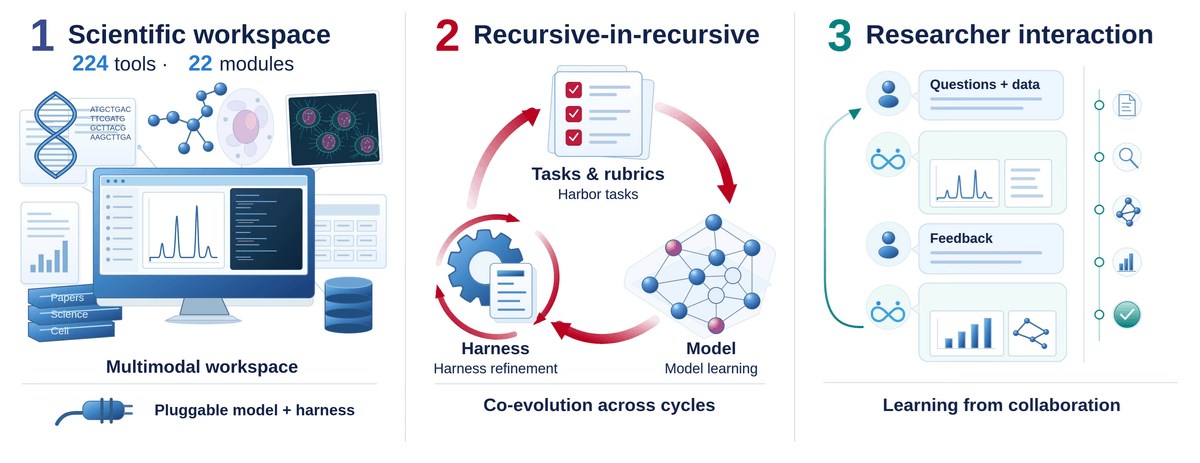
ScienceBuddy is designed to improve through researcher collaboration. It converts requests, feedback and execution records from research sessions into scientific tasks and evaluation criteria, which are then used to refine both the software procedures that guide the AI agent and the model that carries out the work.
To view an enhanced version of this graphic, please visit:
https://images.newsfilecorp.com/files/12530/315717_9905a2a234ea6911_00 ...
ScienceBuddy combines researcher dialogue, scientific tools, execution records, and analysis artifacts in one persistent workspace. It includes 224 tools across 22 functional modules spanning genomics, molecular and cancer biology, pharmacology, bioimaging, literature retrieval, and database queries. Although its input and document workflows support multiple scientific domains, its current tools and data focus on biomedicine.
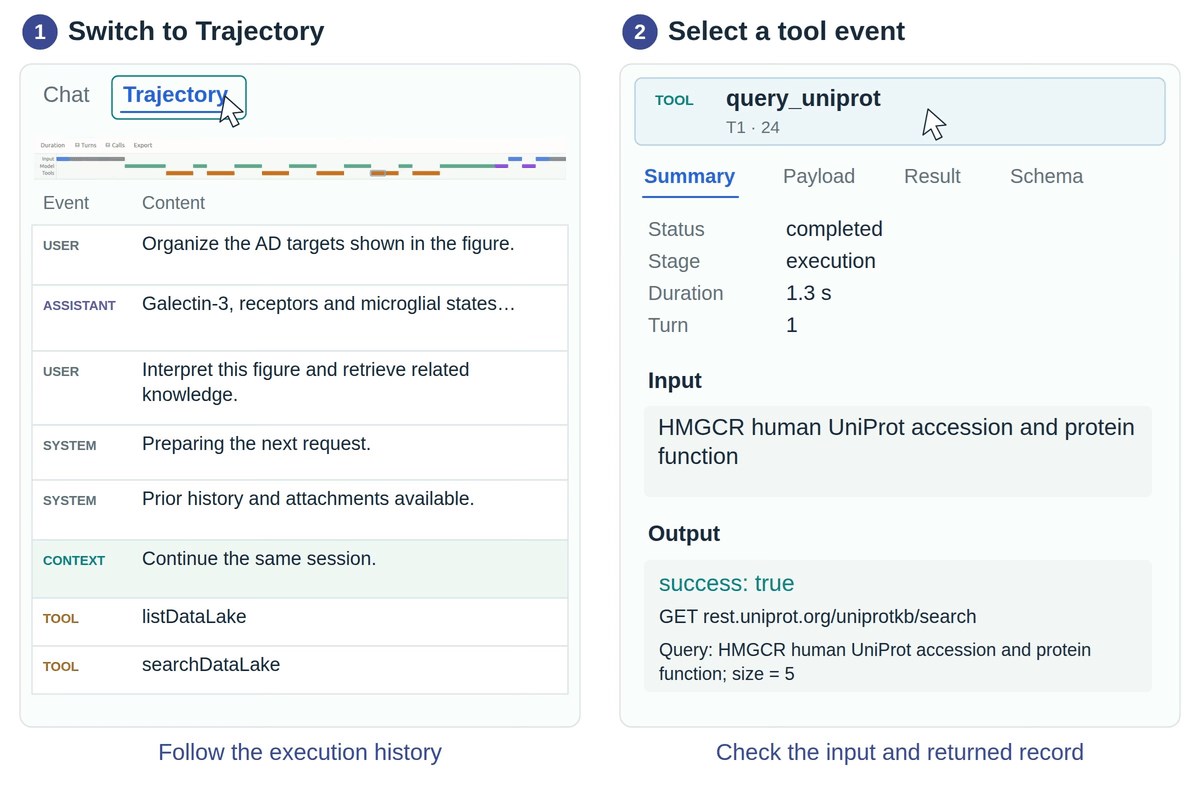
A researcher can upload a figure and ask the agent to interpret it, retrieve literature and protein information to connect claims with evidence, and narrow the scope or request a different comparison. The work behind each response stays visible: Compute shows execution activity, Results collects generated files, and Trajectory records each tool call with its inputs and outputs.
To view an enhanced version of this graphic, please visit:
https://images.newsfilecorp.com/files/12530/315717_9905a2a234ea6911_00 ...
"Science is not only an application for AI. It can also be the environment in which the next generation of models learns," said Yingcheng Wu, co-founder and CEO of PhAI Labs. "With ScienceBuddy, the questions researchers ask and the corrections they make become part of how the system improves, both in the procedures it follows and in the model itself."


 URL kopieren
 Per E-Mail teilen
 Artikel drucken