


Araceli Biosciences and Ginkgo Bioworks Bring Cellular Imaging at Scale to Nebula's Lab-in-the-Loop
 189
 0 Kommentare
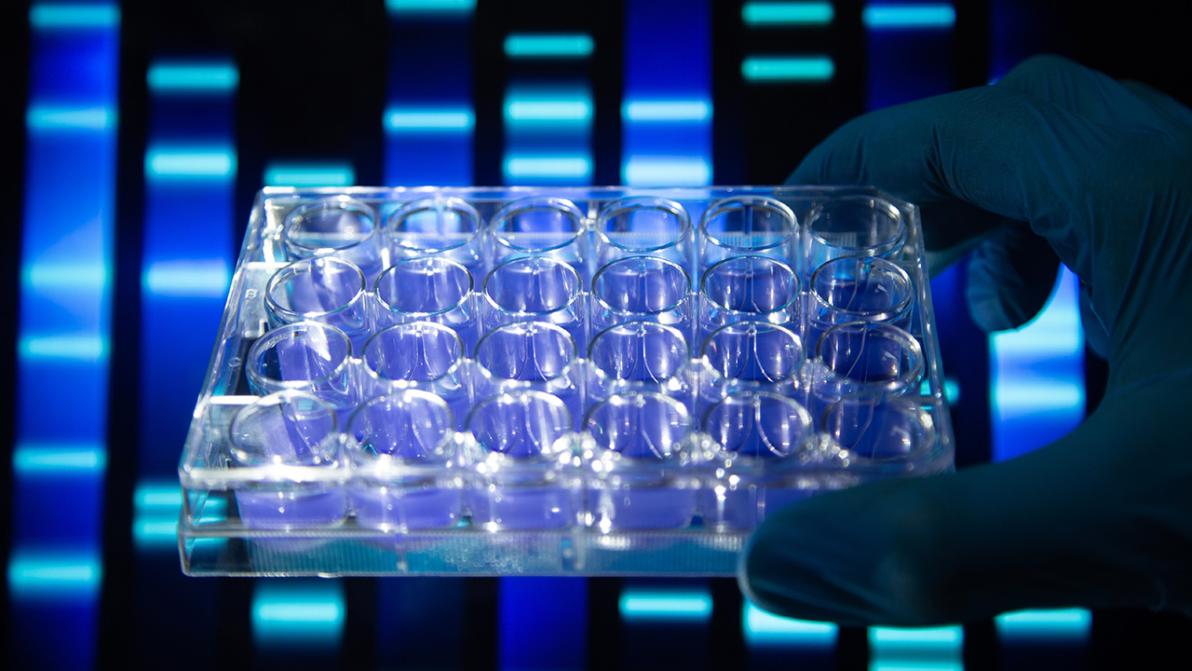
The Endeavor adds the fastest high-content cellular data generation to Ginkgo's around-the-clock research
PORTLAND, Ore. and BOSTON, Oct. 8, 2026 /PRNewswire/ -- Araceli Biosciences and Ginkgo Bioworks (NYSE: DNA) today announced the integration of Araceli's Endeavor high-content imaging instrument into Nebula, Ginkgo's autonomous lab in Boston. The Endeavor, the world's fastest high-content imaging system, brings cellular imaging with real-time analysis to Nebula's existing technologies, giving researchers the large, curated datasets needed to train and validate drug discovery AI models.
Nebula is built on Ginkgo's Reconfigurable Automation Carts (RACs). Each RAC is a modular unit that combines robotic arms, automated sample transport, and unified control software, so instruments can be added or rearranged as workflows change. Every day, dozens of scientists use the 100+ RACs on Nebula for real research, submitting protocols and getting their data the next day. Nebula does the work of many scientists autonomously and in parallel, running day and night and using around a third of the space as a traditional lab bench would need for the same work. .
Imaging a 1536-well plate in under four minutes, the Endeavor is integrated into Nebula's RAC-based system and runs continuously alongside its always-on experiments. With Araceli's ClaireRT software, the Endeavor analyzes every well as the image is captured. When a well falls outside defined criteria, the system can alert operators or Nebula, or halt imaging so issues are addressed before the experiment continues.
"The next generation of AI in drug discovery needs a completely different scale of biological data," said Matt Beaudet, President and CEO of Araceli Biosciences. "The lab itself is changing. It now generates cellular data, interprets what it sees, and responds in real time. Ginkgo is doing that with Nebula, and Araceli brings high content imaging and real-time analysis into that loop at massive scale."
"An autonomous lab gets more valuable every time you add a best-in-class instrument to it," said Jason Kelly, co-founder and CEO of Ginkgo Bioworks. "With your own autonomous lab, any of your scientists can access the Endeavor's best-in-class high-content imaging and connect it effortlessly to all of your other instruments. That's what you get with an autonomous lab: the best tools in biology, connected into one system on the same software, running your experiments 24/7."


 URL kopieren
 Per E-Mail teilen
 Artikel drucken
