






GWG Megatrend Rare Earth - Seltene Erden - 500 Beiträge pro Seite (Seite 21)
eröffnet am 03.04.07 23:12:17 von
neuester Beitrag 26.07.17 10:52:19 von
neuester Beitrag 26.07.17 10:52:19 von
Beiträge: 10.226
ID: 1.122.587
ID: 1.122.587
Aufrufe heute: 19
Gesamt: 884.731
Gesamt: 884.731
Aktive User: 0
250,00
USD
0,00 %
0,00 USD
Letzter Kurs 18.05.18 JM Base Price
Neuigkeiten
20.02.24 · Mining Investor Anzeige |
02.12.23 · Mining Investor Anzeige |
28.09.23 · Mining Investor Anzeige |
27.09.23 · PR Newswire (engl.)  |
27.04.23 · globenewswire |

 Feedback
Ich weis ja nicht wie weit ihr Star Minerals Group verfolgt.
Die haben ja jetzt unser Hoidas Projekt (bis zu 51% wenn sie eine BFS bis 2018 schaffen)
http://www.starminerals.ca/s/Board.asp
Sind jetzt alle wieder versammelt
Jim und Gary,
der Baodong Zhao als Adviser genauso wie der Pearson,
wie immer der Honorable Mr Knight auch die Sekretärin
und der japanische Berater Kaz Machida.
Nur den Kauf von GWTI hab ich noch nicht gefunden - den hält wohl vorerst eine Sockenpuppe.
Das Logo sieht auch nach GWG aus.
Und Mr. Kennedy von LCM fehlt noch. :-) sonst alles wie gehabt.
Alle lustig und munter.
http://sedar.com/DisplayCompanyDocuments.do?lang=EN&issuerNo…
Die haben ja jetzt unser Hoidas Projekt (bis zu 51% wenn sie eine BFS bis 2018 schaffen)
http://www.starminerals.ca/s/Board.asp
Sind jetzt alle wieder versammelt
Jim und Gary,
der Baodong Zhao als Adviser genauso wie der Pearson,
wie immer der Honorable Mr Knight auch die Sekretärin
und der japanische Berater Kaz Machida.
Nur den Kauf von GWTI hab ich noch nicht gefunden - den hält wohl vorerst eine Sockenpuppe.
Das Logo sieht auch nach GWG aus.
Und Mr. Kennedy von LCM fehlt noch. :-) sonst alles wie gehabt.
Alle lustig und munter.
http://sedar.com/DisplayCompanyDocuments.do?lang=EN&issuerNo…
Antwort auf Beitrag Nr.: 47.251.006 von 4now am 03.07.14 00:13:36Wie interpretierst du das?
Neue Lahmarschbude, die dem ausrangierten Rentnertrupp die Kohle in den Allerwertesten bläst?
Neue Lahmarschbude, die dem ausrangierten Rentnertrupp die Kohle in den Allerwertesten bläst?
Zitat von Krawallo29: Wie interpretierst du das?
Neue Lahmarschbude, die dem ausrangierten Rentnertrupp die Kohle in den Allerwertesten bläst?
Ist doch einfach zu interpretieren. Das sind alles Abzocker, die in gemeinsamer Sache irgendwelche Luftnummerbuden aufpolieren und besetzen, um dummen Lemmingen das Geld aus der Tasche zu ziehen. Hinterlassen nur verbranntes Land. Warum kann man solche Firmen nicht shorten?

so eine sauerei, du wirst einfach nicht bedient bei 0,07 cad, okay heute kein volumen!!
Trading Spotlight
...nun endlich scheint sich hier wieder etwas zu tun.Dennoch habe ich noch einen weiten Weg bis zu meinem EK. **grins**
Antwort auf Beitrag Nr.: 47.361.264 von Carola11 am 23.07.14 22:01:44und was genau tut sich ?? hab ich was verpasst ?
Ja genau, hier tut sich was 

.......Was?
Das Volumen steigt stetig...

Antwort auf Beitrag Nr.: 47.410.136 von videomart2 am 31.07.14 18:50:01Letzte Einkaufs-Chance vor dem Ausbruch?
ja die ubs hat heute auch für mich gekauft, meine bank wickelt über sie ab, erstaunlich wie viel die heute kaufen, alles nach europa!!
Antwort auf Beitrag Nr.: 47.419.032 von CFalko am 01.08.14 19:40:03ja da kannst du recht haben, meine gewünschten 0,07cad sind schnee von gestern, deshalb ich auch gestern bei 0,085cad zugegriffen, eine ganz spezielle trading-position für mich!
Zitat von nicolani: ja da kannst du recht haben, meine gewünschten 0,07cad sind schnee von gestern, deshalb ich auch gestern bei 0,085cad zugegriffen, eine ganz spezielle trading-position für mich!
Der Laden ist im Moment doch scheintot, wie um alles in der Welt willst du hier traden?
Die Zahlen Mitte des Monats werden sicherlich auch nicht der Brüller werden
Finanzierung
Steens online
Sepa-Plant
Antwort auf Beitrag Nr.: 47.453.020 von Krawallo29 am 07.08.14 09:19:40speziell deshalb, weil ich von ausgehe, dass, aus welchen gründen auch immer, der kurs mal wieder anspringt und dann so 30 bis 40% gewinn drin sind, meine longis bleiben sowieso unberührt!
Quartalszahlen
https://irm.ipreo.com/OpenFileLink.aspx?ID1=805bf689-e80f-47…
Nur mehr 13Mill Cash. Nichts Neues von der Finanzierung
https://irm.ipreo.com/OpenFileLink.aspx?ID1=805bf689-e80f-47…
Nur mehr 13Mill Cash. Nichts Neues von der Finanzierung
ganz nette Zusammenfassung auf seeking alpha, nicht schlecht wenn solche Artikel die Leute wieder aufmerksam machen:
http://seekingalpha.com/article/2413895-great-western-minera…
http://seekingalpha.com/article/2413895-great-western-minera…
Antwort auf Beitrag Nr.: 47.510.362 von prallhans am 14.08.14 07:00:22M.E. exzellenter Artikel !
Danke für den Hinweis !
LG keyar
Danke für den Hinweis !
LG keyar
Zitat von Krawallo29:Zitat von nicolani: ja da kannst du recht haben, meine gewünschten 0,07cad sind schnee von gestern, deshalb ich auch gestern bei 0,085cad zugegriffen, eine ganz spezielle trading-position für mich!
Der Laden ist im Moment doch scheintot, wie um alles in der Welt willst du hier traden?
Die Zahlen Mitte des Monats werden sicherlich auch nicht der Brüller werden
Finanzierung
Steens online
Sepa-Plant
Alles wie gehabt! Also weiterschlafen

money burns...everywhere.

Antwort auf Beitrag Nr.: 47.512.627 von websin am 14.08.14 10:28:22strong Q2:
http://seekingalpha.com/article/2429375-update-great-western…
http://seekingalpha.com/article/2429375-update-great-western…
Sodala, endlich mal etwas Realitätssinn
Great Western and the Parable of the Headless Milliner
Back in my Argentine days, I dealt regularly with an Australian, also in Argentina, who was trying to float various schemes over a series of years with zero success. Eventually my business partner’s wife blurted out at a social event a truism in Spanish which had everyone (except the Australian) rolling around laughing. She had said that the guy was so unlucky that if he decided to make hats people would be born without heads…and that pretty much summed him up..
The thought comes to mind with regard to Great Western Minerals. This company was the Ur-Rare Earth stock. It was a Rare Earth company before there were REE companies. So how come it is now such an also-ran?
- See more at: http://investorintel.com/rare-earth-intel/great-western-para…
http://investorintel.com/rare-earth-intel/great-western-para…
Great Western and the Parable of the Headless Milliner
Back in my Argentine days, I dealt regularly with an Australian, also in Argentina, who was trying to float various schemes over a series of years with zero success. Eventually my business partner’s wife blurted out at a social event a truism in Spanish which had everyone (except the Australian) rolling around laughing. She had said that the guy was so unlucky that if he decided to make hats people would be born without heads…and that pretty much summed him up..
The thought comes to mind with regard to Great Western Minerals. This company was the Ur-Rare Earth stock. It was a Rare Earth company before there were REE companies. So how come it is now such an also-ran?
- See more at: http://investorintel.com/rare-earth-intel/great-western-para…
http://investorintel.com/rare-earth-intel/great-western-para…
POL (TÜV 09.2016)
Bei Lynas tut sich mal was fundamentales.
Kann eine gute Basis für die weitere Entwicklung bzgl.
- Umschuldung
- Weitere Kunden Aquisition
sein
Somit ist eigentlich bis auf die REE-Preise alles im Flow.
Lynas hat seine Hausaufgaben gemacht und zahlen die (weiteren) Kunden nun den Qualitätspreis geht es noch schneller voran.
Was anzumerken ist, ist dass das Marketing wirklich schlecht läuft, trotz einer gut vernetzten Frau an der Spitze.
VG, Websin
Bei Lynas tut sich mal was fundamentales.
Kann eine gute Basis für die weitere Entwicklung bzgl.
- Umschuldung
- Weitere Kunden Aquisition
sein
Somit ist eigentlich bis auf die REE-Preise
 alles im Flow.
Lynas hat seine Hausaufgaben gemacht und zahlen die (weiteren) Kunden nun den Qualitätspreis geht es noch schneller voran.
Was anzumerken ist, ist dass das Marketing wirklich schlecht läuft, trotz einer gut vernetzten Frau an der Spitze.
VG, Websin
es gibt News:
1.) Versucht man mit den Anleihenbesitzern eine Umstrukturierung der Schulden zu vereinbaren.
2.) Hat man den MOU mit dem nicht genannten Fremdseparierer aufgelöst da dieser exklusiv für diesen Fremdseparierer galt und man nun auch mit anderen verhandeln will können.
Naja mich interessiert mehr eine mögliche Finanzierung - aber da geht wohl nichts weiter.
Meine Meinung ? Dieser Le Vier ist genauso eine Vollpfeife. Anstatt mal Nägel mit Köpfen zu machen wird alles schön in die Länge gezogen damit der eigene Vorruhestand gesichert ist.
Meiner Meinung nach ist er auch Fehl am Platz weil Metallurgie und Feasibility Großteils gebacken sind. Jetzt bräuchte man einen der das Ganze verkaufen kann.
Immerhin scheint man vom 2 monatigen Sommerurlaub zurückgekommen zu sein.
Nur keinen Stress mir werden auch dieses Jahr runterbiegen ohne uns zu bewegen ?
1.) Versucht man mit den Anleihenbesitzern eine Umstrukturierung der Schulden zu vereinbaren.
2.) Hat man den MOU mit dem nicht genannten Fremdseparierer aufgelöst da dieser exklusiv für diesen Fremdseparierer galt und man nun auch mit anderen verhandeln will können.
Naja mich interessiert mehr eine mögliche Finanzierung - aber da geht wohl nichts weiter.
Meine Meinung ? Dieser Le Vier ist genauso eine Vollpfeife. Anstatt mal Nägel mit Köpfen zu machen wird alles schön in die Länge gezogen damit der eigene Vorruhestand gesichert ist.
Meiner Meinung nach ist er auch Fehl am Platz weil Metallurgie und Feasibility Großteils gebacken sind. Jetzt bräuchte man einen der das Ganze verkaufen kann.
Immerhin scheint man vom 2 monatigen Sommerurlaub zurückgekommen zu sein.
Nur keinen Stress mir werden auch dieses Jahr runterbiegen ohne uns zu bewegen ?
!
Dieser Beitrag wurde von MODelfin moderiert. Grund: Spam, Werbung
Nicht viel los, oder; Lynas spricht ueber other investment opportunities, Lifton nennt wieder mal southern Africa. Und GWG laesst MOU beenden. Zufall?
//Fewbucks
//Fewbucks
wars das jetzt ? die bude dürfte nun tot sein.
Antwort auf Beitrag Nr.: 47.847.506 von gunsi84 am 22.09.14 22:07:07

Was veranlasst dich zu dieser Äußerung?
Scheintot vielleicht, aber wirklich tot? Da müssen sich noch zu viele ihren breiten Hintern noch breiter sitzen!
Zitat von gunsi84: wars das jetzt ? die bude dürfte nun tot sein.
Was veranlasst dich zu dieser Äußerung?
Scheintot vielleicht, aber wirklich tot? Da müssen sich noch zu viele ihren breiten Hintern noch breiter sitzen!
http://investors.morningstar.com/ownership/shareholders-majo…
war nur ein schmalles Hintern.
//Fewbucks
war nur ein schmalles Hintern.
//Fewbucks
Antwort auf Beitrag Nr.: 47.853.305 von fewbucks am 23.09.14 14:39:13
Zitat von fewbucks: http://investors.morningstar.com/ownership/shareholders-majo…
war nur ein schmalles Hintern.
//Fewbucks
Ich meinte UBS global asset management UK hat 1.8 M Aktien verkauft, aber jetzt das ganze Paket von 3.9 M. Das ist weniger als 1% der Totalsumme.
Eine Fragezeigen haette gereicht.
//Fewbucks
Eine Fragezeigen haette gereicht.
//Fewbucks
Antwort auf Beitrag Nr.: 47.878.559 von fewbucks am 25.09.14 21:00:52
Ja, das mit dem Verkauf war mir schon klar...
Nur was soll der "schmalles Hintern"?
PS: Meinungen zum momentanen REE-Markt?
PPS: Lynas?
PPPS: Molycorp?
PPPPS: 4now?
PPPPPS: Langstrumpf2?
PPPPPPS: FaxenClown?
PPPPPPPS: Gute Nacht!
Zitat von fewbucks: Ich meinte UBS global asset management UK hat 1.8 M Aktien verkauft, aber jetzt das ganze Paket von 3.9 M. Das ist weniger als 1% der Totalsumme.
Eine Fragezeigen haette gereicht.
//Fewbucks
Ja, das mit dem Verkauf war mir schon klar...
Nur was soll der "schmalles Hintern"?

PS: Meinungen zum momentanen REE-Markt?
PPS: Lynas?
PPPS: Molycorp?
PPPPS: 4now?
PPPPPS: Langstrumpf2?
PPPPPPS: FaxenClown?
PPPPPPPS: Gute Nacht!
Lynas? Wird man vermutlich morgen sehen wenn der Th aufgehoben wird was die Anstrengungen wert sind bzgl. Kurskosmetik.
Lynas Fakten:
TOL=POL
Finanzierung=Gesichert bzw. Verlängerung
Management= kurzfristige Aufgaben erledigt
TOL=POL
Finanzierung=Gesichert bzw. Verlängerung
Management= kurzfristige Aufgaben erledigt
bei GWG erhöhtes Volumen die Tage und heute dickes Plus. Kauft sich da wer gezielt ein?
Antwort auf Beitrag Nr.: 47.878.844 von websin am 25.09.14 21:40:55
@prallhans: Der 20 % Aufschlag an der Heimatbörse liest sich zwar gut, aber an der Anzahl der Baustellen hat sich nichts geändert...
Zitat von websin: Lynas Fakten:
TOL=POL
Finanzierung=Gesichert bzw. Verlängerung
Das mag schon sein, aber zu welchem Preis? Die Anteilseigner sind ja jetzt schon in Grund und Boden verwässert...
Management= kurzfristige Aufgaben erledigt
Auch darüber ließe sich trefflich streiten...
@prallhans: Der 20 % Aufschlag an der Heimatbörse liest sich zwar gut, aber an der Anzahl der Baustellen hat sich nichts geändert...
Antwort auf Beitrag Nr.: 47.882.228 von Krawallo29 am 26.09.14 10:55:02
Zitat von Krawallo29:Zitat von websin: Lynas Fakten:
TOL=POL
Finanzierung=Gesichert bzw. Verlängerung
Das mag schon sein, aber zu welchem Preis? Die Anteilseigner sind ja jetzt schon in Grund und Boden verwässert...
>>> Richtig. Da gibt es nichts schönzureden. Man kann eigentlich nur hoffen dass man den eigenen EK nochmal erreicht.
Management= kurzfristige Aufgaben erledigt
Auch darüber ließe sich trefflich streiten...
>>> Amanda L. hat gezeigt dass es tatsächlich eine Handlungsfähigkeit geben kann. Mit EN wurde retrospektiv nur das Phrasenschwein gefüttert.
Ich hoffe für die Longies hier auch mal Fortschritte.
Alle REEs hängen an fehlender Finanzierung aufgrund der niedrigen Marktpreise. Dazu die eigene Produktionsfähigkeit als auch den Qualiprodukten die rauskommen. Die Drehschraube zwischen Erfolg und Misserfolg. Es bleibt spannend.
Warum Molycorp immer noch so viel wert ist erschliesst sich mir nicht.
Sie kommen aber langsam in realistische Gefilde. Fair wäre m M n 0,35€. Es gibt keinen grund warum die Aktie noch so hoch steht.
Alle REEs hängen an fehlender Finanzierung aufgrund der niedrigen Marktpreise. Dazu die eigene Produktionsfähigkeit als auch den Qualiprodukten die rauskommen. Die Drehschraube zwischen Erfolg und Misserfolg. Es bleibt spannend.
Warum Molycorp immer noch so viel wert ist erschliesst sich mir nicht.
Sie kommen aber langsam in realistische Gefilde. Fair wäre m M n 0,35€. Es gibt keinen grund warum die Aktie noch so hoch steht.
Antwort auf Beitrag Nr.: 47.882.228 von Krawallo29 am 26.09.14 10:55:02
Und wieder weg...
Das Management, also die mit den goldenen Löffeln im Mund, verhält sich unauffällig. Wäre ich ein Pusher, würde ich sagen: Da ist was im Busch!
Dabei dachte ich das LeVier mehr drauf hat, als nur Zahnbelag
Zitat von Krawallo29: @prallhans: Der 20 % Aufschlag an der Heimatbörse liest sich zwar gut, aber an der Anzahl der Baustellen hat sich nichts geändert...
Und wieder weg...
Das Management, also die mit den goldenen Löffeln im Mund, verhält sich unauffällig. Wäre ich ein Pusher, würde ich sagen: Da ist was im Busch!
Dabei dachte ich das LeVier mehr drauf hat, als nur Zahnbelag
Ja kann man oder soll man hier noch zukaufen und verbilligen, ich versuchs mal nächste Woche, wer weiss, habe dabei aber kein wirklich gutes Gefühl!
Antwort auf Beitrag Nr.: 47.890.187 von nicolani am 27.09.14 11:25:41
Bezüglich?
Zitat von nicolani: Ja kann man oder soll man hier noch zukaufen und verbilligen, ich versuchs mal nächste Woche, wer weiss, habe dabei aber kein wirklich gutes Gefühl!
Bezüglich?
Never catch a falling knife! Aber irgendwo ist Ende!
Ist schon grausam, wo wir mittlerweile stehen....

bei 1 cent haben wir noch eine MK von 4,2 mio!
03.10.2014 07:07 | The Gold Report
Richard Karn: Zombie-Aktien bei Spezialmetallen meiden
Aus einem Interview mit Richard Karn:
Im vergangenen Fiskaljahr (Ende 30. Juni 2014) gingen ca. 150 Minenunternehmen, die an der Australian Stock Exchange gelistet waren, eigenkapitallos bankrott, seither sind 23 weitere hinzugekommen. Richard Karn, Chefredakteur des “Emerging Trends Report“, zufolge, dürfte sich zum Quartalsende (30.September) eine neue Bankrottwelle zeigen. Doch nicht für alle Spezialmetall-Unternehmen aus Australien ist die Situation so düster. In diesem Interview mit dem Gold Report gewährt Karn einen Einblick in die Frage, wie Bergbauunternehmen diese Welle möglicherweise überleben können.
.....
.....
Eine Sache geht an den Märkten etwas unter, und zwar die Tatsache, dass viele, möglicherweise sogar die meisten der heutigen Fortschrittstechnologien - ob nun Unterhaltungs- und Haushaltselektronik, Transporttechnologie, erneuerbare Energien oder militärische Ausrüstung - stark von einem ununterbrochenen Zufluss verschiedenster Spezialmetalle abhängig sind.
Angesichts der Spannungen im Nahen Osten und Nordafrika, angesichts einer Aufrüstung der Nationen im südchinesischen Meer, mit ihren gegenseitigen Gebietsansprüchen (an erster Stelle China und Japan) und angesichts der zahlreichen potentiellen Konflikte, die überall auf der Welt entstehen, dürfte klar sein, dass mehr als jemals zuvor die sichere Versorgung mit Spezialmetallen von oberster Priorität sein müsste.
Sollte ein Krieg ausbrechen - das sagt einem der gesunde Menschenverstand und auch die Beispiele aus der Geschichte -, werden die ersten Opfer die Globalisierung, die Ansätze der freien Marktwirtschaft und auch die “Just-In-Time-Lieferketten“ sein.
Falls es in Chinas strategischem Interesse läge, den Export von Seltenerdelementen, Wolfram, Antimon oder Graphit auszusetzen - um nur einige der vielen Spezialmetallmärkte unter chinesischer Kontrolle zu nennen -, die zudem gerade für militärischen Anwendungen essentiell sind, dann könnte keiner was dagegen tun.
Von den 50 Spezialmetallen, mit denen wir uns genauer beschäftigen, könnten allein in Australien, dank der einzigartigen geologischen Voraussetzungen, 40 wirtschaftlich produziert werden!
Über diesen Trend schreiben wir nun schon ganze sechs Jahre, aber abgesehen von einer kurzen Periode (Mitte 2010 bis Ende 2011 im Rahmen einer panischen Reaktion auf die Aussetzung der chinesischen Seltenerdelieferungen an Japan), hat das Abebben der Globalen Finanzkrise für allgemein sinkende Attraktivität von Bergbauprojekten am Markt gesorgt, und das betraft auch die Spezialmetallprojekte. Hier braucht es langfristige Kapitalzuwendungen und auch kontinuierliche Anstrengungen auf dem Weg zur profitablen Produktion.
Die Liquiditätsflut, die seit 2008 auf der Suche nach Gewinnen rund um den Planeten zischt, verfolgt allem Anschein nach nur kurzfristige Investitionsperspektiven, im Großen und Ganzen fallen Bergbauprojekte damit unter den Tisch.
Also in dieser Hinsicht hat sich nichts bewegt. Es wird viel geredet, großes bürokratisches Gehabe und fast schon lustiges Geplapper; Beschwerden der Welthandelsorganisation werden ignoriert und unfaire Geschäftspraktiken fortgeführt, aber es wurde nichts getan. Je länger das so weitergeht, desto verletzlicher wird der Westen werden.
Die Kursspitzen bei Spezialmetallen, unter denen der Westen 2010/2011 aufgrund der panischen Reaktionen auf die Lieferbeschränkungen von Seltenerdelementen aus China litt, werden uns minimal erscheinen im Vergleich zu dem, was man im Fall eines “heißen Krieges” zu erwarten ist.
Etwas anderes zu erwarten, wäre einfach nur naiv.
Vollständig http://www.goldseiten.de/artikel/221147--Richard-Karn~-Zombi…
The Gold Report: Danke für die einsichtsreichen Informationen.
Richard Karn: Zombie-Aktien bei Spezialmetallen meiden
Aus einem Interview mit Richard Karn:
Im vergangenen Fiskaljahr (Ende 30. Juni 2014) gingen ca. 150 Minenunternehmen, die an der Australian Stock Exchange gelistet waren, eigenkapitallos bankrott, seither sind 23 weitere hinzugekommen. Richard Karn, Chefredakteur des “Emerging Trends Report“, zufolge, dürfte sich zum Quartalsende (30.September) eine neue Bankrottwelle zeigen. Doch nicht für alle Spezialmetall-Unternehmen aus Australien ist die Situation so düster. In diesem Interview mit dem Gold Report gewährt Karn einen Einblick in die Frage, wie Bergbauunternehmen diese Welle möglicherweise überleben können.
.....
.....
Eine Sache geht an den Märkten etwas unter, und zwar die Tatsache, dass viele, möglicherweise sogar die meisten der heutigen Fortschrittstechnologien - ob nun Unterhaltungs- und Haushaltselektronik, Transporttechnologie, erneuerbare Energien oder militärische Ausrüstung - stark von einem ununterbrochenen Zufluss verschiedenster Spezialmetalle abhängig sind.
Angesichts der Spannungen im Nahen Osten und Nordafrika, angesichts einer Aufrüstung der Nationen im südchinesischen Meer, mit ihren gegenseitigen Gebietsansprüchen (an erster Stelle China und Japan) und angesichts der zahlreichen potentiellen Konflikte, die überall auf der Welt entstehen, dürfte klar sein, dass mehr als jemals zuvor die sichere Versorgung mit Spezialmetallen von oberster Priorität sein müsste.
Sollte ein Krieg ausbrechen - das sagt einem der gesunde Menschenverstand und auch die Beispiele aus der Geschichte -, werden die ersten Opfer die Globalisierung, die Ansätze der freien Marktwirtschaft und auch die “Just-In-Time-Lieferketten“ sein.
Falls es in Chinas strategischem Interesse läge, den Export von Seltenerdelementen, Wolfram, Antimon oder Graphit auszusetzen - um nur einige der vielen Spezialmetallmärkte unter chinesischer Kontrolle zu nennen -, die zudem gerade für militärischen Anwendungen essentiell sind, dann könnte keiner was dagegen tun.
Von den 50 Spezialmetallen, mit denen wir uns genauer beschäftigen, könnten allein in Australien, dank der einzigartigen geologischen Voraussetzungen, 40 wirtschaftlich produziert werden!
Über diesen Trend schreiben wir nun schon ganze sechs Jahre, aber abgesehen von einer kurzen Periode (Mitte 2010 bis Ende 2011 im Rahmen einer panischen Reaktion auf die Aussetzung der chinesischen Seltenerdelieferungen an Japan), hat das Abebben der Globalen Finanzkrise für allgemein sinkende Attraktivität von Bergbauprojekten am Markt gesorgt, und das betraft auch die Spezialmetallprojekte. Hier braucht es langfristige Kapitalzuwendungen und auch kontinuierliche Anstrengungen auf dem Weg zur profitablen Produktion.
Die Liquiditätsflut, die seit 2008 auf der Suche nach Gewinnen rund um den Planeten zischt, verfolgt allem Anschein nach nur kurzfristige Investitionsperspektiven, im Großen und Ganzen fallen Bergbauprojekte damit unter den Tisch.
Also in dieser Hinsicht hat sich nichts bewegt. Es wird viel geredet, großes bürokratisches Gehabe und fast schon lustiges Geplapper; Beschwerden der Welthandelsorganisation werden ignoriert und unfaire Geschäftspraktiken fortgeführt, aber es wurde nichts getan. Je länger das so weitergeht, desto verletzlicher wird der Westen werden.
Die Kursspitzen bei Spezialmetallen, unter denen der Westen 2010/2011 aufgrund der panischen Reaktionen auf die Lieferbeschränkungen von Seltenerdelementen aus China litt, werden uns minimal erscheinen im Vergleich zu dem, was man im Fall eines “heißen Krieges” zu erwarten ist.
Etwas anderes zu erwarten, wäre einfach nur naiv.
Vollständig http://www.goldseiten.de/artikel/221147--Richard-Karn~-Zombi…
The Gold Report: Danke für die einsichtsreichen Informationen.
Antwort auf Beitrag Nr.: 38.731.142 von wattnu am 13.01.10 21:26:00 im Gedenken an einen Visionär...
...der seinerzeit von der "Austriafraktion" dauernd und unfair attackiert wurde...
alles nachzulesen in diesem thread...
JB
 im Gedenken an einen Visionär...
Zitat von wattnu: Hi Fritz
...danke verbindlich für den Hinweis.
Dennoch ist die Sorge wohl unbegründet. Die Wahrheit kann doch gar nicht beleidigend sein.
Und jetzt zurück zur Sache, sprich Aktie und GWG.
Bei 97% REE in chinesischer Hand - so ist wohl der allgemeine Tenor - kann ein Engagement in GWG doch getrost als exotisch betrachtet werden. Sollten "die Chinesen" GWG (welch eine Idee, strotzend vor Grössenwahn) wirklich als Konkurrenz betrachten, die sie ausschalten wollten , würden staatlich dirigierte Dumpingpreise für chinesische REE-Produkte, ruck zuck den "Todesstoss" für GWG und ähnliche Klitschen bedeuten.
Gruß wattnu
+++ Meine Meinung und keine Kaufempfehlung +++
...der seinerzeit von der "Austriafraktion" dauernd und unfair attackiert wurde...
alles nachzulesen in diesem thread...
JB

Ich denke, das hier haben sicherlich alle gelesen: https://db.tt/Hxlt3iGn
Kleiner Auszug:
"Dr. Irwin Kremen: Sir, I don’t think the Company should give up. The Company’s too good to give up and one must go forward. Now, I understand that UBS has been accumulating shares for some reason and CIBC also. I wonder if you could provide us with any information with regard to their interest in the Company."
"Marc LeVier: We don’t manage the market. We manage our business. That’s what we focus on. Who’s buying? We hope everybody buys, but the bottom line is we’re just managing our business."
Kleiner Auszug:
"Dr. Irwin Kremen: Sir, I don’t think the Company should give up. The Company’s too good to give up and one must go forward. Now, I understand that UBS has been accumulating shares for some reason and CIBC also. I wonder if you could provide us with any information with regard to their interest in the Company."
"Marc LeVier: We don’t manage the market. We manage our business. That’s what we focus on. Who’s buying? We hope everybody buys, but the bottom line is we’re just managing our business."
Wo ist denn der Threaderöffner?
Antwort auf Beitrag Nr.: 47.994.541 von Langstrumpf2 am 10.10.14 10:22:12
Nichtssagendes Bla Bla!
Wo sind die Fortschritte?
1. Keine Finanzierung!
2. Keine Mine online!
3. Keine Sepa Plant online!
4. Der Kurs dementsprechend irgendwo im UG 45
Fazit: Dampfblaudara
Zitat von Langstrumpf2: Ich denke, das hier haben sicherlich alle gelesen: https://db.tt/Hxlt3iGn
Kleiner Auszug:
"Dr. Irwin Kremen: Sir, I don’t think the Company should give up. The Company’s too good to give up and one must go forward. Now, I understand that UBS has been accumulating shares for some reason and CIBC also. I wonder if you could provide us with any information with regard to their interest in the Company."
"Marc LeVier: We don’t manage the market. We manage our business. That’s what we focus on. Who’s buying? We hope everybody buys, but the bottom line is we’re just managing our business."
Nichtssagendes Bla Bla!
Wo sind die Fortschritte?
1. Keine Finanzierung!
2. Keine Mine online!
3. Keine Sepa Plant online!
4. Der Kurs dementsprechend irgendwo im UG 45
Fazit: Dampfblaudara
Antwort auf Beitrag Nr.: 47.995.126 von Krawallo29 am 10.10.14 11:08:20Ja, wieder ein verschenktes Jahr.
Und die Zeiten werden nicht besser...
Und die Zeiten werden nicht besser...
Antwort auf Beitrag Nr.: 47.996.404 von Miser am 10.10.14 12:24:17
Mittlerweile 5 verschenkte Jahre!
Zitat von Miser: Ja, wieder ein verschenktes Jahr.
Und die Zeiten werden nicht besser...
Mittlerweile 5 verschenkte Jahre!
Antwort auf Beitrag Nr.: 47.994.694 von websin am 10.10.14 10:36:01
kann man ja heutzutage alles checken:
4now; Offline seit 17.09.14, 09:12
Ein Schelm, der böses...
Zitat von websin: Wo ist denn der Threaderöffner?
kann man ja heutzutage alles checken:
4now; Offline seit 17.09.14, 09:12
Ein Schelm, der böses...
Nur wer ist der Schelm :-)
Antwort auf Beitrag Nr.: 48.062.323 von 4now am 17.10.14 08:16:06Servus!
Wie siehst du denn die aktuelle Lage? Rosig wohl kaum
Wie siehst du denn die aktuelle Lage? Rosig wohl kaum
Antwort auf Beitrag Nr.: 48.069.520 von Krawallo29 am 17.10.14 18:37:07hi kwo, was ist rosig, noch nie war die zeit so rosig wie heute, alles hat seinen lauf, im augenblick sind's die oilis und morgen kommen die...und irgendwann sind wir wieder dran, allerdings stellt sich frage des durchhaltevermögens, aber ich denke wir sind gut aufgestellt, auch mit lcm!
Ich seh das wie crissie im von Langstrumpf eingestellten Protokoll vom August .
Am 30 Juni waren 13 Mill vorhanden . Es reicht also noch für 2-3 Quartale ohne neuen Investor oder Kapitalerhöhung.
Management zeigt sich bemüht, aber im Unterschied zu vor einem Jahr fehlen Sätze wie wir werden bis Herbst 2014 finanziert sein. Aus der Antwort des Finanzmanagers schliesse ich ebenfalls dass er kaum was in Aussicht hat.
Ich nehme nicht an das LCM so viel mehr verkaufen wird das sie die 3 Millionen Zinszahlungen aus dem Cash Flow bedienen können. Die Volumensteigerungen bei LCM sind ja nur Low Margin Produkte.
All das Gequatsche von den Supertollen Qualitäten die nur sie können und den Aufträgen die dann kommen werden wenn sie neue Öfen haben,... Vorraussetzung wäre dafür Steenkampskraal.
Da fehlen jetzt aber immer noch Genehmigungen und Studien obwohl wir ja schon seit einem Jahr in Produktion sein sollten.
Die Metallurgie zu verlängern ist das eine. Deshalb aber auch bei den Genehmigungen nichts weiterzubringen hängt nicht zusammen.
Ich weis nicht ob sie uns nur los werden wollen , aber vermutlich sind sie nur einfach komplett hilflos und unfähig das Geld aufzustellen. Während MCP wieder hunderte Millionen bekam.
Man muss sich die Typen ja nur ansehen, keiner von denen macht den Eindruck als könnte er mehr als einen Würstelstand betreiben.
Ich glaube nicht das wir vor einem RE Boom stehen der uns retten könnte.
Die ganzen Wachstumsprognosen kann man sich aufs Klo pinnen.
Trotzdem kann ich mir vorstellen das sie via kleinen KE noch ein wenig weiterwurschteln.
Eine Grosse Finanzierung erwarte ich mir nicht mehr. Nicht mal eine Übernahme weil wer soll sich so ein RE Unternehmen antun? Ich glaub zwar auch dass sie das beste der ROW RE Unternehmen wären aber
Ausser MCP wird wohl keines überleben.
Le vier war vielleicht der Richtige für die Feasibility aber jetzt bräuchte es wieder Märchenerzähler wie Jim und Gary die Brieftaschen öffnen können.also ein positiver Ausgang wär eine Überraschung, erwarten kann man ihn nicht mehr.
Am 30 Juni waren 13 Mill vorhanden . Es reicht also noch für 2-3 Quartale ohne neuen Investor oder Kapitalerhöhung.
Management zeigt sich bemüht, aber im Unterschied zu vor einem Jahr fehlen Sätze wie wir werden bis Herbst 2014 finanziert sein. Aus der Antwort des Finanzmanagers schliesse ich ebenfalls dass er kaum was in Aussicht hat.
Ich nehme nicht an das LCM so viel mehr verkaufen wird das sie die 3 Millionen Zinszahlungen aus dem Cash Flow bedienen können. Die Volumensteigerungen bei LCM sind ja nur Low Margin Produkte.
All das Gequatsche von den Supertollen Qualitäten die nur sie können und den Aufträgen die dann kommen werden wenn sie neue Öfen haben,... Vorraussetzung wäre dafür Steenkampskraal.
Da fehlen jetzt aber immer noch Genehmigungen und Studien obwohl wir ja schon seit einem Jahr in Produktion sein sollten.
Die Metallurgie zu verlängern ist das eine. Deshalb aber auch bei den Genehmigungen nichts weiterzubringen hängt nicht zusammen.
Ich weis nicht ob sie uns nur los werden wollen , aber vermutlich sind sie nur einfach komplett hilflos und unfähig das Geld aufzustellen. Während MCP wieder hunderte Millionen bekam.
Man muss sich die Typen ja nur ansehen, keiner von denen macht den Eindruck als könnte er mehr als einen Würstelstand betreiben.
Ich glaube nicht das wir vor einem RE Boom stehen der uns retten könnte.
Die ganzen Wachstumsprognosen kann man sich aufs Klo pinnen.
Trotzdem kann ich mir vorstellen das sie via kleinen KE noch ein wenig weiterwurschteln.
Eine Grosse Finanzierung erwarte ich mir nicht mehr. Nicht mal eine Übernahme weil wer soll sich so ein RE Unternehmen antun? Ich glaub zwar auch dass sie das beste der ROW RE Unternehmen wären aber
Ausser MCP wird wohl keines überleben.
Le vier war vielleicht der Richtige für die Feasibility aber jetzt bräuchte es wieder Märchenerzähler wie Jim und Gary die Brieftaschen öffnen können.also ein positiver Ausgang wär eine Überraschung, erwarten kann man ihn nicht mehr.
Antwort auf Beitrag Nr.: 48.070.084 von nicolani am 17.10.14 19:37:23
Hey Nicolani!
Bei Lynas haben wir ja schon viel zu lachen in 2013/4...aber den Teil finde ich wirklich gut hier
Widerspricht sich da das rote nicht etwas mit dem grünen
Hui, der Threaderöffner ist auch aus dem GWG-Schlaf erwacht.
Zitat von nicolani: ...und irgendwann sind wir wieder dran, allerdings stellt sich frage des durchhaltevermögens, aber ich denke wir sind gut aufgestellt, auch mit lcm!
Hey Nicolani!
Bei Lynas haben wir ja schon viel zu lachen in 2013/4...aber den Teil finde ich wirklich gut hier

Widerspricht sich da das rote nicht etwas mit dem grünen
Hui, der Threaderöffner ist auch aus dem GWG-Schlaf erwacht.
Antwort auf Beitrag Nr.: 48.070.564 von 4now am 17.10.14 20:39:11Hm...
Weiterwursteln geht doch im Endeffekt unbegrenzt, so hoch ist die Cashburnrate ja nun nicht.
Zählbares für die Aktionäre? Bleibt aus, wird aus bleiben.
Nur noch Weihnachtsmanngläubigen kann man das Märchen erzählen, dass die Haubentaucher Steens online bringen (wollen).
Evtl. trösten wir uns mit dem Gedanken, dass GWMG ein super Invest geworden wäre, wenn...
Ja wenn was? Mögliche Szenarien:
- zur richtigen Zeit hätte man die Finanzierung eintüten müssen
- 1-2 Ziele konsequent und nicht 123667 Ziele siebtelherzig verfolgen sollen
- wirkliche Fachleute engagieren sollen
Fazit: viele Wortriesen in Personalunion mit Tatenzwergen (Übersetzung in das Oberpfälzische: a Haffa Dampfblaudara)
Weiterwursteln geht doch im Endeffekt unbegrenzt, so hoch ist die Cashburnrate ja nun nicht.
Zählbares für die Aktionäre? Bleibt aus, wird aus bleiben.
Nur noch Weihnachtsmanngläubigen kann man das Märchen erzählen, dass die Haubentaucher Steens online bringen (wollen).
Evtl. trösten wir uns mit dem Gedanken, dass GWMG ein super Invest geworden wäre, wenn...
Ja wenn was? Mögliche Szenarien:
- zur richtigen Zeit hätte man die Finanzierung eintüten müssen
- 1-2 Ziele konsequent und nicht 123667 Ziele siebtelherzig verfolgen sollen
- wirkliche Fachleute engagieren sollen
Fazit: viele Wortriesen in Personalunion mit Tatenzwergen (Übersetzung in das Oberpfälzische: a Haffa Dampfblaudara)
Stimmt bin aber immer noch die Meinung die Umstaende kornnen sich schnell aendern.
//Fewbucks
http://www.miningweekly.com/article/global-ree-supply-threat…
//Fewbucks
http://www.miningweekly.com/article/global-ree-supply-threat…
Der liebe Jack Sparrow meint das die Chinesen die US RE Polles Buden kaufen werden um sie in China zu separieren. Gut mag sein. Die Aktionäre werden nichts davon haben.
Interessant finde ich den Teiil wo er Neue Separationsmethoden ankündigt die alles sehr billig machen werden. Das Passt zu GWG und der vorerst Fremdseparation. Er spricht von bis 2020.
Tja das kann auch gut sein,...
Interessant finde ich den Teiil wo er Neue Separationsmethoden ankündigt die alles sehr billig machen werden. Das Passt zu GWG und der vorerst Fremdseparation. Er spricht von bis 2020.
Tja das kann auch gut sein,...
Jon Hykawy Talks Illegal Mining and Rare Earth Export Quotas
Rare Earth Investing News - 7 hours ago
Vll. interessiert das jmd. - gab hier ja Fans!
Rare Earth Investing News - 7 hours ago
Vll. interessiert das jmd. - gab hier ja Fans!
hier mal was neues, vielleicht wartet der vierer ja auf so etwas!
http://www.goldseiten.de/artikel/225489--Ucore-verwendet-Mol…
http://www.goldseiten.de/artikel/225489--Ucore-verwendet-Mol…
Antwort auf Beitrag Nr.: 48.311.614 von nicolani am 13.11.14 16:10:40ja schönes Ergebnis - damit haben sie nun eine HREE Suppe - und müssen noch die einzelnen Elemente rausholen.
Nehme an GWG wird dann auf diesen Zug aufspringen. Interessant ist ja 99% rausgeholt. Das ist bei Ucore auch notwendig bei Steens Material natürlich umso phantastischer. Trotzdem das dauert noch Jahre.
GWG Q3
die Gewinnbringenden Speziaalooys sind weniger geworden , das billig Alloy mehr,...
Insgesamt klingt es zuversichtlicher obwohl bei der Finanzierung man immer noch nur im gespräch ist mit den Bondholdern.
https://irm.ipreo.com/OpenFileLink.aspx?ID1=526488f0-37ab-40…
Nehme an GWG wird dann auf diesen Zug aufspringen. Interessant ist ja 99% rausgeholt. Das ist bei Ucore auch notwendig bei Steens Material natürlich umso phantastischer. Trotzdem das dauert noch Jahre.
GWG Q3
die Gewinnbringenden Speziaalooys sind weniger geworden , das billig Alloy mehr,...
Insgesamt klingt es zuversichtlicher obwohl bei der Finanzierung man immer noch nur im gespräch ist mit den Bondholdern.
https://irm.ipreo.com/OpenFileLink.aspx?ID1=526488f0-37ab-40…
Antwort auf Beitrag Nr.: 48.316.165 von 4now am 14.11.14 01:44:16
SASKATOON, SK, Canada, November 13, 2014 – Great Western Minerals Group Ltd. (“GWMG” or the “Company”) (TSX.V: GWG / OTCQX: GWMGF), a leader in the manufacture and supply of rare earth element-based metal alloys and developer of a low cost, high-grade critical rare earth element mineral property in the Western Cape province of South Africa (“Steenkampskraal“ or “SKK”), today reported its financial results for the third quarter ended September 30, 2014, and provided an update on the Company’s activities. All amounts are presented in Canadian dollars unless indicated otherwise.
Highlights and Results:
Third quarter revenue increased 53% to $6.1 million over the prior-year period on strong alloy sales. Growth was driven by the Company’s enhanced production capabilities at its production subsidiary Less Common Metals Limited (“LCM”) and increased customer demand.
Regulatory filings are progressing and site preparation and site establishment planning has commenced at the SKK project.
Confidential discussions with the Company’s bondholders regarding the potential restructuring of the convertible bonds and financing for the SKK project are continuing.
Cash balance improved to $13.5 million as of September 30, 2014, which reflects a significantly lower burn rate and favorable exchange rates.
Marc LeVier, Company President and CEO, commented, “We have curtailed all non-essential activities and are only advancing initiatives that are required or will reduce capital and operating costs for the Steenkampskraal project. We believe our current financial position is sufficient to meet our near-term objectives and by the end of 2014 we expect to have approximately $6 million to $7 million in cash. Discussions with our bondholders surrounding the potential restructuring of our convertible bonds are continuing, but the possible outcome and timing for completion of these discussions is not currently known.”
Mr. LeVier added, “We believe we have an extremely viable rare earth project and we are focused on advancing and derisking the project within the limitations of our current cash position. We expect that we can be in a solid position to move forward when financing is secured and the rare earth market solidifies.”
Ergänzung von der homepage
Great Western Minerals Reports Third Quarter 2014 ResultsSASKATOON, SK, Canada, November 13, 2014 – Great Western Minerals Group Ltd. (“GWMG” or the “Company”) (TSX.V: GWG / OTCQX: GWMGF), a leader in the manufacture and supply of rare earth element-based metal alloys and developer of a low cost, high-grade critical rare earth element mineral property in the Western Cape province of South Africa (“Steenkampskraal“ or “SKK”), today reported its financial results for the third quarter ended September 30, 2014, and provided an update on the Company’s activities. All amounts are presented in Canadian dollars unless indicated otherwise.
Highlights and Results:
Third quarter revenue increased 53% to $6.1 million over the prior-year period on strong alloy sales. Growth was driven by the Company’s enhanced production capabilities at its production subsidiary Less Common Metals Limited (“LCM”) and increased customer demand.
Regulatory filings are progressing and site preparation and site establishment planning has commenced at the SKK project.
Confidential discussions with the Company’s bondholders regarding the potential restructuring of the convertible bonds and financing for the SKK project are continuing.
Cash balance improved to $13.5 million as of September 30, 2014, which reflects a significantly lower burn rate and favorable exchange rates.
Marc LeVier, Company President and CEO, commented, “We have curtailed all non-essential activities and are only advancing initiatives that are required or will reduce capital and operating costs for the Steenkampskraal project. We believe our current financial position is sufficient to meet our near-term objectives and by the end of 2014 we expect to have approximately $6 million to $7 million in cash. Discussions with our bondholders surrounding the potential restructuring of our convertible bonds are continuing, but the possible outcome and timing for completion of these discussions is not currently known.”
Mr. LeVier added, “We believe we have an extremely viable rare earth project and we are focused on advancing and derisking the project within the limitations of our current cash position. We expect that we can be in a solid position to move forward when financing is secured and the rare earth market solidifies.”
ja aber irgendwie doch ein wenig schön, totgesagte leben halt noch, und das verleiht doch auch ein wenig zuversicht, ich zocke jedenfalls noch ein wenig mit gwg! gerade nochmal ein weiterer aufersteher!
http://www.tmxmoney.com/en/news/company_releases/news_full.h…
http://www.tmxmoney.com/en/news/company_releases/news_full.h…
Gwg Q3 2104
Was haelt Ihr davon? Was mir auffaelt ist das die Schulden gestiegen sind gegenueber Q2 2014, hat das mit den Bonds zu tun? Durchschnitt Preis den Produkte $64/kg gegenueber Kinesische Preis $57. Levier sagt das die Timing der Neufinanzierung moeglicherweise nicht rechtzeitig ist. Warum sind nur 6-7 M$ uebrig Ende 2014 wenn die Burnrate null ist?Wurden die Bondholders Vorteil haben an einem Bankrot oder ist es nur Strategie so viel wie moeglich hinaus zu bekommen?
//Fewbucks
Antwort auf Beitrag Nr.: 48.332.734 von fewbucks am 16.11.14 12:03:34Ich mein mal gelesen zu haben daß die Bondholder bevorzugt sind gegenüber den Aktionären. Während man uns komplett leer gehen lassen kann können sich die Bondholder am Vermögen bedienen.
Das würde dann so aussehen daß man die positiven Assets wie Steenkampskraal und LCM an ein Vehikel der Bondholder überträgt und den Rest schickt man in den Konkurs und streicht die Börsennotiz.
Der rausgezogene Teil könnte dann problemlos auch wieder an die Börse gehen oder privat bleiben.
Ob sie uns noch brauchen oder wollen ist schwer einzuschätzen.
Sie können eine KE machen wo wir wieder was einzahlen dürfen = Verwässerung.
Warum der Verlust gegen Jahresende wieder ansteigt ?
Kann viele Gründe haben - Ausgaben von 6 Millionen für nur Planung und Tests sind jedenfalls recht heftig.
Wenn man sich dann die Studien durchliest die da so abgegeben werden - echt lächerlich dafür Millionenhonorare zu kassieren. Da ich selber in einem Planungsbüro arbeite weis ich was man mit solchen Honoraren planen und umsetzen kann.
Das würde dann so aussehen daß man die positiven Assets wie Steenkampskraal und LCM an ein Vehikel der Bondholder überträgt und den Rest schickt man in den Konkurs und streicht die Börsennotiz.
Der rausgezogene Teil könnte dann problemlos auch wieder an die Börse gehen oder privat bleiben.
Ob sie uns noch brauchen oder wollen ist schwer einzuschätzen.
Sie können eine KE machen wo wir wieder was einzahlen dürfen = Verwässerung.
Warum der Verlust gegen Jahresende wieder ansteigt ?
Kann viele Gründe haben - Ausgaben von 6 Millionen für nur Planung und Tests sind jedenfalls recht heftig.
Wenn man sich dann die Studien durchliest die da so abgegeben werden - echt lächerlich dafür Millionenhonorare zu kassieren. Da ich selber in einem Planungsbüro arbeite weis ich was man mit solchen Honoraren planen und umsetzen kann.
aus dem lynas thread:
4nowschrieb am 19.11.14 23:23:10Beitrag Nr. 45.505 (48.365.531)Antwort auf Beitrag Nr.: 48.350.587 von Juppes13 am 18.11.14 16:08:35
Zitat von Juppes13...
wenn
-short fertig
....
Wer sagt denn daß der Kurs wegen shorts fällt ?
Lynas kann schlicht nur Schulden produzieren weil der Deckungsbeitrag negativ ist.
Das geht so lang bis die Banken und Fonds genug Verlust haben und die Bude dicht machen. ZitatAntwort1 Antwort
schuppe07schrieb am 20.11.14 04:12:51Beitrag Nr. 45.507 (48.365.780)
Antwort auf Beitrag Nr.: 48.365.531 von 4now am 19.11.14 23:23:10
frag mich auch warum solch ein schwachkopf wie du hier immer noch ab und an umtriebig ist und seine schadenfreude zum ausdruck bringt?
reagierst du dich hier ab,weil deine GWG-KLITSCHE bald vom kurszettel verschwindet?
wenn ich mir die performance und deine lobhudelei da drüben im thread durchlese,dann wunderts mich schon,warum DU ausgerechnet HIER den anlegeprofi
durchblicken lassen willst,obwohl du nur ein armer troll bist,der zumindest auf deinem kurszettel ums überleben kämpft.
wie gerne würd ich typen wie dich real treffen...ich glaub ich würd mich sehr erschrecken in jeglicher hinsicht.
4nowschrieb am 19.11.14 23:23:10Beitrag Nr. 45.505 (48.365.531)Antwort auf Beitrag Nr.: 48.350.587 von Juppes13 am 18.11.14 16:08:35
Zitat von Juppes13...
wenn
-short fertig
....
Wer sagt denn daß der Kurs wegen shorts fällt ?
Lynas kann schlicht nur Schulden produzieren weil der Deckungsbeitrag negativ ist.
Das geht so lang bis die Banken und Fonds genug Verlust haben und die Bude dicht machen. ZitatAntwort1 Antwort
schuppe07schrieb am 20.11.14 04:12:51Beitrag Nr. 45.507 (48.365.780)
Antwort auf Beitrag Nr.: 48.365.531 von 4now am 19.11.14 23:23:10
frag mich auch warum solch ein schwachkopf wie du hier immer noch ab und an umtriebig ist und seine schadenfreude zum ausdruck bringt?
reagierst du dich hier ab,weil deine GWG-KLITSCHE bald vom kurszettel verschwindet?
wenn ich mir die performance und deine lobhudelei da drüben im thread durchlese,dann wunderts mich schon,warum DU ausgerechnet HIER den anlegeprofi
durchblicken lassen willst,obwohl du nur ein armer troll bist,der zumindest auf deinem kurszettel ums überleben kämpft.
wie gerne würd ich typen wie dich real treffen...ich glaub ich würd mich sehr erschrecken in jeglicher hinsicht.
Lynas kann man in FFM ja wenigstens normal kaufen.
GWG Spread in FFM= 173%
Spricht Bände!
GWG Spread in FFM= 173%
Spricht Bände!
4Now, vielen Dank fuer deinem Antwort. Frage ist nur was es die Bondholders bringen wird wenn GWG insolvent ist. Ich meine, SKK ist ohne fertige Mine eigentlich nur den Preis Quadratmeter Wueste wert. LCM wird bei weitem nicht die uebrige $80 Millionen bringen. Auf diesem Moment lauft auf GWG & REE die gleichen Diskussion. Moechte noch aufmerken das den Short Position von GWG vernachlaessigbar ist. Firmen die ueber 2.5% geshortet werden sollte man meiden. //Fewbucks
Wie nennt man eigentlich Werte, die bald unter 0,01 CAD stehen?
Pennystocks? Ähm ne... *confused*
Pennystocks? Ähm ne... *confused*
Rohstoffpreise
Die Preise von den benutzen SE sind gestiegen gegenueber 2013 laut GWG Q3 2014. Obwohl die Preise seit 2011 nach unten gehen und auf niedrigsten Niveau sind. Heisst das, das GWG abhaengig ist von einem Lieferant, sprich GQD? Die reden jetzt davon gemeinsam mit den Kunden alternative Quellen zu suchen bis SKK operationel ist. Sieht aus die Kinesen haben auch Kontrolle ueber GWG und nehmen die als Wettbewerber ernst. Sollte man als positiv betrachten d.h. GWG hat vieles Potential und das sollte auch die Bondholder motivieren eine Loesung zu suchen.//Fewbucks
Antwort auf Beitrag Nr.: 48.369.158 von fewbucks am 20.11.14 12:58:47
Also wenn die Bondholder ihre Wandelanleihen wandeln bekommen sie Aktien und halten dann einen Teil des Unternehmens - sagen wir mal 12%(keine Ahnung wie viel wirklich). Wenn sie GWG in Konkurs schicken und vorher die Substanz (Steenkampskraal und LCM) rausziehen gehören ihnen 100%. Wenn sie beschließen die notwendigen 200Millionen auf den Tisch zu legen - was die sicher problemlos können wenn sie denn wollten, macht es für die schon Sinn dann auch 100% des Gewinns zu kassieren anstatt nur 12%.
Auf dem Kursniveau können wir mit einer Kapitalerhöhung schwer eine wesentliche Summe beisteuern, somit sind wir für die Bondholder recht wertlos.
Zwei mögliche Gründe: entweder wartet man auf die tolle neue Separationsmöglichkeit bevor man investiert oder man wartet bis sich die Preise der RE erholen -was ich derzeit nicht sehe.
Oder drittens man wartet bis sie in Südafrika alle Genehmigungen beieinander haben.
Zitat von fewbucks: 4Now, vielen Dank fuer deinem Antwort. Frage ist nur was es die Bondholders bringen wird wenn GWG insolvent ist. Ich meine, SKK ist ohne fertige Mine eigentlich nur den Preis Quadratmeter Wueste wert. LCM wird bei weitem nicht die uebrige $80 Millionen bringen. Auf diesem Moment lauft auf GWG & REE die gleichen Diskussion. Moechte noch aufmerken das den Short Position von GWG vernachlaessigbar ist. Firmen die ueber 2.5% geshortet werden sollte man meiden. //Fewbucks
Also wenn die Bondholder ihre Wandelanleihen wandeln bekommen sie Aktien und halten dann einen Teil des Unternehmens - sagen wir mal 12%(keine Ahnung wie viel wirklich). Wenn sie GWG in Konkurs schicken und vorher die Substanz (Steenkampskraal und LCM) rausziehen gehören ihnen 100%. Wenn sie beschließen die notwendigen 200Millionen auf den Tisch zu legen - was die sicher problemlos können wenn sie denn wollten, macht es für die schon Sinn dann auch 100% des Gewinns zu kassieren anstatt nur 12%.
Auf dem Kursniveau können wir mit einer Kapitalerhöhung schwer eine wesentliche Summe beisteuern, somit sind wir für die Bondholder recht wertlos.
Zwei mögliche Gründe: entweder wartet man auf die tolle neue Separationsmöglichkeit bevor man investiert oder man wartet bis sich die Preise der RE erholen -was ich derzeit nicht sehe.
Oder drittens man wartet bis sie in Südafrika alle Genehmigungen beieinander haben.
ist hier noch irgendjemand investiert ?
Antwort auf Beitrag Nr.: 48.575.189 von gunsi84 am 15.12.14 16:57:54Ja....leider
Antwort auf Beitrag Nr.: 48.575.345 von jogii am 15.12.14 17:07:43Ich bin auch noch investiert. Ich hab mich aber schon länger nicht mehr darum gekümmert.
Nehme an es tut sich derzeit sowieso nichts. Zuerst braucht es ein paar Pleiten damit der RE Markt wieder durchatmen kann.
Nehme an es tut sich derzeit sowieso nichts. Zuerst braucht es ein paar Pleiten damit der RE Markt wieder durchatmen kann.
Antwort auf Beitrag Nr.: 48.610.643 von 4now am 18.12.14 23:14:54Genau und eine davon wird wohl GWG sein...
Antwort auf Beitrag Nr.: 48.611.243 von lobberland am 19.12.14 07:39:30Also wenns dem Markt helfen soll nutzt eine GWG Pleite kaum was.
Wird wohl Lynas sein. Molycorp wird Geld bekommen.
Was bei GWG passiert kann ich nicht sagen, das hängt von einer Finanzierung ab. LCM und die Lagerstätte haben schon wert.
Wird wohl Lynas sein. Molycorp wird Geld bekommen.
Was bei GWG passiert kann ich nicht sagen, das hängt von einer Finanzierung ab. LCM und die Lagerstätte haben schon wert.
Irreparables Wunschdenken.
Birne ausgeknipst?
Birne ausgeknipst?
Alibaba
Ich hatte nicht gedacht die SE sind so algemein verfuegbar, ob es Retail Potential gibt. Es werden auch schon Magnete angeboten fuer Kuehlung, LCM produciert auch reines Gadolinium. http://guide.alibaba.com/shopping-guides/rare-earth-metal-pr…
Vielleicht tut sich naechstes Jahr etwas. Na ja, die Hoffnung stierbt als Letztes.
froehliche Weihnachten & einen guten Rutsch ins neue Jahr.
//Fewbucks
Antwort auf Beitrag Nr.: 48.624.902 von fewbucks am 21.12.14 10:59:31Nächstes Jahr, wär dann mein 8. Jahr mit GWG .
Was sein könnte ist das sie endlich alle Genehmigungen zusammen haben.
Finanzierung ohne RE Preis Anstieg eher unwahrscheinlich.
Insgesamt bin ich gespannt wie lang sie ohne vernünftige Erklärung an die Aktionäre weitermachen .
Was sein könnte ist das sie endlich alle Genehmigungen zusammen haben.
Finanzierung ohne RE Preis Anstieg eher unwahrscheinlich.
Insgesamt bin ich gespannt wie lang sie ohne vernünftige Erklärung an die Aktionäre weitermachen .
Antwort auf Beitrag Nr.: 48.637.949 von 4now am 23.12.14 10:42:324now: Entspringt Dein Hass auf Lynas irgendwelcher rationaler Grundlage oder warum sollte MCP ein besseres Schicksal gegönnt sein?
Lynas ist in vielen Punkten wesentlich besser aufgestellt als MCP.
GWG hat aktuell auch nur noch Schrottwert. Also, ein bisser weniger Hochmut wäre m.E. mittlerweile angebracht.
Lynas ist in vielen Punkten wesentlich besser aufgestellt als MCP.
GWG hat aktuell auch nur noch Schrottwert. Also, ein bisser weniger Hochmut wäre m.E. mittlerweile angebracht.
Verlassen HRE, TAS und AVL das SE Geschaeft?
... Und was macht GWG? GWG braucht relativ niedrige Investionen um SKK zu entwickeln. Und hat mit Mintek glaube ich einen zuverlaessige Partner. Ob die Bondholder mitmachen? HRE geht ins Eisenoxid Geschaeft, AVL scheint seinen Fokus auf Li zu richten und Tas arbeitet jetzt auch an Chromium. Ob die Proteste dabei geholfen haben, http://sverigesradio.se/sida/artikel.aspx?programid=2054&art…
//Fewbucks
Antwort auf Beitrag Nr.: 48.679.595 von fewbucks am 02.01.15 11:56:51
Hast du eine Quelle für deine Aussage?
Zitat von fewbucks: ... Und was macht GWG? GWG braucht relativ niedrige Investionen um SKK zu entwickeln. Und hat mit Mintek glaube ich einen zuverlaessige Partner. Ob die Bondholder mitmachen? HRE geht ins Eisenoxid Geschaeft, AVL scheint seinen Fokus auf Li zu richten und Tas arbeitet jetzt auch an Chromium. Ob die Proteste dabei geholfen haben,
http://sverigesradio.se/sida/artikel.aspx?programid=2054&art…
//Fewbucks
Hast du eine Quelle für deine Aussage?
Antwort auf Beitrag Nr.: 48.680.228 von Krawallo29 am 02.01.15 13:16:46Ist keine Aussage nur eine Frage und ich beziehe meine Informationen ueber den neue Aktivitaeten von IR/PR oder Investorintel. Moeglicherweise werden die SE Geschaefte fuer einiger Zeit stilgelegt bis die Preise wieder auf einem ordentlichen Nivo sind. Deshalb ist die Lage von GWG interessant, wie gesagt niedrige Investionen kombiniert mit hohen Marge Produkte wie deren Alloys.
Habe z.B. das Kommentar ueber AVL zugefuegt, wie schnell die Meinungen sich aendern.
http://investorintel.com/rare-earth-intel/avalon-rare-metals…
//Fewbucks
Habe z.B. das Kommentar ueber AVL zugefuegt, wie schnell die Meinungen sich aendern.
http://investorintel.com/rare-earth-intel/avalon-rare-metals…
//Fewbucks
Antwort auf Beitrag Nr.: 48.680.441 von fewbucks am 02.01.15 13:38:48Ok, Merci.
Man muss eben mit der Zeit gehen, also sein Geschäftsmodell den Bedingungen anpassen!
Man muss eben mit der Zeit gehen, also sein Geschäftsmodell den Bedingungen anpassen!
Antwort auf Beitrag Nr.: 47.995.126 von Krawallo29 am 10.10.14 11:08:20Ich zitiere:
Zitat von Krawallo29: Nichtssagendes Bla Bla!
Wo sind die Fortschritte?
1. Keine Finanzierung!
2. Keine Mine online!
3. Keine Sepa Plant online!
4. Der Kurs dementsprechend irgendwo im UG 45
Fazit: Dampfblaudara
Antwort auf Beitrag Nr.: 48.775.967 von Krawallo29 am 14.01.15 17:38:37Ich dachte, Du bist gar nicht mehr investiert?
Warum regst Du Dich also auf?
Warum regst Du Dich also auf?
Antwort auf Beitrag Nr.: 48.777.419 von Fuenfvorzwoelf am 14.01.15 19:38:39
Doch leider!
Bei GWMG habe ich nicht reduziert und mittlerweile 200k Anteile
Wahrscheinlich ein Griff ins Klo...
Zitat von Fuenfvorzwoelf: Ich dachte, Du bist gar nicht mehr investiert?
Warum regst Du Dich also auf?
Doch leider!
Bei GWMG habe ich nicht reduziert und mittlerweile 200k Anteile
Wahrscheinlich ein Griff ins Klo...
Antwort auf Beitrag Nr.: 48.777.743 von Krawallo29 am 14.01.15 20:03:39Hoffentlich geht es mal wieder rauf. Aber es mag und mag keine Kauflaune mehr aufkommen.
Irgendwann werden alle mutierten Pennystocks von irgendwelchen Haifischen zerrissen und aufgefuttert.
Krasse Geschichte, man soll sich nie auf sein eigenes Urteil verlassen, geschweige denn das von anderen. Kleinaktionäre sind immer die Deppen, man hätte es wissen müssen. Die Instis haben schon lange abgestoßen, darauf habe ich auch immer hingewiesen. 40 % in institutionellen Händen, ich lach mich gleich vom Hocker.
Irgendwann werden alle mutierten Pennystocks von irgendwelchen Haifischen zerrissen und aufgefuttert.
Krasse Geschichte, man soll sich nie auf sein eigenes Urteil verlassen, geschweige denn das von anderen. Kleinaktionäre sind immer die Deppen, man hätte es wissen müssen. Die Instis haben schon lange abgestoßen, darauf habe ich auch immer hingewiesen. 40 % in institutionellen Händen, ich lach mich gleich vom Hocker.
Antwort auf Beitrag Nr.: 48.779.282 von Fuenfvorzwoelf am 14.01.15 22:36:59War bei den REEs ein perfekt inszeniertes Theaterstück, will gar nicht wissen wie da Hand in Hand gearbeitet wurde.
Antwort auf Beitrag Nr.: 48.779.282 von Fuenfvorzwoelf am 14.01.15 22:36:59
Nur ist der Leidensdruck noch lange nicht groß genug!
Noch kein Explorersterben in Sicht, KEs können noch immer platziert werden, das kann sich noch Jahre hinziehen
Zitat von Fuenfvorzwoelf: Hoffentlich geht es mal wieder rauf. Aber es mag und mag keine Kauflaune mehr aufkommen.
Irgendwann werden alle mutierten Pennystocks von irgendwelchen Haifischen zerrissen und aufgefuttert.
Krasse Geschichte, man soll sich nie auf sein eigenes Urteil verlassen, geschweige denn das von anderen. Kleinaktionäre sind immer die Deppen, man hätte es wissen müssen. Die Instis haben schon lange abgestoßen, darauf habe ich auch immer hingewiesen. 40 % in institutionellen Händen, ich lach mich gleich vom Hocker.
Nur ist der Leidensdruck noch lange nicht groß genug!
Noch kein Explorersterben in Sicht, KEs können noch immer platziert werden, das kann sich noch Jahre hinziehen

Antwort auf Beitrag Nr.: 48.869.840 von nicolani am 23.01.15 20:57:03
Musst Du mich so erschrecken, dachte schon, das betrifft GWG!!
Zitat von nicolani: http://seekingalpha.com/article/2844026-bankruptcy-rumors-ha…
Musst Du mich so erschrecken, dachte schon, das betrifft GWG!!
SKK Werk auf Youtube
Ist vielleicht oefters gezeigt aber es sieht recht gut aus. Das sollte schon Investoren anziehen. Das man noch nicht das benoetigte Geld hat koennte andere Gruende haben. Ich glaube nicht das die in Panik sind. Vielleicht warten die auf besseren Preisen fuer deren Alloys. Und der Levier hat schon gesagt das er noch daran arbeitet die Investionen zu reduzieren.Mittlerweile wird der Lifton geschnitten und raziert auf Stockhouse und Hotcopper. Ich glaube nicht das Levier ihm ein Businessticket und einen Diner mit Sicht auf dem Tafelberg anbietet damit positiv schreibt ueber GWG.
//Fewbucks
http://youtu.be/k1f9eVypFXo
Antwort auf Beitrag Nr.: 48.874.154 von Fuenfvorzwoelf am 24.01.15 14:42:18um himmels willen! nein, das wollte ich wirklich nicht, es tut mir so leid wie irgend nur möglich!
Antwort auf Beitrag Nr.: 48.874.154 von Fuenfvorzwoelf am 24.01.15 14:42:18
Alter Stänkerer
@fewbucks: Sicherlich, in normalen Zeiten sollte es Investoren geben, aber im Moment gibt es doch gar keinen Grund in das REE-Gewerbe zu investieren. China folgt der Weisung der WTO, die Quoten werden hochgefahren, das Material kommt billig vor die Haustüre. Ob sich das so schnell ändert?
Momentane Sachlage:
MCP tot -> chapter 11
LYC am Scheideweg -> mega-KE steht an
GWMG scheintot -> Siechtum mit bescheidenen Aussichten
Fazit: Wieso sollte man in Minen investieren, wenn der DAX/DOW eine Hausparty nach der anderen schmeißt?
Ich habe leider nicht reduziert, weshalb ich auf 200 000 Stück sitze
Zitat von Fuenfvorzwoelf:Zitat von nicolani: http://seekingalpha.com/article/2844026-bankruptcy-rumors-ha…
Musst Du mich so erschrecken, dachte schon, das betrifft GWG!!
Alter Stänkerer
@fewbucks: Sicherlich, in normalen Zeiten sollte es Investoren geben, aber im Moment gibt es doch gar keinen Grund in das REE-Gewerbe zu investieren. China folgt der Weisung der WTO, die Quoten werden hochgefahren, das Material kommt billig vor die Haustüre. Ob sich das so schnell ändert?
Momentane Sachlage:
MCP tot -> chapter 11
LYC am Scheideweg -> mega-KE steht an
GWMG scheintot -> Siechtum mit bescheidenen Aussichten
Fazit: Wieso sollte man in Minen investieren, wenn der DAX/DOW eine Hausparty nach der anderen schmeißt?
Ich habe leider nicht reduziert, weshalb ich auf 200 000 Stück sitze
Antwort auf Beitrag Nr.: 48.874.688 von nicolani am 24.01.15 16:43:34
Na, dann ist ja gut!
Wenn MCP Chapter 11 geht, ohne dass jemand weiter diese Geschäfte führt, wovon ich bei diesem Asset ausgehe, dann kann Lynas nur davon profitieren. Muss man erst mal verdauen, dass der Haupt-ROW-Konkurrent weg vom Fenster ist. Wenn es denn so weit kommt, wovon ich ausgehe.
Zitat von nicolani: um himmels willen! nein, das wollte ich wirklich nicht, es tut mir so leid wie irgend nur möglich!
Na, dann ist ja gut!
Wenn MCP Chapter 11 geht, ohne dass jemand weiter diese Geschäfte führt, wovon ich bei diesem Asset ausgehe, dann kann Lynas nur davon profitieren. Muss man erst mal verdauen, dass der Haupt-ROW-Konkurrent weg vom Fenster ist. Wenn es denn so weit kommt, wovon ich ausgehe.
Antwort auf Beitrag Nr.: 48.875.042 von Krawallo29 am 24.01.15 18:03:39Sind doch nicht mal 6000 Euro Wert. 2 Lehrer-Beamtengehälter. Oder?
Antwort auf Beitrag Nr.: 48.875.225 von Fuenfvorzwoelf am 24.01.15 18:40:54
Die - 60 % nicht vergessen
Zitat von Fuenfvorzwoelf: Sind doch nicht mal 6000 Euro Wert. 2 Lehrer-Beamtengehälter. Oder?
Die - 60 % nicht vergessen
Antwort auf Beitrag Nr.: 48.875.375 von Krawallo29 am 24.01.15 19:16:56-60 Prozent? Uh, da wäre ich aber froh!
Insolvenz?
Steht nun die Inso vor der Tür oder was wird hier gespielt?
Antwort auf Beitrag Nr.: 48.954.455 von CFalko am 02.02.15 16:15:36
Was veranlasst dich zu dieser Frage?
Zitat von CFalko: Steht nun die Inso vor der Tür oder was wird hier gespielt?
Was veranlasst dich zu dieser Frage?
Antwort auf Beitrag Nr.: 48.955.430 von Krawallo29 am 02.02.15 17:34:57Schau doch mal auf den Kurs auf Insoniveau und die Creditors im Nacken.
LCM
Schoener Link von KU Leuven ueber SE Geschaefte. Gezeigt wird u.A. ein Video von Elektrolyse von reines Neodymium bei LCM. Bin mal gespannt wie das Q4 von GWG aussieht. Auf Investorintel wird viel diskutiert ueber den wachsende Magnetmarkt. Koennte LCM Gewinn machen ohne Rohstoffe von SKK?Die Entwickelungen von SKK gehen zaeh, da wird gesprochen ueber erneute Forderungen von den Atombehoerde. Ob das stimmt denn da wird auch geredet ueber die Zusammenarbeit mit und Produktion bei Mintek.
http://www.kuleuven.rare3.eu/links/
//Fewbucks
Antwort auf Beitrag Nr.: 49.014.974 von fewbucks am 08.02.15 20:57:35
Natürlich wird LCM Gewinn machen. Nur wird der Gewinn bei weitem nicht ausreichen, die Burnrate, die Managementgehälter geschweige denn die SKK-Pläne auch nur ansatzweise zu realisieren.
Die Aktie scheint mir ein totes Pferd zu sein. Es gibt nunmehr Null Phantasie, nicht mal die Tageszocker kann man da reinlocken.
Anders wäre mir auch lieber, da ich einiges investiert habe, lasse mich auch gerne von was anderem überzeugen.
Zitat von fewbucks: Schoener Link von KU Leuven ueber SE Geschaefte. Gezeigt wird u.A. ein Video von Elektrolyse von reines Neodymium bei LCM. Bin mal gespannt wie das Q4 von GWG aussieht. Auf Investorintel wird viel diskutiert ueber den wachsende Magnetmarkt. Koennte LCM Gewinn machen ohne Rohstoffe von SKK?
Die Entwickelungen von SKK gehen zaeh, da wird gesprochen ueber erneute Forderungen von den Atombehoerde. Ob das stimmt denn da wird auch geredet ueber die Zusammenarbeit mit und Produktion bei Mintek.
http://www.kuleuven.rare3.eu/links/
//Fewbucks
Natürlich wird LCM Gewinn machen. Nur wird der Gewinn bei weitem nicht ausreichen, die Burnrate, die Managementgehälter geschweige denn die SKK-Pläne auch nur ansatzweise zu realisieren.
Die Aktie scheint mir ein totes Pferd zu sein. Es gibt nunmehr Null Phantasie, nicht mal die Tageszocker kann man da reinlocken.
Anders wäre mir auch lieber, da ich einiges investiert habe, lasse mich auch gerne von was anderem überzeugen.
Antwort auf Beitrag Nr.: 49.016.597 von Fuenfvorzwoelf am 09.02.15 09:13:03Null Phantasie ?
SKK könnte auch finanziert werden - wer will das ausschließen ?
Außerdem wenn Chinesische Firmen jetzt wieder ohne Zuschlag exportieren dürfen - kann das Material zu chinesischen Preisen eingekauft werden - vielleicht braucht man dann SKK gar nicht - oder zumindest ist es nun einfacher möglich genug Material für die beiden neuen Öfen einzukaufen.
Das Schweigen seitens des Managements ist zwar eher kein gutes Zeichen - aber was sollen sie auch blubbern was sie nicht schon 1000mal erzählt haben ?
Das Video das oben von der SKK anlage eingestellt wurde sagt mir das die Planungen zumindest schon mal ein brauchbares Niveau erreicht haben.
SKK könnte auch finanziert werden - wer will das ausschließen ?
Außerdem wenn Chinesische Firmen jetzt wieder ohne Zuschlag exportieren dürfen - kann das Material zu chinesischen Preisen eingekauft werden - vielleicht braucht man dann SKK gar nicht - oder zumindest ist es nun einfacher möglich genug Material für die beiden neuen Öfen einzukaufen.
Das Schweigen seitens des Managements ist zwar eher kein gutes Zeichen - aber was sollen sie auch blubbern was sie nicht schon 1000mal erzählt haben ?
Das Video das oben von der SKK anlage eingestellt wurde sagt mir das die Planungen zumindest schon mal ein brauchbares Niveau erreicht haben.
Antwort auf Beitrag Nr.: 49.020.371 von 4now am 09.02.15 16:22:22Der Chart zuckt ja nicht mal ansatzweise mal wieder hoch. Das meine ich mit Nullphantasie. MK gerade noch 14 Mio.
Der REE-Markt ist doch ausgebombt und kein Investor mit etwas Grips würde einen hohen Kredit gewähren. Außer, er kann sich ein Assett zum Schnäppchenpreis einverleiben. Die Verwässerung hier wäre ja gigantisch und nur der logische Ablauf in der GWG-Geschichte. Gewinn haben die noch nie gemacht, sondern immer nur die Investorengelder verbraten.
Die Chinesen werden auch das wertvolle Zeugs doch lieber selber verarbeiten, als LCM zuschustern. Die müssen auch erst mal sehen, wie sie konkurrenzfähig bleiben.
Naja, frustriert, ja, das bin ich. Und sicherlich nicht der einzige hier. Falls überhaupt noch nennenswert Leute hier investiert sind. Frage mich, wer die Aktien hält. Die Instis sind ja schon längst raus aus dem Laden ....
Der REE-Markt ist doch ausgebombt und kein Investor mit etwas Grips würde einen hohen Kredit gewähren. Außer, er kann sich ein Assett zum Schnäppchenpreis einverleiben. Die Verwässerung hier wäre ja gigantisch und nur der logische Ablauf in der GWG-Geschichte. Gewinn haben die noch nie gemacht, sondern immer nur die Investorengelder verbraten.
Die Chinesen werden auch das wertvolle Zeugs doch lieber selber verarbeiten, als LCM zuschustern. Die müssen auch erst mal sehen, wie sie konkurrenzfähig bleiben.
Naja, frustriert, ja, das bin ich. Und sicherlich nicht der einzige hier. Falls überhaupt noch nennenswert Leute hier investiert sind. Frage mich, wer die Aktien hält. Die Instis sind ja schon längst raus aus dem Laden ....
Antwort auf Beitrag Nr.: 49.020.371 von 4now am 09.02.15 16:22:22
Ich habe noch 200 000 Anteile
Zitat von 4now: Null Phantasie ?
zur Zeit? Nullkommanullnull
SKK könnte auch finanziert werden - wer will das ausschließen ?
im Moment ziemlich unwahrscheinlich
Außerdem wenn Chinesische Firmen jetzt wieder ohne Zuschlag exportieren dürfen - kann das Material zu chinesischen Preisen eingekauft werden -
zuverlässig? preisstabil? pünktlich?
vielleicht braucht man dann SKK gar nicht -
das würde das Modell GWMG doch erst ausmachen
oder zumindest ist es nun einfacher möglich genug Material für die beiden neuen Öfen einzukaufen.
ok
Das Schweigen seitens des Managements ist zwar eher kein gutes Zeichen - aber was sollen sie auch blubbern was sie nicht schon 1000mal erzählt haben ?
evtl. Hosen runter lassen?
Was soll wann wie passieren?
Mit welchem Geld?
Das Video das oben von der SKK anlage eingestellt wurde sagt mir das die Planungen zumindest schon mal ein brauchbares Niveau erreicht haben.
Es braucht Geld...
Ich habe noch 200 000 Anteile
0,008 € Hui.....
Antwort auf Beitrag Nr.: 49.036.436 von websin am 11.02.15 09:48:24
0,02121 Euro bei Kanadakurs.
Wenn Du mich fragst, das ist die Pleite eingepreist.
Zitat von websin: 0,008 € Hui.....
0,02121 Euro bei Kanadakurs.
Wenn Du mich fragst, das ist die Pleite eingepreist.
bid und ask....dramatic
0.02320.00058 (2.44%)
Real-Time Best Bid & Ask
0.0231 / 0.0262 (77000 x 10000)
http://www.otcmarkets.com/stock/GWMGF/quote
hat die pommesbude schon wieder ein neues logo?
0.02320.00058 (2.44%)
Real-Time Best Bid & Ask
0.0231 / 0.0262 (77000 x 10000)
http://www.otcmarkets.com/stock/GWMGF/quote
hat die pommesbude schon wieder ein neues logo?
Antwort auf Beitrag Nr.: 49.035.137 von Krawallo29 am 11.02.15 07:14:42Bin auch ziemlich tief hinein. Die warten nicht nur aufs Geld sondern auch auf den Genehmigungen. Schon eigenartig das auf dieser Weise herausfinden muss. Die uebrige SE Aktien machen es nicht viel besser. Verlasse mich immer noch auf den Vorteil die SE zu verarbeiten zu den Alloys aus LCM. Ob der Levier der Richtige ist das zu realisieren?
//Fewbucks
https://www.linkedin.com/pub/andree-muntingh/32/17/aa9
//Fewbucks
https://www.linkedin.com/pub/andree-muntingh/32/17/aa9
Antwort auf Beitrag Nr.: 49.036.550 von Fuenfvorzwoelf am 11.02.15 09:56:45
Null Umsatz bei uns und an der OTC läuft linke Tasche rechte Tasche, versucht da mal was zu kaufen.
Deutsche Kursstellung?
Ihr wollt der Kursstellung nicht wirklich was abgewinnen oder?Null Umsatz bei uns und an der OTC läuft linke Tasche rechte Tasche, versucht da mal was zu kaufen.
Antwort auf Beitrag Nr.: 49.048.931 von CFalko am 12.02.15 11:53:17
Kaufen? Bist Du verrückt!!!
Den Schrott kann man doch nur noch in die Tonne kloppen!
Zitat von CFalko: Ihr wollt der Kursstellung nicht wirklich was abgewinnen oder?
Null Umsatz bei uns und an der OTC läuft linke Tasche rechte Tasche, versucht da mal was zu kaufen.
Kaufen? Bist Du verrückt!!!
Den Schrott kann man doch nur noch in die Tonne kloppen!
Antwort auf Beitrag Nr.: 49.055.720 von Fuenfvorzwoelf am 12.02.15 20:55:11Naja, zu 0,008 EUR hätte ich durchaus gekauft.
Wahnsinn! Kaufen!Kaufen!Kaufen! ...oder doch lieber ne Tüte Pommes?
Antwort auf Beitrag Nr.: 49.188.029 von Fuenfvorzwoelf am 26.02.15 19:59:43Das ist der erste Schritt zu Dausend!
@5v12 und websin: Ihr beide schlagt aber auch gerne Krawall im GWMG-Forum?
Ansonsten ist in diesem Sektor die Stimmung am Boden, ich bin allerdings entspannt da ich nur noch hier einen riesigen Batzen an Aktien habe...
Ansonsten ist in diesem Sektor die Stimmung am Boden, ich bin allerdings entspannt da ich nur noch hier einen riesigen Batzen an Aktien habe...
Antwort auf Beitrag Nr.: 49.208.198 von Krawallo29 am 01.03.15 12:12:36
Hab Dich doch noch nie geschlagen, Krawallo!
Naja, was meinst Du bleibt hier außer bitterer Sarkasmus, Ironie.
Meine Kröten sind gewandert von meinem Konto auf das Konto von einem, der schlauer war als ich. So ist das einfach.
Bei Lynas schreib ich vorerst nix mehr, da sind mir zuviele Einfaltspinsel unterwegs.
LG Matze
Zitat von Krawallo29: @5v12 und websin: Ihr beide schlagt aber auch gerne Krawall im GWMG-Forum?
Ansonsten ist in diesem Sektor die Stimmung am Boden, ich bin allerdings entspannt da ich nur noch hier einen riesigen Batzen an Aktien habe...
Hab Dich doch noch nie geschlagen, Krawallo!
Naja, was meinst Du bleibt hier außer bitterer Sarkasmus, Ironie.
Meine Kröten sind gewandert von meinem Konto auf das Konto von einem, der schlauer war als ich. So ist das einfach.
Bei Lynas schreib ich vorerst nix mehr, da sind mir zuviele Einfaltspinsel unterwegs.
LG Matze
@krawallo:
Manchmal kommt der eine Protagonist aus GWG zu Lynas, manchmal andere zu GWG. Geben und Nehmen.
Eines ist uns im REE-Sektor doch gleich: Harte Zeiten. Sakrasmuszeiten pur.
Trösten wir uns: Es ist nur Geld. Wer nur das Geld als Trostpflaster hat ist arm dran.
Da gehören wir drei (5v12, Du und ich) denke ich nicht dazu.
Ergo: ALLES GUT!
Gruß, Websin
Manchmal kommt der eine Protagonist aus GWG zu Lynas, manchmal andere zu GWG. Geben und Nehmen.
Eines ist uns im REE-Sektor doch gleich: Harte Zeiten. Sakrasmuszeiten pur.
Trösten wir uns: Es ist nur Geld. Wer nur das Geld als Trostpflaster hat ist arm dran.
Da gehören wir drei (5v12, Du und ich) denke ich nicht dazu.
Ergo: ALLES GUT!
Gruß, Websin
w.O auch in 2015 ohne Edit-Fkt.
Hier kommt noch was
Hier ist was im Busch, ordentlich nachgelegt. Steenkampskraal Monazite mine
Der acting general manager von Steenkamps Monazite mine spricht ueber der Situation von der Mine:The project is currently in pre-production phase with some regulatory compliance issues still outstanding such as the water use license including a major hydrological study, National Nuclear Regulator change requests, EIA, new Prospecting Right and Section 102 applications. On site we currently mainly manage an earthmoving contractor that is cleaning up radioactive material, environmental and radiological monitoring and sampling and the rehabilitation of drill pads from our recently completed drilling programme.
Ich glaube die sind schon weiter und habe die Idee die moechten nicht ueber der richtige Situation informieren. Der Grund dafuer, ich denke wegen der Kinesische Wettbewerb und Gwg ist noch immer abhaengig von Kinesische Rohstoffe.
Die habe Genehmigung fuer nuklear Schifftransport, war das wegen Solvay?
http://www.nnr.co.za/authorisations/list-of-authorisations/
//fewbucks
Letzte News Release am 13.11.2014:
http://www.gwmg.ca/investors/news
Was treiben die eigentlich die ganze Zeit?!?
http://www.gwmg.ca/investors/news
Was treiben die eigentlich die ganze Zeit?!?
Antwort auf Beitrag Nr.: 49.408.109 von Krawallo29 am 24.03.15 15:06:37
Halt Kommando zurück!!!
Steenkampskraal Project Update
Our wholly owned subsidiary Rareco has focused its attention on the refurbishment and the planned re-commissioning of the Steenkampskraal mining operation. The mixed rare earth products produced there will undergo a solvent extraction process at a separation plant to produce Rare Earth oxides.
Follow the highlights of these development activities in the timeline below.
March 6
Construction of the Lutzville (Uitkyk) Community Centre was completed. The formal ribbon cutting event was on Friday, March 6, 2015. This was a Social Labour Plan (SLP) and Local Economic Development (LED) Project which was an approved 5 year LED Project. It was a collaboration initiative between our company SMM, Exxaro (Pty) Ltd, Minerals Sands Resources (Pty) Ltd, BPB Gypsum (Pty) Ltd and PPC Limited.
http://www.gwmg.ca/mining-operations/overview/steenkampskraa…
Zum Glück habe ich noch 200 000 Anteile!
Zitat von Krawallo29: Letzte News Release am 13.11.2014:
http://www.gwmg.ca/investors/news
Was treiben die eigentlich die ganze Zeit?!?
Halt Kommando zurück!!!
Steenkampskraal Project Update
Our wholly owned subsidiary Rareco has focused its attention on the refurbishment and the planned re-commissioning of the Steenkampskraal mining operation. The mixed rare earth products produced there will undergo a solvent extraction process at a separation plant to produce Rare Earth oxides.
Follow the highlights of these development activities in the timeline below.
March 6
Construction of the Lutzville (Uitkyk) Community Centre was completed. The formal ribbon cutting event was on Friday, March 6, 2015. This was a Social Labour Plan (SLP) and Local Economic Development (LED) Project which was an approved 5 year LED Project. It was a collaboration initiative between our company SMM, Exxaro (Pty) Ltd, Minerals Sands Resources (Pty) Ltd, BPB Gypsum (Pty) Ltd and PPC Limited.
http://www.gwmg.ca/mining-operations/overview/steenkampskraa…
Zum Glück habe ich noch 200 000 Anteile!
Antwort auf Beitrag Nr.: 49.408.184 von Krawallo29 am 24.03.15 15:11:39Es gibt News.
Sie haben die Umschuldung noch nicht mit den Anleihebesitzern vereinbaren können. Deshalb haben sie auch keine Rechnungsabschluß 2014 geschafft und ersuchen die Börse ihnen Aufschub zu gewähren.
die Börse kann das auch ablehnen und die Aktien vom Handel streichen.
Wenn es keine Einigung zur Umschuldung gibt müssten sie Assets( LCM, Steens) verkaufen.
Spekulation: Die könnte dann Star Resources (Billingsley) aufkaufen und weitermachen - und wir stehen mit dem leeren Mantel da.
Also keine guten News...
Sie haben die Umschuldung noch nicht mit den Anleihebesitzern vereinbaren können. Deshalb haben sie auch keine Rechnungsabschluß 2014 geschafft und ersuchen die Börse ihnen Aufschub zu gewähren.
die Börse kann das auch ablehnen und die Aktien vom Handel streichen.
Wenn es keine Einigung zur Umschuldung gibt müssten sie Assets( LCM, Steens) verkaufen.
Spekulation: Die könnte dann Star Resources (Billingsley) aufkaufen und weitermachen - und wir stehen mit dem leeren Mantel da.
Also keine guten News...
Antwort auf Beitrag Nr.: 49.460.399 von 4now am 31.03.15 03:29:53Toller Laden, war schon lange nicht mehr pleite.
Und: Wer ist mehr Pleite, Lynas oder GWG?
Und: Wer ist mehr Pleite, Lynas oder GWG?
Antwort auf Beitrag Nr.: 49.460.399 von 4now am 31.03.15 03:29:53Hast du dazu auch eine Quelle?
Es wird also auf eine Tilgung der Schulden auf Kosten der Aktionäre rauslaufen?
Es wird also auf eine Tilgung der Schulden auf Kosten der Aktionäre rauslaufen?
Antwort auf Beitrag Nr.: 49.463.123 von Krawallo29 am 31.03.15 11:38:04
Ok, selber gefunden:
http://www.gwmg.ca/sites/default/files/press-releases/201503…
Great Western Minerals Provides Update Regarding Convertible Bond Restructuring and Annual Financial Statement Filing; Applies for Management Cease Trade Order
Gute Nachrichten klingen in der Tat anders
Zitat von Krawallo29: Hast du dazu auch eine Quelle?
Es wird also auf eine Tilgung der Schulden auf Kosten der Aktionäre rauslaufen?
Ok, selber gefunden:
http://www.gwmg.ca/sites/default/files/press-releases/201503…
Great Western Minerals Provides Update Regarding Convertible Bond Restructuring and Annual Financial Statement Filing; Applies for Management Cease Trade Order
Gute Nachrichten klingen in der Tat anders
Antwort auf Beitrag Nr.: 49.463.123 von Krawallo29 am 31.03.15 11:38:04
Es könnte ein Druckmittel gegen die Anleihebesitzer sein Geld nachzuschießen - auf die hohen Zinsen zu verzichten.
Es könnte geplant und kriminell sein.
Es könnte ein halbkriminineller Versuch der Anleihebesitzer sein uns los zu werden.
da niemand von den entscheidenden Personen spricht - kann man nur raten.
Zitat von Krawallo29: Hast du dazu auch eine Quelle?
Es wird also auf eine Tilgung der Schulden auf Kosten der Aktionäre rauslaufen?
Es könnte ein Druckmittel gegen die Anleihebesitzer sein Geld nachzuschießen - auf die hohen Zinsen zu verzichten.
Es könnte geplant und kriminell sein.
Es könnte ein halbkriminineller Versuch der Anleihebesitzer sein uns los zu werden.
da niemand von den entscheidenden Personen spricht - kann man nur raten.
Antwort auf Beitrag Nr.: 49.468.856 von 4now am 31.03.15 20:46:15Jedenfalls ist das Ding jetzt ein Pennyschrott.
War lange abzusehen, aber wider besseres Wissen habe auch ich mal wieder aus Dummheit alle Teile in Hoffnung gehalten.
War lange abzusehen, aber wider besseres Wissen habe auch ich mal wieder aus Dummheit alle Teile in Hoffnung gehalten.
Antwort auf Beitrag Nr.: 49.468.880 von Fuenfvorzwoelf am 31.03.15 20:48:28
Ganz ehrlich?
Wie Lynas auch...
Ewiges Nachtreten bringt aber niemanden etwas.
Ich war eigentlich der Meinung, dass sich die RE-Situation bessert. Könnte allerdings sein, dass dieses Mal der späte Wurm profitiert
Zitat von Fuenfvorzwoelf: Jedenfalls ist das Ding jetzt ein Pennyschrott.
War lange abzusehen, aber wider besseres Wissen habe auch ich mal wieder aus Dummheit alle Teile in Hoffnung gehalten.
Ganz ehrlich?
Wie Lynas auch...
Ewiges Nachtreten bringt aber niemanden etwas.
Ich war eigentlich der Meinung, dass sich die RE-Situation bessert. Könnte allerdings sein, dass dieses Mal der späte Wurm profitiert
Antwort auf Beitrag Nr.: 49.469.516 von Krawallo29 am 31.03.15 22:01:31Wer tritt nach? Das ist späte, zu späte Einsicht. Ganz rational.
Gruß an alle Gescheiterten!
Gruß an alle Gescheiterten!
Ich sehe derzeitig kein Licht im Tunnel. Hier gar nicht und sonst wo auch nicht.
Antwort auf Beitrag Nr.: 49.470.806 von websin am 01.04.15 07:43:55Und was lernen wir daraus?
1. Trau niemand, v.a. keinen selbsternannten Experten in irgendwelchen Börsenforen
2. Kratz rechtzeitig die Kurve, v.a. wenn ein Invest in den Medien breitgetreten wird.
3. Mach das Gegenteil der Publikumsfonds. Wenn ein Trend die breite Masse erreicht hat, geht es immer retour.
Mitunter hätte es gereicht, einen vernünftigen SL zu setzen, auch wenn man nach wie vor "überzeugt" ist von seinem Invest. Weil, irgendwas stimmt dann schon nicht ...
LG Matze
1. Trau niemand, v.a. keinen selbsternannten Experten in irgendwelchen Börsenforen
2. Kratz rechtzeitig die Kurve, v.a. wenn ein Invest in den Medien breitgetreten wird.
3. Mach das Gegenteil der Publikumsfonds. Wenn ein Trend die breite Masse erreicht hat, geht es immer retour.
Mitunter hätte es gereicht, einen vernünftigen SL zu setzen, auch wenn man nach wie vor "überzeugt" ist von seinem Invest. Weil, irgendwas stimmt dann schon nicht ...
LG Matze
Wahre Worte!
Wir sind noch jung und können die gemachten Fehler für die Zukunft beachten und später als Lernerfolg feiern.
LG, Websin
Wir sind noch jung und können die gemachten Fehler für die Zukunft beachten und später als Lernerfolg feiern.
LG, Websin
ANCOUVER, April 6, 2015 /CNW/ - The following issues have been halted by IIROC:
Company: Celeste Mining Corp.
TSX-Venture Symbol: C
Reason: Cease Trade Order
Halt Time (ET): 8:03 AM
Company: Great Western Minerals Group Ltd.
TSX-Venture Symbol: GWG
Reason: Cease Trade Order
Halt Time (ET): 8:03 AM
IIROC can make a decision to impose a temporary suspension (halt) of trading in a security of a publicly-listed company. Trading halts are implemented to ensure a fair and orderly market. IIROC is the national self-regulatory organization which oversees all investment dealers and trading activity on debt and equity marketplaces in Canada.
SOURCE Investment Industry Regulatory Organization of Canada (IIROC) - Halts/Resumptions
Company: Celeste Mining Corp.
TSX-Venture Symbol: C
Reason: Cease Trade Order
Halt Time (ET): 8:03 AM
Company: Great Western Minerals Group Ltd.
TSX-Venture Symbol: GWG
Reason: Cease Trade Order
Halt Time (ET): 8:03 AM
IIROC can make a decision to impose a temporary suspension (halt) of trading in a security of a publicly-listed company. Trading halts are implemented to ensure a fair and orderly market. IIROC is the national self-regulatory organization which oversees all investment dealers and trading activity on debt and equity marketplaces in Canada.
SOURCE Investment Industry Regulatory Organization of Canada (IIROC) - Halts/Resumptions
Antwort auf Beitrag Nr.: 49.470.806 von websin am 01.04.15 07:43:55Selbtserkennungsmodus on..
..eine wahre und durchaus heilsame Einsicht..
Selbsterkennungsmodus off
Warum nur die panikverkäufe?
Mal die rein hypothetische Frage in die kleine Runde:
Würde eine Insolvenz (evtl nach nichtbedienung des anstehenden bonds) die Aussetzung der Börsennotiz unmittelbar nach sich ziehen oder würde die AKtie noch jahrelang hindümpeln können ??
..eine wahre und durchaus heilsame Einsicht..
Selbsterkennungsmodus off
Warum nur die panikverkäufe?
Mal die rein hypothetische Frage in die kleine Runde:
Würde eine Insolvenz (evtl nach nichtbedienung des anstehenden bonds) die Aussetzung der Börsennotiz unmittelbar nach sich ziehen oder würde die AKtie noch jahrelang hindümpeln können ??
Antwort auf Beitrag Nr.: 49.507.973 von Valueandi am 07.04.15 14:04:48naja schaut man sich allied nevada an siehts sehr übel aus mit handelbarkeit einer insolventen Aktie..
Die Anleihenzinsenrate haben sie heute mal nicht bezahlt - Angeblich 14 Tage Zeit
Wollen mit den wesentlichen Anleihenbesitzern weiterverhandeln bezüglich Umschuldung. Von deren Wünschen hängt es ab.
Da man es zeitlich maximal ausdehnt scheint da große Uneinigkeit zu bestehen.
http://finance.yahoo.com/news/great-western-minerals-provide…
Wollen mit den wesentlichen Anleihenbesitzern weiterverhandeln bezüglich Umschuldung. Von deren Wünschen hängt es ab.
Da man es zeitlich maximal ausdehnt scheint da große Uneinigkeit zu bestehen.
http://finance.yahoo.com/news/great-western-minerals-provide…
Rette sich wer kann, 0,005 CAD :-(
Lustig, beim Stöbern auf der Homepage gefunden:
Our Vision
To become a fully integrated, world leader in the development and sustainable production of high-quality critical rare earth oxide feed stock and REE metal alloys.
Our Mission
To become a best-in-class developer and sustainable producer of critical rare earths through our fully-integrated business model which incorporates the entire development cycle from mining to industry product manufacturing and through establishment of industry leading strategic partnerships.
Schaffen kann GWMG das, aber ob die Altaktionäre davon profitieren?
Diese Ar...löcher hätten vor 4 Jahren die Finanzierung vorantreiben sollen. Für dieses Versäumnis sollte man ihnen heute noch eine Blechschaufel auf´s Hirn hauen
Obwohl, selber dämmlich, wieso habe ich nicht verkauft?
GWMG ist mit Apogee Silver meine letzte Leiche, leider 200 000 Anteile.
Mal abwarten, schlümmer göhts ümma
Our Vision
To become a fully integrated, world leader in the development and sustainable production of high-quality critical rare earth oxide feed stock and REE metal alloys.
Our Mission
To become a best-in-class developer and sustainable producer of critical rare earths through our fully-integrated business model which incorporates the entire development cycle from mining to industry product manufacturing and through establishment of industry leading strategic partnerships.
Schaffen kann GWMG das, aber ob die Altaktionäre davon profitieren?
Diese Ar...löcher hätten vor 4 Jahren die Finanzierung vorantreiben sollen. Für dieses Versäumnis sollte man ihnen heute noch eine Blechschaufel auf´s Hirn hauen
Obwohl, selber dämmlich, wieso habe ich nicht verkauft?
GWMG ist mit Apogee Silver meine letzte Leiche, leider 200 000 Anteile.
Mal abwarten, schlümmer göhts ümma
Antwort auf Beitrag Nr.: 49.562.648 von Krawallo29 am 14.04.15 18:54:30Ich habs mal übersetzt:
unsere Vision
Um ein voll integriertes , weltweit führend in der Entwicklung und nachhaltige Produktion qualitativ hochwertiger kritischen Seltenerdoxid Ausgangsmaterial und REE Metalllegierungen werden .
Unser Auftrag
Um eine Best-in -Class- Entwickler und Produzent von nachhaltigen kritischen Seltenerdmetalle durch unsere voll integrierten Geschäftsmodell , die den gesamten Entwicklungszyklus aus dem Bergbau Industrie Produktherstellung und durch Einrichtung von branchenführenden strategischen Partnerschaften integriert zu werden.
Wo hast du diesen Text her? Es klingt ja nicht schlecht, hoffe, dass der Kurs wieder gen Norden geht. Auch bei diesem schlechten Umfeld können ja nicht alle Pleite gehen. Vielleicht gibt es ja bald wieder die Chancen für Rohstoffe und Minen, denn der Euro- und der Dollarkurs sehen ja auch nicht gut aus.....
unsere Vision
Um ein voll integriertes , weltweit führend in der Entwicklung und nachhaltige Produktion qualitativ hochwertiger kritischen Seltenerdoxid Ausgangsmaterial und REE Metalllegierungen werden .
Unser Auftrag
Um eine Best-in -Class- Entwickler und Produzent von nachhaltigen kritischen Seltenerdmetalle durch unsere voll integrierten Geschäftsmodell , die den gesamten Entwicklungszyklus aus dem Bergbau Industrie Produktherstellung und durch Einrichtung von branchenführenden strategischen Partnerschaften integriert zu werden.
Wo hast du diesen Text her? Es klingt ja nicht schlecht, hoffe, dass der Kurs wieder gen Norden geht. Auch bei diesem schlechten Umfeld können ja nicht alle Pleite gehen. Vielleicht gibt es ja bald wieder die Chancen für Rohstoffe und Minen, denn der Euro- und der Dollarkurs sehen ja auch nicht gut aus.....
Antwort auf Beitrag Nr.: 49.513.328 von 4now am 08.04.15 00:34:13
"Deborah K. Pawlowski
Kei Advisors LLC
P: 716.843.3908
dpawlowski@keiadvisors.com
From: Deborah Pawlowski
Sent: Tuesday, March 03, 2015 3:18 PM
Cc: Craig Mychajluk
Subject: RE: news release for quarter
Hi Gino --- we plan to report GWMG yearend financials on the 19th, with a call on the 20th…Still working on terms with debt holders. Best,
Deborah K. Pawlowski
Kei Advisors LLC
P: 716.843.3908
dpawlowski@keiadvisors.com
From: Gino
Sent: Tuesday, March 03, 2015 2:52 PM
To: Deborah Pawlowski
Subject: news release for quarter
Hi Deborah
Do you know when there will be a news announcement for the quarter? I know you guys are trying to save money but there has been no news since November 2014.
Are things looking good for substantial announcement that will change the wind?"
http://www.stockhouse.com/groups/gwg_ree?forumid=5812&thread…
Zitat von 4now: Die Anleihenzinsenrate haben sie heute mal nicht bezahlt - Angeblich 14 Tage Zeit
Wollen mit den wesentlichen Anleihenbesitzern weiterverhandeln bezüglich Umschuldung. Von deren Wünschen hängt es ab.
Da man es zeitlich maximal ausdehnt scheint da große Uneinigkeit zu bestehen.
http://finance.yahoo.com/news/great-western-minerals-provide…
"Deborah K. Pawlowski
Kei Advisors LLC
P: 716.843.3908
dpawlowski@keiadvisors.com
From: Deborah Pawlowski
Sent: Tuesday, March 03, 2015 3:18 PM
Cc: Craig Mychajluk
Subject: RE: news release for quarter
Hi Gino --- we plan to report GWMG yearend financials on the 19th, with a call on the 20th…Still working on terms with debt holders. Best,
Deborah K. Pawlowski
Kei Advisors LLC
P: 716.843.3908
dpawlowski@keiadvisors.com
From: Gino
Sent: Tuesday, March 03, 2015 2:52 PM
To: Deborah Pawlowski
Subject: news release for quarter
Hi Deborah
Do you know when there will be a news announcement for the quarter? I know you guys are trying to save money but there has been no news since November 2014.
Are things looking good for substantial announcement that will change the wind?"
http://www.stockhouse.com/groups/gwg_ree?forumid=5812&thread…
Antwort auf Beitrag Nr.: 49.579.058 von Langstrumpf2 am 16.04.15 13:48:39Wie siehst du denn die Situation?
Von dir habe ich schon lange nichts mehr gehört...
Von dir habe ich schon lange nichts mehr gehört...
LOL
http://www.gwmg.ca/investors/news
Great Western Minerals Provides Update Regarding Convertible Bonds
SASKATOON, SK, Canada, April 21, 2015 – Great Western Minerals Group Ltd. (“GWMG” or the “Company”) (TSX.V: GWG / OTCQX: GWMGF) provides an update regarding its US$90 million 8.00 percent Secured Convertible Bonds due 2017 (the “Convertible Bonds”) governed by the trust deed dated April 5, 2012 between the Company and Wilmington Trust (London) Limited as trustee (as supplemented, the “Trust Deed”).
As previously announced, the Company did not make the interest payment on the Convertible Bonds of approximately C$4.5 million (US$3.6 million) that was due on April 7, 2015. Under the terms of the Trust Deed, the Company had 14 days from the date interest was due and payable to make the interest payment on the Convertible Bonds. As of today, the Company has not made the interest payment on the Convertible Bonds. As of April 17, 2015, the Company had consolidated cash and cash equivalents of approximately C$3.3 million.
The previously disclosed discussions between the Company and a steering committee of holders (the “Steering Committee”) of the Convertible Bonds regarding a potential restructuring (a “Restructuring”) of the Convertible Bonds have not resulted in the Company and the Steering Committee entering into a binding agreement. The Company continues to explore strategic alternatives (“Strategic Alternatives”) to a consensual restructuring of the Convertible Bonds, which may include the initiation of a sale or investment solicitation process in respect of the Company’s assets and business and/or the commencement of proceedings under applicable restructuring legislation. There is no assurance that the Company will be able to complete a Restructuring or find a Strategic Alternative, or that there will be any value for any shareholders in any such Restructuring or Strategic Alternative.
Klasse Verhandlungsposition
http://www.gwmg.ca/investors/news
Great Western Minerals Provides Update Regarding Convertible Bonds
SASKATOON, SK, Canada, April 21, 2015 – Great Western Minerals Group Ltd. (“GWMG” or the “Company”) (TSX.V: GWG / OTCQX: GWMGF) provides an update regarding its US$90 million 8.00 percent Secured Convertible Bonds due 2017 (the “Convertible Bonds”) governed by the trust deed dated April 5, 2012 between the Company and Wilmington Trust (London) Limited as trustee (as supplemented, the “Trust Deed”).
As previously announced, the Company did not make the interest payment on the Convertible Bonds of approximately C$4.5 million (US$3.6 million) that was due on April 7, 2015. Under the terms of the Trust Deed, the Company had 14 days from the date interest was due and payable to make the interest payment on the Convertible Bonds. As of today, the Company has not made the interest payment on the Convertible Bonds. As of April 17, 2015, the Company had consolidated cash and cash equivalents of approximately C$3.3 million.
The previously disclosed discussions between the Company and a steering committee of holders (the “Steering Committee”) of the Convertible Bonds regarding a potential restructuring (a “Restructuring”) of the Convertible Bonds have not resulted in the Company and the Steering Committee entering into a binding agreement. The Company continues to explore strategic alternatives (“Strategic Alternatives”) to a consensual restructuring of the Convertible Bonds, which may include the initiation of a sale or investment solicitation process in respect of the Company’s assets and business and/or the commencement of proceedings under applicable restructuring legislation. There is no assurance that the Company will be able to complete a Restructuring or find a Strategic Alternative, or that there will be any value for any shareholders in any such Restructuring or Strategic Alternative.
Klasse Verhandlungsposition
Antwort auf Beitrag Nr.: 49.619.051 von Krawallo29 am 22.04.15 14:32:31Verkaufen, bevor es zu spät ist?
Antwort auf Beitrag Nr.: 49.620.332 von Fuenfvorzwoelf am 22.04.15 16:38:01Das rentiert sich jetzt nicht mehr...
Eine Leiche muss wohl jeder im Keller/Depot haben
Eine Leiche muss wohl jeder im Keller/Depot haben
hey die machen 100% in Canada. Gut, das ist der Spread vermutlich und es sind nur 2000$ Umsatz.
Antwort auf Beitrag Nr.: 49.622.645 von prallhans am 22.04.15 21:01:23
Das ist irrelevant!
GWMG muss jetzt liefern oder HSV...
HSV = Haben alles verloren
Das ist irrelevant!
GWMG muss jetzt liefern oder HSV...
HSV = Haben alles verloren
Antwort auf Beitrag Nr.: 49.622.555 von Krawallo29 am 22.04.15 20:50:52
Wenn´s nur die eine ist, sei froh!
Ich hab mich immer geärgert, weil die Teile unverkäuflich wurden und alle im Depot hängen. So könnte man wenigstens evtl. noch steuerlich geltend machen. Nur, dazu braucht es erst mal Gewinne, oder?
Zitat von Krawallo29: Das rentiert sich jetzt nicht mehr...
Eine Leiche muss wohl jeder im Keller/Depot haben
Wenn´s nur die eine ist, sei froh!
Ich hab mich immer geärgert, weil die Teile unverkäuflich wurden und alle im Depot hängen. So könnte man wenigstens evtl. noch steuerlich geltend machen. Nur, dazu braucht es erst mal Gewinne, oder?
Antwort auf Beitrag Nr.: 49.623.209 von Fuenfvorzwoelf am 22.04.15 22:29:21aber Hilfe kommt von oben möglicherweise. Uran heute gut. Rohstoffe allgemein. Das Ende des Zyklus könnte näher kommen.
Antwort auf Beitrag Nr.: 49.623.242 von prallhans am 22.04.15 22:37:24Das Prinzip Hoffnung trägt mich seit Jahren durch die Rohstoffkrise.
Allein, mir fehlt der Glaube.
Allein, mir fehlt der Glaube.
Nix Neues von dem Deppenhaufen ....
http://www.stockwatch.com/News/Item.aspx?bid=Z-C:GWG-2271039
Antwort auf Beitrag Nr.: 49.657.778 von Fuenfvorzwoelf am 28.04.15 08:27:41
Wieso auch?
Haben doch massig Zeit
Auf der Homepage tut sich auch seit Ewigkeiten nichts mehr
Zitat von Fuenfvorzwoelf: http://www.stockwatch.com/News/Item.aspx?bid=Z-C:GWG-2271039
Wieso auch?
Haben doch massig Zeit
Auf der Homepage tut sich auch seit Ewigkeiten nichts mehr
Antwort auf Beitrag Nr.: 49.659.230 von Krawallo29 am 28.04.15 10:17:54...ja, sie lebt noch, sie lebt noch....
Also, warten wir ab. Verkaufen macht bei mir eh keinen Sinn, zahle ja mehr Verkaufsgebühr :-(
Also, warten wir ab. Verkaufen macht bei mir eh keinen Sinn, zahle ja mehr Verkaufsgebühr :-(
Antwort auf Beitrag Nr.: 49.664.202 von Carola11 am 28.04.15 17:47:25
Jetzt sind aber 4nows Pusherqualitäten mehr gefordert denn je!!
Apr 30, 2015 13:58:42 [BFW]
Great Western Minerals Files for Protection Under CCAA
By Libby Sallaberry McGowan
(Bloomberg) -- Great Western Mineral, CIBC agree to end financial adviser pact.
GWG CN in support pact w/ holders of about $90m conv bonds
CFO resigns
Zitat von Carola11: ...ja, sie lebt noch, sie lebt noch....
Also, warten wir ab. Verkaufen macht bei mir eh keinen Sinn, zahle ja mehr Verkaufsgebühr :-(
Jetzt sind aber 4nows Pusherqualitäten mehr gefordert denn je!!
Apr 30, 2015 13:58:42 [BFW]
Great Western Minerals Files for Protection Under CCAA
By Libby Sallaberry McGowan
(Bloomberg) -- Great Western Mineral, CIBC agree to end financial adviser pact.
GWG CN in support pact w/ holders of about $90m conv bonds
CFO resigns
Antwort auf Beitrag Nr.: 49.682.514 von noch-n-zocker am 30.04.15 14:04:37Na da ist ja wieder der ganze Kindergarten versammelt.
Da ich nie gepusht habe tue ich das auch jetzt nicht
+lg
Da ich nie gepusht habe tue ich das auch jetzt nicht
+lg
Antwort auf Beitrag Nr.: 49.684.284 von 4now am 30.04.15 16:44:49
Wie ist denn deine Meinung zu den "Hammernews"?
Ich glaube, die drehen ein absolut krummes Ding...
Zitat von 4now: Na da ist ja wieder der ganze Kindergarten versammelt.
Da ich nie gepusht habe tue ich das auch jetzt nicht
+lg
Wie ist denn deine Meinung zu den "Hammernews"?
Ich glaube, die drehen ein absolut krummes Ding...
Antwort auf Beitrag Nr.: 49.684.392 von Krawallo29 am 30.04.15 16:51:49Nein die sind einfach überschuldet da die Neue Finanzierung nicht gelungen ist und die alten Kredite nicht mal zur Hälfte zurück gezahlt sind.
Jetzt macht man eine Vereinbarung mit diesen Altschuldnern.
Die erlassen vielleicht einen Teil der Schulden und werden sich wohl einen größeren Anteil an Steens oder LCM sichern. Wobei das nur Sinn macht wenn sie Steens auch finanzieren.
Ob da für uns was überbleibt ist ungewiss, denn warum sollten die Geld geben und wir profitieren ?
Also das mindeste ist Verwässerung -schlimmstenfalls schicken sie uns in Konkurs und machen ohne uns weiter.
Bin schon gespannt wie großzügig sie sind. Wenn sie das Geld hinknallen und sich 10% Zinsen vereinbaren oder die Gewinne der ersten 3 Jahre, kann das ganze auch sehr positiv enden - nämlich mit einem finanzierten Projekt. Aber das ist wohl wieder Phantasie.
Jetzt macht man eine Vereinbarung mit diesen Altschuldnern.
Die erlassen vielleicht einen Teil der Schulden und werden sich wohl einen größeren Anteil an Steens oder LCM sichern. Wobei das nur Sinn macht wenn sie Steens auch finanzieren.
Ob da für uns was überbleibt ist ungewiss, denn warum sollten die Geld geben und wir profitieren ?
Also das mindeste ist Verwässerung -schlimmstenfalls schicken sie uns in Konkurs und machen ohne uns weiter.
Bin schon gespannt wie großzügig sie sind. Wenn sie das Geld hinknallen und sich 10% Zinsen vereinbaren oder die Gewinne der ersten 3 Jahre, kann das ganze auch sehr positiv enden - nämlich mit einem finanzierten Projekt. Aber das ist wohl wieder Phantasie.
Antwort auf Beitrag Nr.: 49.707.591 von 4now am 05.05.15 01:32:49
Das wäre im Moment das höchste der Gefühle.
Kann ich mir aber in dieser Nettigkeit nicht vorstellen
Zitat von 4now: Nein die sind einfach überschuldet da die Neue Finanzierung nicht gelungen ist und die alten Kredite nicht mal zur Hälfte zurück gezahlt sind.
Jetzt macht man eine Vereinbarung mit diesen Altschuldnern.
Die erlassen vielleicht einen Teil der Schulden und werden sich wohl einen größeren Anteil an Steens oder LCM sichern. Wobei das nur Sinn macht wenn sie Steens auch finanzieren.
Ob da für uns was überbleibt ist ungewiss, denn warum sollten die Geld geben und wir profitieren ?
Also das mindeste ist Verwässerung -schlimmstenfalls schicken sie uns in Konkurs und machen ohne uns weiter.
Bin schon gespannt wie großzügig sie sind. Wenn sie das Geld hinknallen und sich 10% Zinsen vereinbaren oder die Gewinne der ersten 3 Jahre, kann das ganze auch sehr positiv enden - nämlich mit einem finanzierten Projekt. Aber das ist wohl wieder Phantasie.
Das wäre im Moment das höchste der Gefühle.
Kann ich mir aber in dieser Nettigkeit nicht vorstellen
a) die Gewinne der ersten 3 Jahre
...bitte was?
b) kann das ganze auch sehr positiv enden - nämlich mit einem finanzierten Projekt
...exakt...alles rundum positiv. Push it Baby! Oh my god!
c) Aber das ist wohl wieder Phantasie.
...endlich mal in Summe für a) und b) in c) richtig zusammengefasst.
...kommst doch noch zur Vernunft.
Ach ne, ich glaub doch net!
...bitte was?
b) kann das ganze auch sehr positiv enden - nämlich mit einem finanzierten Projekt
...exakt...alles rundum positiv. Push it Baby! Oh my god!
c) Aber das ist wohl wieder Phantasie.
...endlich mal in Summe für a) und b) in c) richtig zusammengefasst.
...kommst doch noch zur Vernunft.
Ach ne, ich glaub doch net!
Antwort auf Beitrag Nr.: 49.713.276 von websin am 05.05.15 16:31:39Naja nirgends ist die Differenz zwischen Produktionskosten und Wert je kg/abgebauter RE so groß wie bei Steens, Ashram nehme ich mal nicht ernst.
(Differenz zwischen gelber Kurve und der Produktionskostensäule.
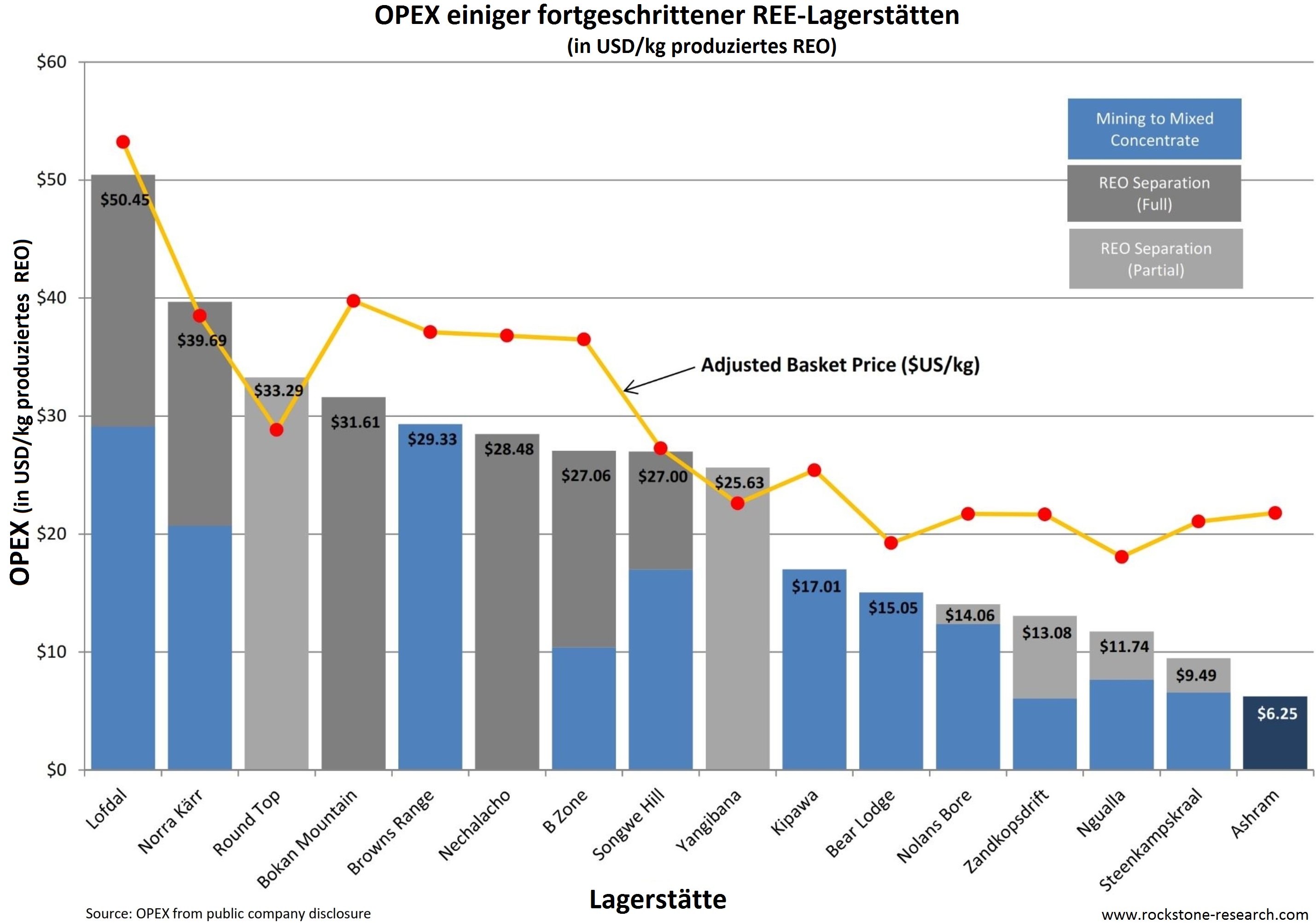
http://www.wallstreet-online.de/_plain/_shared/default/image…
(Differenz zwischen gelber Kurve und der Produktionskostensäule.
http://www.wallstreet-online.de/_plain/_shared/default/image…
Verwunderlich dass NIEMAND diesen Goldnugget gewuppt bekommt.
Das Management scheitert in mehreren Konstellationen kläglich mit dieser "achsotollen" Visitenkarte.
Irgendwie seltsam, oder?
Und das trotz zusätzlich jahrelanger kostenloser Promotion in diesem unbedeutendem Thread.
Das Management scheitert in mehreren Konstellationen kläglich mit dieser "achsotollen" Visitenkarte.
Irgendwie seltsam, oder?
Und das trotz zusätzlich jahrelanger kostenloser Promotion in diesem unbedeutendem Thread.
Antwort auf Beitrag Nr.: 49.713.567 von websin am 05.05.15 16:50:07
Tja, man hat in der Vergangenheit so viel versäumt, da kommt man im Endeffekt mit dem Kopfschütteln nicht mehr nach...
Blödheit von mir: Ich bin nicht ausgestiegen
Jetzt bleibt auch mir nur noch die Hoffnung, dass es für mich/uns gut ausgeht, aber wieso sollte das so sein? Jahrelang hätte man dafür sorgen können und tat es sich nicht.
Und nun ist es 5vor12
Es bleibt als Motto übrig: Nur Druck formt Diamanten...
Zitat von websin: Verwunderlich dass NIEMAND diesen Goldnugget gewuppt bekommt.
Das Management scheitert in mehreren Konstellationen kläglich mit dieser "achsotollen" Visitenkarte.
Irgendwie seltsam, oder?
Und das trotz zusätzlich jahrelanger kostenloser Promotion in diesem unbedeutendem Thread.
Tja, man hat in der Vergangenheit so viel versäumt, da kommt man im Endeffekt mit dem Kopfschütteln nicht mehr nach...
Blödheit von mir: Ich bin nicht ausgestiegen
Jetzt bleibt auch mir nur noch die Hoffnung, dass es für mich/uns gut ausgeht, aber wieso sollte das so sein? Jahrelang hätte man dafür sorgen können und tat es sich nicht.
Und nun ist es 5vor12
Es bleibt als Motto übrig: Nur Druck formt Diamanten...
"Blödheit von mir: Ich bin nicht ausgestiegen"
Shake Hands Krawallo!
Bin ja bei LYC auch nicht nachhaltig ausgestiegen.
VG, Websin
"Shake Hands Krawallo!
Bin ja bei LYC auch nicht nachhaltig ausgestiegen.
VG, Websin
meine Hoffnung ist, dass der Rohstoffmarkt inflationsbedingt seinen Boden hat und anspringt. Dann dürften gerade solche Buden richtig anspringen. Bis dahin bleibt nur die Angst vor der Ausbuchung.
Hoffnung habe ich keine mehr. Das Tafelsilber wird jetzt verschleudert und dann gehen die Lichter aus.
Great Western Minerals Initiates Sale and Investor Solicitation Process
Antwort auf Beitrag Nr.: 49.740.771 von Krawallo29 am 08.05.15 14:17:31...was heisst denn das? Ist doch so was wie eine Ausschreibung, so wie ich das aus meiner Maloche kenne....
Antwort auf Beitrag Nr.: 49.741.083 von prallhans am 08.05.15 14:50:43
Im Endeffekt eine versteckte Einladung, die werthaltigen Assets von GWMG zu plündern. Man muss sich nur geschickt genug anstellen...
Zitat von prallhans: ...was heisst denn das? Ist doch so was wie eine Ausschreibung, so wie ich das aus meiner Maloche kenne....
Im Endeffekt eine versteckte Einladung, die werthaltigen Assets von GWMG zu plündern. Man muss sich nur geschickt genug anstellen...
Antwort auf Beitrag Nr.: 49.741.344 von Krawallo29 am 08.05.15 15:15:45Sieht eher aus wie das Ende dieser "stolzen" Gesellschaft:
SASKATOON, SK--(Marketwired - May 11, 2015) - Great Western Minerals Group Ltd. ("GWMG" or the "Company") (TSX VENTURE: GWG) (OTCQX: GWMGF) today announced that the Company's principal regulator, the Financial and Consumer Affairs Authority of Saskatchewan (the "Commission") has issued a cease trade order which ceases all trading in securities of the Company until GWMG files the Reporting Documents (as defined below).
Previously, on March 30, 2015, the Company announced that it would be unable to file its audited consolidated annual financial statements for the year ended December 31, 2014, its management's discussion and analysis and the CEO and CFO certificates in respect of those financial statements (collectively, the "Reporting Documents") by March 31, 2015. As a result of the delay in filing the Reporting Documents, the Commission issued a management cease trade ("MCTO") order on April 2, 2015, restricting all trading in securities of the Company by the Company's Chief Executive Officer and Chief Financial Officer. In light of the issuance of the cease trade order today, the Company will no longer be issuing bi-weekly default status reports in respect of the MCTO.
As previously announced, the Company has entered into a support agreement dated April 29, 2015 with holders (the "Supporting Bondholders") of approximately 65.3% of its US$90 million 8.00 percent Secured Convertible Bonds due 2017 (the "Convertible Bonds") pursuant to which the Company, with the support of the Supporting Bondholders, will pursue an orderly process for the solicitation of interests in the Company's business, property and assets pursuant to a sale and investor solicitation process (the "SISP") to be implemented pursuant to proceedings commenced by the Company under the Companies' Creditors Arrangement Act (Canada) ("CCAA"). PricewaterhouseCoopers Inc. has been appointed Monitor in the CCAA proceedings and is supervising the SISP.
In addition, the Company also announces that Mr. Bruce Higson-Smith resigned from the board of directors of the Company effective as of May 8, 2015. Mr. Robert Quinn, Chairman of the board of directors of the Company, commented, "We appreciate the many contributions to the board made by Mr. Bruce Higson-Smith and wish him the best in his future endeavours."
SASKATOON, SK--(Marketwired - May 11, 2015) - Great Western Minerals Group Ltd. ("GWMG" or the "Company") (TSX VENTURE: GWG) (OTCQX: GWMGF) today announced that the Company's principal regulator, the Financial and Consumer Affairs Authority of Saskatchewan (the "Commission") has issued a cease trade order which ceases all trading in securities of the Company until GWMG files the Reporting Documents (as defined below).
Previously, on March 30, 2015, the Company announced that it would be unable to file its audited consolidated annual financial statements for the year ended December 31, 2014, its management's discussion and analysis and the CEO and CFO certificates in respect of those financial statements (collectively, the "Reporting Documents") by March 31, 2015. As a result of the delay in filing the Reporting Documents, the Commission issued a management cease trade ("MCTO") order on April 2, 2015, restricting all trading in securities of the Company by the Company's Chief Executive Officer and Chief Financial Officer. In light of the issuance of the cease trade order today, the Company will no longer be issuing bi-weekly default status reports in respect of the MCTO.
As previously announced, the Company has entered into a support agreement dated April 29, 2015 with holders (the "Supporting Bondholders") of approximately 65.3% of its US$90 million 8.00 percent Secured Convertible Bonds due 2017 (the "Convertible Bonds") pursuant to which the Company, with the support of the Supporting Bondholders, will pursue an orderly process for the solicitation of interests in the Company's business, property and assets pursuant to a sale and investor solicitation process (the "SISP") to be implemented pursuant to proceedings commenced by the Company under the Companies' Creditors Arrangement Act (Canada) ("CCAA"). PricewaterhouseCoopers Inc. has been appointed Monitor in the CCAA proceedings and is supervising the SISP.
In addition, the Company also announces that Mr. Bruce Higson-Smith resigned from the board of directors of the Company effective as of May 8, 2015. Mr. Robert Quinn, Chairman of the board of directors of the Company, commented, "We appreciate the many contributions to the board made by Mr. Bruce Higson-Smith and wish him the best in his future endeavours."
Das Warten wird noch etwas andauern...
Ich habe mal auf der Homepage von GWMG gestöbert und das hier gefunden:
http://www.gwmg.ca/sites/default/files/webcasts-presentation…
Seite 3 stellt die Unternehmensstrategie schön dar:
Kernbausteine (core assets) sind demnach SKK und LCM
Die Daten auf der Seite 5 sind alle wunderbar anzuschauen, v.a. payback-time: 3,5 years
Diese A...löcher, vor 5 Jahren wäre die Finanzierung mit Kusshand durchgegangen
Heute? Jeder sagt, die REE-Sau ist tot...
Fazit: Es wäre aus meiner Sicht ein Wunder, wenn wir Aktionäre noch unseren Schnitt machen würden
Welche Verhandlungsmasse hat das Management noch anzubieten?
Außer die großzügige Enteignung der Altaktionäre wohl nicht viel
Ich habe mal auf der Homepage von GWMG gestöbert und das hier gefunden:
http://www.gwmg.ca/sites/default/files/webcasts-presentation…
Seite 3 stellt die Unternehmensstrategie schön dar:
Kernbausteine (core assets) sind demnach SKK und LCM
Die Daten auf der Seite 5 sind alle wunderbar anzuschauen, v.a. payback-time: 3,5 years
Diese A...löcher, vor 5 Jahren wäre die Finanzierung mit Kusshand durchgegangen
Heute? Jeder sagt, die REE-Sau ist tot...
Fazit: Es wäre aus meiner Sicht ein Wunder, wenn wir Aktionäre noch unseren Schnitt machen würden
Welche Verhandlungsmasse hat das Management noch anzubieten?
Außer die großzügige Enteignung der Altaktionäre wohl nicht viel
Molycorp Aktie: Jetzt droht das finanzielle Aus
Liebe Leser,
jetzt wird es langsam eng für Molycorp. Der einzige Produzent von Seltenen Erden in den USA steht finanziell mit dem Rücken zur Wand. Jetzt teilte das Unternehmen mit, dass es nicht möglich ist, derzeit eine fällige Zinstilgung in Höhe von 32,5 Mio. Dollar zu leisten.
Sie können sich vorstellen, was eine solche Ankündigung die in dürren Worten über die Webseite von Molycorp veröffentlicht wurde, an der Börse ausgelöst hat. Die Aktie befand sich zwischenzeitlich im freien Fall. Bei einem sehr hohen Volumen sackten die Aktien von Molycorp knapp 20 % ab. Der Schlusskurs lag nur noch bei 0,43 Dollar.
Vom Glanz früherer Zeiten ist bei diesem US-Unternehmen nicht mehr viel übrig. Jetzt hat das Unternehmen nur 30 Tage Zeit, mögliche Umstrukturierungen bei den Krediten durchzusetzen. Doch die Lage für Molycorp ist alles andere als rosig.
Zwar produziert das Unternehmen in der Mountain Pass Mine in Kalifornien Seltene Erden. Doch durch den starken Einbruch der Preise am Weltmarkt für Seltene Erden ist es nicht möglich, dort profitabel zu wirtschaften.
Molycorp produziert nur noch Verluste – das kann nicht mehr lange gutgehen
Das haben zuletzt die Bilanzdaten zum ersten Quartal einmal mehr unter Beweis gestellt: Mit jedem Tag der Produktion verliert Molycorp derzeit Geld. Zudem ist das Unternehmen mit unglaublichen 1,7 Mrd. Dollar verschuldet.
Ein Großteil dieser Schulden ergibt sich auch aus einer Übernahme die Molycorp im Jahre 2012 durchgeführt hat. Damals wurde ein kanadisches Unternehmen für 1,3 Mrd. Dollar übernommen. Im Nachhinein hat sich diese Übernahme als viel zu teuer erwiesen. Sie erfolgte nur kurz nach den Höchstpreisen bei Seltenen Erden aus dem Jahre 2011.
Damals stand Molycorp nach eigener Ansicht vor einer ausgezeichneten Zukunft. Auch viele Experten attestierten dem Unternehmen sehr gute Marktchancen. Vor allem die Lokalisierung des Vorkommens in Kalifornien machte Molycorp interessant.
Sie müssen wissen, dass weit mehr als 90 % der Seltenen Erden in China produziert werden. Daher bietet ein verlässlicher Produktionsstandort außerhalb des asiatischen Boomlandes die notwendige Sicherheit für westliche Unternehmen.
Doch leider sind die Preise innerhalb der vergangenen Jahre massiv eingebrochen. Das hat nicht nur Molycorp unter Druck gesetzt, sondern auch andere Firmen aus diesem Sektor. So ist die aktuelle Krisenmeldung von Molycorp nicht nur schlecht für die Firma. Es ist vielmehr ein Warnsignal für den gesamten Sektor.
Erfolgreiche Investments
wünscht Ihnen
Heiko Böhmer
Redaktion "Rohstoff-Giganten"
Liebe Leser,
jetzt wird es langsam eng für Molycorp. Der einzige Produzent von Seltenen Erden in den USA steht finanziell mit dem Rücken zur Wand. Jetzt teilte das Unternehmen mit, dass es nicht möglich ist, derzeit eine fällige Zinstilgung in Höhe von 32,5 Mio. Dollar zu leisten.
Sie können sich vorstellen, was eine solche Ankündigung die in dürren Worten über die Webseite von Molycorp veröffentlicht wurde, an der Börse ausgelöst hat. Die Aktie befand sich zwischenzeitlich im freien Fall. Bei einem sehr hohen Volumen sackten die Aktien von Molycorp knapp 20 % ab. Der Schlusskurs lag nur noch bei 0,43 Dollar.
Vom Glanz früherer Zeiten ist bei diesem US-Unternehmen nicht mehr viel übrig. Jetzt hat das Unternehmen nur 30 Tage Zeit, mögliche Umstrukturierungen bei den Krediten durchzusetzen. Doch die Lage für Molycorp ist alles andere als rosig.
Zwar produziert das Unternehmen in der Mountain Pass Mine in Kalifornien Seltene Erden. Doch durch den starken Einbruch der Preise am Weltmarkt für Seltene Erden ist es nicht möglich, dort profitabel zu wirtschaften.
Molycorp produziert nur noch Verluste – das kann nicht mehr lange gutgehen
Das haben zuletzt die Bilanzdaten zum ersten Quartal einmal mehr unter Beweis gestellt: Mit jedem Tag der Produktion verliert Molycorp derzeit Geld. Zudem ist das Unternehmen mit unglaublichen 1,7 Mrd. Dollar verschuldet.
Ein Großteil dieser Schulden ergibt sich auch aus einer Übernahme die Molycorp im Jahre 2012 durchgeführt hat. Damals wurde ein kanadisches Unternehmen für 1,3 Mrd. Dollar übernommen. Im Nachhinein hat sich diese Übernahme als viel zu teuer erwiesen. Sie erfolgte nur kurz nach den Höchstpreisen bei Seltenen Erden aus dem Jahre 2011.
Damals stand Molycorp nach eigener Ansicht vor einer ausgezeichneten Zukunft. Auch viele Experten attestierten dem Unternehmen sehr gute Marktchancen. Vor allem die Lokalisierung des Vorkommens in Kalifornien machte Molycorp interessant.
Sie müssen wissen, dass weit mehr als 90 % der Seltenen Erden in China produziert werden. Daher bietet ein verlässlicher Produktionsstandort außerhalb des asiatischen Boomlandes die notwendige Sicherheit für westliche Unternehmen.
Doch leider sind die Preise innerhalb der vergangenen Jahre massiv eingebrochen. Das hat nicht nur Molycorp unter Druck gesetzt, sondern auch andere Firmen aus diesem Sektor. So ist die aktuelle Krisenmeldung von Molycorp nicht nur schlecht für die Firma. Es ist vielmehr ein Warnsignal für den gesamten Sektor.
Erfolgreiche Investments
wünscht Ihnen
Heiko Böhmer
Redaktion "Rohstoff-Giganten"
Danke. Bevor das wg molycorp hensiert wird bitte letzten absatz lesen
Antwort auf Beitrag Nr.: 49.907.560 von prallhans am 03.06.15 20:52:38Molycorp hat auch große, hausgemachte Probleme. Da halte ich Lynas noch für die bessere Wahl, wobei da auch fast schon die Lichter aus sind. Aber die Produktion dort läuft jetzt wohl ziemlich gut, profitabler als MCP könnten die arbeiten. Aber eben auch der Schuldenberg, der das Unternehmen drückt.
Frage an die Insider:
Ich habe noch ein paar GWG-Aktien und versuche die seit einiger Zeit zu verkaufen, um damit meine Gewinne gegenrechnen zu können. Aber der Handel ist scheinbar eingestellt, kriege sie auf jeden Fall nirgendwo los. Ok. sind "nur" ca 2.300 € Verlust, aber wäre für mich schon wichtig, das Geld in den Verlusttopf einbuchen zu können. Ich hatte das Problem so noch nie, daher meine Frage: Besteht da irgendwie noch eine Möglichkeit, die zu handeln oder muss ich das Geld ganz (!) abschreiben…?
Vielen Dank für die Auskunft
Skizze
Ich habe noch ein paar GWG-Aktien und versuche die seit einiger Zeit zu verkaufen, um damit meine Gewinne gegenrechnen zu können. Aber der Handel ist scheinbar eingestellt, kriege sie auf jeden Fall nirgendwo los. Ok. sind "nur" ca 2.300 € Verlust, aber wäre für mich schon wichtig, das Geld in den Verlusttopf einbuchen zu können. Ich hatte das Problem so noch nie, daher meine Frage: Besteht da irgendwie noch eine Möglichkeit, die zu handeln oder muss ich das Geld ganz (!) abschreiben…?
Vielen Dank für die Auskunft
Skizze
Schaut aus wie out and over ...
Antwort auf Beitrag Nr.: 49.958.424 von Fuenfvorzwoelf am 11.06.15 18:22:35Ja, scheint wohl der Fall zu sein.
Das ist natürlich ärgerlich. Da hat man Verlust und kann diesen noch nicht mal in den Verlusttopf einbuchen. Das kommt davon, wenn man Aktien vor sich hinkümmern lässt bis zum bitteren Ende. Ich hätte ja genug Zeit gehabt, sie zu verkaufen….
Ok. Krönchen richten, weitergehen….
Das ist natürlich ärgerlich. Da hat man Verlust und kann diesen noch nicht mal in den Verlusttopf einbuchen. Das kommt davon, wenn man Aktien vor sich hinkümmern lässt bis zum bitteren Ende. Ich hätte ja genug Zeit gehabt, sie zu verkaufen….
Ok. Krönchen richten, weitergehen….
Fehlt noch offizielle Pleitemeldung ....
Laut Zeitplan ist der 29.6. der Tag der Wahrheit...
Wir werden sehen, evtl. gelingt hier eine ähnlich "tolle Lösung" wie bei MCP
Wir werden sehen, evtl. gelingt hier eine ähnlich "tolle Lösung" wie bei MCP
Übrigens LCM produziert noch schreibt mir die IR Abteilung
Antwort auf Beitrag Nr.: 50.069.298 von 4now am 29.06.15 01:03:09
Na toll. Produziert noch, da fällt einem echt nix mehr dazu ein.
Und was bedeutet das jetzt?
Out and over?
Great Western Minerals Provides Update Regarding Sale or Investor Solicitation Process and Director and Officer Resignations
Zitat von 4now: Übrigens LCM produziert noch schreibt mir die IR Abteilung
Na toll. Produziert noch, da fällt einem echt nix mehr dazu ein.
Und was bedeutet das jetzt?
Out and over?
Great Western Minerals Provides Update Regarding Sale or Investor Solicitation Process and Director and Officer Resignations
Great Western Minerals Provides Update Regarding Sale or Investor
Solicitation Process and Director and Officer Resignations
SASKATOON, SK, Canada, July 3, 2015 – Great Western Minerals Group Ltd. (the “Company” or
“GWMG”) (TSX VENTURE: GWG) (OTCQX: GWMGF) announced today that, on a motion by the
Ad Hoc Committee of holders of the Company’s US$90 million 8.00 percent Secured Convertible
Bonds due 2017, the Ontario Superior Court of Justice – Commercial List (the “Court”) today
granted an order (the “Order”) expanding the powers and duties of PricewaterhouseCoopers Inc.,
the Court-appointed monitor (the “Monitor”) in the Company’s proceedings under the Companies’
Creditors Arrangement Act (Canada) (“CCAA”) to, inter alia, pursue the ongoing Sale or Investor
Solicitation Process (“SISP”) and otherwise perform such other functions or duties, on behalf of the
Company, as the Monitor considers necessary or desirable in order to facilitate or assist the
Company in dealing with its operations, property or other activities. The Order also extended the
stay of proceedings and the “Outside Date” for completion of the SISP to July 13, 2015.
The Company further announced today the resignation of Mr. K. Marc LeVier as President and
Chief Executive Officer of the Company, effective immediately, and that the members of the Board
of Directors have resigned effective immediately. Under its expanded powers, the Monitor will have
the ability to act on behalf of GWMG to move forward with the SISP and complete any related
transactions.
Prima Nachricht!
Solicitation Process and Director and Officer Resignations
SASKATOON, SK, Canada, July 3, 2015 – Great Western Minerals Group Ltd. (the “Company” or
“GWMG”) (TSX VENTURE: GWG) (OTCQX: GWMGF) announced today that, on a motion by the
Ad Hoc Committee of holders of the Company’s US$90 million 8.00 percent Secured Convertible
Bonds due 2017, the Ontario Superior Court of Justice – Commercial List (the “Court”) today
granted an order (the “Order”) expanding the powers and duties of PricewaterhouseCoopers Inc.,
the Court-appointed monitor (the “Monitor”) in the Company’s proceedings under the Companies’
Creditors Arrangement Act (Canada) (“CCAA”) to, inter alia, pursue the ongoing Sale or Investor
Solicitation Process (“SISP”) and otherwise perform such other functions or duties, on behalf of the
Company, as the Monitor considers necessary or desirable in order to facilitate or assist the
Company in dealing with its operations, property or other activities. The Order also extended the
stay of proceedings and the “Outside Date” for completion of the SISP to July 13, 2015.
The Company further announced today the resignation of Mr. K. Marc LeVier as President and
Chief Executive Officer of the Company, effective immediately, and that the members of the Board
of Directors have resigned effective immediately. Under its expanded powers, the Monitor will have
the ability to act on behalf of GWMG to move forward with the SISP and complete any related
transactions.
Prima Nachricht!
Antwort auf Beitrag Nr.: 50.140.806 von Krawallo29 am 08.07.15 16:13:57prima ?????
Antwort auf Beitrag Nr.: 50.173.422 von gunsi84 am 13.07.15 11:04:00
Alle Investierten sind Looser. So schaut´s aus. Prima könnte ja eventuell auch ironisch gemeint gewesen sein?

Zitat von gunsi84: prima ?????
Alle Investierten sind Looser. So schaut´s aus. Prima könnte ja eventuell auch ironisch gemeint gewesen sein?

Antwort auf Beitrag Nr.: 50.173.608 von Fuenfvorzwoelf am 13.07.15 11:24:22Statt "Seltene Erden" sollte es eigentlich heißen:
"Selten Dämlich"!
Mich einbzogen!
Wie konnte man nur so naiv sein, an der Börse mit so einem Lemmingquatsch Geld verdienen zu wollen?
"Selten Dämlich"!
Mich einbzogen!
Wie konnte man nur so naiv sein, an der Börse mit so einem Lemmingquatsch Geld verdienen zu wollen?
das wars dann wohl endgültig.
man zieht hoffentlich die lehren aus so einem quatsch. (mich einbezogen
man zieht hoffentlich die lehren aus so einem quatsch. (mich einbezogen
For Now. Totalverlust.
Letzte Nachricht von Firmenseite: 3.7.15
Die Preisen stabilisieren sich langsam, MCP bricht weg, LYC hat positiven cashflow, der REE-Himmel wird wieder heller...
Jetzt rächt sich bei GWMG die Schludderei zwischen 2010-2012, da hätte man Kohle im Überfluss einsammeln können.
Infos gibt es keine, auf E-Mails wird nicht geantwortet...
Die Preisen stabilisieren sich langsam, MCP bricht weg, LYC hat positiven cashflow, der REE-Himmel wird wieder heller...
Jetzt rächt sich bei GWMG die Schludderei zwischen 2010-2012, da hätte man Kohle im Überfluss einsammeln können.
Infos gibt es keine, auf E-Mails wird nicht geantwortet...
Ja, und wer hat permanent das Totenglöckchen für Lynas geläutet?
Antwort auf Beitrag Nr.: 50.904.957 von Fuenfvorzwoelf am 22.10.15 10:12:34
Ja wer?
Zitat von Fuenfvorzwoelf: Ja, und wer hat permanent das Totenglöckchen für Lynas geläutet?
Ja wer?
Antwort auf Beitrag Nr.: 50.907.246 von Krawallo29 am 22.10.15 14:34:06
Ja wer läutet denn so spät noch das Totenglöckchen,
es ist 5 vor 12 und er trägt ein Röckchen.

Aber wer hat es denn nun wirklich geläutet?
Zitat von Krawallo29:Zitat von Fuenfvorzwoelf: Ja, und wer hat permanent das Totenglöckchen für Lynas geläutet?
Ja wer?
Ja wer läutet denn so spät noch das Totenglöckchen,
es ist 5 vor 12 und er trägt ein Röckchen.

Aber wer hat es denn nun wirklich geläutet?
Antwort auf Beitrag Nr.: 50.974.581 von VeryLongandevenLonger am 31.10.15 05:01:04Lynas ist im Vergleich zu GWG weniger als tot.
Es zuckt sogar noch.
Es zuckt sogar noch.
Letztes Lebenszeichen auf der Homepage vom 3.7.
Was soll hier noch kommen?
Was soll hier noch kommen?
kümmert sich ja keiner drum... Not 4Now ... 4AllTime

Antwort auf Beitrag Nr.: 51.393.234 von websin am 31.12.15 18:26:42Gab im Dezember eine News die ich auch erst heute gesehen habe.
GWG ist Bankrott....was ja jetzt nicht mehr überraschend kommt.
Jeder Gläubiger kann seine Ansprüche anmelden.
Am 22. Dezember gab es ein erstes Treffen der Gläubiger bei PriceWaterHouse, welche ja mit der Abwicklung im Namen von GWG vom Gericht betraut wurden.
Ein Ergebnis des Treffens wurde nicht verlautbart.
Masse sollte LCM und die Mine in Südafrika sein.
Die bekommen jetzt wohl die Anleiheneigentümer (das ist aber nur meine Vermutung)
Ob Aktionäre auch irgendwelche Rechte haben weis ich nicht.
Vielleicht kauft sich ja jetzt Billingsley für ein Butterbrot die Mine.
Insgesamt gehe ich davon aus daß man uns mit Null abspeist und die Aktien von der Börse verschwinden. Interessant trotzdem das man nicht mal benachrichtigt wird.
Ein Chapter 11 Gläubigerschutzverfahren wie es das in USA gibt scheint es nicht zu sein.
Somit kann da auch nichts positives rauskommen.
Der Auftrag von PWC wurde vom Gericht bis 29. Jänner verlängert.
Ich finde nach wie vor daß GWG nie vorher mehr Geld hatte als zu dem Zeitpunkt wo die Feasibility gemacht wurde. Warum sich das Ganze trotzdem in Luft auflöst ?
Nichts zu lesen auch über die Vorfälle in Südafrika. Das Management und das Nachfolgende kommentarlos untergetaucht.
Bin schon gespannt ob LCM und oder die Mine irgendwann in anderem Zusammenhang wieder auftaucht. Wir werden wohl nichts davon haben.
Hat mal wer was von wwwater gehört ? Liest noch wer in den kanadischen Foren ?
http://finance.yahoo.com/news/great-western-minerals-bankrup…
GWG ist Bankrott....was ja jetzt nicht mehr überraschend kommt.
Jeder Gläubiger kann seine Ansprüche anmelden.
Am 22. Dezember gab es ein erstes Treffen der Gläubiger bei PriceWaterHouse, welche ja mit der Abwicklung im Namen von GWG vom Gericht betraut wurden.
Ein Ergebnis des Treffens wurde nicht verlautbart.
Masse sollte LCM und die Mine in Südafrika sein.
Die bekommen jetzt wohl die Anleiheneigentümer (das ist aber nur meine Vermutung)
Ob Aktionäre auch irgendwelche Rechte haben weis ich nicht.
Vielleicht kauft sich ja jetzt Billingsley für ein Butterbrot die Mine.
Insgesamt gehe ich davon aus daß man uns mit Null abspeist und die Aktien von der Börse verschwinden. Interessant trotzdem das man nicht mal benachrichtigt wird.
Ein Chapter 11 Gläubigerschutzverfahren wie es das in USA gibt scheint es nicht zu sein.
Somit kann da auch nichts positives rauskommen.
Der Auftrag von PWC wurde vom Gericht bis 29. Jänner verlängert.
Ich finde nach wie vor daß GWG nie vorher mehr Geld hatte als zu dem Zeitpunkt wo die Feasibility gemacht wurde. Warum sich das Ganze trotzdem in Luft auflöst ?
Nichts zu lesen auch über die Vorfälle in Südafrika. Das Management und das Nachfolgende kommentarlos untergetaucht.
Bin schon gespannt ob LCM und oder die Mine irgendwann in anderem Zusammenhang wieder auftaucht. Wir werden wohl nichts davon haben.
Hat mal wer was von wwwater gehört ? Liest noch wer in den kanadischen Foren ?
http://finance.yahoo.com/news/great-western-minerals-bankrup…
Antwort auf Beitrag Nr.: 51.523.683 von 4now am 18.01.16 23:28:28Hoidas Lake gehört ja zu 100% GWG.
Star Minerals hat das Recht 25% zu erwerben wenn sie bis Jän. 2016 eine PFS vorlegen und weitere 26% wenn sie 4 Jahre später eine FSB vorlegen.
Interessant daß die in dieser News so tun als könnten sie 60% haben.
STAR MINERALS GROUP LTD. ENTERS INTO JOINT VENTURE AGREEMENT TO EARN
A 60% INTEREST IN THE HOIDAS LAKE PROJECT AND ANNOUNCES CHANGES IN
MANAGEMENT
Saskatoon, Saskatchewan – January 12, 2015 – Star Minerals Group Ltd. (“Star” or the “Company”)
(CSE: SUV) is pleased to announce the signing of a Joint Venture Agreement (the “Agreement”) between
Star (the “Optionee”) and a Canadian private company (the “Optionor”), to acquire a controlling interest of
60% ownership of the Hoidas Lake advanced rare earth project in northwestern Saskatchewan. This
Venture will commence January 6th 2016 and continue in full force and effect (the “Term”) until the
occurrence of the following events:
• Payment of $75,000, made up of $25,000 cash and 5,000,000 shares of Star Minerals Group Ltd.
by July 31st, 2016 to the Optionor. Failure to make such payment on or before July 31st, 2016 will
result in 100% ownership reverting to the Optionor. Upon payment of the said amount by Star they
will own an undivided interest of 60% in the Venture and the Optionor will retain 40%.
• Once the prefeasibility study has been completed (at Star’s sole expense) and the Bankable
Feasibility study has been provided (at Star’s sole expense) all costs moving forward will be shared
by each member’s ownership prorata. Failure to participate will result in that member being diluted
down by 10% for every $500,000 being spent on their behalf until they are diluted down to 10%,
which is where they will remain.
In addition, the Company is pleased to announce the addition of Scott Newman and James Rogers to the
management team. Mr. Newman will join the Company’s management team as Vice-President and Mr.
Rogers will join the Company’s management team as Chief Operating Officer.
Mr. Newman is the president and founding partner of Axiom Exploration, a private oil and gas consulting
firm based in Saskatoon. His 8 years of technical and management experience both in hard rock and soft
rock brings a strong operational background to the team.
Mr. Rogers has been directly involved in the resource exploration industry since 2007, bringing extensive
corporate management and technical experience to the team. He has worked both in a management and
technical capacity with private and public companies throughout North and South America, and equatorial
Africa. Mr. Rogers is also the President and founder of Longford Exploration, a private hard-rock
geological consulting company based in Vancouver, BC.
Michael Burns, President and CEO, says “This Agreement represents a significant step towards obtaining
a controlling ownership of the Hoidas Lake project, which remained a key goal of the company set by both
the previous and current management. The addition of Mr. Newman and Mr. Rogers represents exciting
change for the Company as they bring in new energy to Star’s projects and team.”
The Company applied for and has been granted relief from the CSE’s minimum price rule for issuance of
shares in a share for debt restructuring enabling the Company to clean up the balance sheet.
Star Minerals hat das Recht 25% zu erwerben wenn sie bis Jän. 2016 eine PFS vorlegen und weitere 26% wenn sie 4 Jahre später eine FSB vorlegen.
Interessant daß die in dieser News so tun als könnten sie 60% haben.
STAR MINERALS GROUP LTD. ENTERS INTO JOINT VENTURE AGREEMENT TO EARN
A 60% INTEREST IN THE HOIDAS LAKE PROJECT AND ANNOUNCES CHANGES IN
MANAGEMENT
Saskatoon, Saskatchewan – January 12, 2015 – Star Minerals Group Ltd. (“Star” or the “Company”)
(CSE: SUV) is pleased to announce the signing of a Joint Venture Agreement (the “Agreement”) between
Star (the “Optionee”) and a Canadian private company (the “Optionor”), to acquire a controlling interest of
60% ownership of the Hoidas Lake advanced rare earth project in northwestern Saskatchewan. This
Venture will commence January 6th 2016 and continue in full force and effect (the “Term”) until the
occurrence of the following events:
• Payment of $75,000, made up of $25,000 cash and 5,000,000 shares of Star Minerals Group Ltd.
by July 31st, 2016 to the Optionor. Failure to make such payment on or before July 31st, 2016 will
result in 100% ownership reverting to the Optionor. Upon payment of the said amount by Star they
will own an undivided interest of 60% in the Venture and the Optionor will retain 40%.
• Once the prefeasibility study has been completed (at Star’s sole expense) and the Bankable
Feasibility study has been provided (at Star’s sole expense) all costs moving forward will be shared
by each member’s ownership prorata. Failure to participate will result in that member being diluted
down by 10% for every $500,000 being spent on their behalf until they are diluted down to 10%,
which is where they will remain.
In addition, the Company is pleased to announce the addition of Scott Newman and James Rogers to the
management team. Mr. Newman will join the Company’s management team as Vice-President and Mr.
Rogers will join the Company’s management team as Chief Operating Officer.
Mr. Newman is the president and founding partner of Axiom Exploration, a private oil and gas consulting
firm based in Saskatoon. His 8 years of technical and management experience both in hard rock and soft
rock brings a strong operational background to the team.
Mr. Rogers has been directly involved in the resource exploration industry since 2007, bringing extensive
corporate management and technical experience to the team. He has worked both in a management and
technical capacity with private and public companies throughout North and South America, and equatorial
Africa. Mr. Rogers is also the President and founder of Longford Exploration, a private hard-rock
geological consulting company based in Vancouver, BC.
Michael Burns, President and CEO, says “This Agreement represents a significant step towards obtaining
a controlling ownership of the Hoidas Lake project, which remained a key goal of the company set by both
the previous and current management. The addition of Mr. Newman and Mr. Rogers represents exciting
change for the Company as they bring in new energy to Star’s projects and team.”
The Company applied for and has been granted relief from the CSE’s minimum price rule for issuance of
shares in a share for debt restructuring enabling the Company to clean up the balance sheet.
Ich weiss die Frage gabs bestimmt schon öfters aber gibts nicht iwie doch eine Möglichkeit die Verluste meiner Aktien geltend zu machen!??
Antwort auf Beitrag Nr.: 51.526.128 von jogii am 19.01.16 11:03:54
Ja, siehe: http://www.etl.de/fp-rostock/meldungen/aktienverluste-koenne…
Aktienverluste können von der Steuer abgesetzt werden
Zitat von jogii: Ich weiss die Frage gabs bestimmt schon öfters aber gibts nicht iwie doch eine Möglichkeit die Verluste meiner Aktien geltend zu machen!??
Ja, siehe: http://www.etl.de/fp-rostock/meldungen/aktienverluste-koenne…
Antwort auf Beitrag Nr.: 51.533.688 von JoJo49 am 20.01.16 07:07:34Vielen Dank!!
Antwort auf Beitrag Nr.: 51.533.688 von JoJo49 am 20.01.16 07:07:34
Ne das sind ja die Verluste die realisiert werden, ich möchte ja Verluste geltend machen die nicht realisiert werden können, sprich Aktien die nicht mehr gehandelt werden und nicht verkauft werden können, wie hier bei GWG!!
Zitat von JoJo49:Zitat von jogii: Ich weiss die Frage gabs bestimmt schon öfters aber gibts nicht iwie doch eine Möglichkeit die Verluste meiner Aktien geltend zu machen!??
Ja, siehe: http://www.etl.de/fp-rostock/meldungen/aktienverluste-koenne…
Ne das sind ja die Verluste die realisiert werden, ich möchte ja Verluste geltend machen die nicht realisiert werden können, sprich Aktien die nicht mehr gehandelt werden und nicht verkauft werden können, wie hier bei GWG!!
Antwort auf Beitrag Nr.: 51.534.669 von jogii am 20.01.16 09:08:50
Aktien nicht verkauft: kein Verlust, keine Geltendmachung eines solchen
Aktien nicht verkaufbar (da Delisting schon erfolgt): kein Verlust, keine Geltendmachung eines solchen.
Die Aktie wird heute nicht mehr gehandelt (letzter Kurs von Ende 2011), d.h. Du hast den dritten Fall. Keine Chance, einen Verlust geltend zu machen.
http://boerse.ard.de/boersenwissen/boersenwissen-fuer-fortge…
Das ist ganz einfach
Aktien verkauft: Verlust ist geltend zu machen, wenn diese ab dem 01.01.2009 gekauft wurden.Aktien nicht verkauft: kein Verlust, keine Geltendmachung eines solchen
Aktien nicht verkaufbar (da Delisting schon erfolgt): kein Verlust, keine Geltendmachung eines solchen.
Die Aktie wird heute nicht mehr gehandelt (letzter Kurs von Ende 2011), d.h. Du hast den dritten Fall. Keine Chance, einen Verlust geltend zu machen.
http://boerse.ard.de/boersenwissen/boersenwissen-fuer-fortge…
LCM hat schon eine eigene Homepage... noch nicht ganz fertig aber immerhin haben sie vom computerrendering der Firmenhalle schon mal das GWG Logo entfernt.
Das Wort GWG kommt natürlich nicht mehr vor.
Eventuell die Einzigen die gut aus der Sache aussteigen. Haben eine neue Halle (geleast) mit neuesten Öfen.
Das Wort GWG kommt natürlich nicht mehr vor.
Eventuell die Einzigen die gut aus der Sache aussteigen. Haben eine neue Halle (geleast) mit neuesten Öfen.
Antwort auf Beitrag Nr.: 51.593.064 von 4now am 27.01.16 16:39:17www.lesscommonmetals.com
Antwort auf Beitrag Nr.: 51.593.064 von 4now am 27.01.16 16:39:17Laut dem Doc ist LCM bereits verkauft
http://www.pwc.com/ca/en/car/greatwesternmineralsgroup/asset…
An Indian Ocean Rare Metals Pte Ltd (in Singapur registriert) sowie Everett International FZCO (ein Rare Metal Händler aus Dubai)
Eventuell interessant auch eine Liste der Gläubiger ...der Großteil ist bei der Deutschen Bank
http://www.pwc.com/ca/en/car/greatwesternmineralsgroup/asset…
Aber auch Ex Manager holen sich hoffentlich nochmal ein paar tausens $ (Billingsley, Le Vier, Pearso,..) nicht daß sie verhungern müssen.
Zu Steenkampskraal habe ich nichts gefunden.
http://www.pwc.com/ca/en/car/greatwesternmineralsgroup/asset…
An Indian Ocean Rare Metals Pte Ltd (in Singapur registriert) sowie Everett International FZCO (ein Rare Metal Händler aus Dubai)
Eventuell interessant auch eine Liste der Gläubiger ...der Großteil ist bei der Deutschen Bank
http://www.pwc.com/ca/en/car/greatwesternmineralsgroup/asset…
Aber auch Ex Manager holen sich hoffentlich nochmal ein paar tausens $ (Billingsley, Le Vier, Pearso,..) nicht daß sie verhungern müssen.
Zu Steenkampskraal habe ich nichts gefunden.
Antwort auf Beitrag Nr.: 51.593.064 von 4now am 27.01.16 16:39:17Ok Steenkampskraal gehörte ja der GWG Tochter Rareco und wurde ebenfalls im Oktober an Steenkampskraal thorium limited verkauft. Da steht sie wollen in 2 Jahren in Produktion gehen - zuerst mit den Rare Earth.
http://www.thorium100.com/blog/
Der von GWG entsorgte Rareco Manager Trevor Blanch ist also jetzt wieder am Ruder.
Ein Schelm der Böses dabei denkt. Die haben GWG nur genutzt um ihre Mine zu finanzieren.
dazu passt auch das der Direktor von Rareco Robert Louw das ebenfalls schon seit 1996 ist.
http://whoswho.co.za/robert-louw-1344
http://www.thorium100.com/blog/
Der von GWG entsorgte Rareco Manager Trevor Blanch ist also jetzt wieder am Ruder.
Ein Schelm der Böses dabei denkt. Die haben GWG nur genutzt um ihre Mine zu finanzieren.
dazu passt auch das der Direktor von Rareco Robert Louw das ebenfalls schon seit 1996 ist.
http://whoswho.co.za/robert-louw-1344
Antwort auf Beitrag Nr.: 51.538.047 von JoJo49 am 20.01.16 13:53:07...wieso ist dann heute ein Kursanstieg möglich. lt. W:O
Ich habe diese Leiche auch noch in meinem Depot.
Was nun? Nichts geht mehr oder?
Ich habe diese Leiche auch noch in meinem Depot.
Was nun? Nichts geht mehr oder?
Antwort auf Beitrag Nr.: 51.538.047 von JoJo49 am 20.01.16 13:53:07
Eventuell § 17 EStG anschauen !!!
Eventuell § 17 EStG anschauen !!!
Falls es wen interessiert....
Eine eigene Firma für Steenkampskraal gibt es auch wieder
http://steenkampskraalrareearths.co.za/directors/
Zwei Direktoren waren ja schon vor dem GWG Einstieg Direktoren bei Rareco
Für die läuft es einfach weiter.
Nur das sie jetzt mit Null Aufwand zu einer überholten Mine gekommen sind. Wo sogar einige technische Anlagen errichtet wurden.
Eine eigene Firma für Steenkampskraal gibt es auch wieder
http://steenkampskraalrareearths.co.za/directors/
Zwei Direktoren waren ja schon vor dem GWG Einstieg Direktoren bei Rareco
Für die läuft es einfach weiter.
Nur das sie jetzt mit Null Aufwand zu einer überholten Mine gekommen sind. Wo sogar einige technische Anlagen errichtet wurden.
Antwort auf Beitrag Nr.: 53.928.869 von 4now am 21.12.16 01:11:15Hallo, mal eine Frage in die Runde. Der Handel von Great Western wurde in Deutschland anscheinend einestellt. Ich habe meine Aktien jetzt nur als Depotleiche. In Amerika wird sie weiter gehandelt und ist jetzt am Steigen. Angenommen sie erlangt noch einmal einen sehr guten Kurs, wo kann ich da verkaufen?
Gern auch per BM.
Gruß Carola
Gern auch per BM.
Gruß Carola
Antwort auf Beitrag Nr.: 54.048.004 von Carola11 am 10.01.17 12:00:14
Frage deinen Broker bzw. es gibt Seiten die Deine Anteile gegen eine Provision aufkaufen. Und schnell weg solange es noch geht wenn OTC eingestellt wird dann haste wirklich ne Depotleiche. so haste wenigstens noch die Chance zum verrechnen falls mal eine andere Aktie von dir läuft.
Zitat von Carola11: Hallo, mal eine Frage in die Runde. Der Handel von Great Western wurde in Deutschland anscheinend einestellt. Ich habe meine Aktien jetzt nur als Depotleiche. In Amerika wird sie weiter gehandelt und ist jetzt am Steigen. Angenommen sie erlangt noch einmal einen sehr guten Kurs, wo kann ich da verkaufen?
Gern auch per BM.
Gruß Carola
Frage deinen Broker bzw. es gibt Seiten die Deine Anteile gegen eine Provision aufkaufen. Und schnell weg solange es noch geht wenn OTC eingestellt wird dann haste wirklich ne Depotleiche. so haste wenigstens noch die Chance zum verrechnen falls mal eine andere Aktie von dir läuft.
Antwort auf Beitrag Nr.: 54.066.118 von spezi1000 am 12.01.17 09:43:19Welche Seiten sind das, kannst du mir da einen Link mailen, wo ich mal eine Anfrage stellen kann.
Ihr könnt euch bei uns einige der seltenen Metalle zumindest von Kurs her anschauen. Ruthentium, Iridium und Rhodium haben wir jetzt auch:
https://www.wallstreet-online.de/rohstoffe/rhodiumpreis
https://www.wallstreet-online.de/rohstoffe/ruthentiumpreis
https://www.wallstreet-online.de/rohstoffe/iridiumpreis
https://www.wallstreet-online.de/rohstoffe/rhodiumpreis
https://www.wallstreet-online.de/rohstoffe/ruthentiumpreis
https://www.wallstreet-online.de/rohstoffe/iridiumpreis

 Durchsuchen
Beitrag zu dieser Diskussion schreiben
Zu dieser Diskussion können keine Beiträge mehr verfasst werden, da der letzte Beitrag vor mehr als zwei Jahren verfasst wurde und die Diskussion daraufhin archiviert wurde.
Bitte wenden Sie sich an feedback@wallstreet-online.de und erfragen Sie die Reaktivierung der Diskussion oder starten Sie eine neue Diskussion.
Investoren beobachten auch:
| Wertpapier | Perf. % |
|---|---|
| -4,88 | |
| -0,02 | |
| -5,46 | |
| +1,63 | |
| +1,00 | |
| +0,37 | |
| +0,08 | |
| +2,95 | |
| -0,74 | |
| +4,34 |
Meistdiskutiert
| Wertpapier | Beiträge | |
|---|---|---|
| 228 | ||
| 103 | ||
| 99 | ||
| 83 | ||
| 70 | ||
| 38 | ||
| 35 | ||
| 34 | ||
| 33 | ||
| 32 |


